Hip Fractures In The Elderly - Why They're Dangerous And Why Surgery Can't Wait
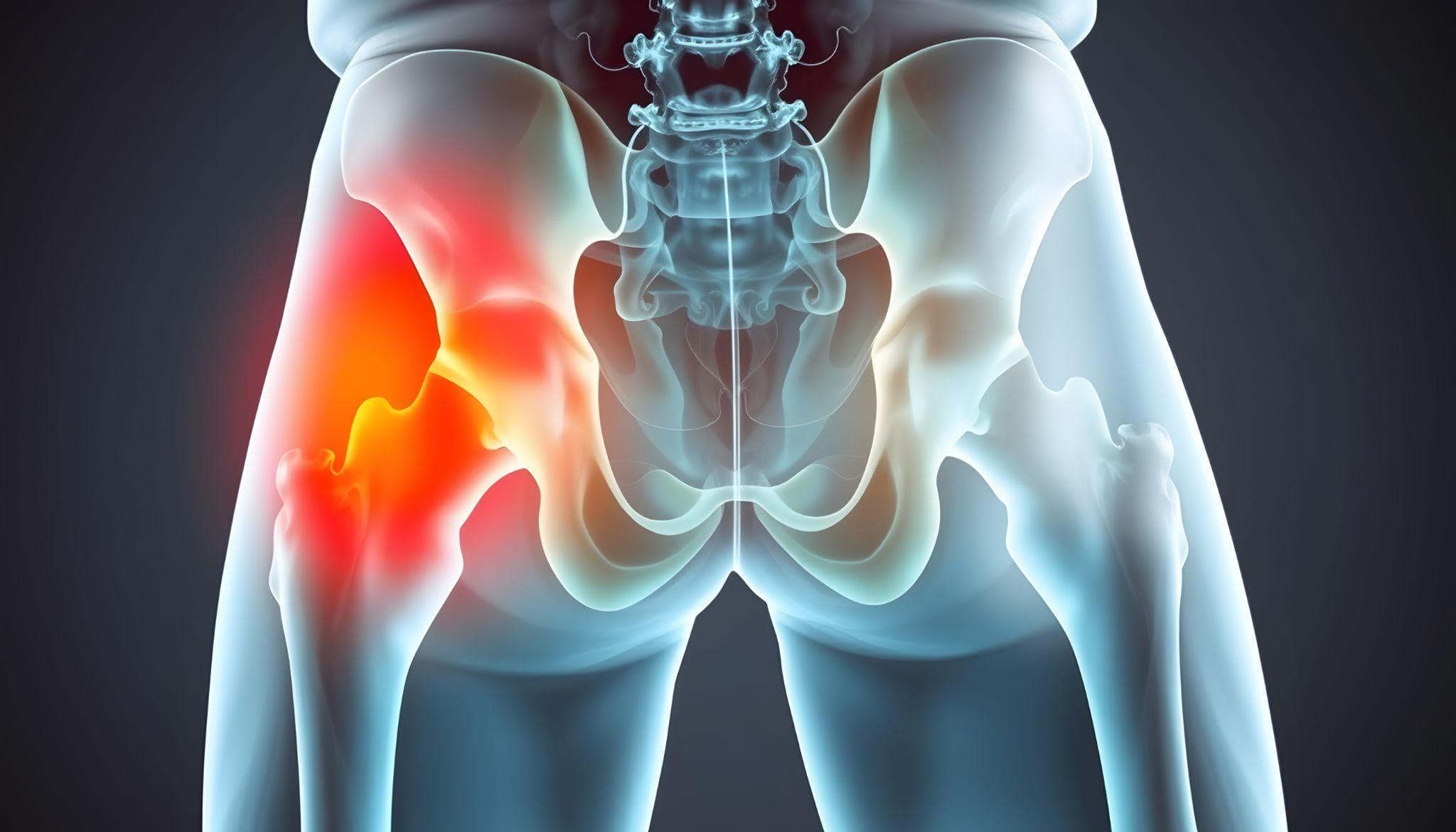
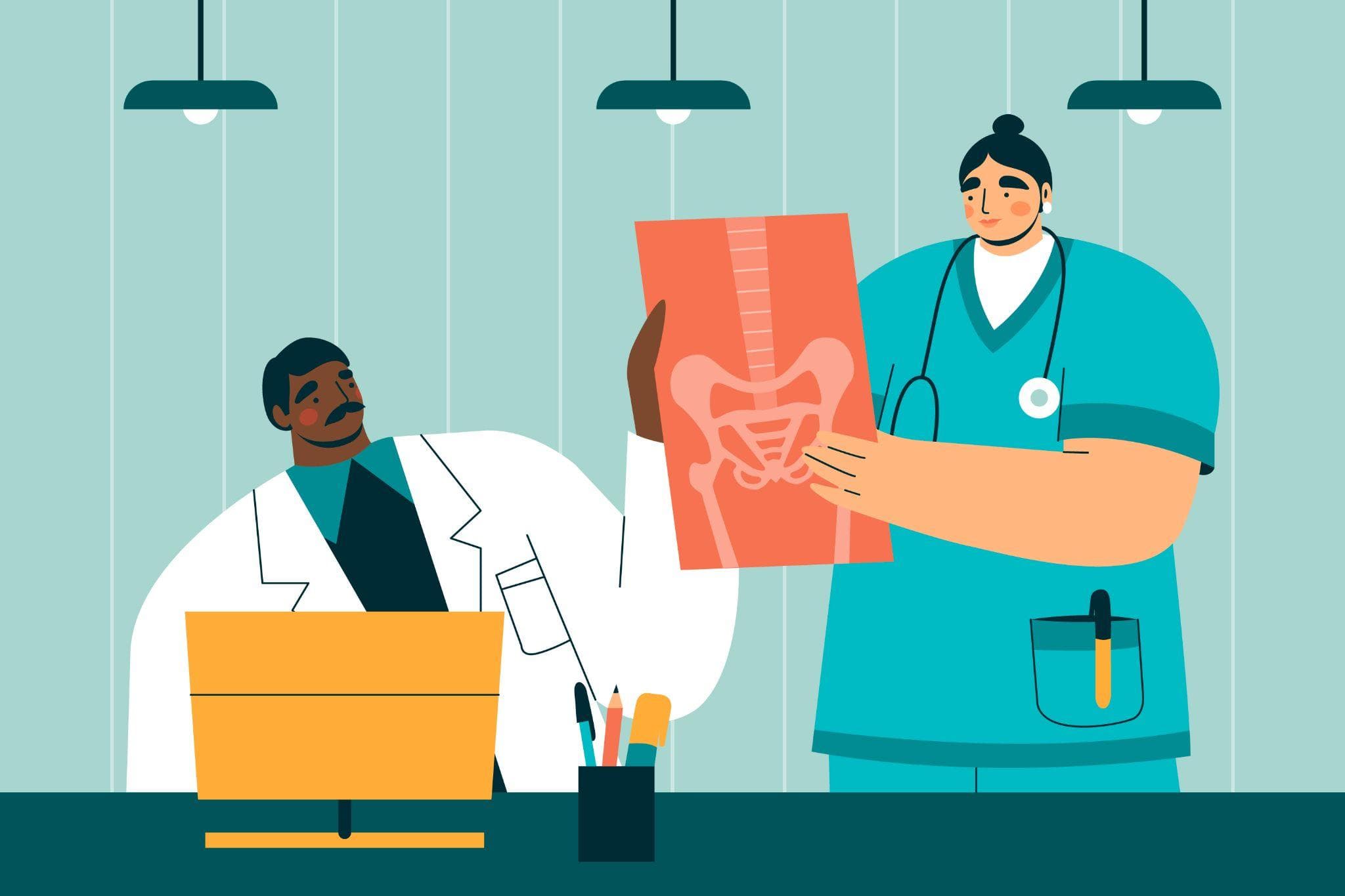
X-ray style illustration highlighting pain and damage in the hip joint.
The phone call every family dreads. Your mother fell in the kitchen. Your father stumbled on the stairs. The X-ray at the local hospital confirms what the emergency doctor suspected: a hip fracture. What happens next, how quickly decisions are made, whether surgery is sought promptly, how the post-operative rehabilitation is managed, will significantly affect whether this elderly person walks again, lives independently again, or survives the year at all.
Hip fractures in the elderly are not just a broken bone. They are a major medical event that carries a 20–30% mortality rate in the first year in patients who are not managed appropriately. Understanding why this is the case and what can be done is genuinely important for families in Noida and Greater Noida whose elderly relatives fall into this situation.
How Common Are Hip Fractures In India?
Hip fractures are increasing in India. Estimates suggest that over 400,000 hip fractures occur annually in elderly Indians, a number that will continue rising as the population ages. The combination of factors driving this includes:
- Widespread osteoporosis - Driven by Vitamin D deficiency, poor calcium intake, sedentary lifestyles, and the lack of systematic osteoporosis screening and treatment.
- The prevalence of falls in Indian homes, the architecture (raised thresholds, wet bathroom floors, uneven surfaces), creates significant fall hazards for elderly individuals with balance and mobility limitations.
- The near-universal use of Indian-style squat toilets into very old age is a high-risk position for falls.
- Low awareness among families about osteoporosis prevention and fall prevention measures.
Most hip fractures occur from low-energy falls, a stumble, a misstep on stairs, or a slip on a wet floor. In a healthy bone, such a fall would produce at most a bruise. In severely osteoporotic bone, the same fall fractures the hip.
Types Of Hip Fractures
Hip fractures occur in two main anatomical zones, each with different treatment implications:
1. Femoral Neck Fractures (Intracapsular Fractures)
The femoral neck is the section of the femur that connects the femoral head (the ball of the hip joint) to the shaft of the thigh bone. It sits within the joint capsule, hence "intracapsular." The femoral neck has a precarious blood supply; the vessels that nourish the femoral head run along the neck and are often disrupted when the neck fractures. This is why displaced femoral neck fractures have a high risk of avascular necrosis (bone death from disrupted blood supply) if treated by internal fixation alone.
Treatment:
- Undisplaced: Cannulated screw fixation, three screws hold the fracture in place while preserving the patient's own femoral head.
- Displaced in patients over 70: Hemiarthroplasty, the damaged femoral head is replaced with a metal prosthesis. Avoids the risk of avascular necrosis and allows immediate full weight-bearing.
- Displaced in younger, more active patients: Either internal fixation (accepting AVN risk) or total hip replacement in selected cases.
2. Intertrochanteric Fractures (Extracapsular Fractures)
The fracture occurs at the intertrochanteric region, the area just below the neck, at the junction of the shaft, outside the joint capsule. Blood supply to the bone is generally better preserved here, so the risk of AVN is lower.
Treatment: Intramedullary nailing, a Dynamic Hip Screw (DHS), or a proximal femoral nail (PFNA/Gamma Nail) anchors the fracture from the inside. These devices allow the fracture to compress as the patient bears weight, with a controlled settling that actually promotes healing.
Why Hip Fractures Are So Dangerous In The Elderly
This is the part that families often don't fully appreciate until it's too late. A hip fracture in an elderly person is not just painful. It creates a cascading series of complications that, if not prevented by early mobilisation, are frequently fatal. The mechanism of harm: When an elderly patient with a hip fracture is confined to bed, unable to bear weight, in pain, dependent for all care, the following begin happening simultaneously:
Deep Vein Thrombosis (DVT) and Pulmonary Embolism (PE): Immobility causes blood to pool in the leg veins, forming clots. These clots can travel to the lungs pulmonary embolism, which can be suddenly fatal. DVT/PE is one of the leading causes of death in hip fracture patients managed without surgery.
Pneumonia and Respiratory Complications: Lying flat impairs breathing mechanics. In elderly patients with already reduced respiratory reserve, this leads to hypostatic pneumonia, a serious infection that carries significant mortality.
Pressure Sores (Bedsores): Immobility on a mattress causes skin breakdown over pressure points, sacrum, heels, and hips. In elderly patients with poor skin and nutritional status, these can become deep, infected wounds that dramatically worsen prognosis.
Urinary Tract Infections: Urinary catheters (often needed for immobile patients) and reduced fluid intake lead to UTIs, which in the elderly can progress to sepsis.
Deconditioning: Each day of bed rest causes measurable muscle loss. In an already frail elderly patient, a week of bed rest may remove the last reserves of strength needed to ever walk again.
Delirium: Pain, dehydration, unfamiliar environments, disrupted sleep, and multiple medications trigger acute confusion in a significant proportion of elderly hip fracture patients. Delirium is associated with longer hospital stays, higher mortality, and cognitive decline.
The result: Patients who are managed without early surgery, either waiting for it or being denied it on the grounds of "too old" or "too frail," face all of these complications simultaneously. The data is clear: delaying hip fracture surgery beyond 48 hours significantly increases mortality and complication rates.
Why "Too Old For Surgery" Is Usually Wrong
This is the most damaging misconception families bring to orthopedic consultations. Families and sometimes referring doctors assume that elderly patients over 75 or 80 are "too old" or "too risky" for surgery. The evidence says the opposite.
Surgery does not add risk for hip fracture patients; it removes risk. The risks associated with non-operative management of a hip fracture (DVT, PE, pneumonia, pressure sores, deconditioning, delirium) are dramatically higher than the risks of appropriately performed hip fracture surgery in a medically prepared elderly patient.
The key is medical optimisation, not avoidance of surgery. Before surgery, the team addresses:
- Correcting anaemia (low haemoglobin)
- Optimising blood sugar in diabetics
- Stabilising heart conditions
- Correcting electrolyte imbalances and dehydration
With these addressed, surgery in an 80- or even 90-year-old patient is routine and safe at experienced centres. The goal is to operate within 24–48 hours of fracture, wherever possible. Patients who have absolute contraindications to anaesthesia, such as severely decompensated heart failure, acute MI, and very poor respiratory reserve, represent genuine exceptions. But the bar is high, and "old" is not itself a contraindication.
The Surgery - What Actually Happens

Surgeons conducting a hip joint surgery for advanced hip pain or joint damage treatment.
The operation is typically performed under spinal anaesthesia; the patient is awake but feels nothing below the waist, which avoids general anaesthetic risk and allows faster recovery. For hemiarthroplasty (partial hip replacement, most common for displaced femoral neck fractures in the elderly):
- Incision to the hip (lateral or posterior approach)
- Femoral head removed
- Femoral canal prepared
- Metal prosthesis inserted, either cemented (preferred in osteoporotic bone) or press-fit
- Joint reduced and wound closed
Duration: 60–90 minutes.
For intertrochanteric fracture nailing:
- Small incision at the hip
- Guide wire placed under X-ray guidance
- Nail inserted into the femoral canal
- Locking screws are placed
- Wound closed
Duration: 45–90 minutes.
Both procedures allow immediate full weight-bearing with a frame the next morning.
Recovery After Hip Fracture Surgery In Elderly Patients
Day 1 after surgery: Physiotherapist comes to the bedside. Patient sits at the edge of the bed, stands with support, and takes first steps with a frame. This is not optional; it is the most important intervention of the entire management.
Days 2–4 (hospital): Increasing walking distances with the frame. Stairs practice is relevant to the home situation. Discharge planning.
Hospital stay: Typically 4–7 days, depending on medical stability and home support.
At home (weeks 1–6): Walking with a frame, gradually transitioning to a stick. Physiotherapy continues, either at home or outpatient. Independence with basic activities (toilet, getting dressed) is the goal.
6 weeks: Most patients can walk with a stick. Many are living semi-independently with some assistance.
3–6 months: For patients who were mobile before the fracture, most regain a similar level of function, though some permanent reduction in walking ability is common. Pre-fracture function is the best predictor of post-fracture recovery.
The Orthogeriatric Approach - Best Practice
The most important advance in hip fracture care in recent years is the "orthogeriatric model," where orthopedic surgery and geriatric medicine work together on hip fracture patients from the moment of admission. This approach ensures:
- Rapid medical optimisation for early surgery
- Prevention of delirium (familiar objects, preserved sleep cycles, pain management)
- Geriatrician involvement in post-operative medical management
- Coordinated discharge planning
- Early identification and treatment of osteoporosis (to reduce fracture risk to the other hip and the spine)
At Prakash Hospital, Noida, Dr. Mayank Chauhan's approach to elderly hip fracture patients includes coordinated involvement of the medical team, ensuring the patient is medically optimised for early surgery and that post-operative care addresses the whole patient, not just the fractured hip.
Prevention - Protecting The Other Hip
After a hip fracture, the risk of fracturing the other hip within 3–5 years is 5–10%. This is the right time to:
Investigate and treat osteoporosis: A DEXA scan confirms bone density. Bisphosphonate treatment (alendronate, zoledronic acid) significantly reduces subsequent fracture risk. This conversation should happen at every hip fracture follow-up.
Vitamin D and calcium supplementation: Deficiency is near-universal in elderly Indians. Supplementation is simple and effective.
Fall prevention:
- Home assessment: remove loose rugs, install grab rails in the bathroom, ensure adequate lighting
- Footwear with non-slip soles
- Review medications that cause dizziness or low blood pressure
- Balance and strength physiotherapy
Hip Fracture Management In Noida - Dr. Mayank Chauhan At Prakash Hospital
Dr. Mayank Chauhan, Senior Orthopedic Surgeon at Prakash Hospital, Sector 33, Noida, manages hip fractures in elderly patients as a priority, understanding both the urgency of early surgical intervention and the complexity of managing frail elderly patients through the perioperative period.
For families in Noida and Greater Noida whose elderly relatives have sustained a hip fracture, prompt contact with the orthopaedic team at Prakash Hospital allows rapid assessment and surgical planning. To contact the orthopaedic team for urgent evaluation, call the number listed on the website.
The Bottom Line
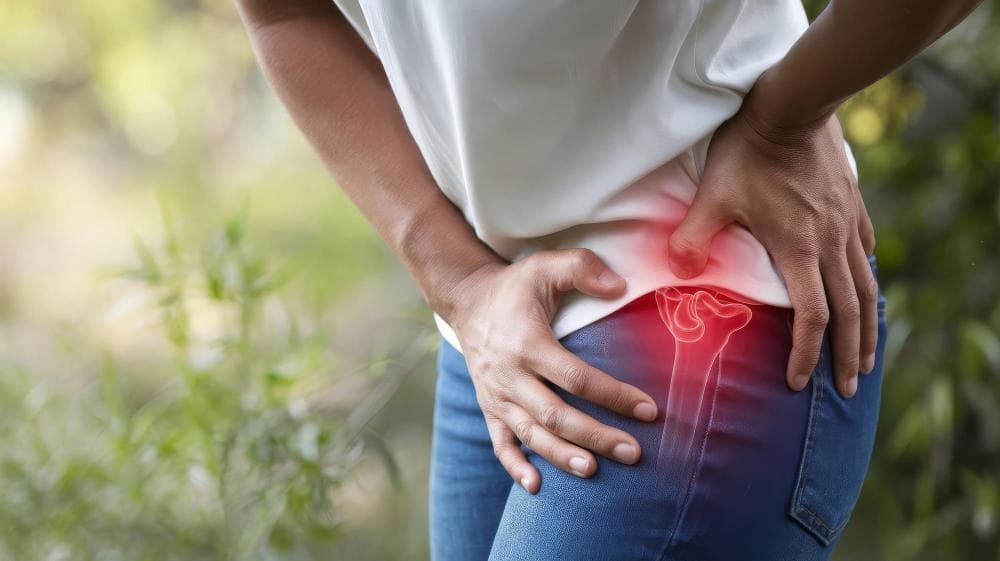
A close-up of a person grasping their hip with both hands, with the hip area indicated by a highlighted red region showing the location of pain or discomfort in the hip.
A hip fracture in an elderly person is a medical emergency, not because the fracture itself is surgically complex, but because the consequences of delay are severe and the window for preventing them is short. Early surgery (within 24–48 hours), immediate post-operative mobilisation, and comprehensive geriatric support are the three pillars that determine whether this injury becomes a turning point toward recovery or a cascade toward decline.
Don't let age become a barrier to appropriate surgical care. In the hands of an experienced surgeon with proper anaesthetic support, hip fracture surgery is safe in elderly patients, and it is far safer than the alternative. To consult Dr. Mayank Chauhan, Senior Orthopedic Surgeon in Noida, call the number listed on the website.