MCL And LCL Injuries: Symptoms And Recovery
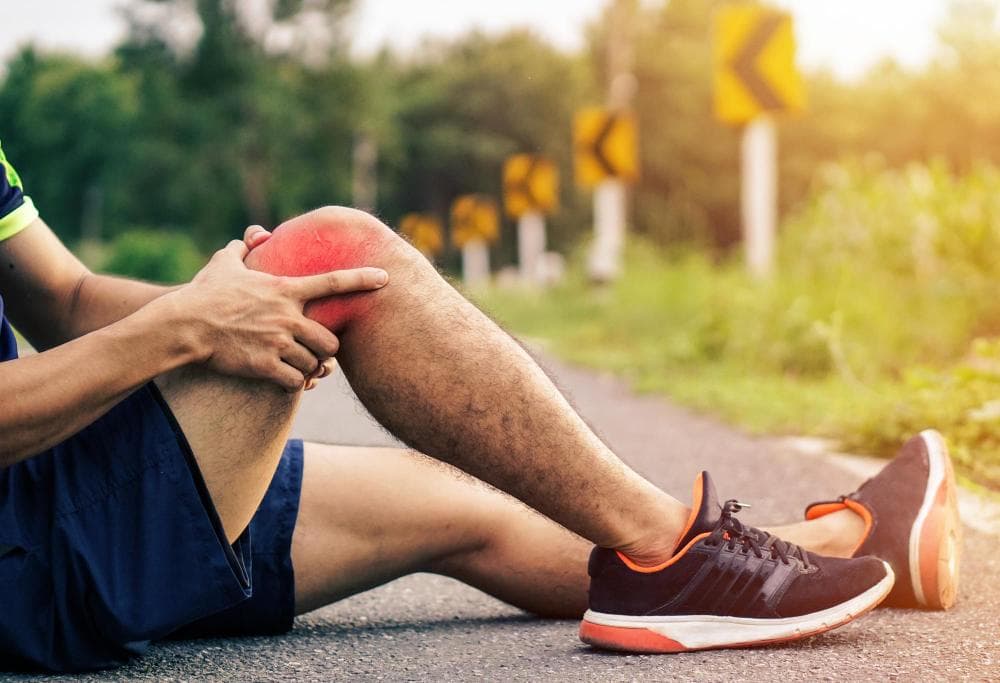
Man holding a painful knee outdoors.
Knee injuries are unfortunately very common, especially within the active or sporting community. Within knee injuries, MCL and LCL tears can greatly impact the overall stability of the knee. These two ligaments help to hold the knee in place, and damage to them makes many everyday tasks difficult.
MCL and LCL tears are commonly caused by twists to the knee or direct blows, along with sustained pressure on the knee. Recovery depends greatly on the injury, with some simple strains healing on their own over time while other tears require medical rehabilitation or surgery.
It is incredibly important to recognize these injuries when they occur and receive adequate treatment so that you can recover and maintain knee function throughout everyday activities. This guide will investigate how these injuries occur, how they are identified, and how recovery should be managed.
What Are MCL And LCL Injuries?
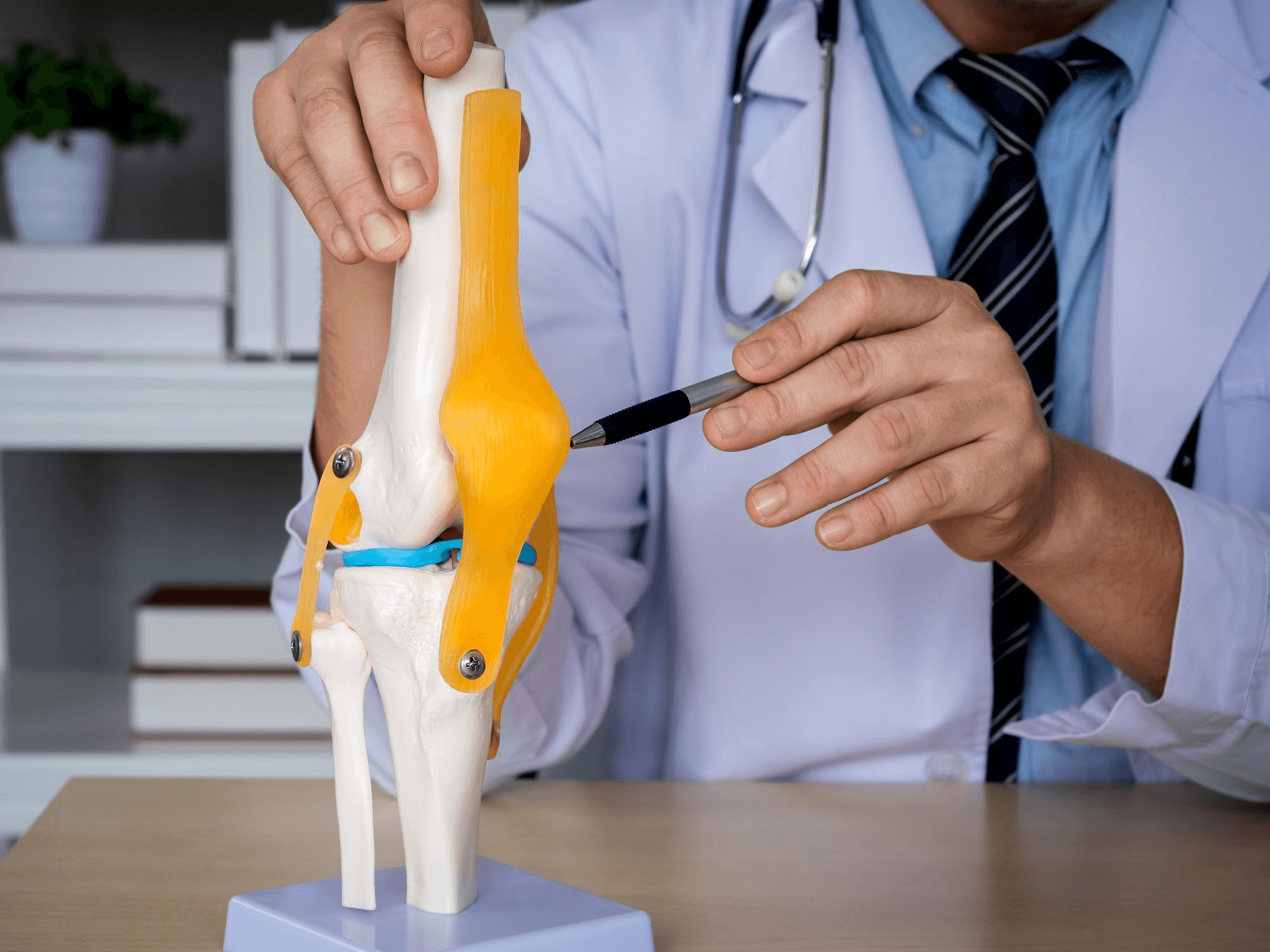
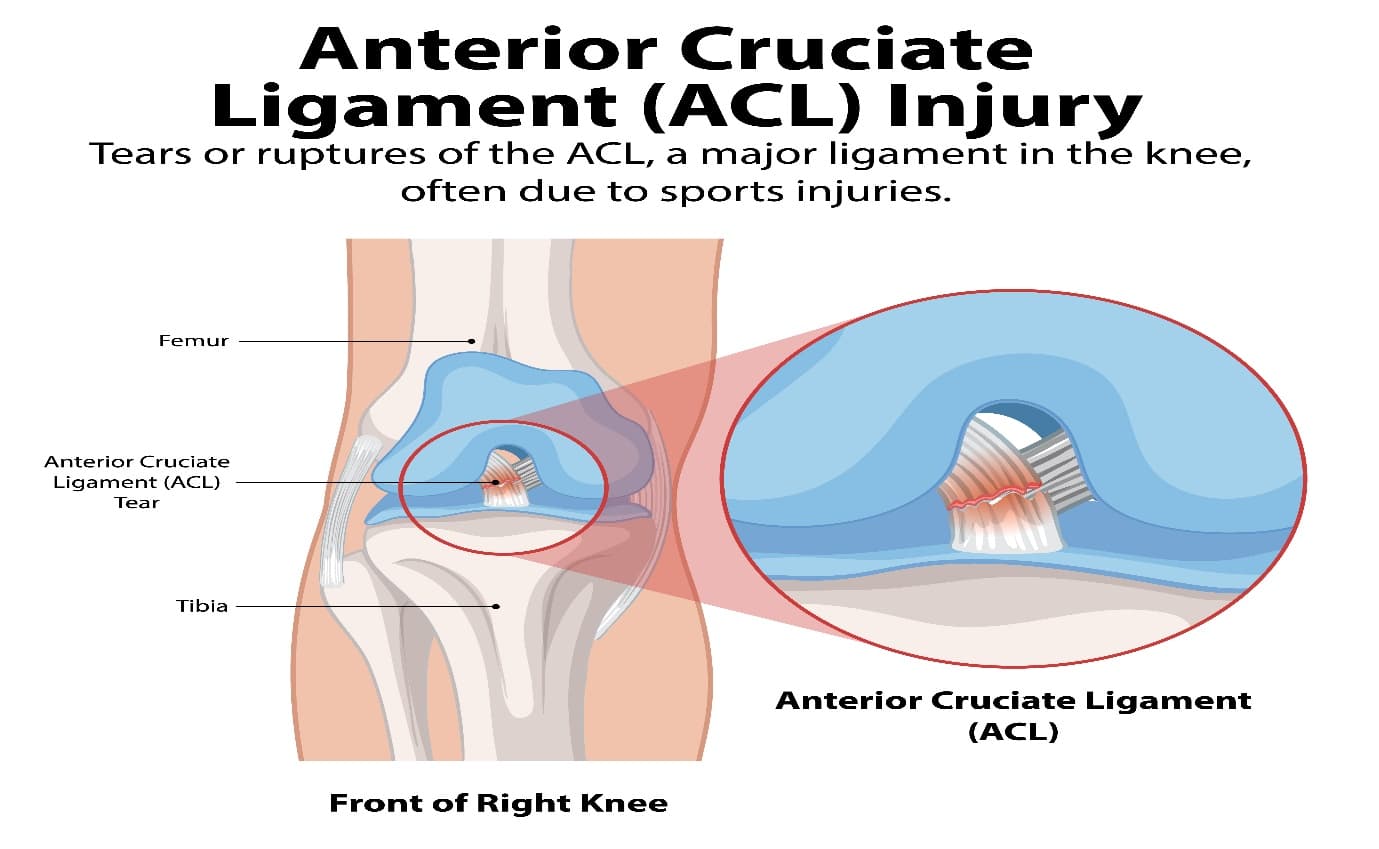
The MCL and LCL are ligaments at the sides of the knee joint:
- MCL (Medial Collateral Ligament) - This ligament is on the inside of the knee, and stops the knee from buckling inwards.
- LCL (Lateral Collateral Ligament) - This ligament is on the outside of the knee, and stops the knee from buckling outwards.
An injury occurs when the ligaments are either stretched or torn because too much force is put through them. These kinds of injuries are seen in a wide range of sports involving rapid changes in direction, jumping, and direct contact.
Causes Of MCL And LCL Injuries
Ligament injuries, such as MCL or LCL sprains, commonly arise due to trauma involving a blow to the knee or an awkward twist or excessive force on the knee. Generally, MCL and LCL injuries result from sports injuries; however, they may occur from movements occurring in the course of everyday activity.
1. Blow To The Knee
A significant blow to the knee may be responsible for an MCL or LCL injury. One common mechanism is when a direct hit to the outside portion of the knee will drive it toward the inside and damage the MCL. Conversely, if a person is hit directly on the inside portion of the knee, this may injure the LCL. Blows to the knee typically occur during contact sports or as a result of a fall or motor vehicle accident. For a blow to injure the knee, it must exceed the elastic limit of the ligaments that surround the knee.
2. Twisting & Pivoting Movement Of The Knee
If an individual's knee is twisted suddenly or with enough force, the MCL or LCL could be injured. Most often, this type of knee injury happens when the feet are planted on the ground, but the body attempts to rotate. Many types of knee injuries often happen in sports where sudden lateral movements and twists are involved, such as football, tennis, and basketball.
3. Hyperextension Of The Knee
When the knee is bent beyond its normal limit (hyperextended), ligaments of the knee may be injured. This usually happens when high-velocity movements, such as jumping or running, have occurred. Landing awkwardly during such activities will overextend the knee; this is similar to what happens when there is a sudden stop, which would hyperextend the knee, forcing it beyond its normal position.
4. Sports Injuries
For athletes, it is extremely likely for the ligaments in the knee to be injured because of the repetitive stress placed on the knee during high-intensity sports activities, where there is a great amount of movement. Sports such as football, soccer, basketball, and others that have quick stops and turns are sport which place stress on the ligaments in the knee.
Athletes may often not be in the habit of properly warming up or cooling down, which may cause the muscles supporting the ligaments in the knee not to be worked properly, placing additional stress on them.
5. Muscle Weakness Or Imbalance
Muscle weakness and imbalance have been strongly linked to a significantly higher rate of MCL and LCL injuries. When the quadriceps and hamstrings are not working in coordination with each other or are weak, they are unable to support the knee, ligaments in the knee therefore absorb excessive stress.
6. Movement Pattern Or Posture Issues
Incorrect posture and improper technique while exercising or during a sports activity can gradually overload the knee ligaments. Over time, this excessive overload placed on the MCL and LCL will predispose the knee to further injuries, such as MCL and LCL sprains.
Symptoms Of MCL And LCL Injuries
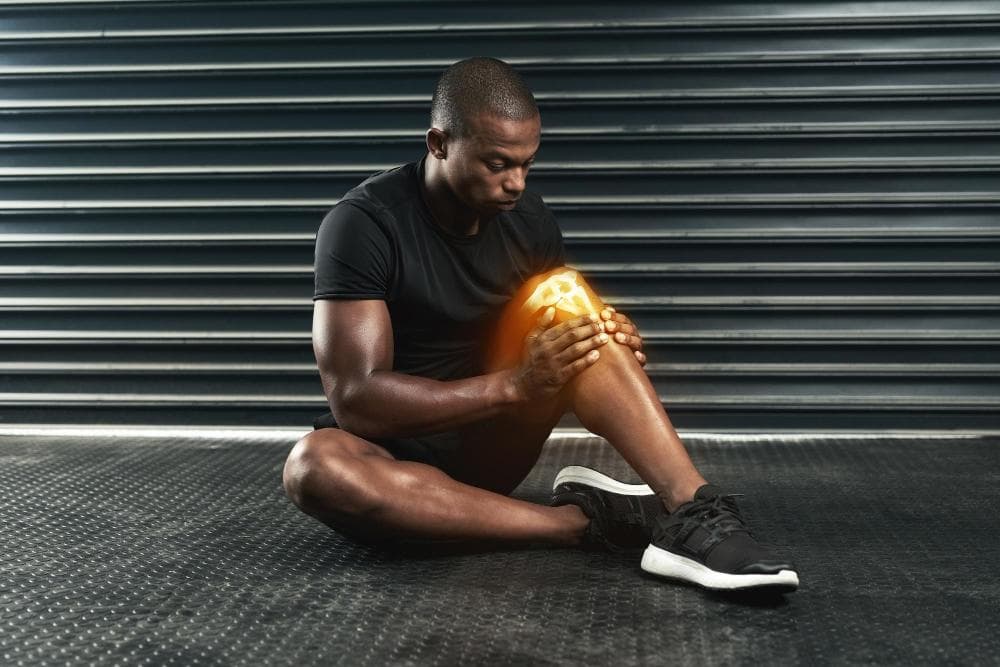
An athlete clutching an injured knee in the gym.
Depending on the level of the injury, the following symptoms are possible.
- In the case of an MCL injury, there will be pain on the inner side of the knee, whereas LCL injuries typically manifest as pain on the outer side.
- The area of the knee around the injury site will often swell and be tender to the touch; this typically occurs within a couple of hours of the injury.
- An individual may feel their knee "wants to give way" while standing and/or walking.
- It will be hard for the person to straighten or bend the knee to the same degree as usual.
- Simple tasks like standing up, bending the knee, and walking will often hurt.
Grades Of Ligament Injuries
The severity of MCL and LCL injuries is described as:
- Grade 1 - Stretching the ligament without tearing it significantly; there should be no instability. There will be pain and some swelling.
- Grade 2 - Partial tear of the ligament; there will be significant pain and swelling, and there will be some laxity or instability in the knee.
- Grade 3 - Complete tear of the ligament; this will be characterized by an unstable and painful knee.
Diagnosis Of MCL And LCL Injuries
A thorough diagnosis ensures correct treatment.
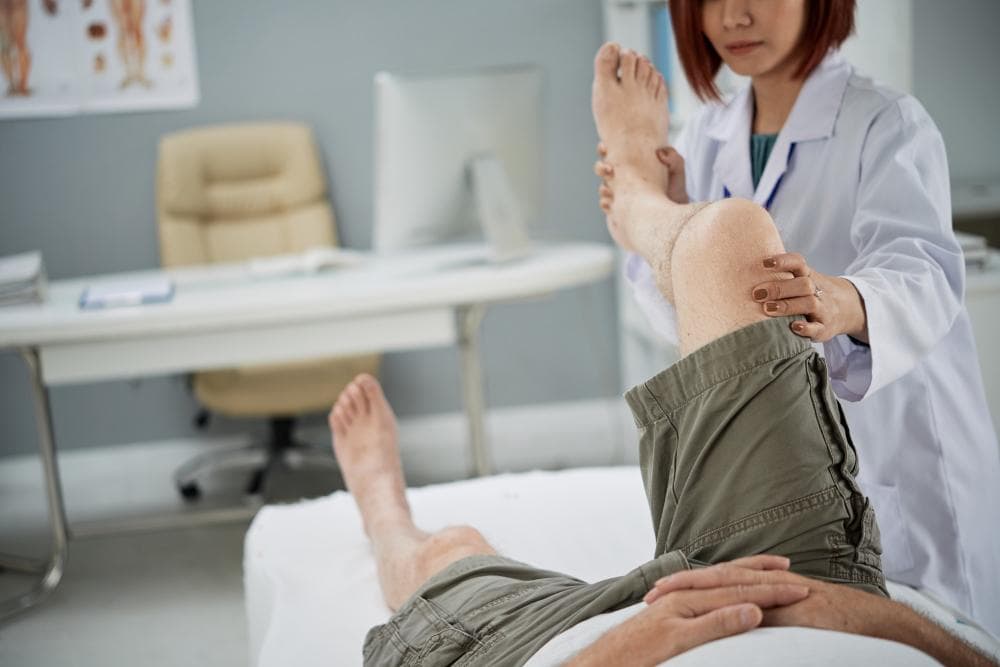
Physical Examination - The physician examines knee stability, swelling, range of motion, etc.
Imaging tests:
- X-rays to rule out a fracture
- MRI to evaluate damage to ligaments
For accurate diagnosis and advice, Dr. Mayank Chauhan at Noida is a suitable orthopaedic surgeon.
Treatment And Recovery
How well the injured MCL/LCL will recover depends on the grade of injury. Whereas a grade I tear may heal with some rest and a good rehab program, more severe grade II or grade III tears may require advanced techniques to restore knee stability.
1. Rest & Activity Modification
The initial and most critical step in the healing of an MCL/LCL is rest. It is advisable to avoid any activities such as running, jumping, or even walking, which might stress the injured ligament. Minimal mobility or even the use of crutches might be suggested initially.
2. Ice & Compression
For the first 48 hours after the injury cold is applied to the injured knee to aid in reducing swelling. Applying compression helps to reduce swelling of the knee and support it, making it a bit easier to walk.
3. Physiotherapy
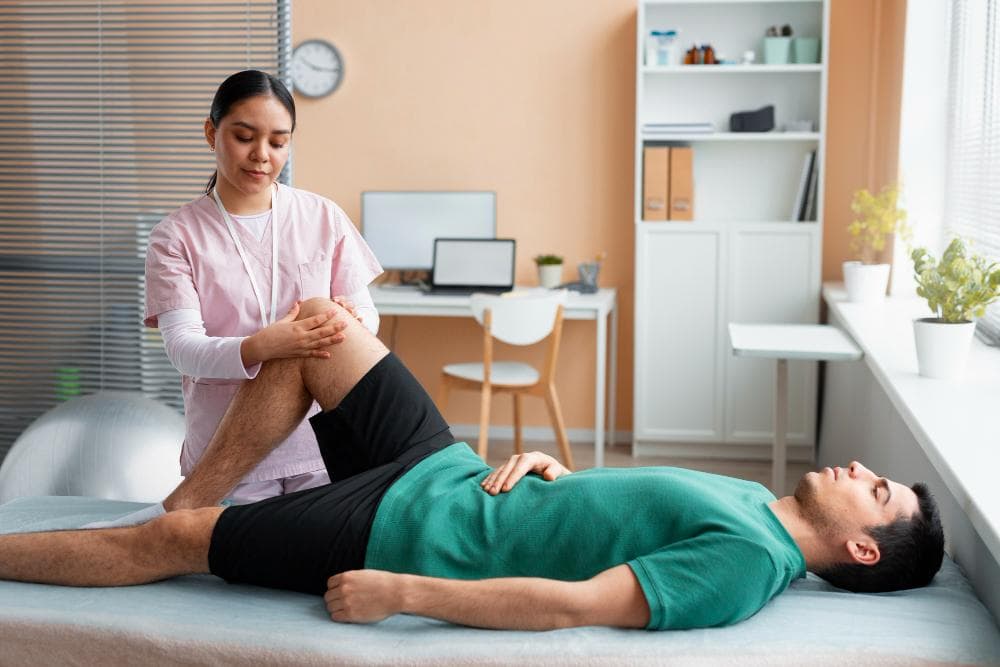
Physiotherapy aims at restoring knee strength and mobility in an MCL or LCL tear. Physiotherapy is individualized and works on improving the range of motion for the knee by gradually moving the knee and strengthening the ligament. Ligaments may become stiff or weak after a tear.
4. Bracing
Knee braces can sometimes be used to help provide stability during the healing of MCL or LCL tears. The purpose of braces is to help restrict movement that could stress the ligaments.
5. Medication
Pain and inflammation can be treated with medication. Pain relief can also make it possible to perform physical therapy with less discomfort.
6. Surgery (If Needed)
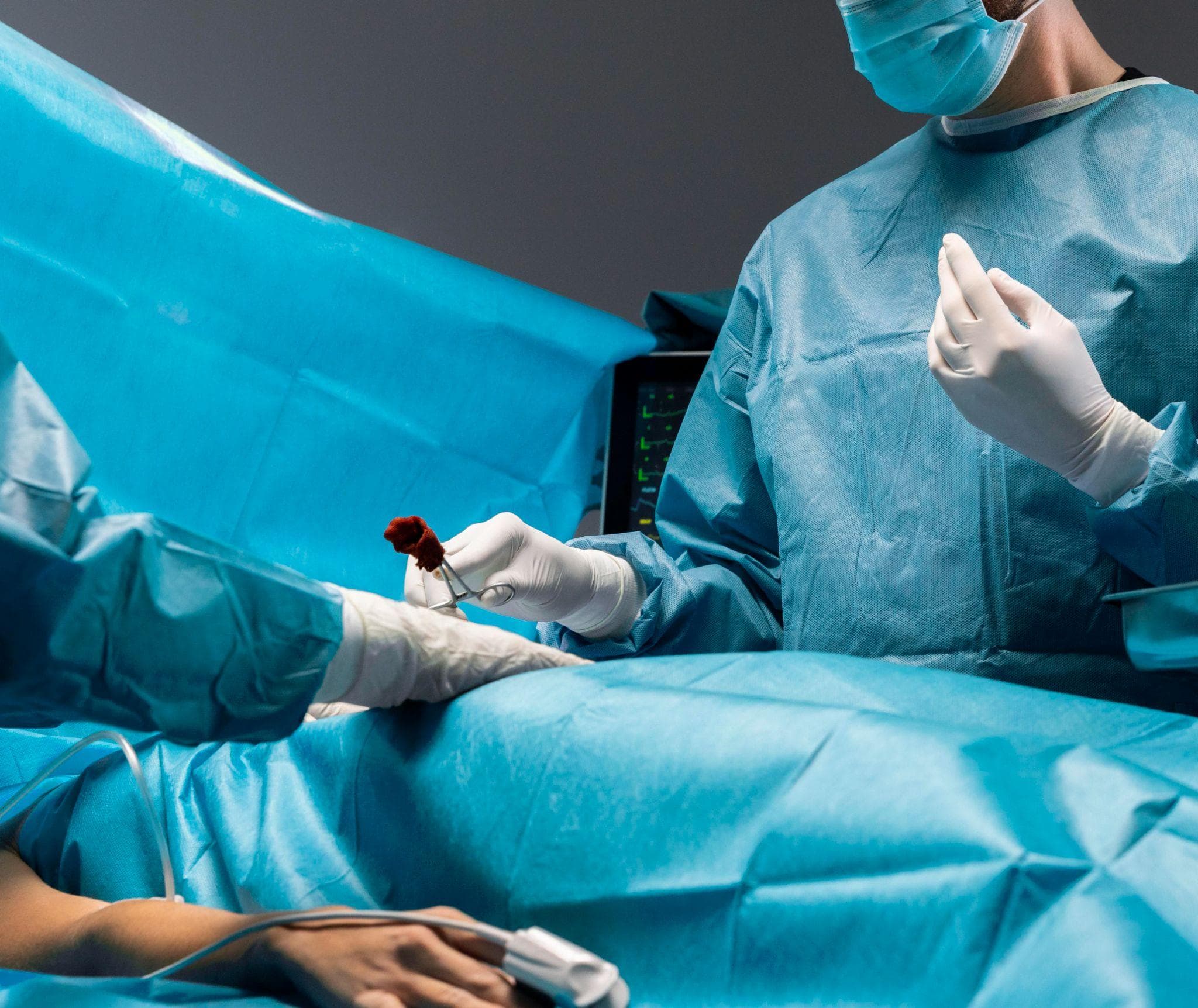
More severe ruptures, where the knee remains unstable or if there is a grade II or grade III tear that doesn't get better with conventional therapy, may sometimes require surgery. Reconstruction/repair of the ligament, followed by an intense therapy program, may be implemented.
With the correct therapeutic regime and patient compliance, a firm and well-healed MCL or LCL tear can be obtained, and the patient can resume their previous lifestyle at an earlier pace.
Recovery Time For MCL And LCL Injuries
The amount of time you need for recovery will vary with severity:
- Mild Injury: 2-4 Weeks
- Moderate Injury: 4-8 Weeks
- Severe Injury: 8-12 Weeks, possibly longer with surgery
A proper rehabilitation plan is important so there is no further injury.
Tips For Faster Recovery
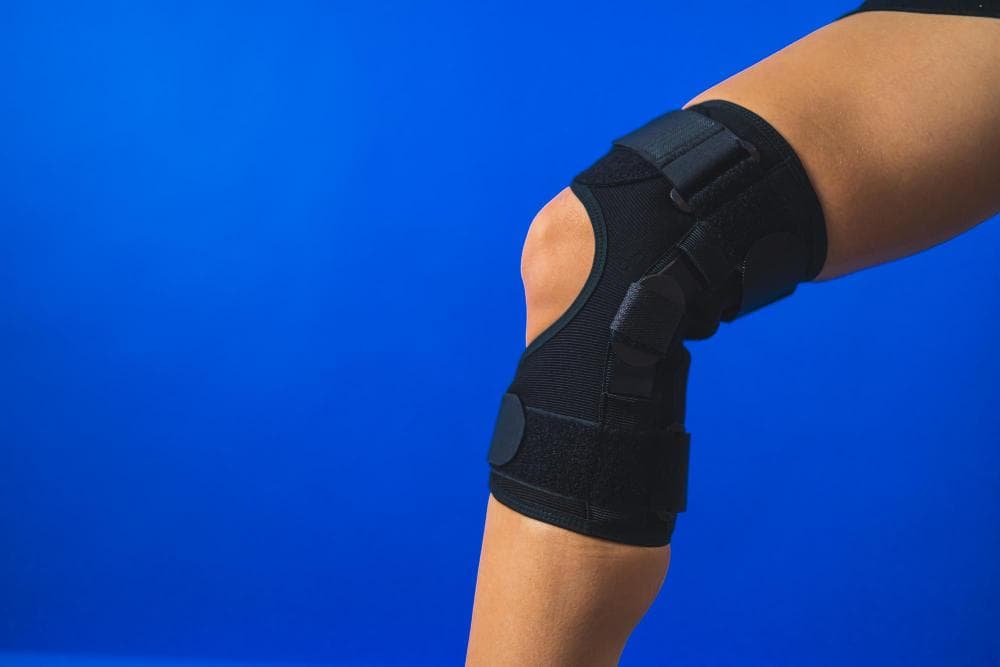
A man wearing a knee brace.
- Stick with your planned rehabilitation program as you will increase muscle strength and range of motion.
- Reduce activity temporarily; premature return to full activity will re-injure the knee.
- Continue postural control and avoid faulty movements at the knee.
- Wear a supportive device, such as a knee brace, which may help support the knee during recovery.
When To Consult An Orthopedic Doctor
The signs below may be reason enough to visit an orthopedic physician.
- Pain and swelling don't improve after 3-4 days.
- You have difficulty walking or standing, or you may require crutches or a cane.
- A feeling that the knee is going to buckle or give out from under you.
- Inability to fully straighten or bend your knee.
Final Thoughts
While the symptoms of an MCL or LCL injury might not be extreme initially, ignoring them may lead to long-term instability and pain. Seeking medical attention, obtaining proper treatment and guidance regarding exercises for recovery, is important for complete healing.
For excellent medical and specialized treatment, consult Dr. Mayank Chauhan at Noida. With an emphasis on a proper diagnosis, followed by a customized and comprehensive treatment plan, your goal is to regain the stability of your knee, manage the pain, and return to an active lifestyle.
Frequently Asked Questions (FAQs)
1. What are the most typical signs and symptoms of injury to the MCL and LCL?
Swelling, pain in the inside or outside of the knee, stiffness, and a feeling of instability are the most typical signs.
2. How long will an MCL or LCL injury take to heal?
Depending on the extent of the damage to the ligament, healing will take anywhere from two weeks to three months.
3. Do MCL and LCL injuries heal without surgery?
The majority of moderate to mild injuries to ligaments can be treated by resting the leg and undergoing physiotherapy. Without surgery, many of these injuries heal properly.
4. When should you see a doctor for a knee ligament injury?
A doctor should be visited when pain, swelling, and stiffness are severe, and it is hard to walk. A feeling of the knee feeling unstable is a symptom.