Baker’s Cyst Symptoms: When Should You Worry?
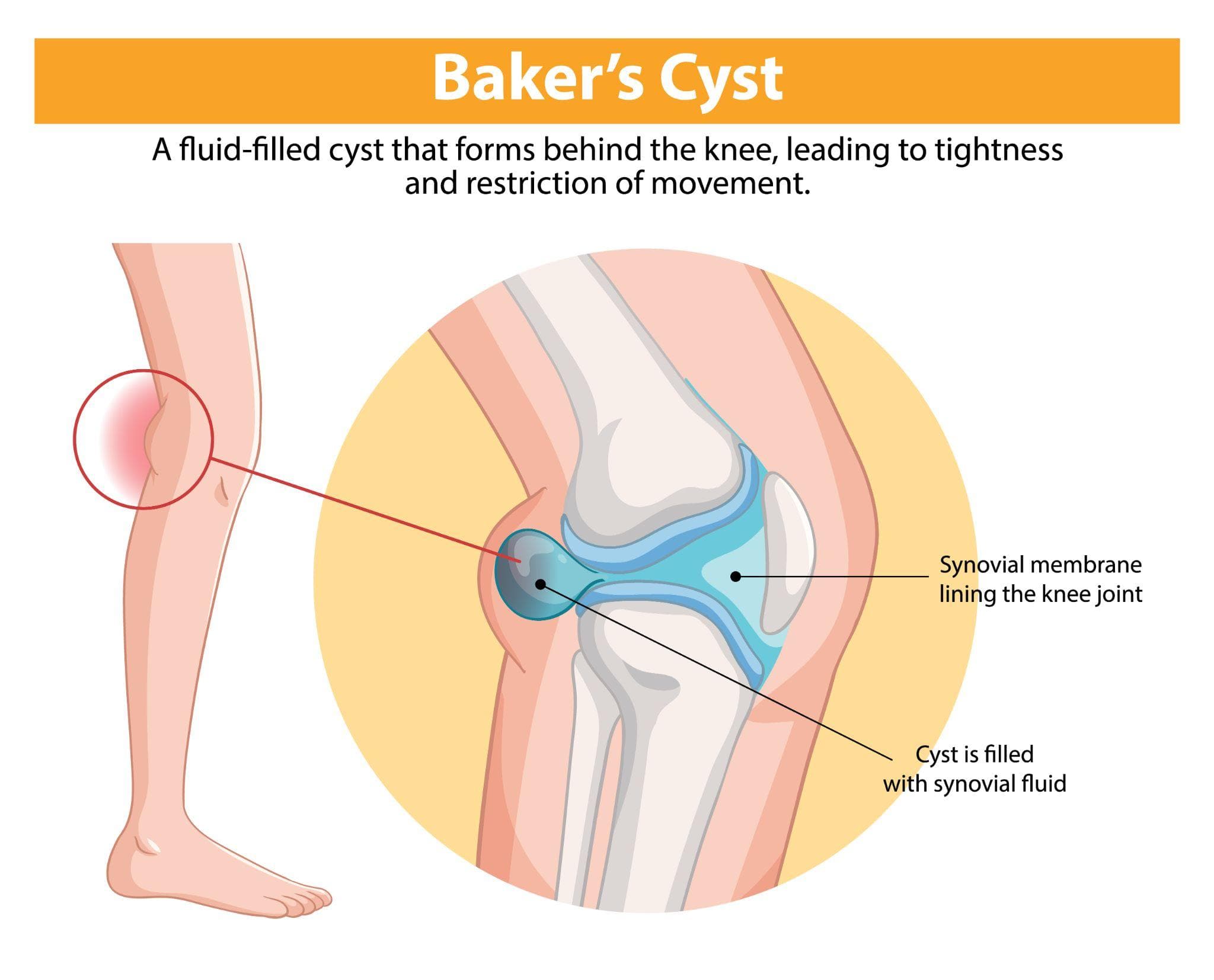
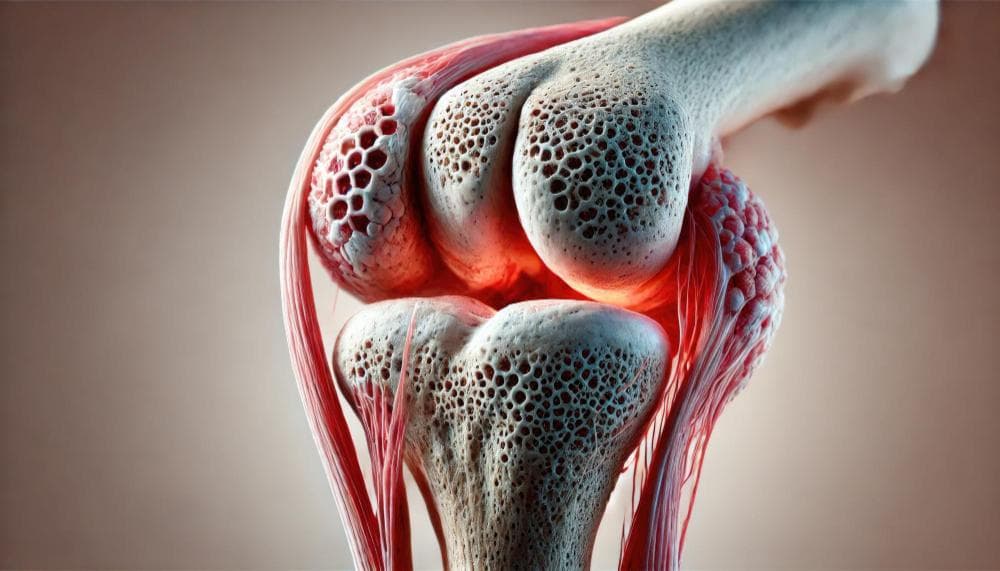
Illustration of Baker’s cyst behind the knee.
There is nothing unusual for many to experience what feels like some odd swelling behind the knee, which could merely seem like stiffening or a mild muscle pull; it could, however, be an indicator of a Baker's cyst, which is a swelling of fluid filled behind the knee joint, although it is rarely serious, continued ignorance of it could result in some unwanted conditions.
A Baker's cyst generally occurs because too much fluid builds up within the knee and pushes through the thin membrane lining behind the knee, which is known to be closely related to injuries within the joint, such as cartilage damage or even arthritis. Symptoms may not necessarily arise for the individual with it, but for others, the area behind the knee can become increasingly painful and movement stiff.
You must understand the symptoms and be aware of any concerns you may need to address. In this guide, we shall consider how a Baker's cyst feels and which signals indicate that you must consult an orthopaedic specialist.
What Is A Baker's Cyst?
A baker's cyst, also known as a popliteal cyst, is a swelling as a result of a buildup of synovial fluid behind the knee joint. This fluid helps to lubricate the joint, and excessive quantities could accumulate and form a lump. This is often caused by:
- Arthritis of the knee
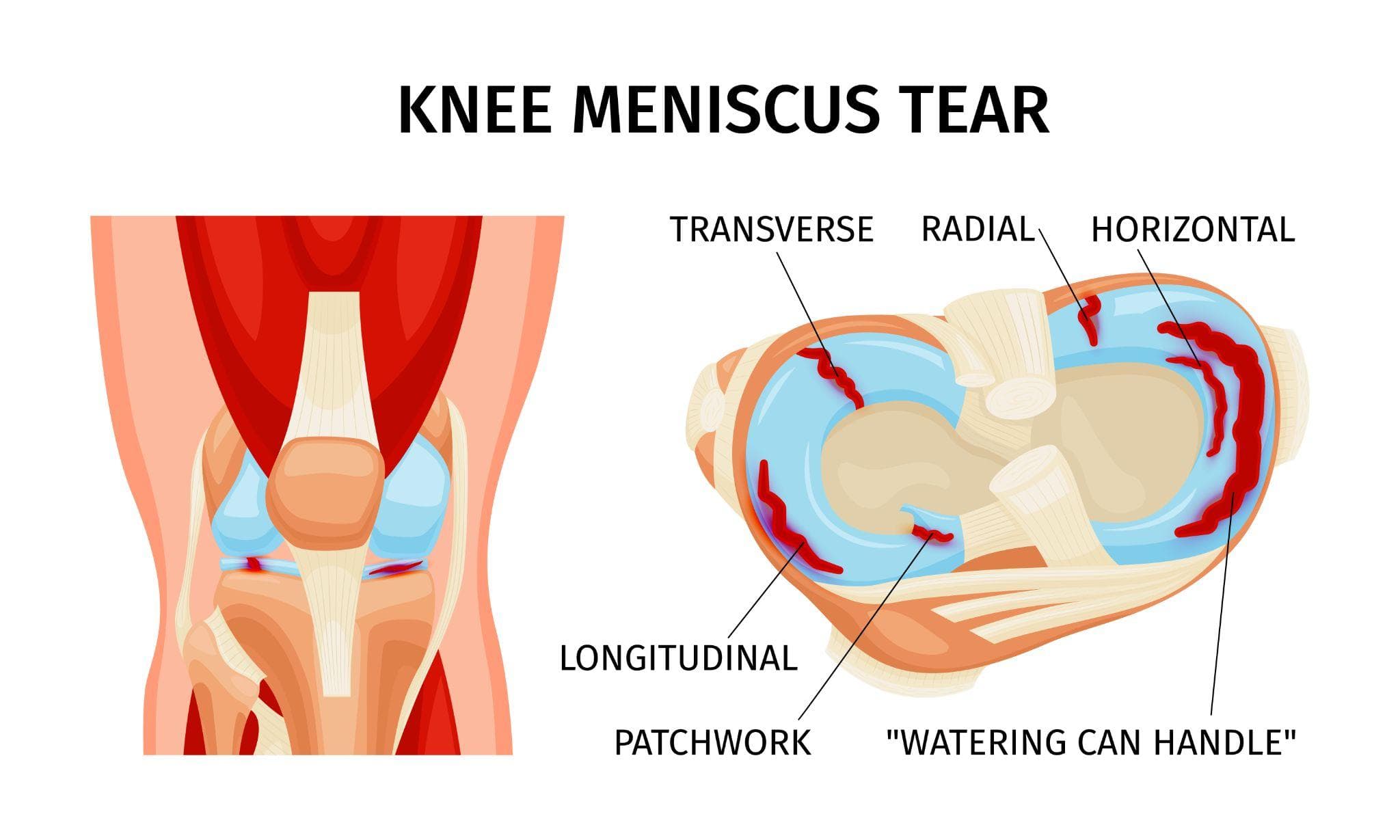
- Tear of the meniscus
- Knee injury or inflammation
Essentially, it is not a problem in itself but rather a symptom of a problem in the knee.
Common Symptoms Of A Baker’s Cyst
The way symptoms develop will vary greatly from one individual to the next. A Baker's cyst can be completely unnoticeable, and in other cases, it is extremely painful and debilitating, and interferes with everyday activities. However, the more swelling, the greater the severity.
1. Swelling Behind The Knee
This will be the initial or most obvious symptom; the patient will notice a soft, fluid-filled bulge at the back of the knee. This will be more visible when the knee is extended, and the knee will feel less prominent when it is bent. In some people, the size of the cyst will fluctuate. After activity, it may seem much more prominent, and during periods of rest, the cyst will reduce in size. With larger cysts, a noticeable bulge may be felt at the back of the knee, which may feel taut.
2. Knee Pain And Discomfort
Pain associated with a Baker's cyst usually has a slow development over a period of time; it is normally a dull pain that is exacerbated by activity. Pain will usually be felt after activities such as standing for long periods of time, walking, or going up stairs, and is often attributed to pressure exerted by the cyst on surrounding tissues. If the underlying cause is arthritis or a torn meniscus, the pain felt will be deeper in the knee joint itself.
3. Stiffness And Restricted Movement
With the increased growth of a Baker's cyst, there will be more limitations in the movement of the knee. Usually, stiffness will be felt when the joint has been stationary for a long period or after being inactive, such as waking up in the morning or after sitting. Fully straightening the leg or performing a squat will be difficult and is caused by the mechanical blockage and the physical pressure.
4. Tightness At The Back Of The Knee
A consistent tight feeling behind the knee is extremely common and will feel as though it is pulling at the back. This often worsens with movement after periods of inactivity or after strenuous exercise. This may be felt even when the person is not active.
5. Pain Down The Leg
Occasionally, fluid will travel further down into the calf muscles. This will then cause pain that can radiate down the leg from behind the knee and can feel very similar to a muscular strain. If the Baker's cyst ruptures or leaks, the pain can be sudden and intense, accompanied by increased swelling of the calf.
These symptoms can often come and go, but persistent or developing symptoms must be investigated, particularly if the restriction of movement and pain are noticeable.
When Should You Worry?
Most Baker's cysts are nothing to be concerned about, but the following symptoms should be treated as warning signs:
- An increase in the size of the swelling is a warning sign of developing joint problems and increased fluid.
- Sharp pain, extreme pain, or inability to put weight on the leg are signs that are not to be dismissed, and medical help should be sought as soon as possible.
- A red and hot feeling around the knee is likely a sign of inflammation or infection and should be investigated immediately.
- If the cyst has ruptured, the fluid has escaped to the calf and is presenting similar symptoms to those of a DVT.
- If walking, sitting, and climbing stairs are becoming more difficult, you need to see a doctor.
Causes Behind Baker’s Cyst
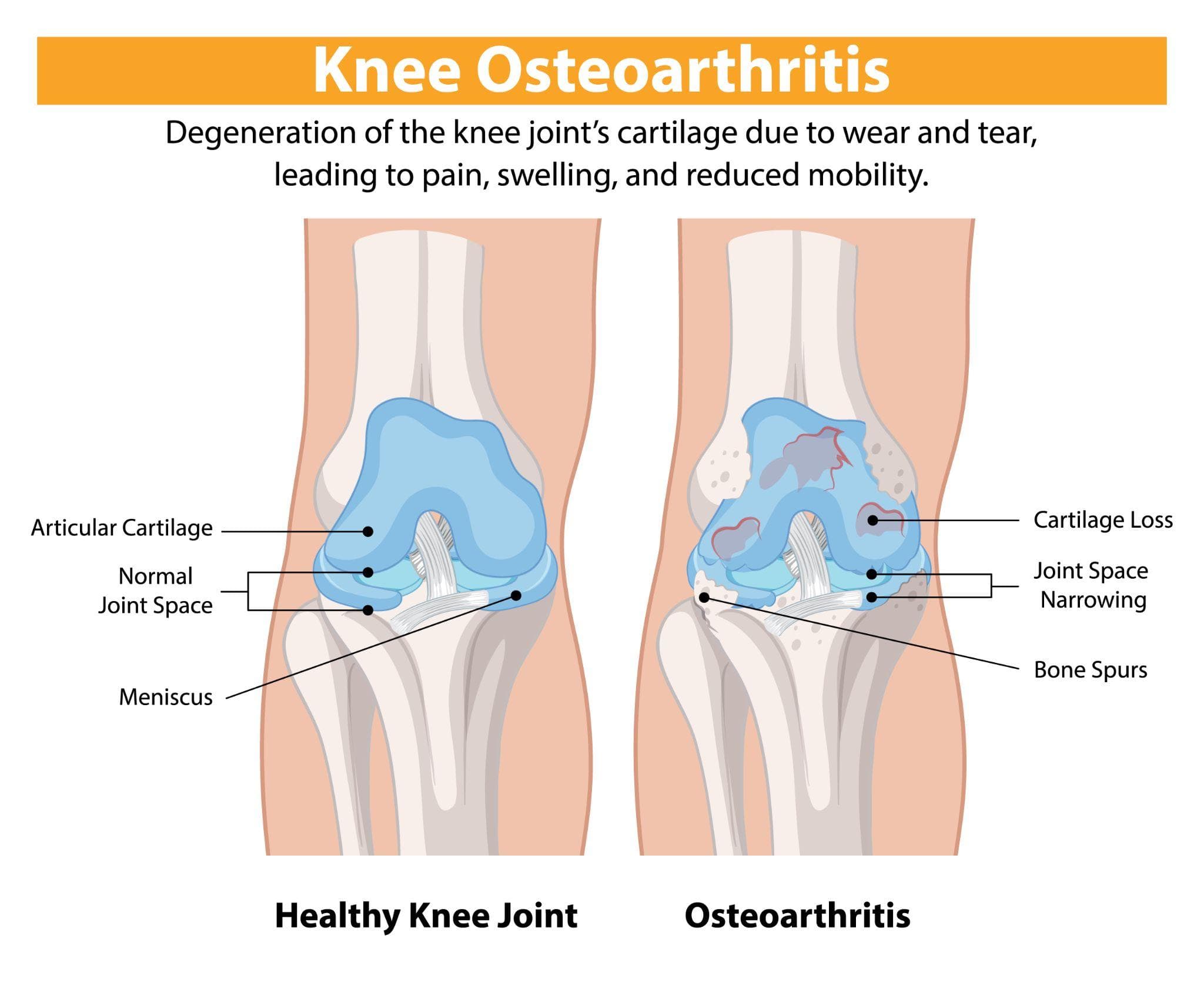
Diagram comparing a healthy knee and osteoarthritis.
A Baker's cyst generally only forms due to a problem inside the knee joint that results in too much synovial fluid production. The extra fluid then leaks out of the joint capsule at the back of the knee and accumulates, forming a cyst.
1. Osteoarthritis
This is the cause of most Baker's cysts. Osteoarthritis is the wearing away of the knee joint, so it rubs as the bones grind together. The joint will increase the amount of synovial fluid it produces to cushion against this friction/inflammation, which will accumulate and cause a Baker's cyst.
2. Rheumatoid Arthritis
Rheumatoid arthritis is a disease where the body attacks the joint capsule, causing an ongoing inflammation of the joint. The resulting continual irritation will result in too much synovial fluid being produced, leading to a Baker's cyst.
3. Meniscus Tear
The meniscus acts as a buffer in the knee joint, and damage, such as a tear, can cause increased fluid production to protect the damaged tissue. The fluid may then push outwards and cause a Baker's cyst.
4. Knee Joint Injury
Any type of injury can irritate the knee joint capsule, which leads to inflammation and increased synovial fluid production. This then leads to a Baker's cyst forming.
Basically, any swelling or irritation inside the knee joint will create excess fluid.
How Is It Diagnosed?
A Baker's cyst is usually diagnosed by a doctor who will look at:
- The area where it is present during a physical examination.
- The cyst through a scan (ultrasound, and if there appears to be internal damage, via an MRI scan).
It is the underlying cause of the cyst that needs to be found, rather than the cyst itself.
Treatment Options For Baker’s Cyst
Treatment for a Baker's cyst involves two main actions: relieving the symptoms and treating the underlying cause within the knee. Management plans vary depending on the degree of the Baker's cyst and the reason behind the excess fluid in the knee joint.
1. Rest And Activity Modification
Time to heal is often prescribed for the knee joint. Reducing the stress of weight-bearing through running, jumping, or lifting should be limited. Modification in everyday life can prevent the cyst from getting worse.
2. Ice And Compression
Ice packs applied to the knee will reduce the fluid retention and numb the pain, especially after activity. A knee brace can offer joint compression to limit swelling increasing ease of movement.
3. Medications
Non-steroidal anti-inflammatory drugs can be recommended in order to decrease the inflammation and to relieve the pain from within the knee joint. The medication would not eliminate the cyst as such, but would decrease the symptoms over time, specifically at first.
4. Physiotherapy
An integral part of managing the condition, this treatment is implemented in the form of special exercises to improve the strength of muscles that surround the knee joint as well as the range of motion to lessen the load upon the joint and, over time, help to decrease the production of fluid.
5. Fluid drainage (Aspiration)
In the event the cyst is considerably enlarged and causes pain, a doctor will use a needle to remove the surplus fluid within. This will bring about immediate relief of the pain associated with the cyst, although it will only be temporary if the underlying cause is not treated.
6. Treating The Underlying Cause
A key factor in treating a Baker's cyst is ensuring the underlying problem is managed effectively. Whether the cause is arthritis, a meniscus tear, or a knee injury, treatment of that condition is vital to stop a Baker's cyst from developing.
Seeing a skilled orthopedic expert such as Dr. Mayank Chauhan in Noida ensures that both the Baker's cyst and its cause are correctly managed.
Tips To Manage Symptoms At Home
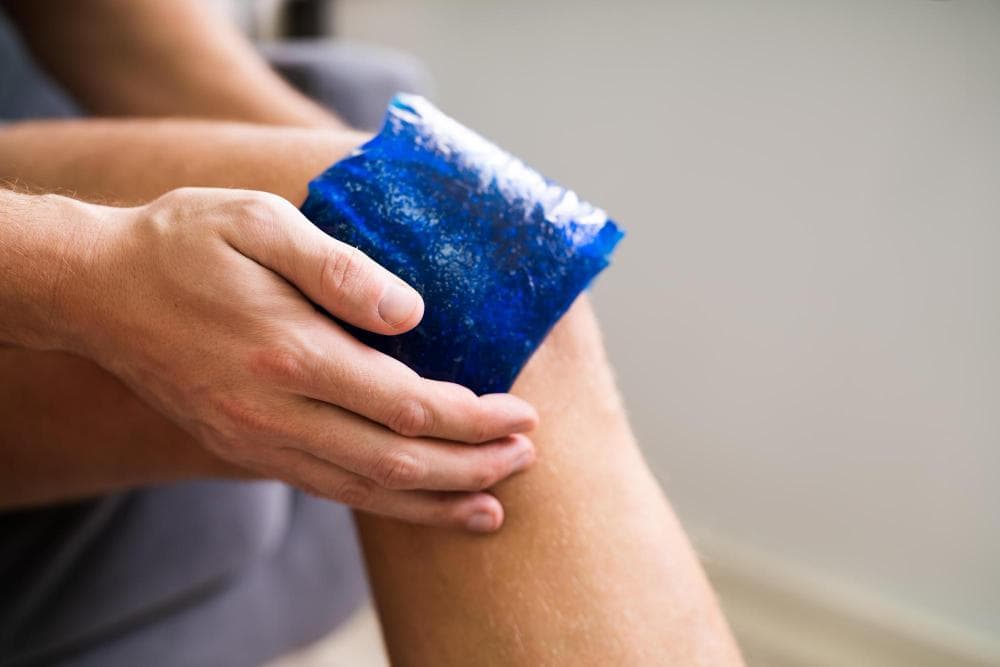
Person using an ice pack on the knee.
A Baker's cyst can be managed from the comfort of your home with minimal effort. In most cases, making the right lifestyle adjustments can minimize the condition's effects and speed up recovery time. Some home remedies for treating a Baker's cyst include:
- Avoiding activities that strain the leg and putting the body through a strenuous routine.
- Keeping the leg elevated whenever it is not in use.
- Use ice packs to relieve pain and reduce swelling.
- Doing gentle stretching exercises.
- Keeping your weight in check to avoid unnecessary pressure on the knee joint.
When To See An Orthopedic Specialist
It is important to see an orthopedic specialist if you:
- Notice that your swelling is not decreasing or even increasing.
- When you are experiencing unbearable pain.
- Cannot move your knee at all.
- Have indications that the cyst has ruptured or has an infection.
The earlier the problem is addressed, the fewer problems may arise, and the quicker you will recover.
Final Thoughts
Baker’s cyst might just look like a harmless bubble under your skin and under your knee, but in fact, it could be an indication of another underlying problem and one that is not to be disregarded. Understanding the signs you should not ignore early on could have great benefits for recovery.
Most cases resolve well and can be managed appropriately so that one does not have future issues; you need a doctor who will be able to determine and give adequate treatment for you. For expert evaluation and personalized treatment, consult Dr. Mayank Chauhan in Noida and take the right step towards pain-free movement and long-term knee health.
Frequently Asked Questions (FAQs)
1. Can a Baker's cyst burst spontaneously?
Yes, occasionally it may rupture, giving rise to acute calf pain and swelling.
2. Is a Baker's cyst an indication of serious pathology?
Usually, it is not in its own right but implies that there is an underlying condition in the knee that warrants investigation.
3. Does exercise worsen a Baker's cyst?
Symptoms may be aggravated by high-intensity or weight-bearing exercise, but they may be eased by gentle movement.
4. Is a Baker's cyst always operated on?
The treatment is usually non-surgical, unless the symptoms become persistent and more serious.