How Modern Orthopedic Techniques Speed Up Recovery?
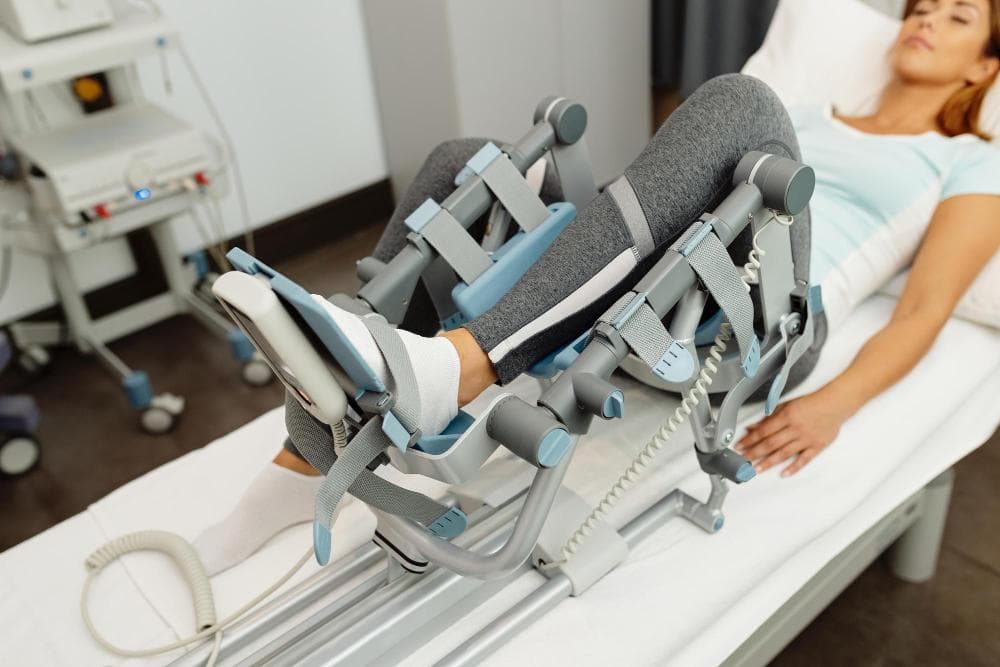
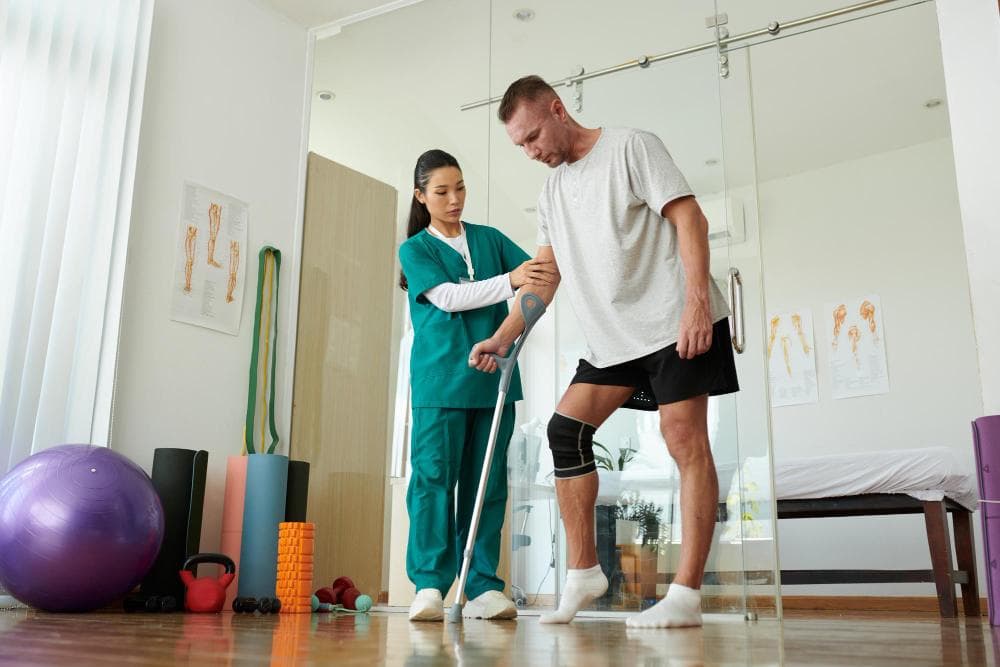
Patient performing knee rehabilitation by applying a knee rehab machine.
Orthopedic care has changed dramatically over the years; no longer is a procedure going to involve weeks in the hospital and months of slow healing. The methods today allow for quicker healing times and pain levels, allowing people to return to their daily lives much more rapidly.
Today, orthopedics not only includes mending bones and joints, but the speed of healing, as well as improved long-term health, are crucial. From sports injuries to deteriorating joints and even post-surgical healing, advanced methods are helping improve the way things get done.
Today, Orthopedics does not solely rely on the old school ways but instead relies on new age technology and minimally invasive techniques paired with modern-day personalized recovery plans to hasten recovery in an effective way. Let's take a look at how today's orthopedic procedures aid in faster recovery.
What Are Modern Orthopedic Techniques?
Modern orthopaedic techniques consist of high-level medical and surgical methods used to cure ailments related to bone, joint, and muscle diseases with more accuracy and faster healing.
They encompass minimally invasive surgeries, robot-assisted surgical methods, Regenerative therapies, and Advanced physiotherapy methods. There is only one ultimate goal: to deal with the problem in a good way with minimal damage to tissues.
These procedures help in minimizing the trauma of the surgery and help in healing the injury fast, hence the patient gains the benefit of recovering faster and more comfortably.
How Modern Orthopedic Techniques Work?
The first stage of this treatment usually involves using highly sophisticated imaging techniques such as CT scans or MRIs to get an accurate diagnosis of the issue. From the individual problem, the doctor then creates a treatment strategy tailored to suit the patient. This can range from non-surgical treatments to minimally invasive procedures.
It is the post-operative treatment, such as physio and rehabilitation programs, that allows patients to recover their movement, strength, and confidence levels a lot quicker than they did previously.
Key Ways Modern Orthopedic Techniques Speed Up Recovery
Today, modern orthopedics uses numerous techniques and procedures designed to improve recovery time and results.
1. Minimally Invasive Surgery
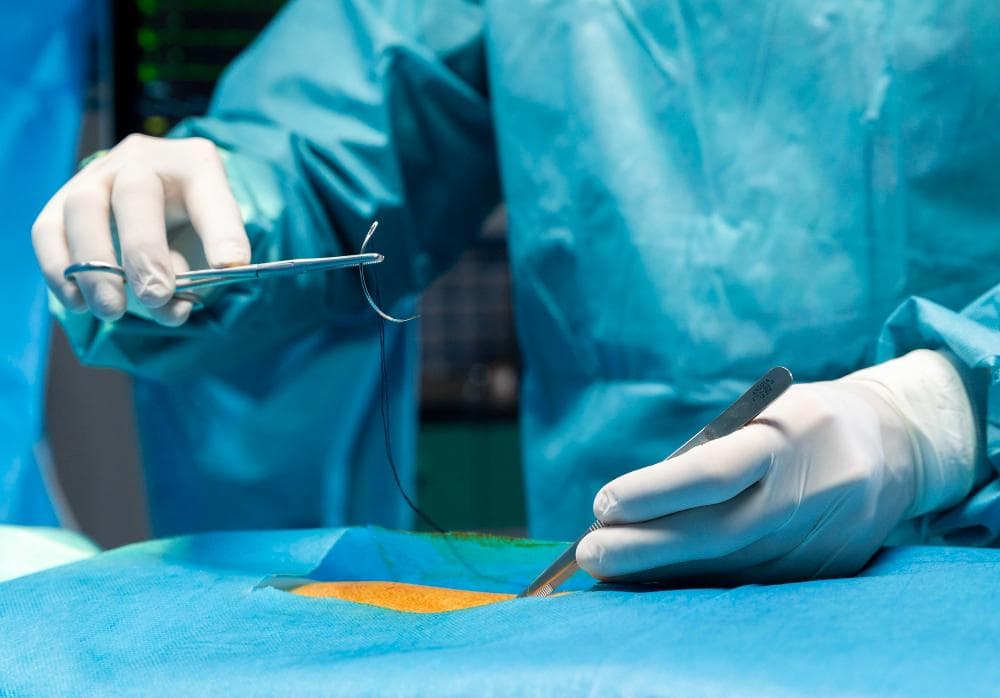
Small incisions limit tissue damage, which means decreased pain and a quicker recovery process for the patient. Shorter hospital stays and quicker returns to everyday life are achieved through this type of surgery.
2. Robotic-Assisted Precision
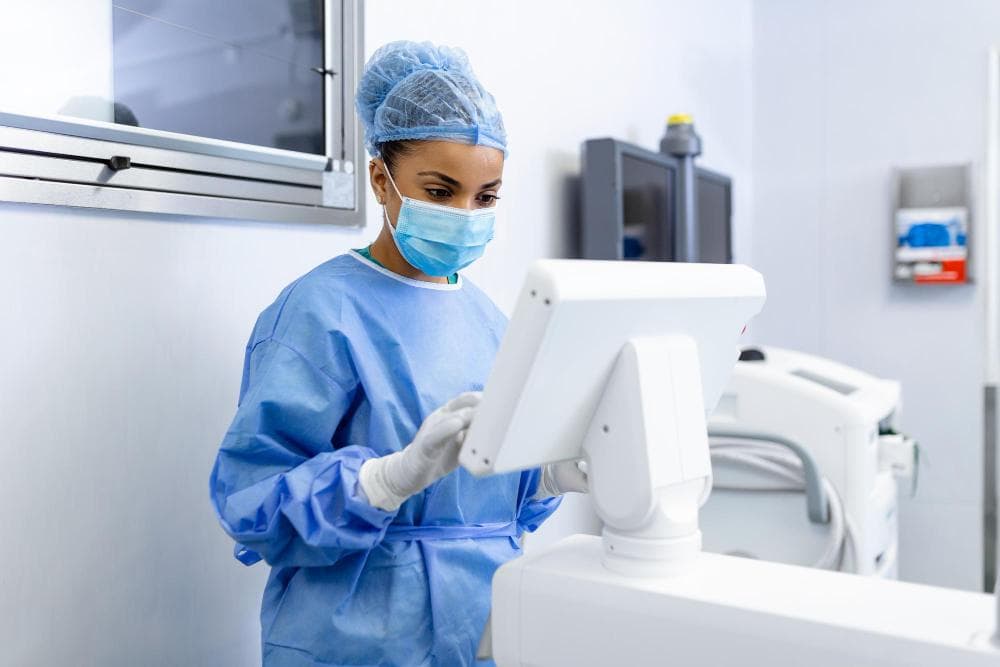
Robotic systems used during surgery allow orthopedic doctors to precisely maneuver implants and perform procedures with the greatest level of accuracy. The fewer complications or inaccurate placements of the implants, the easier the recovery process.
3. Modern Pain Management
Advances in pain control have reduced the amount of prescription painkillers that a patient is reliant upon. This decrease in medication allows patients to remain mobile, which aids healing at a faster rate.
4. Regenerative Therapies
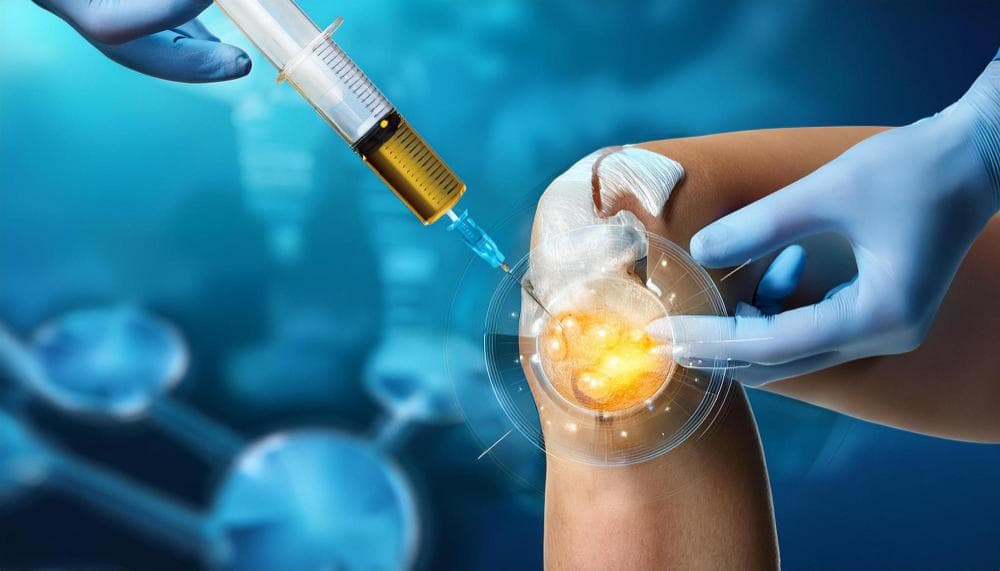
Such as the use of PRP (Platelet- Rich Plasma) and stem cell injections encourage the body's own natural healing process. By working at the cellular level, damage can be efficiently repaired.
5. Early Mobilization
Early movement of an injured body part helps to maintain mobility in surrounding joints. This process encourages blood flow to the area and helps to speed up the overall recovery process.
Common Conditions Treated
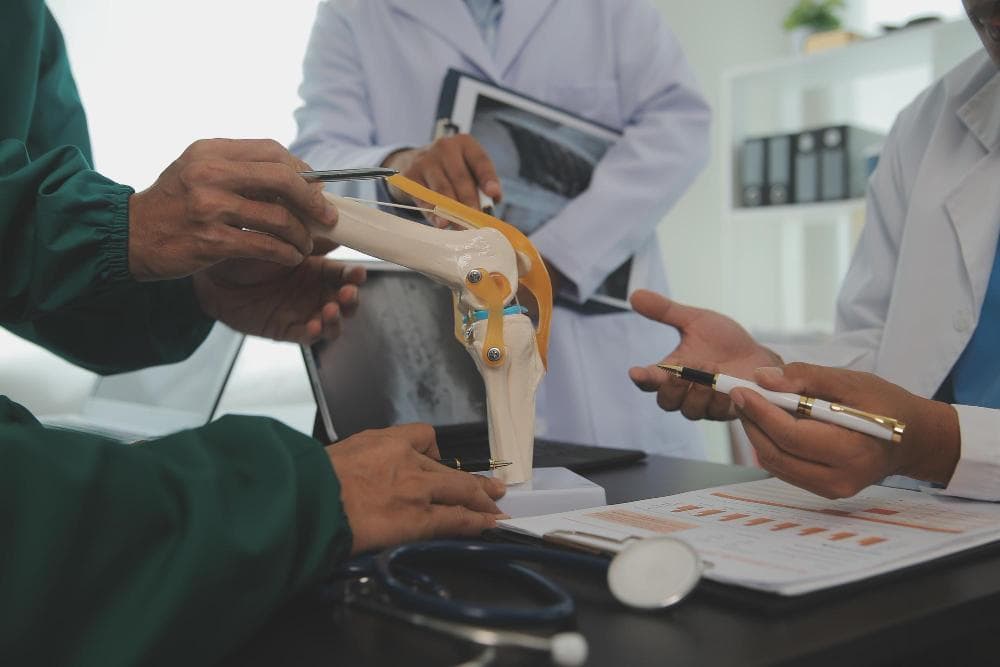
A doctor teaching knee joint anatomy with a knee model in a clinic.
These modern treatments are applied to numerous orthopedic ailments.
- Joint replacement (Knee, Hip, and Shoulder) - Quick mobility and a more sustained pain relief are achieved through minimally invasive joint replacements.
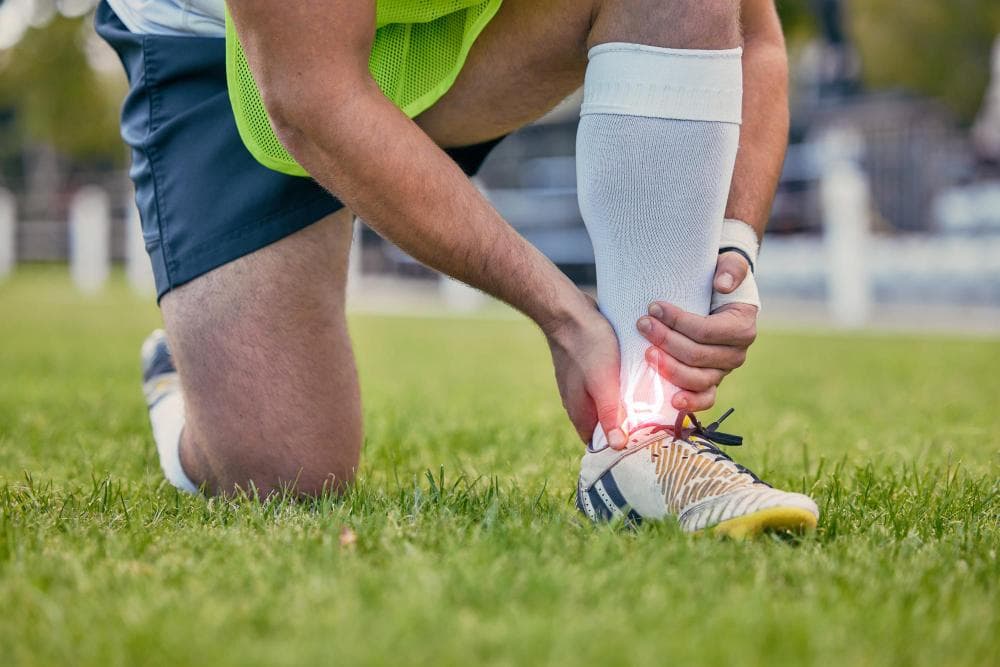
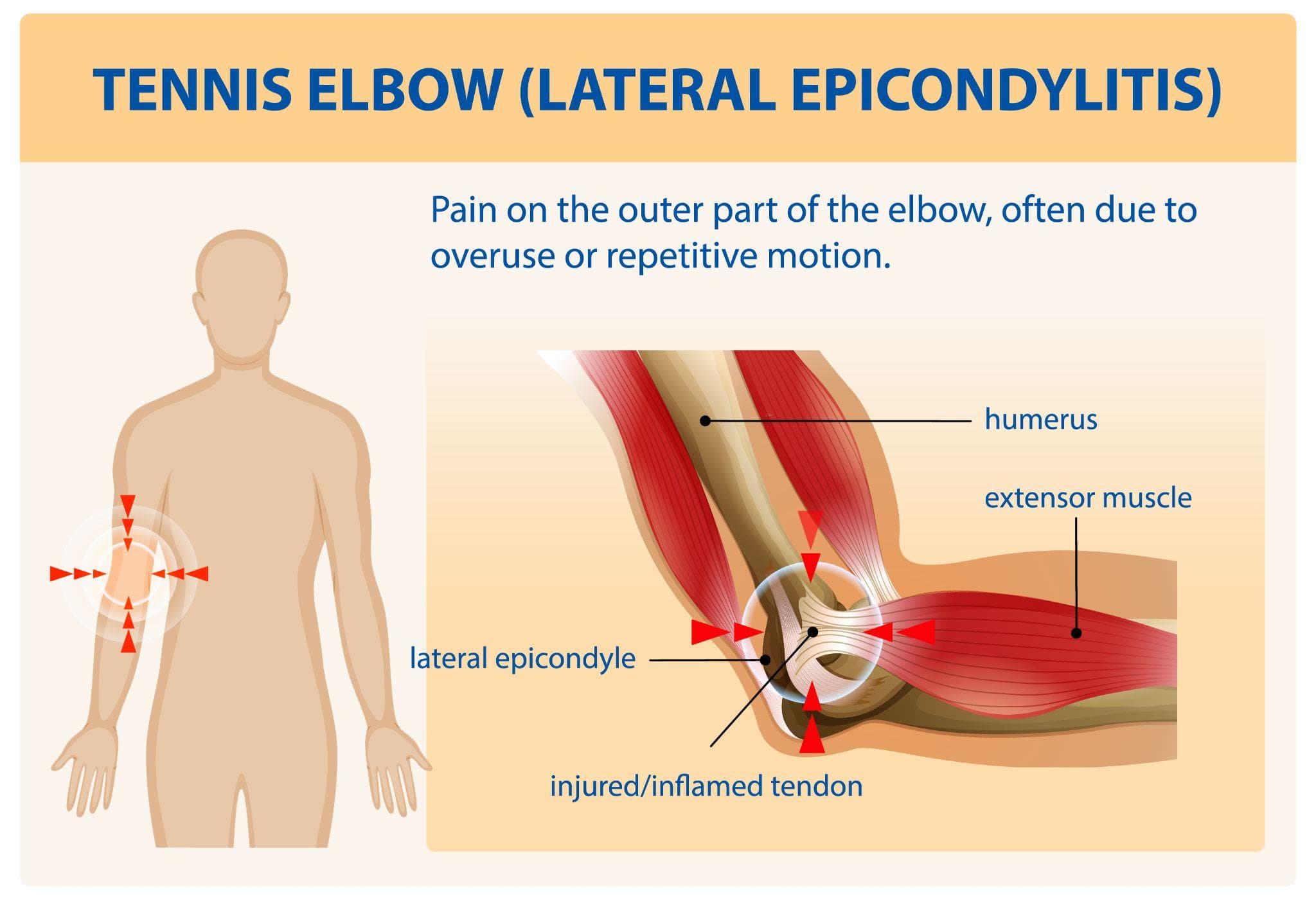
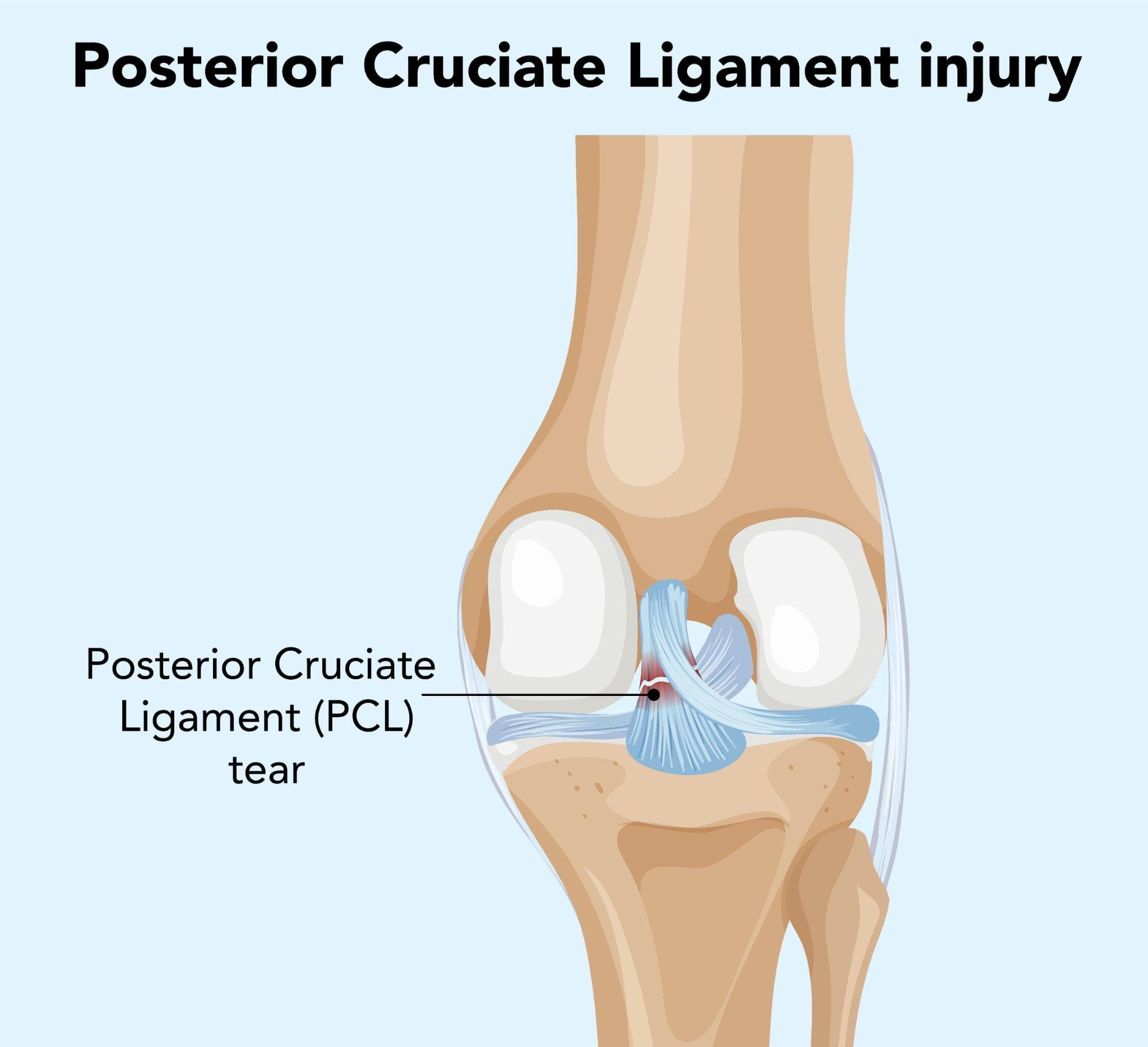
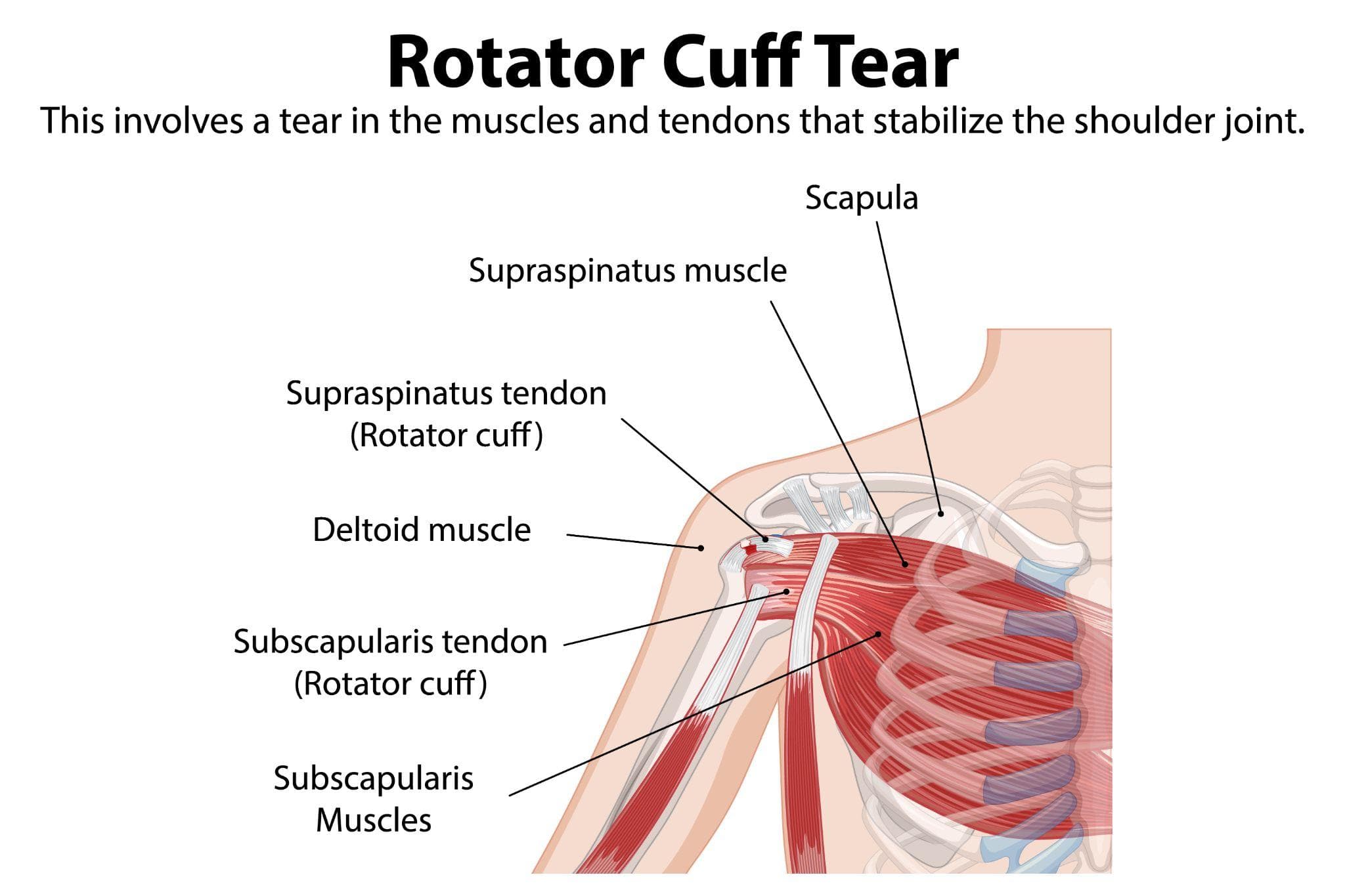
- Sports injuries - Faster healing of ligament tears, muscle damage, and fractures is possible with appropriate treatment and rehabilitation.
- Spine diseases - Precision procedures help in the rapid recovery of slipped disks or spinal stenosis.
- Fractures and traumatic injuries - These methods offer enhanced stabilization of fractures and improve the rate of healing.
- Arthritis and degenerative joint diseases - Efficient pain management and improved function of joints are the outcomes of the advanced treatments in these diseases.
Modern Orthopedic Techniques Commonly Used
Patient needs and the outcome of rehabilitation play a large role in selecting various techniques, with the focus being on decreasing pain and increasing the accuracy and rate of recovery.
1. Arthroscopy
A minimally invasive surgery where a miniature camera is inserted into the joint to clearly view the affected joint, such as ligament tears, damaged cartilage, inflammation, etc. It then enables the surgeon to treat without having to perform a large cut. It results in much less tissue trauma, minimal scarring, and greatly accelerated recovery rates.
2. Robotic-Assisted Surgery
This is a procedure where the surgeon uses robotic systems for highly precise surgery of the knee or hip joint replacement. This method enables exact and accurate placement and alignment of the implant, thus resulting in the smooth functioning of the joint and a faster recovery post-surgery. This reduces human errors and enhances joint stability and mobility.
3. 3D Imaging And Navigation
A procedure using computer guidance and 3D imaging of the relevant area of the body to guide the surgeon. This results in higher accuracy and alignment during the procedure, which in turn affects proper movement and fewer complications, thus enabling quicker recovery post-surgery.
4. Biologic Treatments
A technique designed to increase the body's natural healing potential. It uses natural substances to aid healing, which could include Platelet-Rich Plasma (PRP)and stem cell therapy, which can aid in recovery and sometimes prevent the need for surgery. These treatments also promote faster regeneration and help in the reduction of inflammation, and are considered useful in conditions of degeneration.
5. Advanced Physiotherapy Protocols
These cover more than standard exercise; they include personalized treatment plans based on the goals and specific problems of the patient and focus on improving mobility and restoring strength, and are designed to get you back to normal living and sporting activities as efficiently as possible.
An exemplary solution and the latest approach towards advanced treatment may be found with Dr. Mayank Chauhan at Noida. Their focus on precision-based care for a quicker recovery helps the patients to achieve pain-free movements and live their daily routine with restored confidence.
Benefits Of Modern Orthopedic Techniques
These techniques offer several benefits for the patients.
- With these new modern techniques, the time taken for the patients to get back to their routine is shortened.
- The minimal amount of cutting and the precision targeting the correct points of therapy minimize the pain and discomfort.
- Most of the procedures now only require minimal or sometimes same-day discharge from the hospital.
- Precision techniques minimize the amount of damage caused to the tissues and, hence, the risks of complications occurring.
- With optimal healing, the joints recover to become stronger, and issues in the longer term are reduced.
When To Consider Modern Orthopedic Treatment?
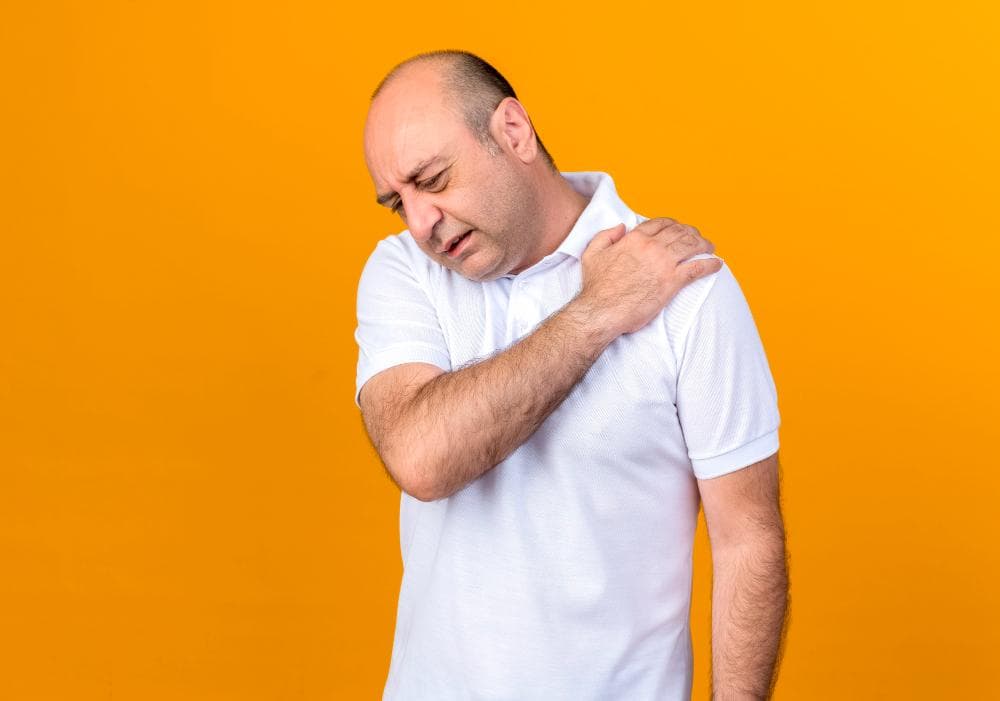
A man is holding his shoulder in pain.
Certain warning signs that would call for modern orthopedic treatment are:
- Pain that does not decrease even after prolonged periods of rest or medication has to be assessed.
- Impaired movement that interferes with the ability to complete daily tasks.
- An incomplete recovery might suggest an alternative therapy.
- An increasing number of injuries points to a possible biomechanical flaw.
- An impact on daily activities, especially one due to pain, has to be evaluated.
Modern Orthopedics Versus Traditional Treatment
Traditionally, orthopedic procedures involved bigger cuts, a long recovery period, and complete bed rest. With modern orthopedic treatment, the whole focus is on accuracy, the least disturbance of tissue, and rapid rehabilitation. Recovery is much faster, and the risks of complications are minimized, enabling the patients to return to mobility at a faster rate.
Final Thoughts
Modern orthopedic treatments have brought a revolutionary change in the entire recovery process. The incorporation of the latest technology and minimally invasive surgery, coupled with tailored rehabilitation regimes allow patients to avoid extensive, painful, long healing times and gain back their quality of life and mobility at the earliest.
Correct diagnosis at the right time and an appropriate treatment modality are crucial. Consulting Dr. Mayank Chauhan in Noida assures the best modern treatment approaches and techniques, ensuring speedy recovery with the least pain and the earliest return to normal routine activities.
Frequently Asked Questions (FAQs)
1. What is the recovery period like after modern orthopedic surgery?
Modern orthopedic surgery recovery is considerably shorter, from several weeks to a couple of months, depending on the individual patient and the procedure undertaken.
2. Do modern orthopedic treatments obviate the requirement for surgery?
Yes, techniques such as PRP and physiotherapy are now widely employed to treat injuries early and obviate surgery.
3. Who would benefit from the utilization of modern orthopedic techniques?
Anybody who experiences any pain from joint conditions, sport-related injuries, or mobility problems that haven't been managed by basic measures.
4. Are the results of modern orthopedic treatments superior to the results achieved with traditional methods?
Modern orthopedic techniques provide a better degree of precision, a lower rate of complication and less protracted recovery time.