Bone Spurs (Osteophytes): What They Are, Why They Form, and When You Need Treatment
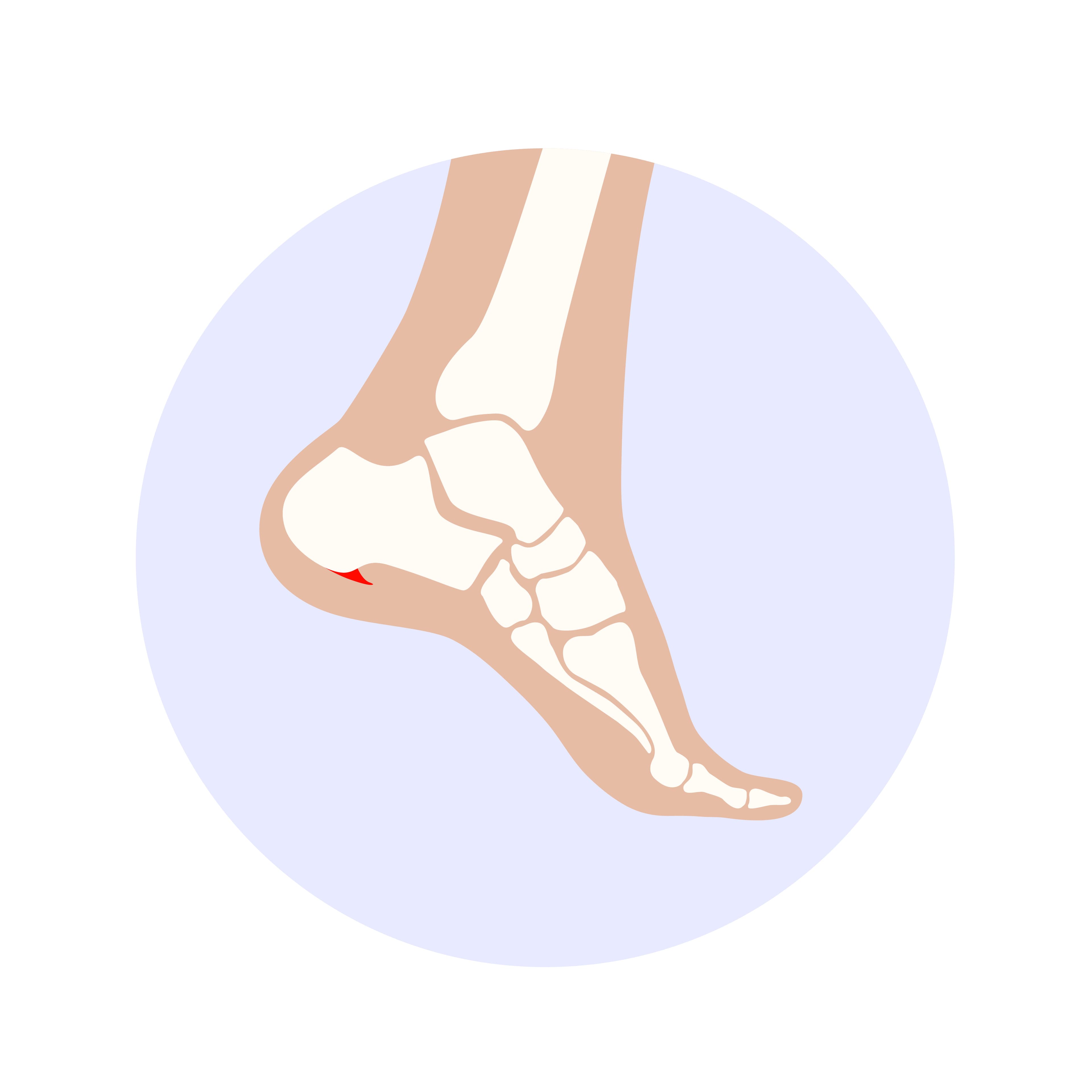
Calcaneal spur anatomy foot problem.
Most people are surprised when their doctor mentions a "bone spur." The name alone sounds alarming — like something sharp has grown where it shouldn't. The reality is a bit less dramatic, though no less important to understand.
A bone spur, or osteophyte, is a small, smooth outgrowth of bone that develops along the edges of existing bones — typically near joints or at sites where tendons and ligaments attach to bone. They're extremely common, especially in people over 50, and many people live with them for years without ever knowing they're there.
The problem starts when a bone spur grows in a location where it presses against nerves, restricts joint movement, or rubs against surrounding soft tissue. That's when the pain, stiffness, and mobility problems begin — and when it becomes worth addressing.
What Exactly Is a Bone Spur?
Here's the key thing to understand: a bone spur isn't a random mistake the body makes. It's actually the body trying to repair itself.
When cartilage or a tendon gets damaged — through wear and tear, repeated stress, or injury — the body responds by sending extra calcium and bone-forming cells to the area. Over time, that extra bone material accumulates into a bony projection. From the body's perspective, it's attempting to stabilize a damaged area. From a patient's perspective, the result is sometimes a painful bony growth that causes more problems than it solves.
Bone spurs are almost always associated with some degree of osteoarthritis or other degenerative joint disease. They can also form in response to prolonged tendon or ligament stress.
Where Do Bone Spurs Commonly Form?
Bone spurs can technically develop on any bone in the body, but they tend to cluster in certain locations:
Heel (Calcaneal Spur)
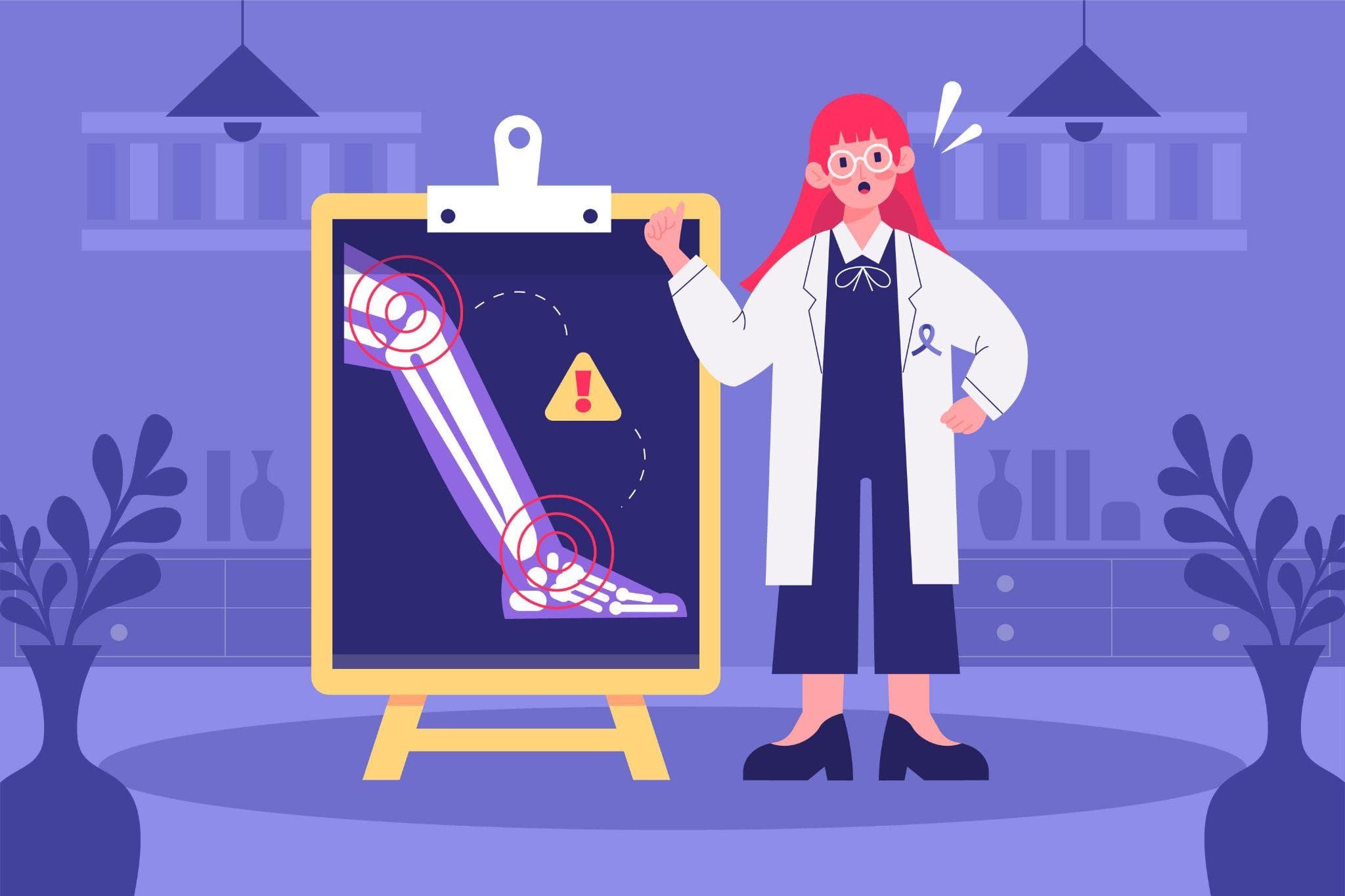
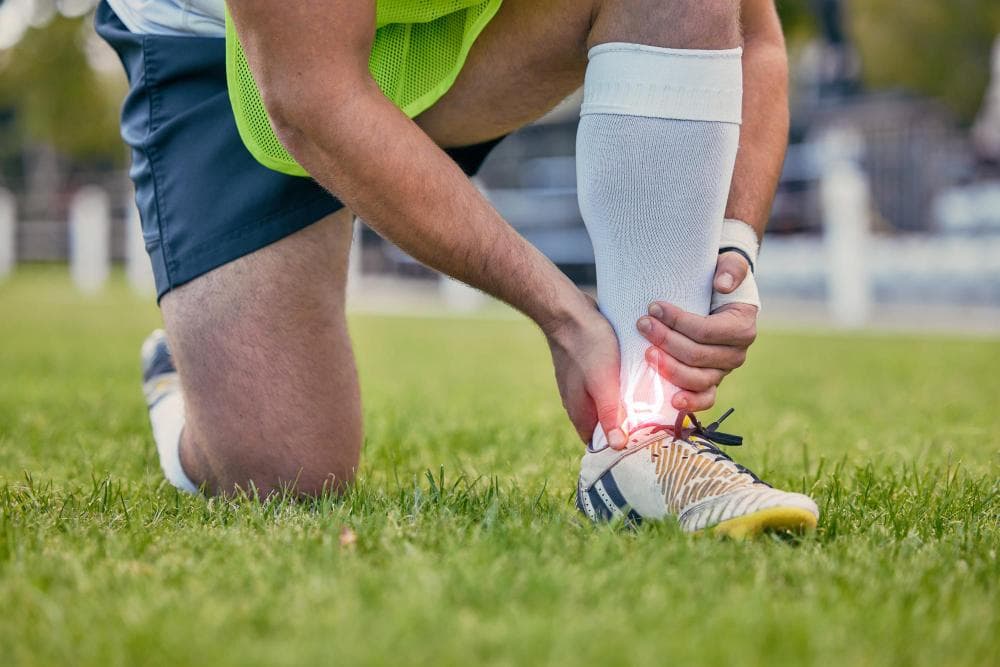
Heel spurs are among the most common type. They form on the underside or back of the heel bone (calcaneus), typically where the plantar fascia ligament or the Achilles tendon attaches. The result is a sharp, stabbing pain — often worst with the first few steps in the morning or after a period of rest.
Heel spurs are frequently confused with plantar fasciitis, and the two often coexist. The spur itself may not be causing all the pain — the inflamed tissue around it usually is.
Spine (Cervical and Lumbar Osteophytes)
Spinal bone spurs develop on the vertebrae, typically alongside degenerated discs or worn facet joints. They're very common in the cervical (neck) and lumbar (lower back) regions.
On their own, spinal bone spurs may cause no symptoms. The trouble begins when they grow into the spaces where spinal nerves travel — causing spinal stenosis (narrowing of the spinal canal), nerve compression, and symptoms like neck or back pain, numbness, tingling, and weakness that can radiate down the arms or legs.
Severe cervical osteophytes can, in rare cases, even press on the oesophagus and cause difficulty swallowing.
Knee
Bone spurs around the knee joint develop alongside osteoarthritis as the cartilage between the thigh bone and shin bone wears down. They can make it difficult to fully straighten or bend the knee and contribute to the grinding sensation many arthritis patients experience.
Hip
Hip bone spurs typically form around the hip joint socket (acetabulum) or the ball of the femur. They restrict range of motion, cause groin or hip pain, and in advanced cases, contribute to the need for hip replacement surgery.
Shoulder
Shoulder bone spurs most commonly develop under the acromion — the bony arch over the shoulder joint. When they do, they can rub against the rotator cuff tendons, causing impingement syndrome and eventually rotator cuff tears if left unaddressed.
Fingers and Toes
Small bone spurs can form at the knuckle joints, creating visible bumps under the skin. In osteoarthritis of the hands, these are known as Heberden's nodes (at the fingertip joints) and Bouchard's nodes (at the middle joints).
What Causes Bone Spurs?
Osteoarthritis
The most common culprit. As cartilage breaks down over time, bone surfaces come under increased stress and friction. The body attempts to compensate by adding more bone at the edges, leading to osteophyte formation. This is why bone spurs and arthritis so frequently go hand in hand.
Age
Bone spurs become increasingly common after age 60, simply because the cumulative wear and tear on joints and tendons adds up over decades. They're considered a normal part of aging for many people.
Previous Injuries
Fractures, dislocations, and ligament tears can trigger abnormal bone healing that results in spur formation. A badly healed ankle sprain, for instance, can eventually lead to bone spurs in the ankle joint.
Repetitive Stress and Overuse
Runners, dancers, athletes, and people whose jobs involve repetitive joint movements are at higher risk. Repeated stress on a joint or tendon triggers the same bone-building response that creates spurs.
Poor Footwear
Narrow shoes, high heels, and footwear without proper arch support create abnormal pressure points on the foot. Over time, this can lead to heel spurs and other foot-related osteophytes.
Obesity
Excess body weight places greater mechanical load on the knees, hips, spine, and feet — all prime locations for bone spur formation.
Inflammatory Joint Conditions
Rheumatoid arthritis, ankylosing spondylitis, and gout can all damage joint tissue in ways that trigger spur formation, though the mechanism is somewhat different from osteoarthritis.
Symptoms — When Do Bone Spurs Actually Hurt?
This is important: many bone spurs cause no symptoms at all. They are frequently discovered incidentally on X-rays taken for another reason, and the patient has no idea they've been there for years.
When bone spurs do cause symptoms, the experience depends on their location
Heel Spurs:
- Sharp, stabbing pain at the bottom or back of the heel, especially with the first steps of the day
- Tenderness when pressing on the heel
- Pain that eases after walking for a while but may return after prolonged activity
- Swelling around the heel
Spinal Bone Spurs:
- Neck pain or lower back pain
- Stiffness and reduced range of motion in the neck or spine
- Numbness, tingling, or weakness in the arms (cervical spurs) or legs (lumbar spurs)
- In severe cases, difficulty with balance or coordination
Knee Bone Spurs:
- Pain during or after activity
- Difficulty fully bending or straightening the knee
- A grinding or locking sensation in the joint
- Swelling around the knee
Shoulder Bone Spurs:
- Pain when lifting the arm, especially overhead
- Weakness in the shoulder
- Reduced range of motion
- A catching or grinding sensation
Hip Bone Spurs:
- Groin or hip pain
- Stiffness, especially in the morning or after sitting
- Reduced hip mobility
How Are Bone Spurs Diagnosed?
Physical Examination — An orthopedic surgeon will check for tenderness, swelling, range of motion restriction, and any neurological symptoms like numbness or weakness. In some cases, a bone spur can actually be felt under the skin.
X-Ray — The primary and most accessible diagnostic tool. X-rays show bone spurs clearly in most locations, revealing their size and position.
MRI — Provides a detailed picture of soft tissue, cartilage, and nerve involvement. Particularly useful for spinal bone spurs where nerve compression is suspected.
CT Scan — Offers a three-dimensional view of complex bone structures. Useful for surgical planning.
Nerve Conduction Studies (NCS/EMG) — If there is significant nerve involvement — numbness, weakness, or radiating pain — these tests assess the extent of nerve damage.
Treatment Options for Bone Spurs
Not all bone spurs require treatment. Asymptomatic spurs found incidentally are typically just monitored. Treatment is needed only when symptoms are present and affecting quality of life.
Conservative (Non-Surgical) Management
Rest and Activity Modification — Reducing activities that aggravate the spur gives surrounding tissue time to settle down.
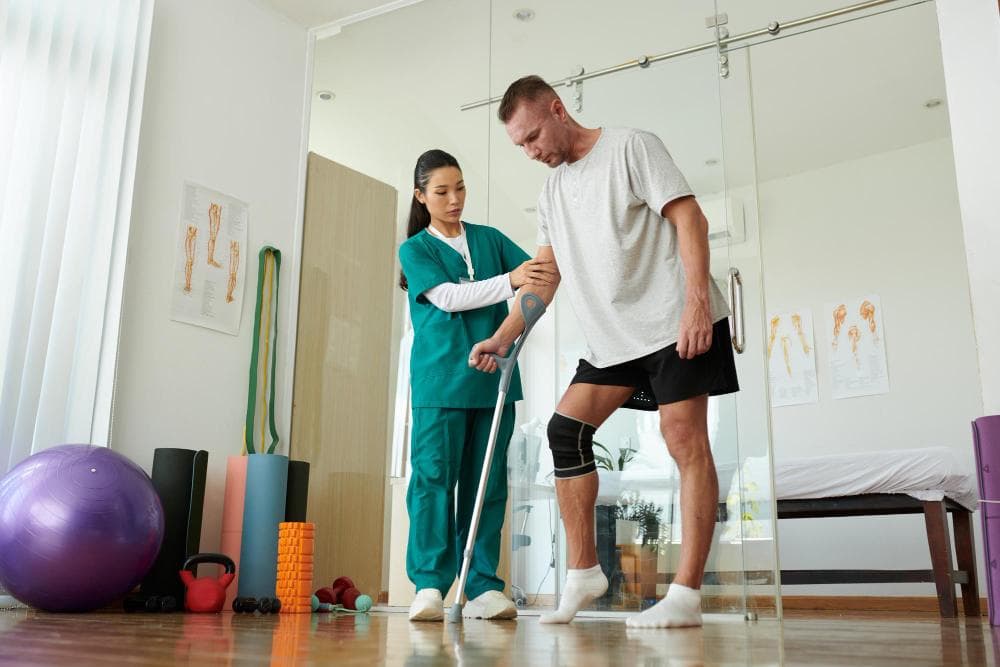
Physical Therapy — Exercises that strengthen the muscles around an affected joint, improve flexibility, and correct movement patterns can significantly reduce the impact of a bone spur. For heel spurs, stretching of the plantar fascia and calf muscles is particularly effective.
Appropriate Footwear — For foot and heel spurs, shoes with good arch support and cushioning, along with heel pads or custom orthotics, can substantially reduce pain.
Anti-Inflammatory Medication — NSAIDs help reduce inflammation in the tissue around the spur, which is often the primary source of pain rather than the spur itself.
Corticosteroid Injections — A targeted injection of steroid and local anesthetic into the affected area can provide significant relief for weeks to months. This is commonly used for heel spurs, shoulder impingement, and spinal stenosis symptoms.
Weight Management — For bone spurs in the knees, hips, and feet, reducing body weight reduces the mechanical load that aggravates symptoms.
Surgical Treatment
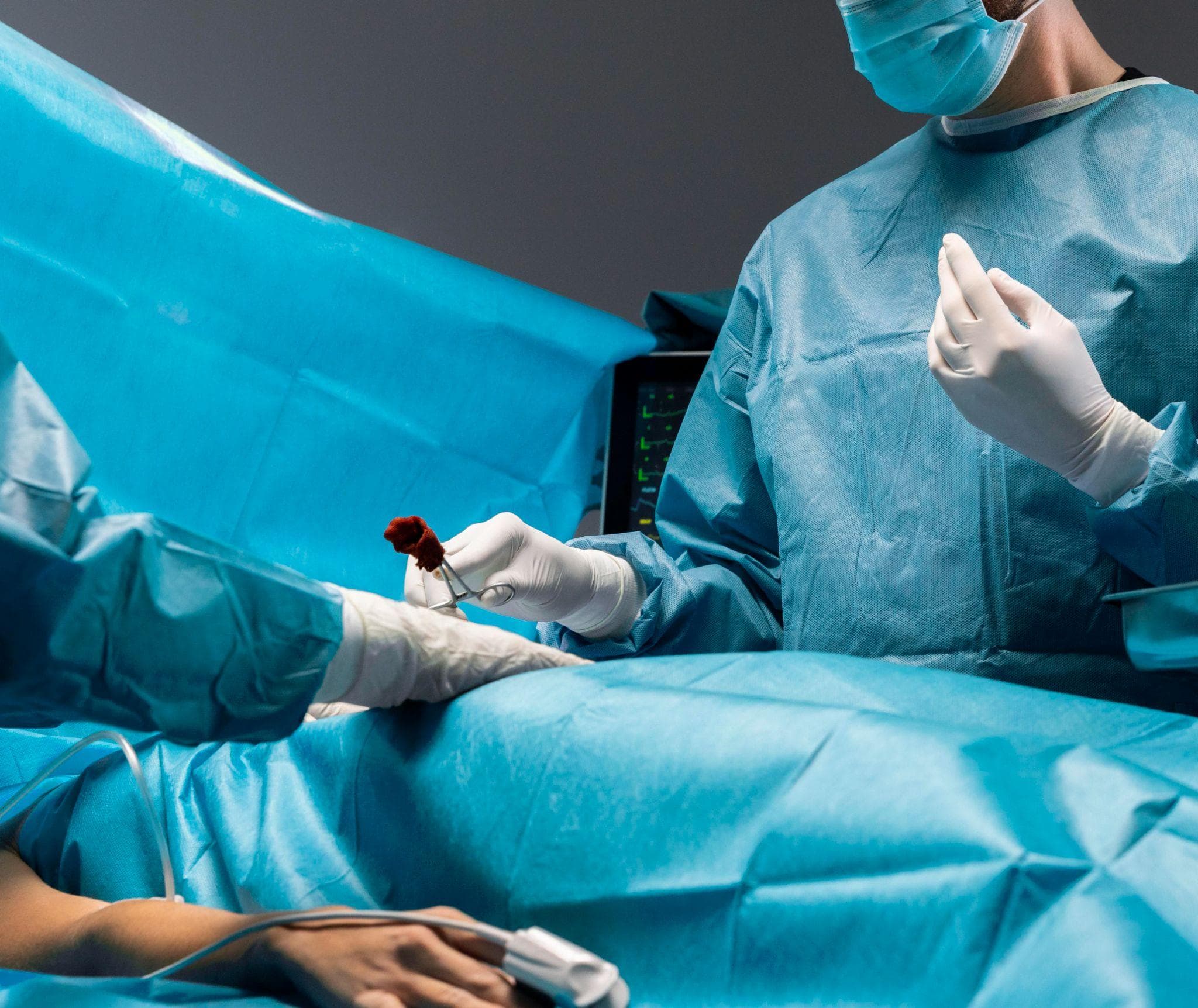
Surgery becomes an option when conservative management has been tried consistently for an adequate period (typically three to six months) and symptoms remain severe enough to impact daily life.
For Heel Spurs — Removal of the spur and, in many cases, release of the plantar fascia. This is done when conservative care has failed after six months or more.
For Spinal Bone Spurs — A laminectomy removes the portion of the vertebra and bone spur pressing on the spinal cord or nerves. For cervical spurs causing nerve compression, anterior cervical discectomy may be performed.
For Knee and Hip Spurs — When bone spurs are part of advanced osteoarthritis causing severe joint damage, joint replacement surgery (knee replacement or hip replacement) is the most comprehensive and effective solution. Dr. Mayank Chauhan, Senior Orthopedic Surgeon at Prakash Hospital Noida, specializes in joint replacement procedures using minimally invasive and computer-assisted techniques for better precision and faster recovery.
For Shoulder Spurs — Arthroscopic surgery to remove the spur and decompress the space under the acromion is very effective when conservative care hasn't resolved impingement symptoms.
Can Bone Spurs Be Prevented?
Completely preventing bone spurs isn't always possible — aging and genetics play a role that we can't change. But certain habits significantly reduce the risk:
- Stay at a healthy weight to reduce joint stress
- Wear properly fitted, supportive footwear — this matters more than most people realize
- Stretch regularly, especially before and after physical activity
- Treat injuries properly — a poorly managed tendon injury or fracture can set the stage for spur formation later
- Stay active — regular, low-impact exercise keeps joints healthy and reduces the pace of cartilage degeneration
- Address arthritis early — the earlier OA is managed, the slower the joint changes that lead to bone spur formation
Bone Spurs in Noida and Greater Noida — When to Seek Help
If you're dealing with heel pain that won't go away, back pain with numbness down your legs, knee stiffness that worsens over time, or shoulder pain that catches when you lift your arm — these could all be signs of a bone spur that warrants proper evaluation.
Dr. Mayank Chauhan, Senior Orthopedic Surgeon at Prakash Hospital, Sector 33, Noida, has over 15 years of experience managing bone spurs and their underlying conditions across all joints. With an international fellowship background in joint reconstruction and advanced surgical training, he provides a thorough diagnosis and a treatment approach that's proportionate to what your condition actually needs — starting with conservative care and escalating only when necessary.
To book a consultation, call +91 7303245544.
Clinic hours: Monday to Saturday, 10 AM to 8 PM | Sunday, 10 AM to 2 PM
Location: D-12, 12A, 12B, Sector 33, Noida (next to ISKCON Temple)
Frequently Asked Questions (FAQs) About Bone Spurs
Q1. Are bone spurs always painful?
No — most bone spurs cause no symptoms at all and are discovered by accident during X-rays taken for another reason. Pain only occurs when a spur presses on a nerve, restricts joint movement, or irritates surrounding soft tissue. Many people have bone spurs in their spine or knees for years without knowing.
Q2. Can bone spurs go away on their own?
Once formed, a bone spur does not dissolve or disappear on its own. However, the pain and inflammation associated with it can improve significantly with the right treatment. Many patients manage their symptoms so well with conservative care that surgery is never needed.
Q3. Is surgery always required to remove a bone spur?
Not at all. The vast majority of people with symptomatic bone spurs are successfully managed without surgery through physiotherapy, injections, footwear changes, and activity modifications. Surgery is considered only when these measures fail after a sustained effort.
Q4. What is the difference between a heel spur and plantar fasciitis?
They are closely related but distinct. Plantar fasciitis is inflammation of the plantar fascia ligament, which runs along the bottom of the foot. A heel spur is a bony growth on the heel bone, often where the plantar fascia attaches. They frequently coexist, and the pain pattern is similar — but it's the inflammation of the tissue, not the spur itself, that usually causes most of the pain.
Q5. Can bone spurs in the spine cause paralysis?
In very rare and severe cases, spinal bone spurs that significantly compress the spinal cord can cause neurological symptoms including weakness and, in extreme cases, paralysis. This is why progressive neurological symptoms — increasing weakness, balance problems, or loss of bladder/bowel control — require immediate medical attention.
Q6. How long does recovery take after bone spur surgery?
Recovery varies by location. Heel spur surgery typically takes four to eight weeks. Spinal laminectomy recovery can take six to twelve weeks depending on the extent of the procedure. Shoulder arthroscopy for spur removal typically has a two to four month recovery with physiotherapy. Joint replacement for spur-associated severe arthritis takes three to six months for full recovery.
Q7. Do bone spurs keep growing?
Bone spurs can slowly grow larger over time, especially if the underlying cause (such as arthritis or ongoing joint stress) continues. This is another reason why managing the underlying condition — particularly osteoarthritis — is important.
Q8. Can diet help with bone spurs?
Diet doesn't directly remove bone spurs, but an anti-inflammatory diet can reduce the pain and inflammation associated with them. Foods rich in omega-3 fatty acids, fruits, and vegetables support joint health. Maintaining a healthy weight through diet directly reduces mechanical stress on affected joints.
The information in this blog is for general educational purposes only and does not constitute medical advice. Always consult a qualified orthopedic surgeon for an accurate diagnosis and treatment plan suited to your specific condition.