Understanding Bone Dislocations: Everything You Need To Know

A doctor is standing beside an X-ray of a bone dislocation of an arm.
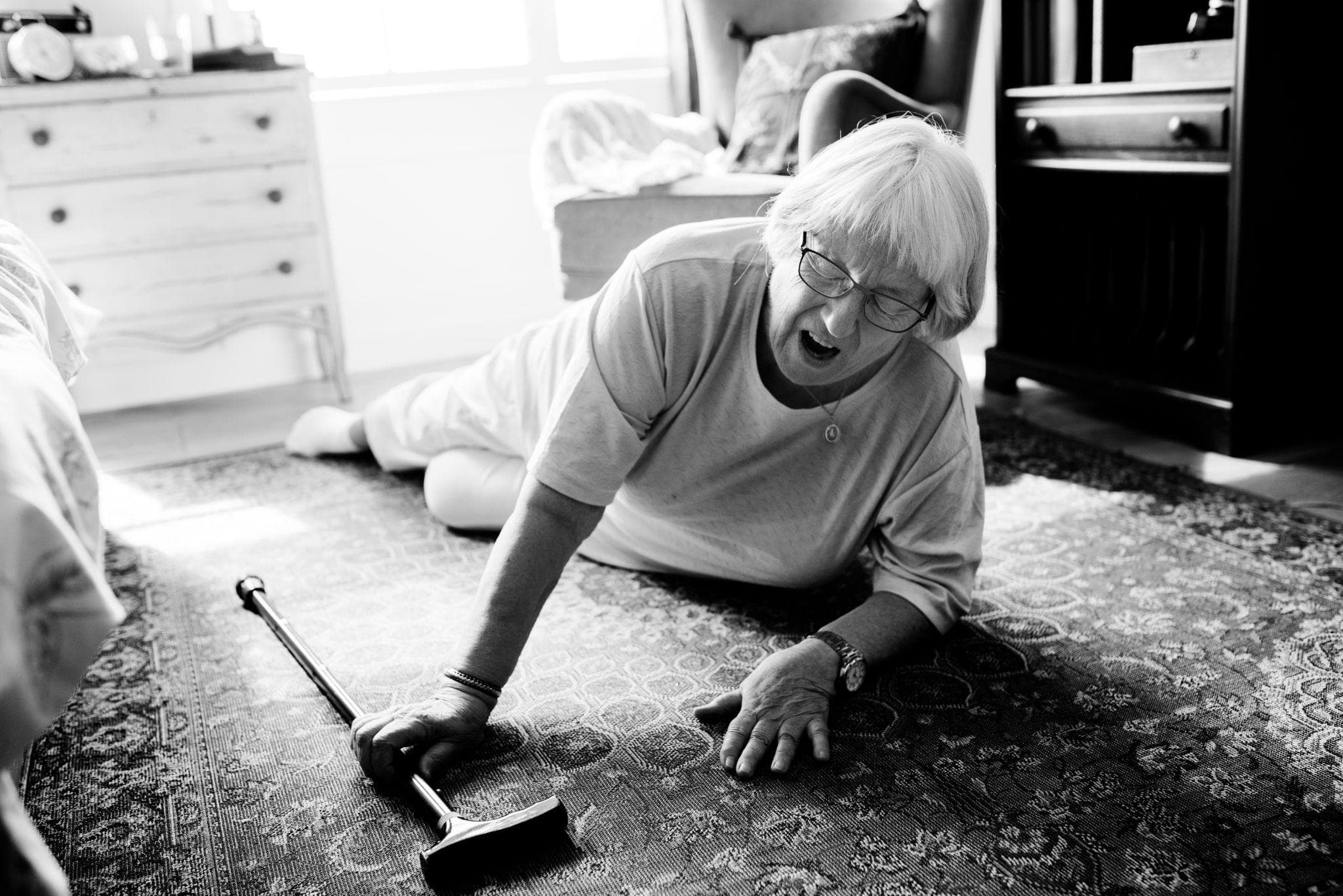
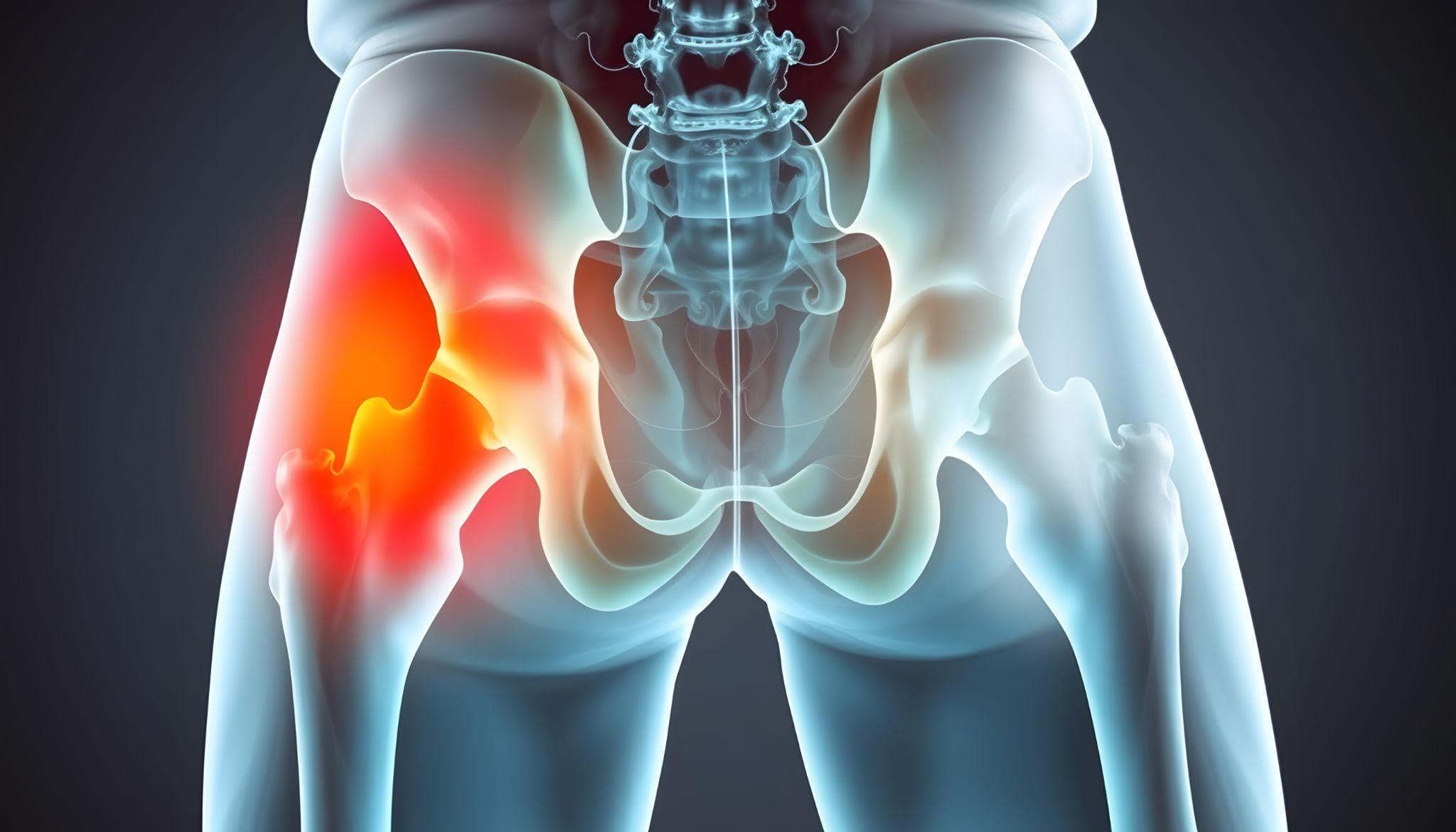
When a bone pops out of place at a joint, that’s a dislocation. It’s not like a fracture, where the bone cracks or breaks instead, the bone just isn’t sitting where it should. Dislocations hurt a lot. One will usually notice swelling, the joint looks weird or misshapen, and moving it feels impossible. If one ignores it, things get worse fast, like the nerves, blood vessels, and tissue around the joint can get damaged.
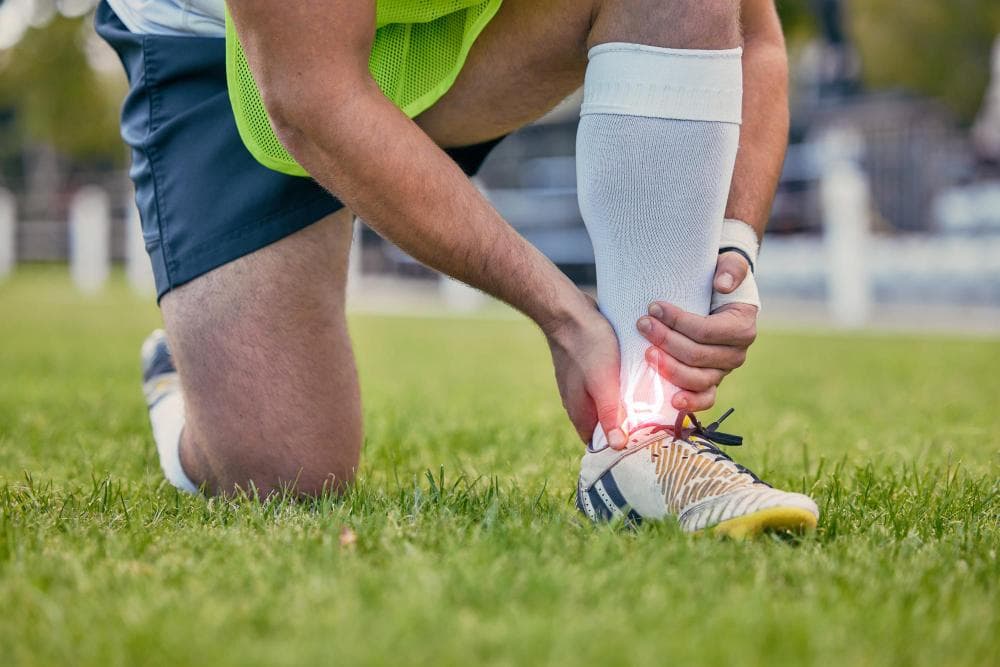
Shoulders, elbows, knees, hips, fingers, ankle these are the usual suspects. Most of the time, people end up with a dislocation after a bad fall, a rough tackle, or some sudden twist. Getting help quickly and having it treated right makes a huge difference. The sooner one acts, the better the outcome.
This guide breaks down what dislocations are, what causes them, how doctors fix them, and when one really needs to see an orthopedic specialist.
What Is A Bone Dislocation
It’s when the bones at a joint slip out of place and don’t line up the way they should. Suddenly, the joint doesn’t move right, and the pain can be intense.
There are two main types. With a complete dislocation, the bones separate entirely. With a partial dislocation, doctors call it a subluxation, where the bones shift but still touch a bit.
No matter which kind one is dealing with, one needs a doctor. Leaving it untreated can mess up the joint for good.
Causes Of Bone Dislocation
Why do bones get dislocated? Most of the time, it comes down to some kind of sudden force or stress hitting a joint the wrong way.
- Someone falling off a bike is considered one cause.
- People getting tackled during a game.
- Someone just landing weirdly after a jump can cause it too.
- Car accidents can cause it too.
- Sometimes one can slip or can twist their arm during a fight.
People who play sports or have previously injured their joints are more likely to experience this problem. Some people are just born with looser joints, which doesn’t help either. If the joints are already weak or unstable, it doesn’t take much to knock something out of place.
Symptoms Of A Dislocated Bone
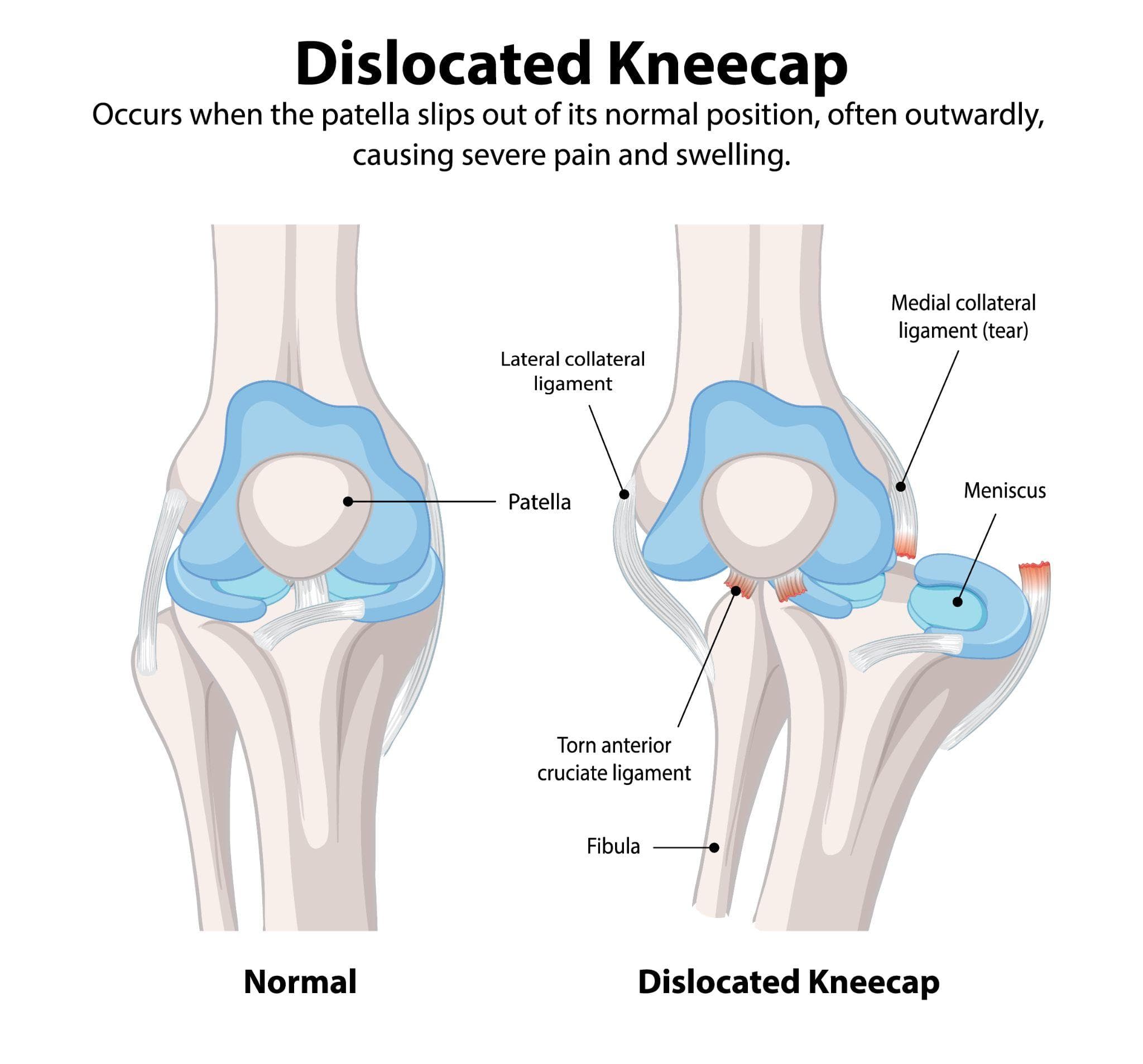
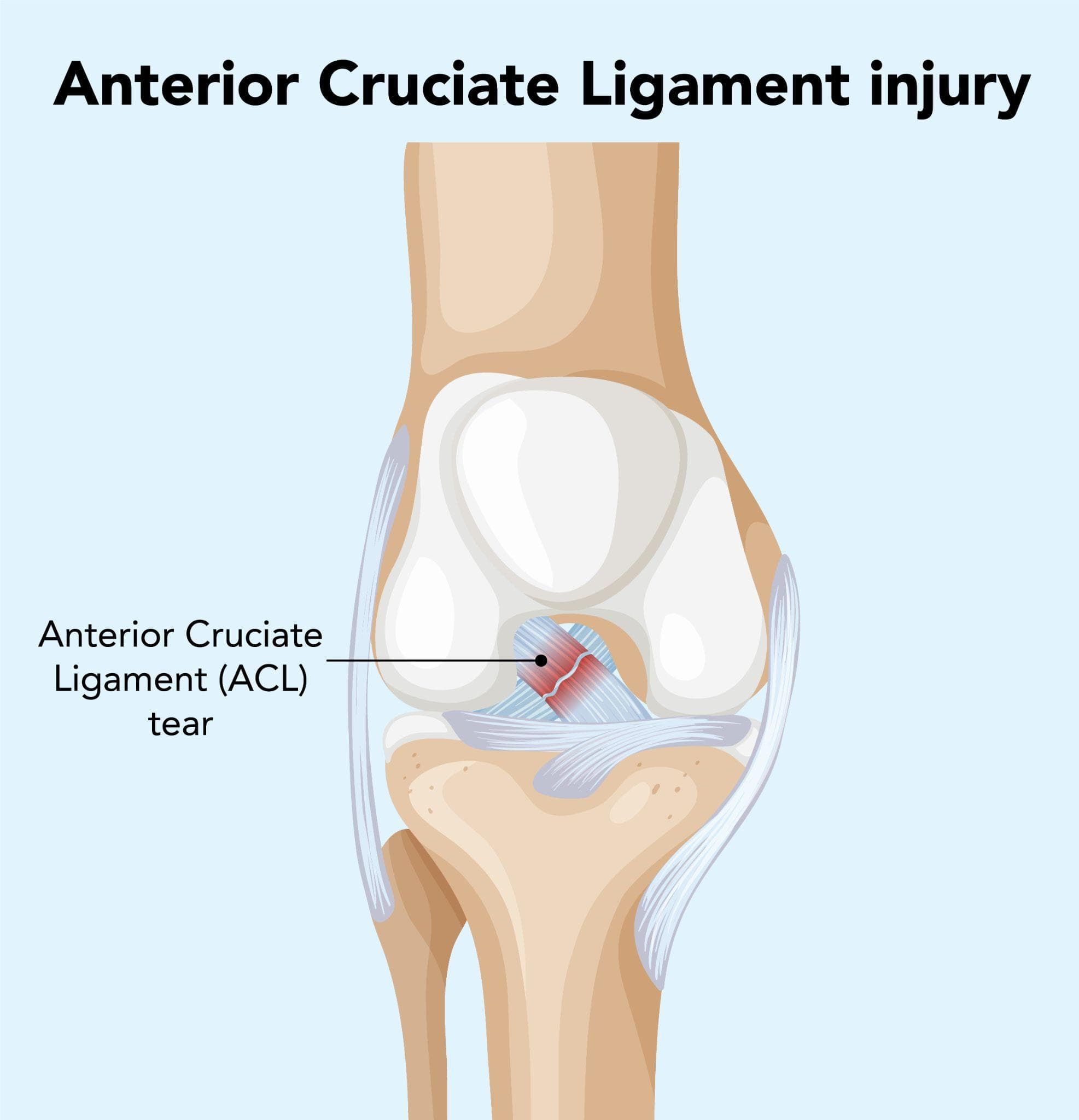
A diagram showing a dislocated kneecap.
A dislocated bone isn’t subtle and will show clear symptoms.
- One will experience sharp, intense pain immediately.
- The joint might look out of place or even twisted at a weird angle.
- Swelling shows up fast, and bruising often follows.
- Trying to move the joint becomes nearly impossible.
- If nerves get pinched, one might feel numbness or tingling.
- Sometimes the muscles around the joint start to spasm too.
If one thinks they themselves or someone else dislocated a bone, then don’t wait and get medical help immediately.
How A Dislocated Bone Is Diagnosed
Orthopedic Specialist diagnose dislocation through:
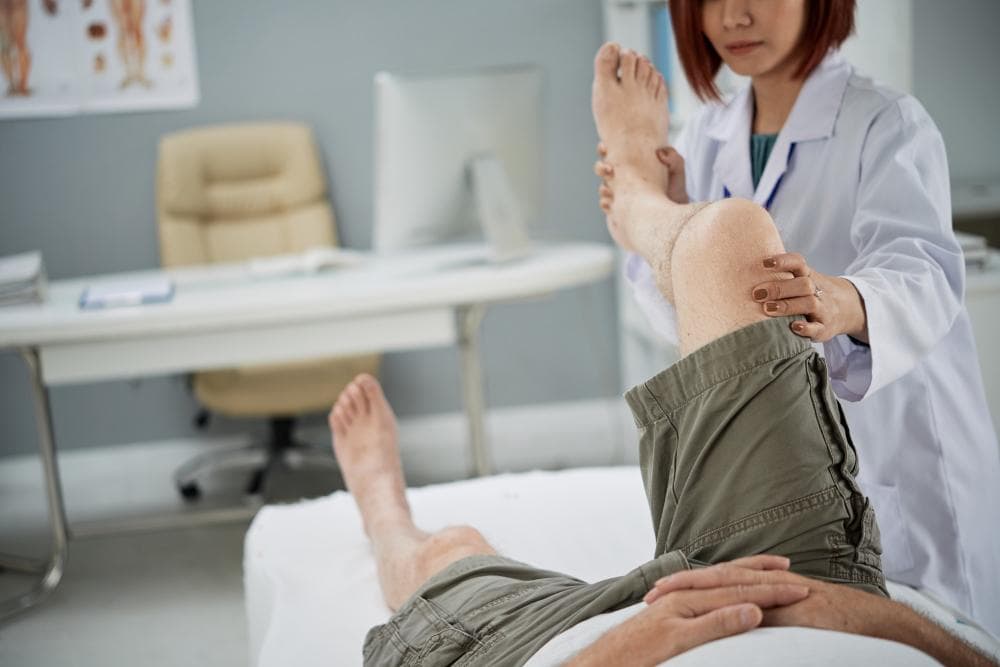
- The doctor checks the joint in person, looking it over, moving it a bit, and seeing how it feels.
- They’ll test how well one can move it, if one can feel things normally, and whether blood is flowing the way it should.
- Usually, they order an X-ray to be sure the bone’s out of place and to see if anything’s broken.
- If it looks like there’s damage to ligaments or other tissues, sometimes one will need an MRI or CT scan, too.
Catching a dislocation early makes a big difference. It keeps things simple and helps one heal faster.
Treatment Options For Bone Dislocation
The main goals for the treatment are to get the joint lined up right, keep pain under control, and make sure it doesn’t pop out again later.
1. Reduction (Joint Realignment)
Doctors usually guide the bone back into place by hand. Sometimes one will need a local anesthetic or even sedation to help with pain and keep the muscles relaxed.
2. Immobilisation
Once the joint’s back where it belongs, one will probably get a splint, sling, or brace. These keep everything still so the tissues and ligaments have a chance to heal.
3. Pain Management
In the first few days after the injury, painkillers or anti-inflammatory meds help keep things comfortable.
4. Physiotherapy And Rehabilitation
Physiotherapy matters a lot at the time of recovery. It helps one get one's strength and movement back, and it trains the joint to stay put so one doesn’t run into the same problem again.
5. Surgery (If Needed)
Surgery’s on the table when the ligaments are badly torn, the joint keeps popping out, or nerves and blood vessels get hurt.
If one is seeking treatment with specialised experience, proper care, and guidance, book an appointment with Dr. Mayank Chauhan in Noida and get proper recovery.
Recovery Time For Bone Dislocation
How long it takes to recover from a bone dislocation really comes down to a few things, like which joint got hurt, how bad the dislocation was, the age, general health, and how dedicated one is to rehab. If it’s a minor dislocation, one is usually back on their feet in a few weeks. If someone delays getting physiotherapy, that’s when one ends up with joints that never really feel stable again.
When To See An Orthopedic Specialist

A doctor is looking at an X-ray.
Medical attention becomes necessary when:
- The joints look strange or out of place.
- One is hit with a sudden and intense pain.
- Moving the joint is becoming painful.
- If there is numbness or weakness.
- Joints keep popping out of place again and again.
Letting these things slide just sets one up for permanent joint damage. So, if any of this sounds familiar, get help right away.
Final Thoughts
Dislocating a bone hurts a lot, but with the right care, one can bounce back to a healthy life again. Acting fast matters. Wait too long, though, and things just get trickier and take longer to heal.
If one wants a proper diagnosis and treatment plan, book an appointment with Dr. Mayank Chauhan in Noida. The main goal is simple: get the joint lined up again, ease the pain, build back the strength, and get back to normal life, feeling strong and comfortable.