Is Improper Bone Healing Causing Pain? Malunion Corrections Explained
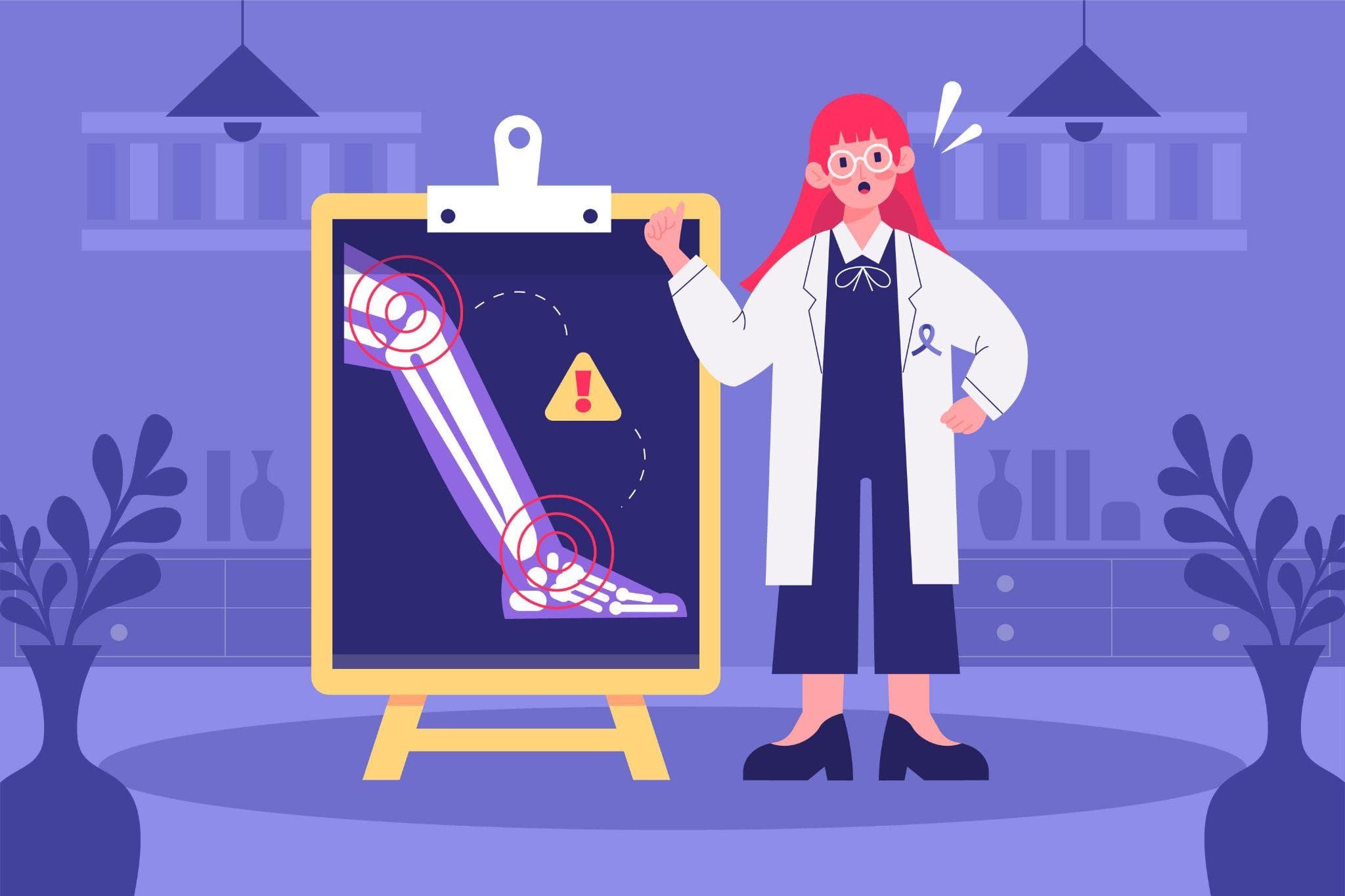
A female doctor stands beside a display board showing an arm diagram with highlighted points of concern.
A fracture is expected to heal with time, but sometimes the bone does not align properly during recovery. This condition, known as malunion, can lead to persistent pain, visible deformity, and difficulty in movement.
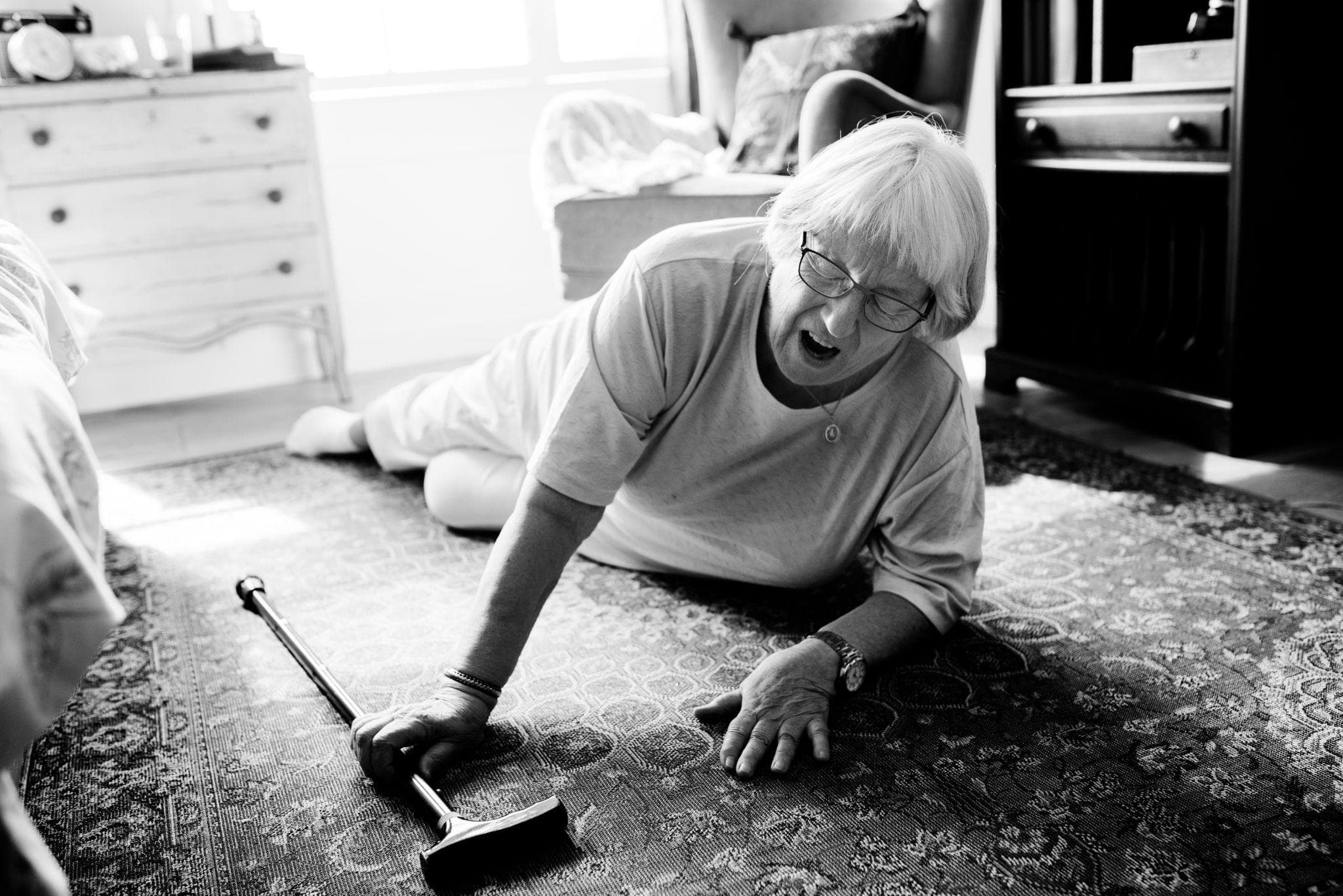
Many patients assume post-fracture discomfort is normal, but when pain continues or mobility is affected, improper bone healing could be the underlying cause. Malunion does not just affect the structure of the bone; it impacts daily function, posture, and overall quality of life.
With advancements in orthopedic care, malunion can be effectively treated and corrected. Understanding the condition early helps prevent long-term complications and restores normal function. In this guide, let’s explore what malunion is, why it happens, and how modern correction techniques can help patients regain pain-free movement.
What Is Malunion?
Malunion refers to a condition where a fractured bone heals in an incorrect position. Instead of aligning properly, the bone may heal at an angle, rotate, or shorten. This misalignment can interfere with normal joint mechanics and lead to uneven weight distribution, causing pain and functional limitations. Different types of malunion are classified based on how the bone heals incorrectly. Each type uniquely affects movement and function.
- Angular Malunion (Bone Heals At An Angle) - The bone heals with a bend, creating an abnormal angle that can affect posture and joint alignment.
- Rotational Malunion (Bone Twists Incorrectly) - The bone heals in a rotated position, leading to abnormal limb positioning and difficulty in movement.
- Shortening (Overlapping Bone Ends) - The fractured bone ends overlap during healing, resulting in a shorter limb and imbalance.
- Translational Malunion (Shifted Alignment) - The bone heals in a shifted position, where the ends are not properly aligned, affecting stability and function.
Causes Of Improper Bone Healing
Malunion can develop due to several factors related to the injury, treatment approach, and the patient’s overall health. When any part of the healing process is disrupted, the bone may not align correctly, leading to long-term complications.
1. Inadequate Fracture Stabilization
Proper immobilization is critical for correct bone healing. If the fracture is not securely stabilized using a cast, splint, or surgical fixation, even small movements can shift the bone fragments. Over time, this misalignment becomes permanent, resulting in malunion.
2. Delayed Or Improper Treatment
Timely and appropriate medical care plays a major role in fracture healing. Delayed diagnosis, incorrect reduction (alignment), or improper casting techniques can cause the bone to heal in the wrong position. Early intervention significantly reduces this risk.
3. Severe Or Complex Fractures
High-impact injuries, such as road accidents or falls from height, often cause comminuted (multiple-piece) fractures. These fractures are more difficult to align and stabilize, increasing the likelihood of improper healing despite treatment.
4. Poor Patient Compliance
Recovery does not depend only on treatment but also on patient behavior. Ignoring medical advice, putting weight on the injured limb too early, skipping follow-ups, or removing braces prematurely can disrupt the healing process and lead to malunion.
5. Infection Or Poor Bone Health
Bone infections can interfere with the normal healing cycle, weakening the structure and affecting alignment. Similarly, conditions like osteoporosis reduce bone strength, making proper healing more difficult.
6. Smoking And Alcohol Consumption
Smoking restricts blood flow and reduces oxygen supply to the healing bone, significantly delaying recovery. Excessive alcohol intake can also impair bone formation and weaken the healing response.
7. Poor Nutrition
Bones need adequate nutrients to heal correctly. Deficiencies in calcium, vitamin D, and protein can slow down the healing process and increase the risk of improper alignment.
8. Inadequate Blood Supply
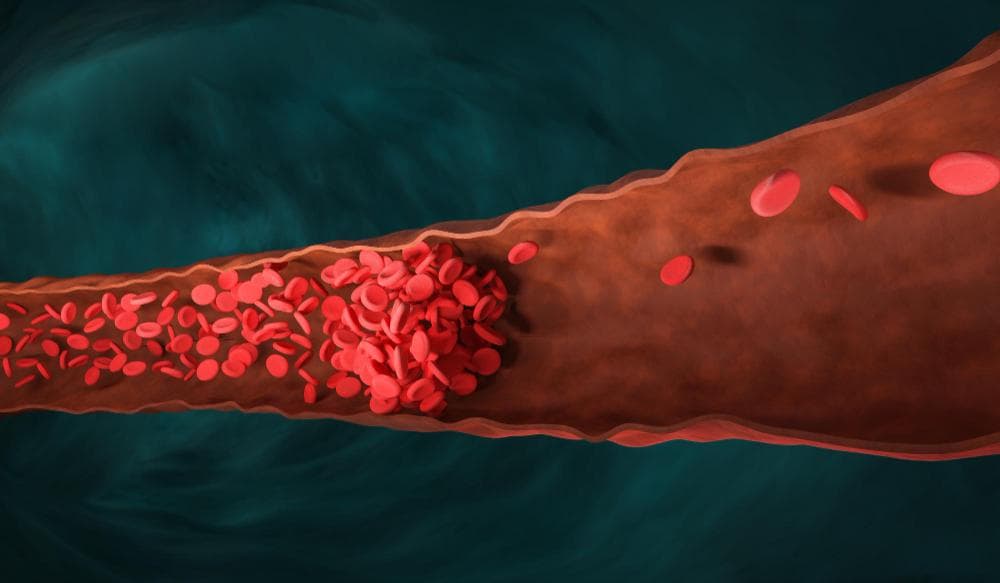
An illustration of red blood cells flowing through a blood vessel.
Healthy blood circulation is essential for delivering nutrients and healing factors to the fracture site. Poor blood supply, especially in certain bones, can result in delayed or faulty healing.
9. Improper Surgical Technique
In cases requiring surgery, incorrect placement of implants or inadequate fixation can lead to misalignment during healing. This highlights the importance of experienced orthopedic care.
10. Early Or Excessive Movement
While controlled movement is important during rehabilitation, excessive or premature activity can disturb the alignment of healing bones, especially in the early stages.
11. Associated Ligament Or Soft Tissue Injuries
Injuries involving surrounding ligaments and muscles can destabilize the fracture site. If these are not properly addressed, they can indirectly contribute to improper bone healing.
Symptoms Of Malunion
Improperly healed fractures often present noticeable and persistent symptoms.
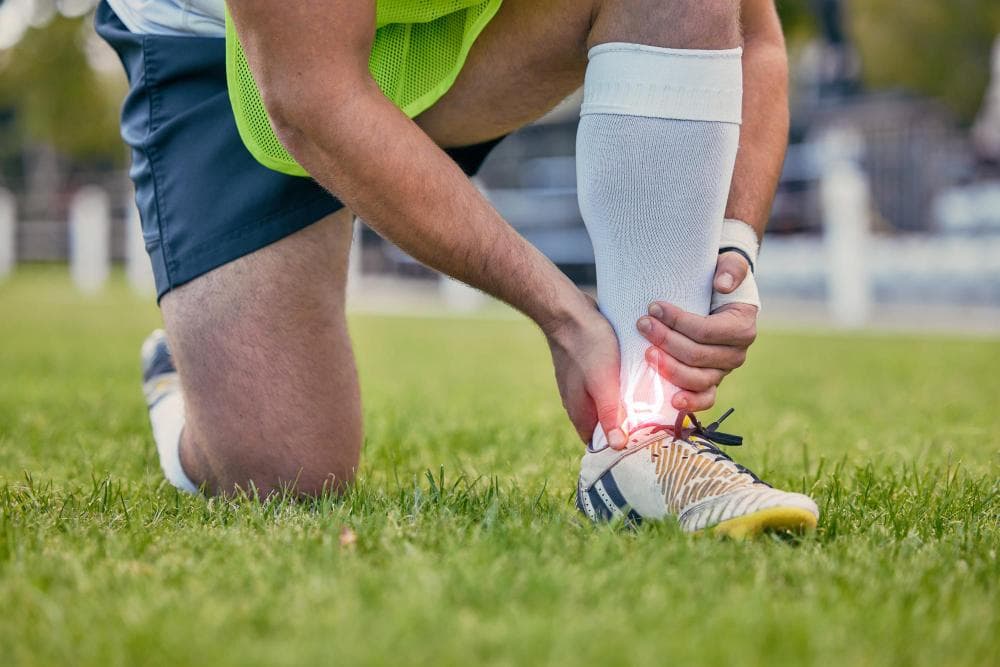
- Persistent Pain - Pain that continues even after the expected healing period is a key indicator.
- Visible Deformity - The affected limb may appear bent, shortened, or misaligned.
- Limited Range Of Motion - Joint stiffness and restricted movement are common due to altered biomechanics.
- Weakness and Instability - Muscles around the affected area may weaken, leading to instability.
- Difficulty in Daily Activities - Simple actions like walking, lifting, or gripping objects may become challenging.
How Malunion Causes Pain
Pain in malunion is not just due to the bone itself, but the way it affects surrounding structures.
- Abnormal Joint Stress - Misaligned bones place uneven pressure on joints.
- Muscle Imbalance - Surrounding muscles overcompensate, causing fatigue and pain.
- Nerve Irritation - Improper alignment may compress nearby nerves.
- Altered Movement Patterns - Leads to chronic strain and discomfort.
Treatment Options For Malunion
Treatment depends on the severity of deformity, symptoms, and how much it affects daily function. The goal is to reduce pain, restore alignment, and improve movement.
1. Physiotherapy
Focused exercises help strengthen surrounding muscles, improve joint mobility, and correct movement patterns. This reduces strain on the affected area and improves overall function.
2. Pain Management
Medications and supportive therapies are used to control pain and inflammation, making daily activities more comfortable.
3. Bracing And Support
Braces or orthotic supports help stabilize the affected limb, improve alignment during movement, and prevent further stress on the bone.
4. Osteotomy (Bone Realignment Surgery)
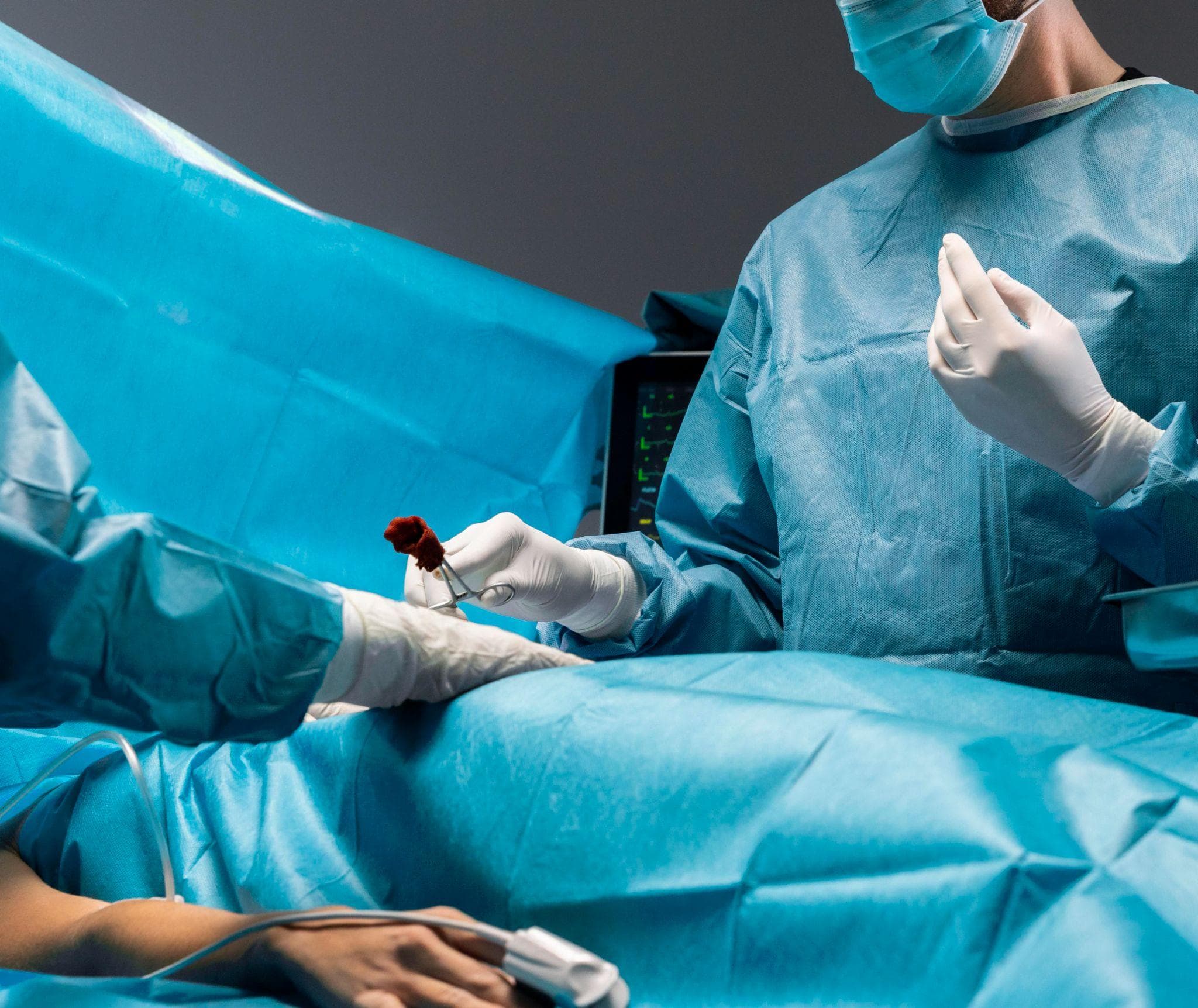
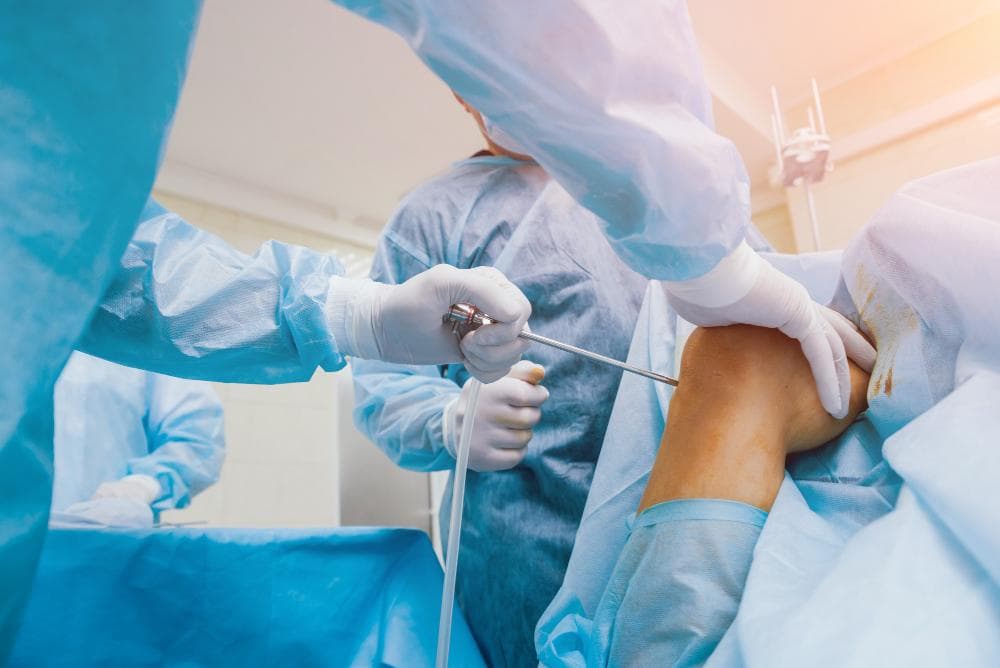
The surgeon carefully cuts the improperly healed bone and repositions it into the correct alignment. This is the most common and effective method for correcting deformity.
5. Internal Fixation
Metal plates, screws, or rods are used to hold the bone securely in its corrected position while it heals, ensuring stability and proper alignment.
6. Bone Grafting
If there is bone loss or gaps after correction, bone grafts are used to fill the space and promote stronger healing.
7. Limb Length Correction
In cases where the bone has healed shorter, specialized techniques gradually restore normal length and symmetry.
8. PRP Therapy (Platelet-Rich Plasma)
This involves using the patient’s own blood components rich in growth factors to support tissue healing and reduce inflammation.
9. Stem Cell Therapy
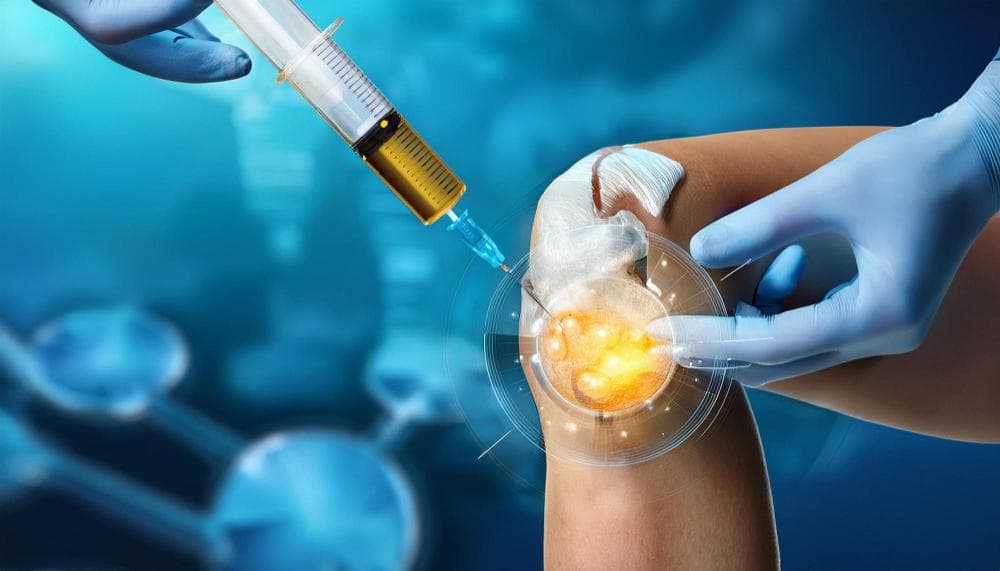
A syringe being injected into a knee joint against a blue background, illustrating a medical treatment.
Stem cells help in regenerating bone tissue and may improve healing outcomes, especially in complex or delayed cases.
Recovery After Malunion Correction
Recovery varies depending on the procedure and severity of the condition.
- Gradual weight-bearing under medical guidance
- Physiotherapy to restore mobility and strength
- Regular follow-ups for monitoring healing
- Return to normal activities over weeks to months
A structured rehabilitation plan is crucial for optimal outcomes.
When To See An Orthopedic Specialist
Early consultation can prevent complications and improve recovery outcomes.
- Pain persists long after fracture healing.
- Visible deformity or abnormal limb shape.
- Difficulty in movement or daily activities.
- Joint stiffness or instability.
- The previous fracture is not healed as expected.
Final Thoughts
Malunion is a serious but treatable condition. Ignoring persistent pain or deformity after a fracture can lead to long-term complications affecting mobility and quality of life. With timely diagnosis and the right treatment approach, patients can regain proper alignment, reduce pain, and restore normal function.
For accurate diagnosis and advanced malunion correction, consult Dr. Mayank Chauhan in Noida. With a patient-focused approach and modern orthopedic techniques, the goal is to correct the deformity, relieve pain, and help patients return to an active, healthy life.
Frequently Asked Questions (FAQs)
Is malunion serious?
Yes, it can lead to long-term pain and functional limitations if untreated.
Can malunion be corrected without surgery?
Mild cases may be managed, but most require surgical correction.
How long does recovery take after malunion surgery?
Recovery typically takes a few weeks to months, depending on severity.
Is malunion correction painful?
Post-surgical discomfort is manageable and improves with recovery and therapy.