Bone Health Tips For Women Over 40

A woman doing stretches.
Once you hit 40, your body starts to shift, especially when it comes to hormones. Estrogen, which keeps your bones strong, gradually drops as menopause gets closer. When that happens, your bones can get weaker and thinner, making fractures a real risk.
A lot of women don’t even realize their bones are getting fragile until they break something. So, prevention really counts. Keeping your bones strong after 40 isn’t just about dodging injuries. It’s about staying active, keeping your independence, and feeling good about yourself every day.
Let’s walk through some straightforward tips for bone health if you’re over 40, how to spot early signs of bone loss, and when it’s time to see an orthopedic specialist.
Why Bone Health Matters After 40
Bones aren’t just hard and static, they’re alive. They’re always breaking down and rebuilding. In your teens and twenties, your body builds bone faster than it loses it. But after your early 30s, things start to change. Bone loss picks up, and building slows down. For women over 40, this really starts to show.
- Bone density slips bit by bit.
- Osteoporosis risk goes up.
- Fractures become a bigger worry, especially in places like your hips, spine, and wrists.
- A small fall can lead to a serious break.
- When injuries do happen, bouncing back just takes longer.
If you don’t take care of your bones, it doesn’t take much, a little trip or stumble, and you’re dealing with real trouble.
Simple Bone Health Tips For Women Over 40
You don’t have to make huge changes to keep your bones strong as you get older. What really matters is sticking with a few good habits.
1. Eat More Calcium
Your bones need calcium, no question about it. After 40, it’s important to get enough every day. Try to add more of these to your meals:
- Milk, yogurt, and paneer
- Leafy greens like spinach
- Almonds and sesame seeds
- Foods with added calcium
If you’re not getting enough from food, your doctor can suggest a supplement.
2. Don’t Skip Vitamin D
Your body can’t use calcium well without Vitamin D. Most people don’t get enough, which weakens bones.
- Get outside for 15–20 minutes of sunlight most days.
- Eat foods high in Vitamin D.
- Take a supplement if you need to.
3. Do Some Strength Training
Bones get stronger when you use them. Weight-bearing and resistance exercises are great for this. Think:
- Brisk walks
- Light weights
- Climbing stairs
- Yoga
- Resistance band workouts
Strength training keeps your bones dense and gives your joints better support.
4. Keep A Healthy Weight
If you’re too thin, your risk of fractures goes up. Carrying too much weight stresses your joints. Staying in a healthy range protects your bones and helps you move better.
5. Watch The Caffeine And Processed Foods
Too much caffeine, salt, and processed food mess with calcium absorption. Enjoy them, but don’t overdo it.
6. Cut Out Smoking And Limit Alcohol
Smoking hurts your bones. Drinking too much alcohol weakens them and increases your risk of falls. Dropping these habits really pays off for bone health.
7. Get Your Bone Density Checked
A Bone Mineral Density (BMD) test, also called a DEXA scan, shows how strong your bones are. If you’re over 40, especially with risk factors, ask your doctor when you should get tested.
Common Bone Conditions In Women Over 40
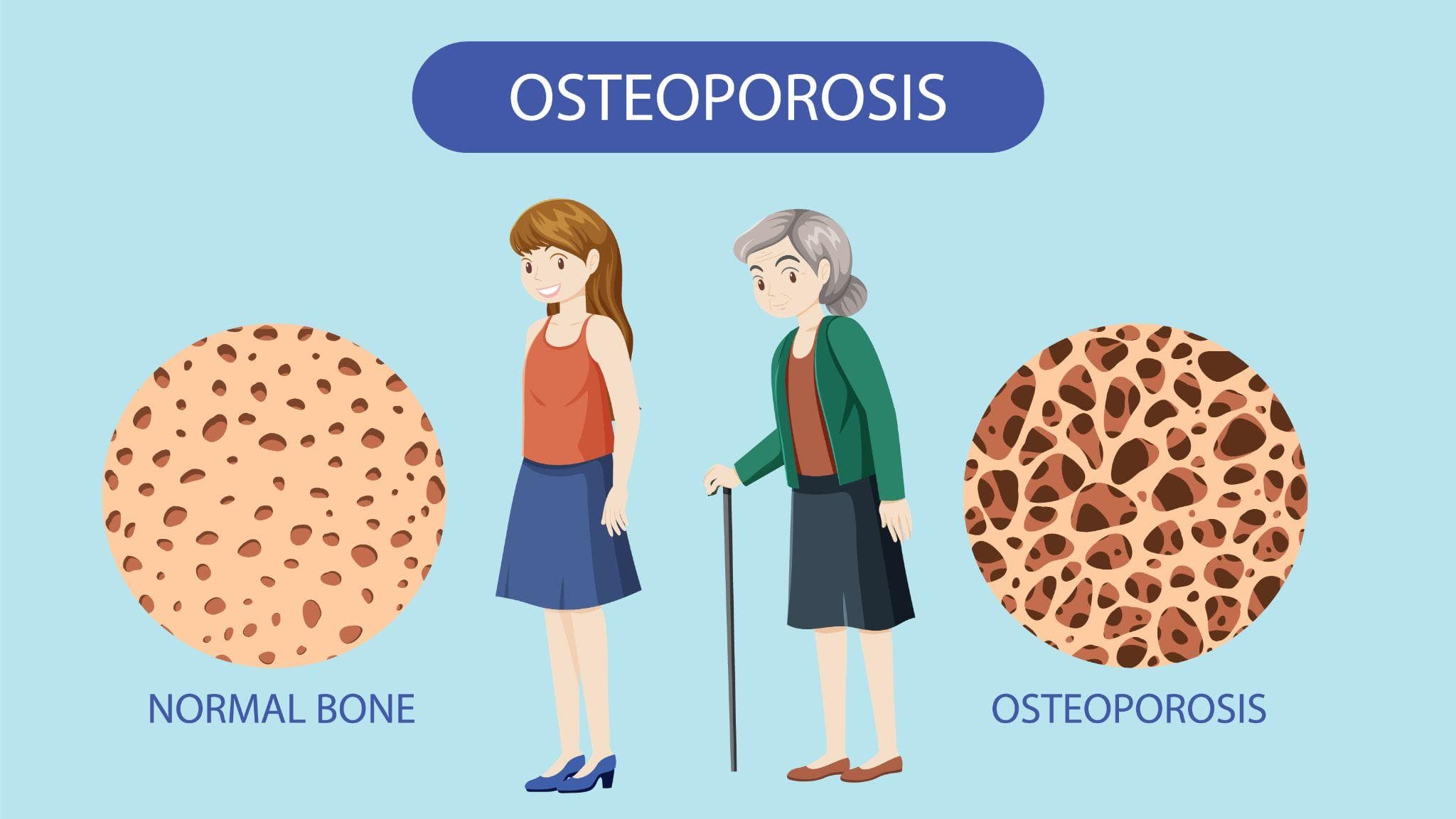
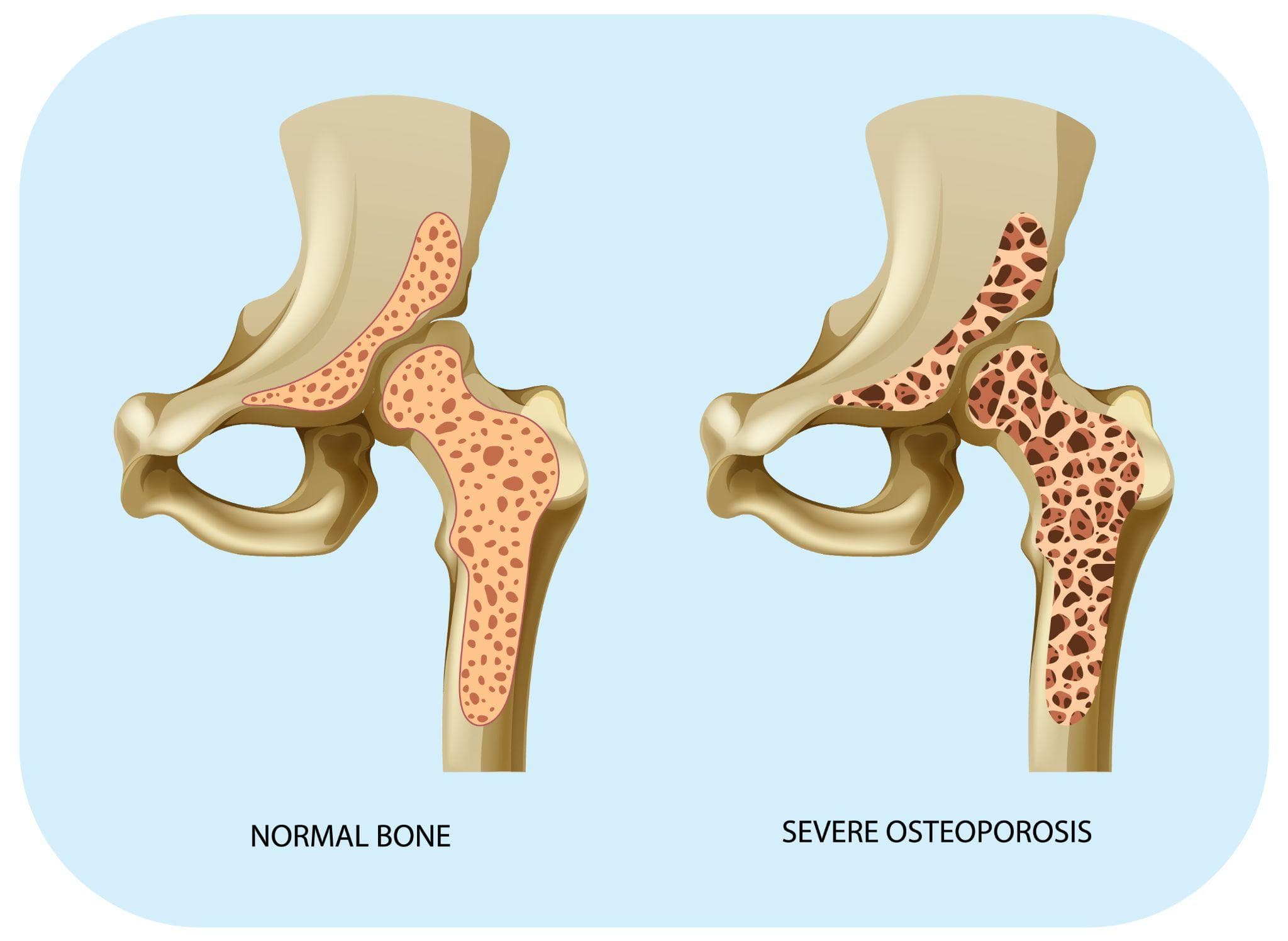
An illustration comparing the bone density of two women.
Once you hit 40, your body starts to change as hormones shift, and bones can take the hit. That’s when bone thinning and joint aches start to show up.
1. Osteoporosis
This is when your bones get weak and fragile, mostly after menopause, because your estrogen drops. The tricky part? You probably won’t notice anything until you break a bone, usually your hip, spine, or wrist.
2. Osteopenia
Think of this as bone loss’s warning sign. Your bone density dips below normal, but it’s not drastic yet. Still, if you ignore it, it can slide into full-blown osteoporosis.
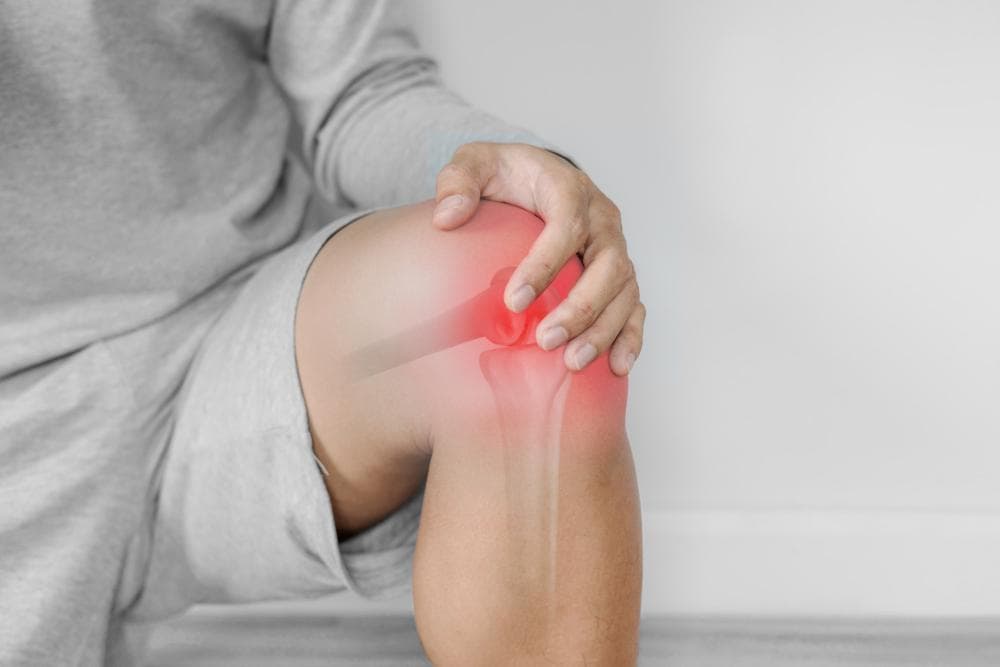
3. Joint Degeneration
Years add up, cartilage wears down, and joints get stiff or sore. You might feel it most in your knees, hips, or spine. Flexibility takes a hit, too.
Spotting these issues early makes a real difference. It keeps you moving and dodges bigger problems down the road.
Hormonal Changes And Bone Health
Once women hit their 40s, their hormones really start to shift, especially during perimenopause and menopause. Estrogen, which is used to quietly protect your bones by slowing their breakdown, starts to drop. And when that happens, things change fast.
- Bones break down more quickly than they rebuild.
- Bone density slips away, and bones get thinner and weaker.
- The risk of osteoporosis jumps up, especially in those first few years after menopause. Women can lose a big chunk of bone mass during this time if they don’t take action.
If menopause comes early, before 45, the risk climbs even higher. That’s more years with low estrogen, and bones feel the impact. On top of that, things like poor diet, not moving enough, or missing out on Vitamin D can make bone loss even worse.
That’s why it’s so important to keep an eye on bone health right now. Regular bone density checks, making sure you get enough calcium and Vitamin D, and doing strength training all help keep your bones strong and lower your chances of fractures down the line.
Women At Higher Risk Of Bone Loss
Some women lose bone faster than others, and a few things make that more likely.
- If osteoporosis runs in your family, you’re already at a higher risk.
- Sitting around a lot? That doesn’t help, as bones need weight-bearing exercise to stay strong.
- Thyroid problems can throw your hormones off balance and speed up bone loss. Rheumatoid arthritis doesn’t just hurt your joints, inflammation and medications can actually weaken your bones too.
- Taking steroids for a long time? That’s another way your body ends up absorbing less calcium and slowing down bone growth.
- If you’re underweight, you’re not off the hook either. Low body weight usually means lower bone density.
- Not getting enough vitamin D makes it even harder for your body to soak up calcium, which bones need to stay healthy.
- If you’ve ever had a fracture, even a small one, that’s a pretty clear sign your bones might already be weaker than they should be.
If any of this sounds familiar, don’t wait. Get your bone density checked early and talk to your doctor about what you can do to keep your bones strong. It’s better to catch problems before they turn into something serious.
Bone-Friendly Nutrients Beyond Calcium
There’s more to strong bones than just calcium, especially once you hit 40.
- Magnesium keeps your bone structure solid and helps your body actually use the calcium you get.
- Vitamin K2 steps in to make sure that calcium ends up in your bones, not where it shouldn’t be, like your arteries.
- Protein gives your bones their framework and keeps them strong.
- Omega-3s fight off inflammation and do your joints a favor, too.
So, if you want to keep your bones healthy for the long haul, don’t just focus on calcium, bring these other nutrients into the mix.
How An Orthopedic Specialist Can Help
An orthopedic specialist does a lot more than just check your bones.
- They look at your bone density.
- Catch early signs of bone loss, and figure out what’s really going on.
- If you need it, they’ll recommend changes to your daily routine.
- Suggest the right supplements or medicines.
- Help you find safe ways to stay active.
Getting help early keeps things from getting worse and lets you keep living life on your terms.
If you’re looking for real answers about your bone health, talk to Dr. Mayank Chauhan in Noida. He knows how to figure out exactly what your bones need, especially for women over 40. Dr. Chauhan doesn’t just hand out generic advice, he uses solid science to help you stay strong, avoid fractures, and keep living the active life you want.
When To See An Orthopedic Doctor
A doctor is examining an elderly female patient.
If you’re a woman over 40, it’s smart to talk to an orthopedic doctor if you keep breaking bones, deal with ongoing bone or joint pain, notice you’re getting shorter, or have a family history of osteoporosis. Early menopause and long-term steroid use are also red flags. Waiting too long just gives bone problems a chance to get worse.
Final Thoughts
Strong bones aren’t just nice to have after 40, they’re non-negotiable. Good food, smart exercise, and the right medical advice help women keep their bones healthy well into the future. The earlier you start, the better.
If you’re worried about bone pain, losing mobility, or osteoporosis, don’t guess, see a specialist. For expert care in Noida, Dr. Mayank Chauhan offers thorough evaluations and treatments you can trust. With the right guidance, women can protect their bones, avoid fractures, and keep moving for years.