Cartilage Damage Treatment: When Do You Need Restoration Surgery?
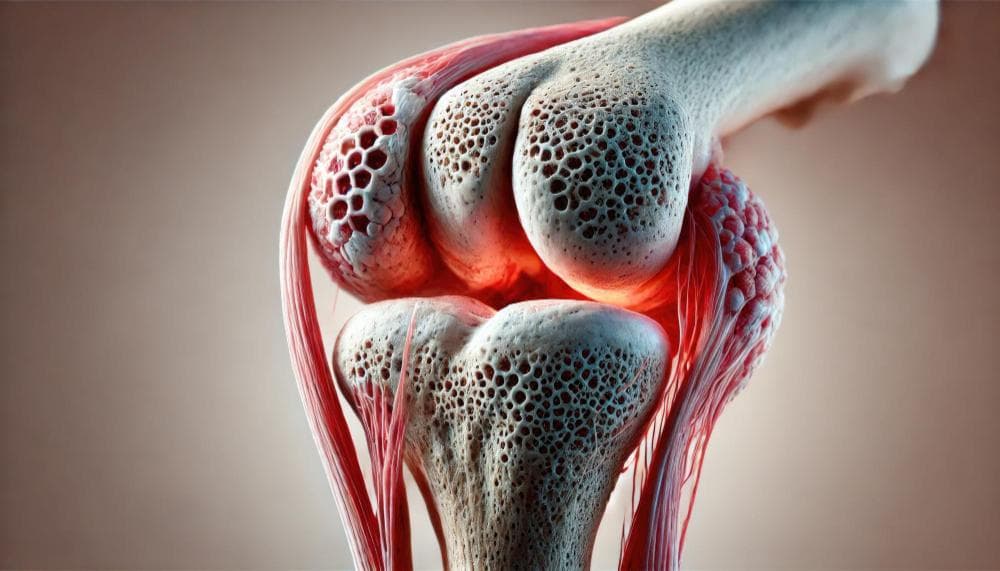
Side-on view of the knee, displaying the porous bone and surrounding cartilage.
Damage to the cartilage in the joints occurs more frequently than many people appreciate. It does not always follow on from a serious trauma or injury - it can develop gradually as the joint suffers from wear and tear. Because the cartilage has no supply of its own blood, it makes for slow and sometimes difficult healing processes.
Many individuals ignore warning signals, such as increased stiffness or an awareness of a joint having mild pain, and simply accept that it will eventually pass. However, if an injury to the cartilage is not treated correctly, long-term damage to the joint and potential arthritic problems may develop.
The method of treatment will largely be dependent on the severity of the injury; whilst many injuries can be treated with a course of non-surgical treatments, it may be necessary for a more complicated surgery, such as a cartilage regeneration operation, to be undertaken. This will outline the methods of treating cartilage injuries and in what circumstances the need for surgery is established.
What Is Cartilage Damage?
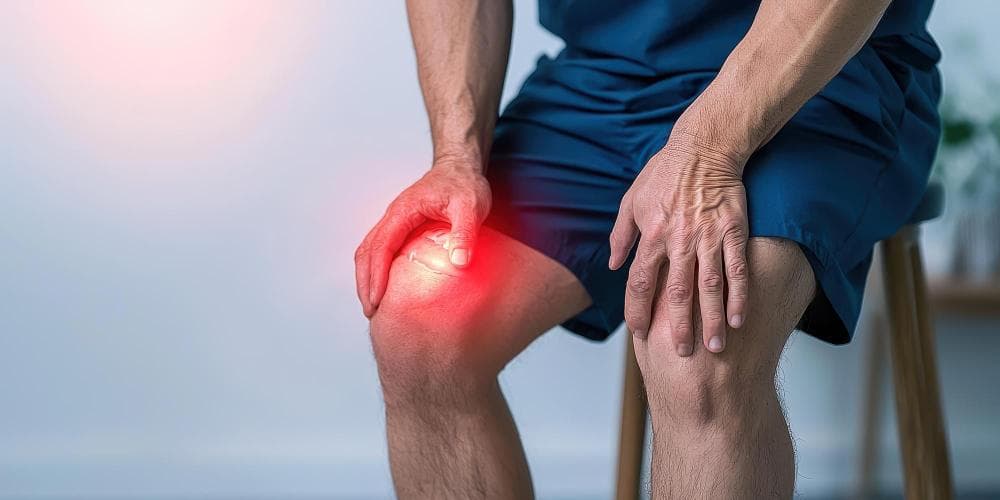
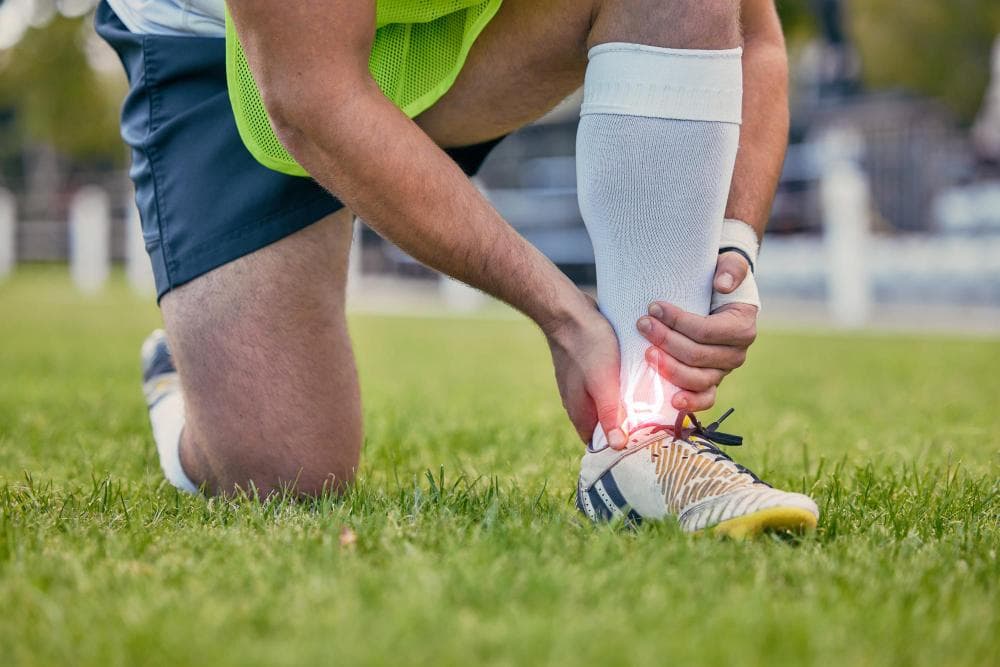
Cartilage is a smooth, rubber-like tissue covering the ends of the bones within a joint. This permits them to glide over one another with relative ease. Damage to cartilage from injury, excessive wear and tear, or aging can cause pain, swelling, and restricted mobility. Such damage often occurs at the knee, shoulder, ankle, and hip joints. Cartilage does not heal readily; a swift diagnosis and appropriate management are vital to avoid complications.
Common Causes Of Cartilage Damage
Articular cartilage can be damaged through a variety of causes:
- Injury or trauma - An accident, falling, sports-related activity, or any type of traumatic event could damage articular cartilage.
- Repetitive stress- Constant pressure on joints that occur with everyday activities, or poor posture, puts repeated pressure on the cartilage
- Aging and wear & tear - Over time, articular cartilage begins to break down.
- Obesity - Excess weight puts extra pressure on joints, particularly the knees.
- Joint misalignment - Improper positioning in the joint leads to an uneven wearing away of the articular cartilage.
Symptoms Of Cartilage Damage
Symptoms vary in relation to the degree of cartilage damage, but include the following:
- Joint pain when moving the affected area.
- Inflammation and/or swelling.
- Stiffness, particularly after sitting still for a while.
- Clicking or grinding noise in the joint.
- Decreased movement in the joint.
It is important to seek medical advice if any of these symptoms persist.
Non-Surgical Treatment Options
In many instances, cartilage injuries do not need surgery. Many forms of non-surgical intervention may help relieve symptoms. The common forms are outlined below:
- Medication - Pain relievers and anti-inflammatory medications can assist in the relief of pain and reduce swelling.
- Physiotherapy - Specific exercises enhance strength and range of motion while minimising strain to injured cartilage.
- Lifestyle changes - Posture, correct weight management, and activity modifications may slow or cease cartilage damage progression.
- Bracing and support - Braces or support splints may help to maintain the joint's stability and reduce stresses during use.
- Injections - The use of either lubricating agents or regenerative treatments (e.g., Hyaluronic acid, platelet-rich plasma) may assist in relieving pain and other symptoms associated with cartilage damage.
What Is Cartilage Restoration Surgery?
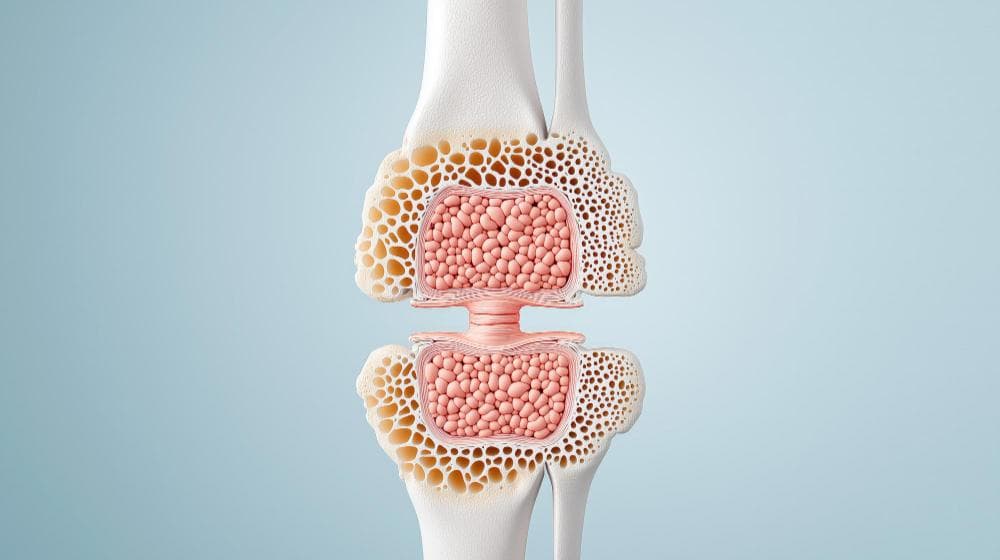
A cross-sectional view of a knee joint from the front, showing the white bone and pink cartilage between.
Cartilage restoration surgery is an orthopedic surgical procedure used to repair or replace damaged cartilage in a joint. This surgery aims to return the smooth functioning of a joint, decrease pain, and eliminate any further wear to the joint.
The human body does not heal cartilage very well on its own, so surgery can regenerate or replace lost or damaged cartilage with modern procedures. The most common areas to undergo this surgery are the knee, and it is the articular cartilage that normally requires replacement due to how frequently the knee joint is used in the body, and thus, damage causes a substantial impact.
There are a number of surgical approaches available depending on the damage to the joint, which can include: microfracture, cartilage transplantation, and grafting to reconstruct the affected area. This surgery is normally prescribed when medication and physiotherapy have not been sufficient in reducing the symptoms, or if there is a significant defect in the cartilage.
When Is Cartilage Restoration Surgery Needed?
For a lot of patients, they will be able to get better with non-surgical means, but for more advanced conditions, surgery may be appropriate:
- Pain continues with non-surgical care - Should you continue to suffer from pain with medications, physiotherapy, and a changed lifestyle, surgery may be warranted.
- Large, deep cartilage defects - With significant amounts of articular cartilage removed, a defect typically will not be able to regenerate and will require repair.
- Limited activity and pain interfering with everyday life - When knee stiffness and pain make it difficult to walk, work, or complete daily routines, then surgery may be considered.
- Young, active individuals - Repair early on in younger individuals is crucial to avoid further degenerative processes of the joint, leading to premature arthritis.
- Locking/catching - Locking or catching sensations in a joint typically signify severe cartilage damage that needs to be repaired surgically.
Types Of Cartilage Restoration Procedures
Nowadays, various kinds of sophisticated surgeries are available at modern orthopedics to repair damaged cartilage. The type of surgery opted for is dependent upon factors such as the size of the defect, the age of the patient, the activity of the patient, and the condition of the joint as a whole.
1. Microfracture Surgery
One of the common techniques of cartilage restoration is typically used for smaller cartilage defects. In this surgical procedure, a few tiny holes are made in the subchondral bone, allowing blood and bone marrow cells to ooze out from the underlying bone and fill the defective area.
The clot thus formed transforms to an area resembling cartilage over time. This treatment is good for pain reduction and functional improvement, though the transplanted cartilage does not behave like the native one, and result may differ with time.
2. Autologous Chondrocyte Implantation (ACI)
This is a 2-step advanced cartilage restoration technique used for large cartilage defects. The first step involves the procurement of a few healthy cartilage cells from the patient's knee, which are sent to a lab and multiplied.
In the second step, the cultured cells are implanted back into the defective area, promoting cartilage regrowth. This procedure produces better results in case of a more natural cartilage, which is long-lasting and hence recommended more for younger, active individuals.
3. Osteochondral Grafting
This surgical procedure is otherwise known as cartilage transplantation. In this technique, healthy cartilage is harvested with some part of the underlying bone and grafted to the defective area. This cartilage can be from the patient themselves (autograft) or from a donor (allograft).
This helps in providing the cartilage surface that behaves like a native one and is ideal for medium to large defects. The recovery is lengthy but highly rewarding when performed by a professional.
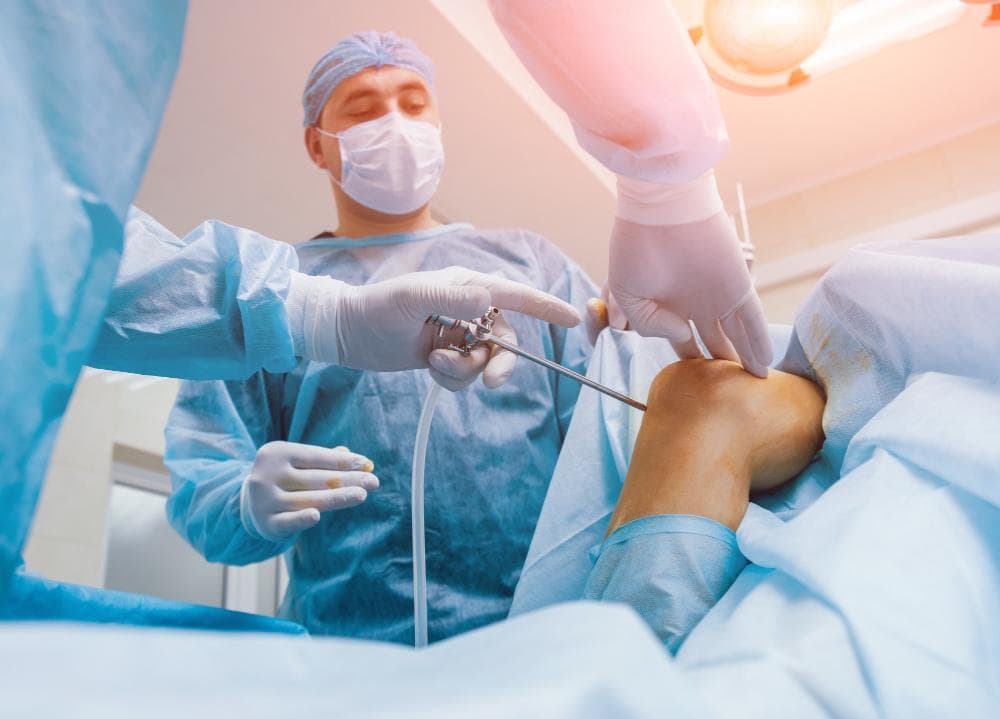
4. Arthroscopic Debridement
This is a keyhole minimally invasive procedure performed under the assistance of an arthroscope, a small camera. This procedure removes loose and torn fragments of cartilage from the knee joint that can cause pain, swelling, or locking of the knee. It does not stimulate regrowth of cartilage, though it offers temporary pain relief and functional improvement in initial or less significant defects.
All these procedures have different outcomes and suitability for patients. All the treatments are recommended based on evaluation by an orthopedic specialist. Patients can seek Dr. Mayank Chauhan's consultation at Noida for proper diagnosis and the latest cartilage restoration therapies.
The treatment administered by the expert is patient-oriented and makes use of the latest surgical procedures to get rid of the pain and improve joint functioning so that people can resume a normal and active pain-free lifestyle.
Recovery After Cartilage Surgery

A doctor is doing physiotherapy on a patient.
The recovery period following cartilage surgery depends upon the severity of the condition and the type of procedure performed. Generally, the following can be expected:
- Structured physiotherapy and rehabilitation programs will be required.
- A gradual return to exercise and activities.
- Focus on mobility and strength work.
- Periodic reviews with the orthopaedic specialist will be necessary.
A full recovery may take several months; however, adequate rehabilitation will provide optimal long-term outcomes.
When To Consult An Orthopedic Specialist
It is advisable to consult a specialist if any of the following conditions occur:
- Pain that does not improve over several weeks.
- Recurrent or consistent joint swelling.
- Progressive restriction in joint movement.
- Impact on everyday activities.
- If previously utilized treatments are not helping.
Final Thoughts
Cartilage damage must never be overlooked because it may eventually be the cause of other debilitating health problems. Although most common conditions of the knee will improve with non-surgical interventions alone, there are those that will need surgical procedures to reestablish joint function.
The patient who undergoes a thorough evaluation by an experienced orthopedic doctor will ultimately be put on the best treatment for them. The highly qualified orthopedic, Dr. Mayank Chauhan, provides state-of-the-art treatment in Noida to his patients that is targeted toward pain reduction, functional restoration of the joint, and maintaining long-term health of the knee.
Frequently Asked Questions (FAQs)
1. Is cartilage damage self-healing?
No, there is minimal natural cartilage healing capacity, so surgery is often required.
2. When would surgery be indicated for restoring cartilage?
When the pain is ongoing, and movement is impaired, and when these cannot be controlled by non-surgical means.
3. How long does it take to recover after a cartilage operation?
This depends on the operation, but will usually be in the order of months and will be dependent on the individual and their rehab.
4. Is cartilage surgery effective?
If it is indicated, the patient can expect a significant reduction in pain and improvement in function in the joint.