Spine Problems — Orthopedic Surgeon or Neurologist? Here's How to Know

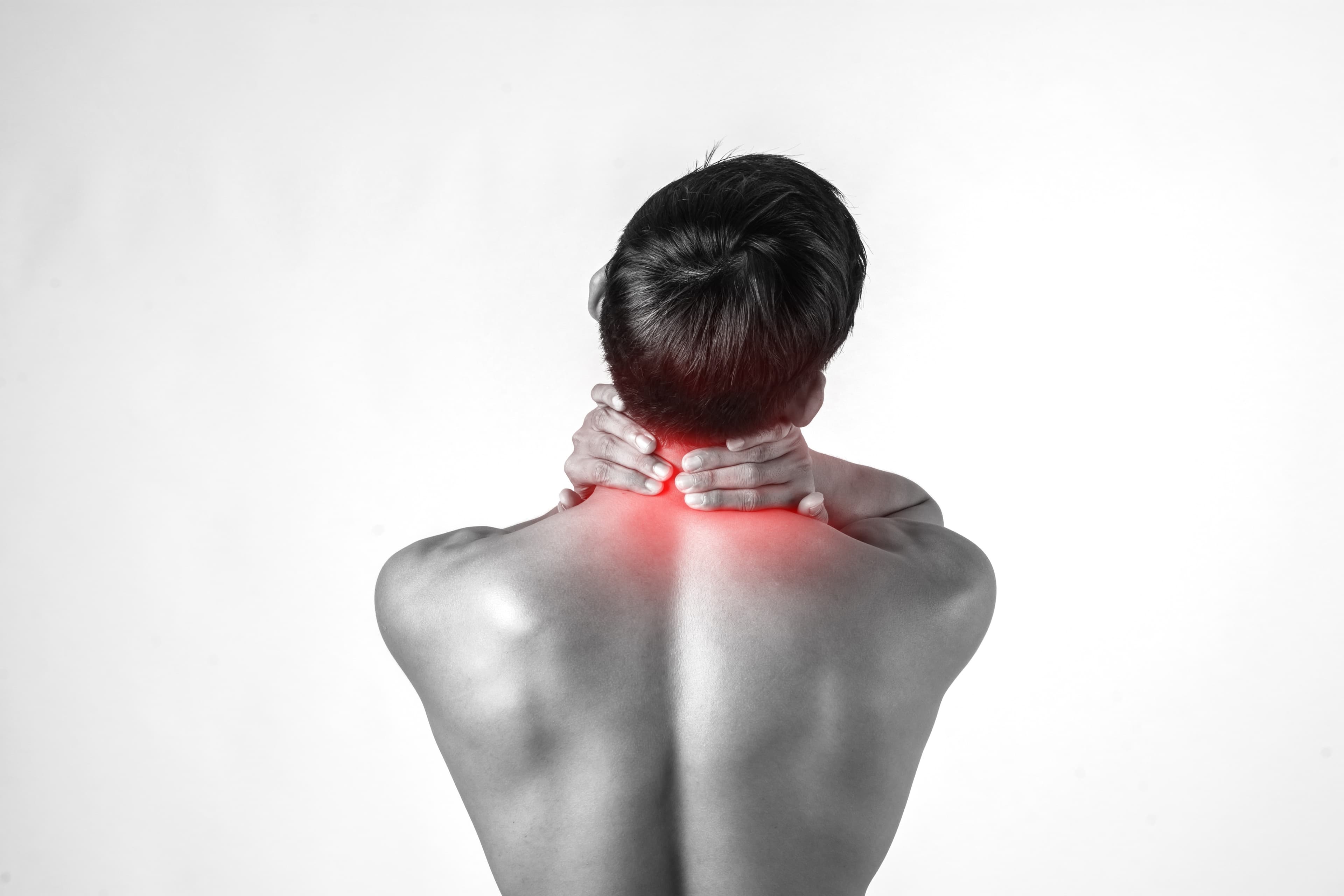
A woman experiencing back pain, a common sign that may require orthopedic evaluation to identify conditions like spine disorders or posture-related issues.
Back pain is one of the most common reasons people visit a doctor in India. And yet, when it happens — when the lower back locks up, when pain shoots down the leg, when the neck stiffens so badly that turning your head becomes an effort — most people don't know where to go first.
The two most common answers people get are: "See a neurologist" or "See an orthopedic surgeon." Both answers are sometimes right and sometimes wrong. The problem is that most patients have no framework to tell the difference, and end up either visiting the wrong specialist first or bouncing between the two without getting a clear answer.
This blog gives you that framework — clearly, practically, and without jargon.
First, What Is the Spine?
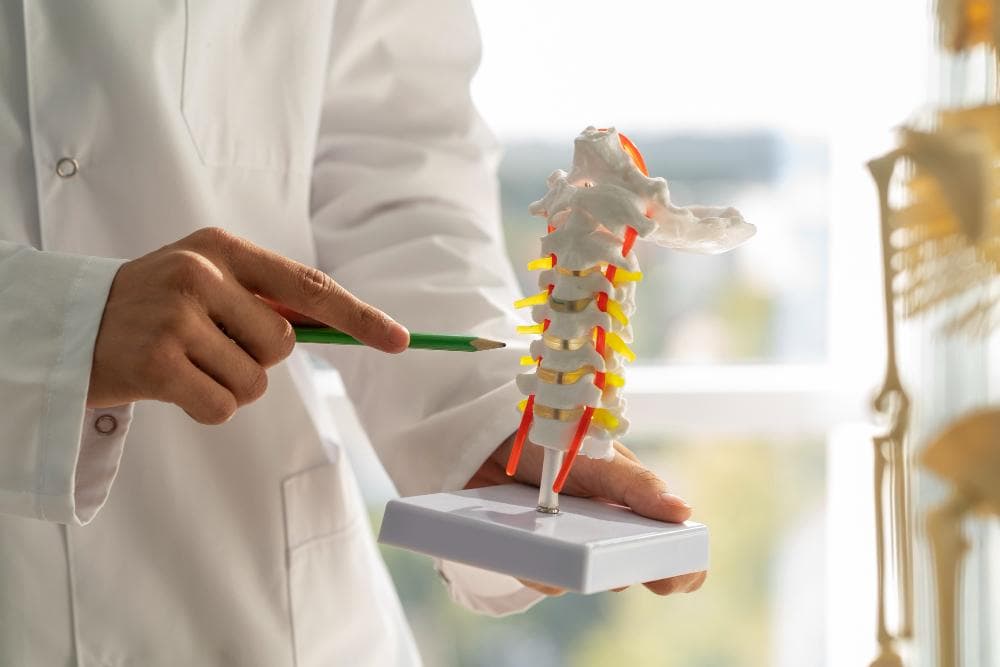
The human spine is made up of 33 vertebrae — small bones stacked on top of each other in a column from the base of the skull to the tailbone. Between each vertebra is a disc — a cushion-like structure with a tough outer ring (annulus fibrosus) and a gel-like centre (nucleus pulposus) that absorbs impact and allows the spine to flex.
Running through a channel in the centre of all these vertebrae is the spinal cord — the highway of nerve signals between the brain and the rest of the body. Branching off from the spinal cord at each vertebral level are nerve roots that exit through gaps between the vertebrae and travel to specific parts of the body.
This structure is why spine problems affect not just the back — but arms, legs, bladder function, sexual function, and breathing, depending on which part of the spine is involved and which nerves are compressed.
What Are the Most Common Spine Conditions?
1. Disc Herniation (Slip Disc)
The most commonly searched spine condition in India. A herniated disc — commonly called a "slip disc" in Hindi (slip disc or pisal gaya disc) — occurs when the gel-like inner material of a disc pushes through the outer ring and presses on a nearby nerve root or the spinal cord itself.
In the lower back (lumbar spine), this typically causes sciatica — pain, numbness, or weakness that radiates from the lower back down the leg, sometimes all the way to the foot. In the neck (cervical spine), disc herniation can cause pain, tingling, or weakness radiating down the arm and into the fingers.
2. Spinal Stenosis
Stenosis means narrowing. Spinal stenosis is a narrowing of the canal through which the spinal cord or nerve roots travel — usually caused by bone spurs, thickened ligaments, or bulging discs as part of the ageing process. It causes pain, heaviness, and weakness in the legs that typically worsens with walking and improves with sitting or bending forward.
3. Spondylosis (Cervical and Lumbar)
Spondylosis refers to degenerative changes in the vertebrae and discs — essentially, wear and tear of the spinal column with age. Cervical spondylosis affects the neck; lumbar spondylosis affects the lower back. These are extremely common in India, often beginning in the 40s and becoming near-universal by the 60s.
4. Spondylolisthesis
A condition where one vertebra slips forward over the one below it, causing back pain and sometimes nerve compression. Can be congenital (from birth), degenerative (from wear and tear), or post-traumatic (from injury).
5. Vertebral Fractures
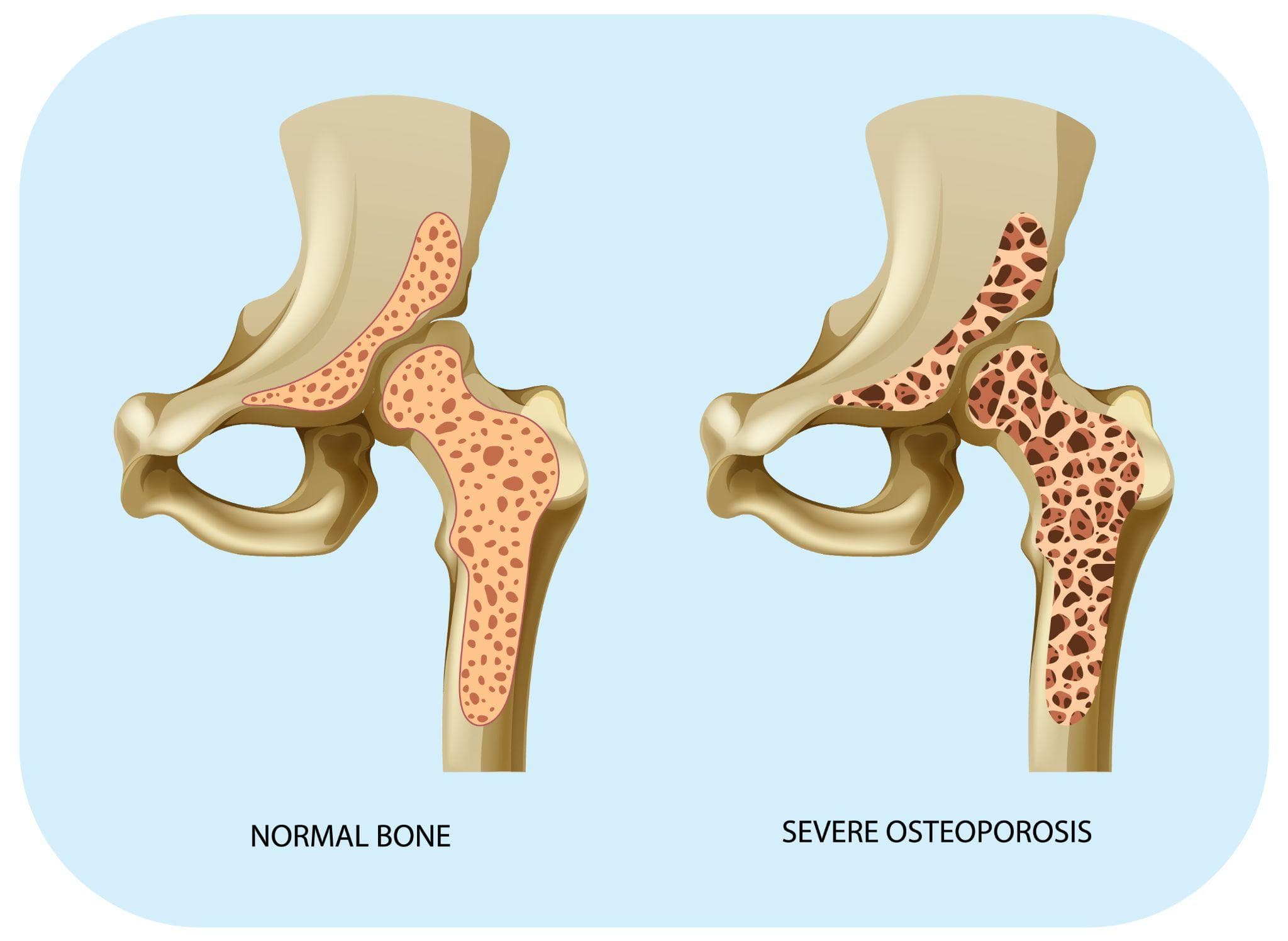
Fractures of the spine can result from trauma (road accidents, falls) or from osteoporosis — where the bone becomes weak enough to fracture under normal load (compression fractures). These are among the most serious and most underdiagnosed spine conditions in older Indian women.
6. Sciatica
Technically a symptom rather than a diagnosis — sciatica is pain along the sciatic nerve, caused by compression of the nerve root at the lower spine (usually L4, L5, or S1). It causes characteristic pain radiating from the lower back or buttock, down the back of the thigh and into the leg and foot.
7. Scoliosis
An abnormal sideways curvature of the spine. Can be mild and require only monitoring, or severe and require surgical correction.
Orthopedic Spine Surgeon vs. Neurologist — What's the Actual Difference?
This is where most patients get confused. Here's a clear breakdown:
1. Orthopedic Spine Surgeon
- Specialization: MS Orthopedics with additional fellowship training in spine surgery
- Focus: The structural, mechanical aspects of the spine — bones, discs, joints, ligaments
- Treats: Disc herniation, spinal stenosis, vertebral fractures, spondylolisthesis, scoliosis, spinal instability
- Approach: Both surgical and non-surgical
- Training note: Treats only the spine — does not manage brain conditions
2. Neurosurgeon (Spine)
- Specialization: MCh Neurosurgery — trained in both brain and spinal surgery
- Focus: The neurological aspects — the spinal cord, nerve roots, and their relationship to surrounding structures
- Treats: Spinal cord tumors, complex spinal cord injuries, severe nerve compression, conditions where brain and spine are involved simultaneously
- Approach: Surgical, with non-surgical management for appropriate cases
- Training note: Trained in both brain and spine — better suited for conditions where neurological complexity is primary
3. Neurologist (not Neurosurgeon)
- Specialization: DM Neurology — medical (non-surgical) specialist
- Focus: Diseases of the nervous system — epilepsy, Parkinson's disease, multiple sclerosis, peripheral neuropathy, migraines
- Does NOT perform surgery
- Treats spine-adjacent conditions through medication and investigation, refers to surgeons when structural intervention is needed
So Who Should You See First?
1. See an Orthopedic Spine Surgeon When
- You have lower back pain with or without leg symptoms
- You've been told you have a slip disc or disc herniation
- You have neck pain with arm tingling or weakness
- You have sciatica — pain radiating from the back down the leg
- You have spinal stenosis causing leg heaviness and difficulty walking
- You've had a fall or accident and have spinal fracture concerns
- You are over 60 and have developed significant back or neck pain — osteoporotic compression fracture is common and often missed
- You have a known scoliosis that is worsening or causing symptoms
2. See a Neurologist When
- You have symptoms that suggest a systemic nervous system problem — tremors, seizures, progressive generalized weakness, balance problems, double vision, memory loss
- Your doctor suspects multiple sclerosis, Parkinson's disease, motor neuron disease, or other neurological conditions
- You have widespread nerve symptoms that don't follow a single nerve root pattern (suggesting systemic neuropathy rather than a single spine level problem)
- Blood and other investigations suggest an inflammatory or autoimmune nerve condition
3. When Both May Be Needed
Complex spinal cord tumors, severe spinal cord injuries, or cases where spine and brain are simultaneously affected may require the involvement of both a neurosurgeon and orthopedic spine surgeon working together.
The practical rule for most patients in India: If your main complaint is back pain, neck pain, arm or leg symptoms related to the spine, or a spine injury — start with an orthopedic spine surgeon. This is the most common scenario, and it's where the majority of spine cases are best managed.
When Is Spine Surgery Actually Necessary?
This is the question every patient with a spine problem wants answered — and it's important to be honest.
Most spine conditions do not require surgery. The majority of disc herniations, sciatica episodes, and even some cases of moderate stenosis can be managed effectively with:
- Structured physiotherapy and core strengthening
- Anti-inflammatory medications
- Epidural steroid injections (targeted spinal injections) for nerve pain
- Activity modification and postural training
- Ergonomic changes at work and home
Surgery is considered when:
- Conservative treatment has been tried adequately (typically 6–12 weeks) and has not provided sufficient relief
- There is progressive neurological deficit — increasing weakness in a limb, worsening numbness, reduced reflexes
- There is cauda equina syndrome — a medical emergency where multiple nerve roots at the base of the spine are compressed, causing loss of bladder or bowel control and saddle-area numbness. This requires emergency surgery
- A vertebral fracture is unstable and at risk of causing or worsening spinal cord injury
- Severe, unrelenting pain that is not responding to all conservative measures and is significantly compromising quality of life
Surgery is not a failure of nerve — it is the right option for specific indications. The key is that those indications are properly established before proceeding.
Spine Care at Prakash Hospital, Noida
Dr. Mayank Chauhan, Senior Orthopedic Surgeon at Prakash Hospital, Sector 33, Noida, provides comprehensive spine assessment and management for patients across Noida, Greater Noida, and Delhi NCR.
His approach to spine conditions is thorough and conservative-first:
- Detailed clinical assessment and appropriate imaging (X-ray, MRI, CT)
- A clear explanation of the diagnosis and what it means for the patient's daily life
- Structured physiotherapy and non-surgical management as the first line
- Targeted injections where appropriate
- Surgical consultation when specific indications are met — with a clear explanation of what the surgery involves and what realistic outcomes look like
With over 15 years of clinical experience and training at premier institutions including Apollo Hospital (where he served during the 2013 Formula One Grand Prix as Medical Officer), SICOT Fellowship in Mumbai, and International Fellowship in South Korea, Dr. Chauhan manages both straightforward and complex spine cases from across the NCR region.
To book a spine consultation, call +91 7303245544.
Clinic hours: Monday to Saturday, 10 AM to 8 PM | Sunday, 10 AM to 2 PM
Location: D-12, 12A, 12B, Sector 33, Noida (next to ISKCON Temple)
Frequently Asked Questions (FAQs) About Spine Problems
Q1. My MRI says I have a slip disc. Does that mean I need surgery?
Not necessarily — and in most cases, no. Many people have disc herniations visible on MRI that cause no symptoms at all, found incidentally. Even symptomatic disc herniations very often resolve with conservative treatment over 6–12 weeks. Surgery is only recommended when conservative treatment fails or when there are specific neurological warning signs.
Q2. What is sciatica and can it heal without surgery?
Sciatica is pain radiating from the lower back down the leg along the path of the sciatic nerve, caused by nerve compression — usually from a disc herniation or bone spur. In the majority of cases (roughly 80–90%), sciatica improves with conservative treatment — physiotherapy, anti-inflammatory medications, and in some cases, epidural steroid injections. Surgery is reserved for cases that don't improve or where there is significant neurological deficit.
Q3. I have lower back pain for years. Is it always a spine problem?
Not always. Chronic lower back pain has many causes — muscle imbalance, poor core strength and posture, sacroiliac joint dysfunction, hip problems that refer pain to the back, kidney issues, and psychological factors all play a role. An orthopedic assessment separates structural spine problems from other causes and guides appropriate treatment.
Q4. Can children get spine problems?
Yes. Scoliosis (sideways spinal curvature) most commonly develops during adolescence and can worsen rapidly during growth spurts. School-age children should be assessed if there's a visible unevenness in shoulder height, a rib hump, or a tilted pelvis. Other conditions like Scheuermann's disease (kyphosis in teens) also require orthopedic management.
Q5. What is cervical spondylosis and how is it treated?
Cervical spondylosis refers to wear and tear of the cervical (neck) vertebrae and discs. It's extremely common after age 40. Symptoms include neck stiffness, neck pain, and sometimes arm symptoms from nerve compression. Most cases are managed with physiotherapy, ergonomic adjustments, and occasionally injections. Surgery is needed in a small proportion of cases where nerve compression is severe or progressive.
Q6. What does an epidural steroid injection do for spine pain?
An epidural steroid injection delivers corticosteroid medication directly into the space around the spinal cord and nerve roots, reducing inflammation around the compressed nerve. It provides pain relief that can last weeks to several months, allowing patients to participate more effectively in physiotherapy. It is not a permanent solution but can be a very effective bridge, especially for disc herniations with significant nerve pain.
Q7. How long does recovery take after spine surgery?
It varies by procedure. A minimally invasive microdiscectomy for disc herniation typically allows return to light activity within 2–4 weeks. Spinal fusion or decompression for stenosis may take 3–6 months for full recovery. Your surgeon will give you a realistic timeline based on the specific procedure performed and your overall health.
Q8. Is there anything I can do to prevent spine problems?
Several lifestyle factors significantly reduce spine risk: maintaining a healthy weight (excess abdominal weight shifts the lumbar spine's centre of gravity), strengthening core muscles through regular exercise, maintaining good posture at work (ergonomic chairs, screen at eye level), avoiding prolonged sitting without breaks, not smoking (smoking accelerates disc degeneration), and adequate calcium and vitamin D intake to protect vertebral bone density.
The information in this blog is for general educational purposes and does not constitute medical advice. Always consult a qualified orthopedic surgeon for accurate diagnosis and treatment specific to your spine condition.