Do I Need Calcium Supplements? An Orthopedic Surgeon's Honest Take
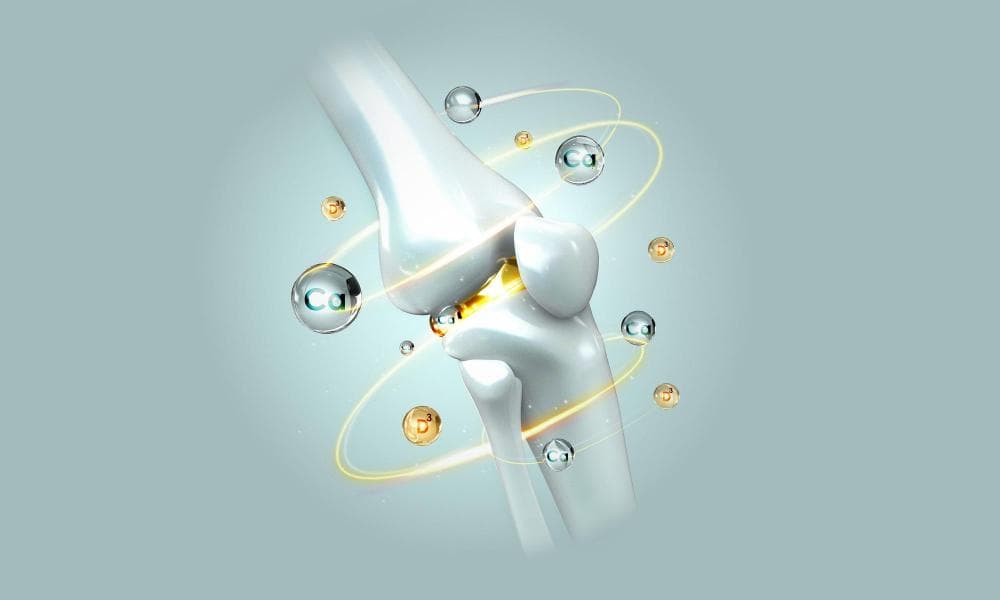
A digital illustration of a knee joint is shown, surrounding the joint are bubbles representing calcium and other elements that indicate synovial fluid and movement.
Walk into any pharmacy in India and you'll find an entire shelf dedicated to calcium supplements — in every form imaginable. Tablets, chewables, syrups, combinations with vitamin D3, with magnesium, with zinc. Doctors prescribe them. Families buy them "just to be safe." Older relatives take them daily without ever having their calcium levels checked.
But here's the honest question that often doesn't get asked: do you actually need them?
The answer is more nuanced than most people expect — and in some cases, taking calcium supplements without proper medical guidance can do more harm than good. As an orthopedic surgeon, this is a conversation that comes up almost daily, and it deserves a clear, straightforward explanation.
Why Calcium Matters for Your Bones
Calcium is the most abundant mineral in the human body. About 99% of your body's calcium is stored in your bones and teeth, where it provides the structural strength that allows you to stand, walk, and absorb impact without fracturing. The remaining 1% circulates in the blood and plays critical roles in muscle contraction, nerve function, and blood clotting.
Your body doesn't produce calcium — it must come entirely from what you eat or supplement. When dietary calcium intake is consistently too low, the body compensates by drawing calcium out of the bones to maintain blood calcium levels. Over time, this process weakens bones, reduces bone density, and increases the risk of fractures — a condition known as osteoporosis.
This much is well-established and undisputed. The question isn't whether calcium matters — it absolutely does. The question is whether most people need to supplement it, or whether diet can do the job.
How Much Calcium Do You Actually Need?
Calcium requirements vary by age and life stage.
A published survey by the Delhi Orthopedic Association found that the average dietary calcium intake in India is consistently below 500 mg/day — well under the 1,000 mg daily recommendation for adults. This gap is real, and it does matter for bone health across the population.
The key follow-up question, however, is whether reaching that gap through supplements is always the right answer.
Who Genuinely Needs Calcium Supplements?
Supplements are not universally necessary, but they are genuinely important for certain groups:
1. Post-Menopausal Women
After menopause, estrogen levels drop significantly. Estrogen plays an important role in maintaining bone density, and its decline accelerates bone loss. Post-menopausal women are among the highest-risk groups for osteoporosis and fractures. When dietary calcium intake is insufficient, supplementation is often recommended — typically alongside Vitamin D3, which is necessary for calcium absorption.
2. People with Osteoporosis or Low Bone Density
If a bone density scan (DEXA scan) shows osteoporosis or osteopenia, calcium and Vitamin D supplementation is standard as part of the treatment plan — alongside other medications in more advanced cases.
3. Vegetarians and Vegans with Limited Dairy Intake
Dairy products (milk, curd, paneer, cheese) are among the richest food sources of calcium. People who avoid dairy and don't compensate adequately with other calcium-rich foods (sesame seeds, ragi, green leafy vegetables, almonds) often fall short of their daily calcium needs.
4. People with Malabsorption Conditions
Conditions like coeliac disease, inflammatory bowel disease, and certain gut surgeries impair the body's ability to absorb nutrients from food — including calcium. In these patients, supplementation helps fill the gap that diet alone cannot.
5. Elderly Adults (Especially Those with Limited Sun Exposure)
Older adults tend to absorb calcium less efficiently, eat less overall, and often have low Vitamin D levels due to limited sun exposure — which further reduces calcium absorption. The combination of calcium and Vitamin D supplementation in this group has shown benefit, particularly in institutional settings.
6. Growing Children and Adolescents with Poor Diets
Adolescence is the period of peak bone mass development — the bones you build in your teens largely determine your skeletal strength for the rest of your life. Children and teenagers with very poor dietary calcium intake may benefit from supplementation during this critical window.
7. People Taking Long-Term Corticosteroids
Steroid medications — used for conditions like asthma, rheumatoid arthritis, and autoimmune diseases — are known to reduce bone density with long-term use. Calcium and Vitamin D supplementation is routinely recommended for these patients to protect bone health.
Who Probably Doesn't Need Calcium Supplements?
This is the part of the conversation that often surprises patients.
Healthy adults under 50 with a reasonably balanced diet that includes dairy products, some green vegetables, and moderate sun exposure often get enough calcium without supplementation. Their serum calcium levels remain normal — the body is remarkably efficient at regulating blood calcium even when dietary intake varies.
A significant body of research — including a 2025 review published in Current Osteoporosis Reports — concluded that calcium supplements do not prevent fractures in healthy, community-dwelling adults. Supplementing on top of an already adequate calcium intake doesn't add extra bone protection; it just adds extra calcium to a system that's already managing fine.
The takeaway: taking calcium supplements without knowing whether you actually need them is not a harmless habit.
The Risks of Taking Too Much Calcium
This is the most under-discussed part of the calcium conversation.
1. Kidney Stones
One of the clearest and most established risks of excessive calcium supplementation is a higher likelihood of kidney stone formation. Excess calcium that the body can't use is excreted through the urine, and when urine calcium levels are high, crystals form more easily in the kidneys. This risk is particularly significant for people who are already prone to kidney stones.
2. Cardiovascular Risk
Several large studies have found that high-dose calcium supplementation — particularly calcium carbonate taken in large doses — is associated with an approximately 20% increased risk of heart attack. The proposed mechanism is that supplemental calcium causes a rapid spike in blood calcium levels, which may promote calcification of arterial walls. This risk does not appear to apply to dietary calcium from food.
3. Gastrointestinal Side Effects
Constipation is the most commonly reported complaint with calcium supplements, particularly calcium carbonate. Bloating, gas, and abdominal discomfort are also common — and are frequent reasons why patients stop taking them.
4. Interference with Other Mineral Absorption
High calcium intake can reduce the absorption of other important minerals — particularly zinc and magnesium. Both play important roles in bone health and overall metabolic function. Taking calcium without magnesium supplementation when doses are high can worsen magnesium deficiency.
5. Hypercalcaemia (Too Much Calcium in the Blood)
While rare with dietary intake, excessive supplementation over time can push blood calcium levels too high. Symptoms of hypercalcaemia include fatigue, confusion, nausea, increased thirst, and in severe cases, kidney damage and irregular heartbeat.
The Critical Role of Vitamin D
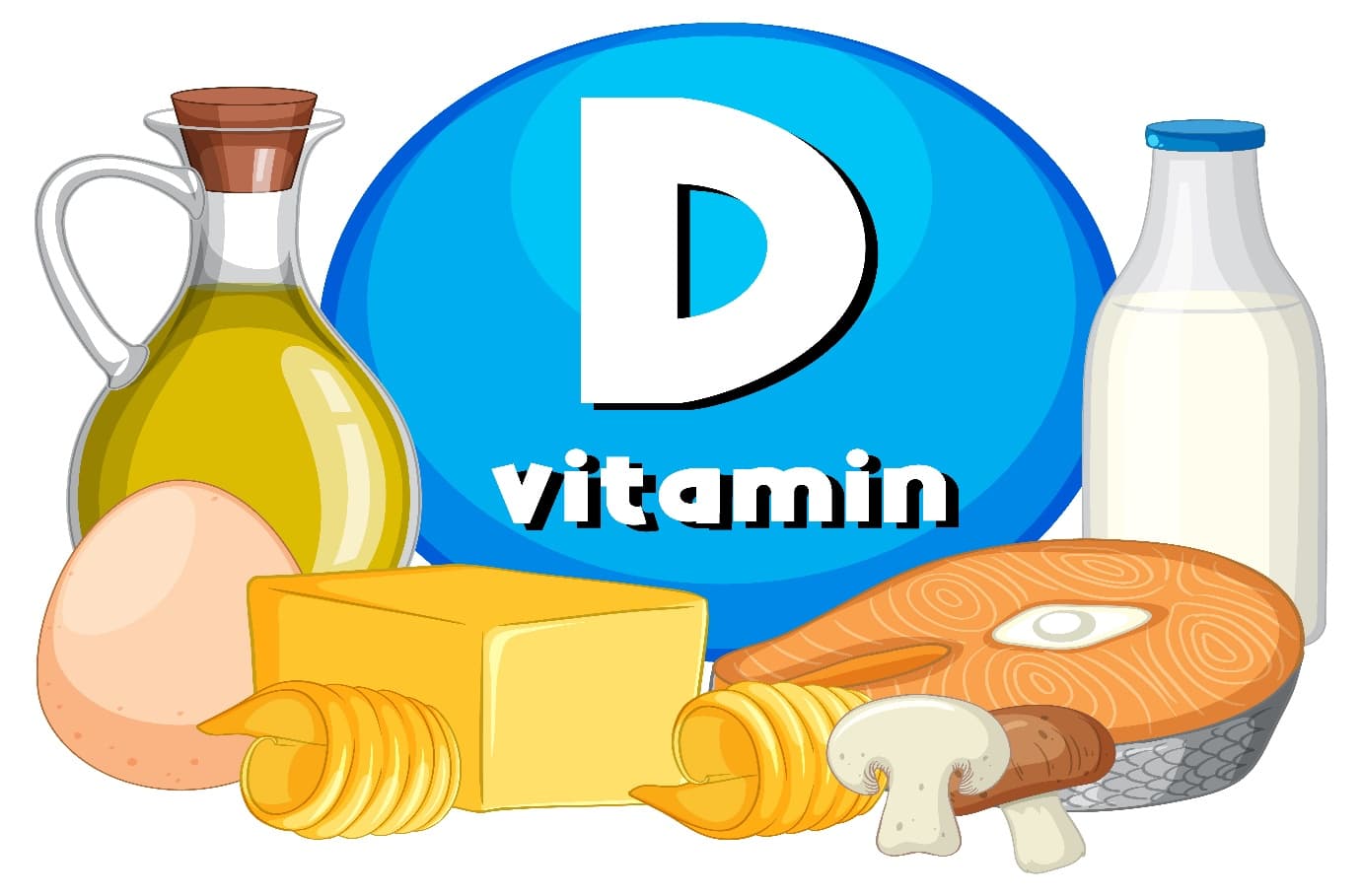
Calcium and Vitamin D are inseparable when it comes to bone health. Vitamin D is required for the intestine to absorb calcium from food. Without adequate Vitamin D, calcium simply passes through the gut without being taken up — no matter how much you consume or supplement.
India has a significant Vitamin D deficiency problem. Despite being a tropical country with abundant sunshine, deficiency is widespread — particularly in urban populations, office workers, women who stay indoors, and the elderly. The reasons include air pollution reducing UV penetration, darker skin pigmentation requiring more sun exposure for the same vitamin D production, and cultural habits of avoiding direct sun.

Natural Vitamin D from sun exposure along with supplement support for better bone and immune health.
If you're taking calcium supplements without addressing a Vitamin D deficiency, the supplements are far less effective. A blood test measuring 25-hydroxyvitamin D levels is a simple and important check, especially for anyone over 40 or with known bone health concerns.
Getting Calcium from Food — The Better Route
For most people, food is a far preferable way to meet calcium needs compared to supplements. Dietary calcium doesn't carry the same cardiovascular or kidney stone risks, and it comes packaged with other nutrients that support bone health.
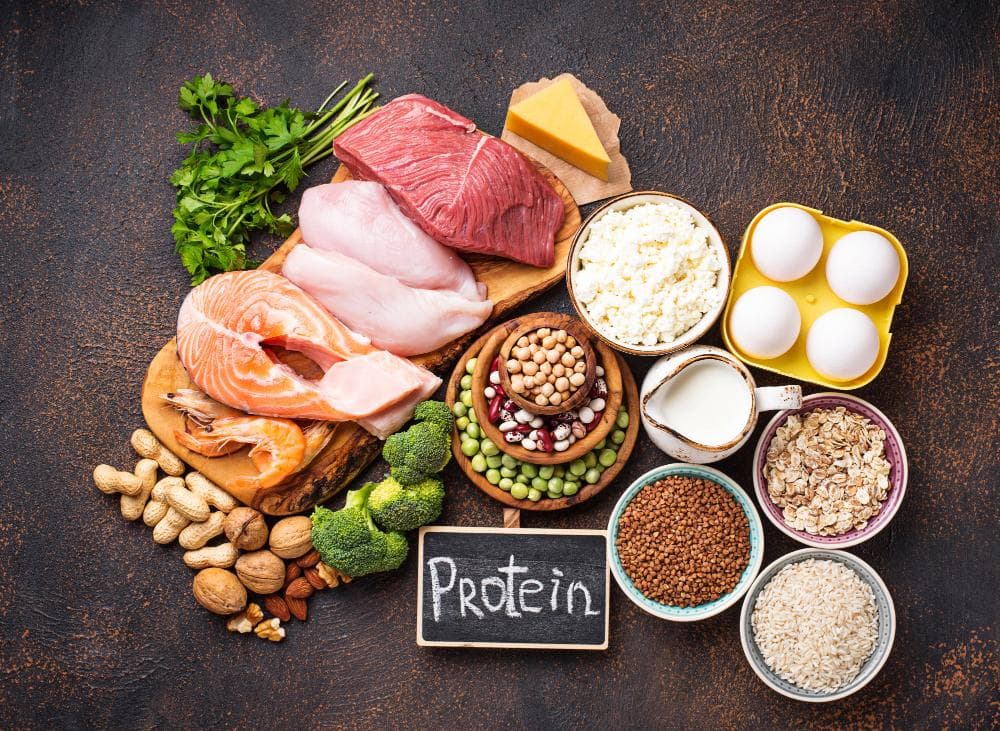
Excellent dietary sources of calcium include:
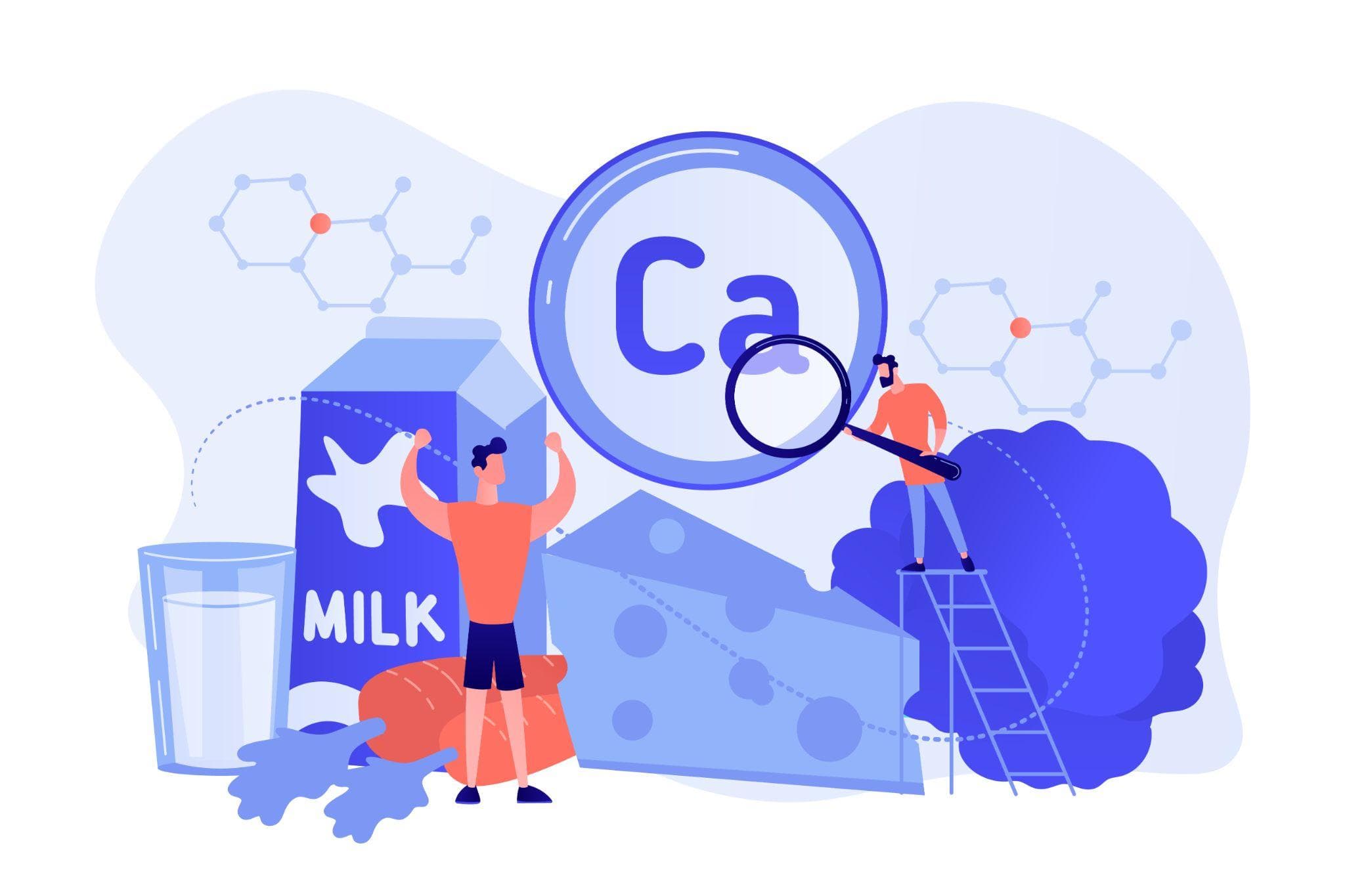
- Dairy products — Milk (approximately 300 mg per glass), curd/dahi, paneer, and cheese are among the richest sources
- Ragi (finger millet) — One of the best plant-based calcium sources available in India (approximately 344 mg per 100g), and an important food for people who don't consume dairy
- Sesame seeds (til) — Very high in calcium; used widely in Indian cooking
- Green leafy vegetables — Amaranth (chaulai), methi, moringa (drumstick leaves), and spinach all contain calcium, though the absorption from spinach is lower due to oxalates
- Almonds — A good snack-source of calcium
- Fish with edible bones — Sardines and small fish eaten whole are excellent calcium sources
- Soya products — Soya milk, tofu, and soya-based foods provide meaningful calcium, especially for vegetarians
- Fortified foods — Some packaged cereals, orange juices, and plant-based milks are fortified with calcium
A practical diet that includes two to three servings of dairy (or dairy equivalents), regular consumption of green vegetables, and some sesame seeds or almonds can cover a large portion of daily calcium needs without supplementation.
Should You Get Your Calcium Levels Tested?
Blood calcium tests are part of routine health checks, but they don't tell the complete bone health story — because the body maintains blood calcium levels in a narrow range by pulling from bones if necessary. Normal blood calcium doesn't mean your bones are fine.
For a proper assessment of bone health, consider:
- DEXA Scan (Bone Densitometry) — The gold standard for measuring bone mineral density. Recommended for women over 50, men over 65, anyone with a family history of osteoporosis, and younger patients with risk factors or previous fractures
- 25-OH Vitamin D blood test — To assess Vitamin D status before starting supplementation
- Serum Calcium and Parathyroid Hormone (PTH) — Helpful in some cases to understand how the body is managing calcium
What Type of Calcium Supplement Is Better?
If supplementation is recommended by your doctor, there are two main forms:
Calcium Carbonate — Higher elemental calcium content per tablet, less expensive, but must be taken with food for best absorption. More likely to cause constipation.
Calcium Citrate — Better absorbed, especially in people with low stomach acid (common in older adults and those on acid-reducing medications). Can be taken with or without food. Easier on the digestive system, but slightly lower calcium content per tablet and often more expensive.
Important: Calcium supplements should generally be taken in doses no larger than 500 mg at a time, as the body absorbs calcium less efficiently in larger doses. Taking 1,000 mg at once is not twice as effective as taking 500 mg twice.

Woman taking calcium supplements.
An Orthopedic Surgeon's Practical Advice on Calcium
After many years of treating bone and joint conditions across patients of all ages in Noida and Greater Noida, here is the practical guidance most relevant to everyday decisions:
- Don't self-prescribe calcium supplements without knowing your actual dietary intake and Vitamin D status — the two need to be assessed together
- Prioritize food sources wherever possible — ragi, dairy, sesame seeds, and green leafy vegetables are culturally accessible and nutritionally superior
- Get a Vitamin D level checked before starting calcium supplementation — addressing deficiency makes any calcium intake more effective
- Post-menopausal women and people over 65 should have a bone density assessment (DEXA scan) to understand their actual bone health status before deciding on supplementation
- Don't take more than the recommended dose — more is not better, and excess calcium has real risks
- Pair calcium with weight-bearing exercise — walking, jogging, dancing, and resistance training stimulate bone formation in ways that supplements alone cannot replicate
Bone Health Consultation in Noida
Whether you are concerned about osteoporosis, recovering from a fracture, managing arthritis, or simply want a clear picture of your bone health, Dr. Mayank Chauhan, Senior Orthopedic Surgeon at Prakash Hospital, Sector 33, Noida, provides thorough, evidence-based guidance.
With over 15 years of clinical experience, an international fellowship from South Korea, and a SICOT Fellowship in joint reconstruction from Mumbai, Dr. Chauhan takes a practical, patient-first approach — which means honest advice about what you need and what you don't, rather than routine prescriptions.
To book a consultation, call +91 7303245544.
Clinic hours: Monday to Saturday, 10 AM to 8 PM | Sunday, 10 AM to 2 PM
Location: D-12, 12A, 12B, Sector 33, Noida (next to ISKCON Temple)
Frequently Asked Questions (FAQs) About Calcium Supplements
Q1. Can I take calcium supplements on an empty stomach?
It depends on the type. Calcium carbonate requires stomach acid to be absorbed properly, so it should be taken with food. Calcium citrate can be taken with or without food and is a better option for people on acid-reducing medications or those who tend to take tablets in the morning before eating.
Q2. Is it safe to take calcium and Vitamin D together?
Yes — in fact, they work best together. Vitamin D is necessary for calcium to be absorbed in the gut. Most calcium supplements for bone health are formulated with Vitamin D3 for this reason. The key is not exceeding recommended doses of either.
Q3. Can too much calcium cause kidney stones?
Yes, particularly with high-dose supplemental calcium. Excess calcium in the urine can combine with oxalate to form calcium oxalate stones, which are the most common type of kidney stone. People who have had kidney stones before should discuss calcium supplementation carefully with their doctor before starting.
Q4. My doctor prescribed calcium after a fracture — how long should I take it?
This depends on the nature of your fracture, your bone density, and your overall nutritional status. Your orthopedic surgeon will advise on the duration. Generally, calcium supplementation after a fracture is continued for at least three to six months, sometimes longer if bone density is low.
Q5. Is milk the best source of calcium?
Milk is an excellent and well-absorbed source of calcium, but it's not the only one. For people who don't consume dairy, ragi (finger millet) is one of the best plant-based calcium sources available in India. Sesame seeds, almonds, soya products, and dark green leafy vegetables are also good sources. Dietary variety is more important than relying on any single food.
Q6. Do children need calcium supplements?
Most children who eat a reasonably balanced diet that includes dairy or dairy alternatives don't need supplements. Adolescence is the most important period for building peak bone mass, so a calcium-rich diet matters a lot during the teenage years. Supplements are warranted if a child has dietary restrictions, malabsorption conditions, or a documented deficiency.
Q7. Can I take calcium supplements if I'm on blood pressure medication or other medications?
Calcium can interact with certain medications, including some blood pressure medicines, thyroid medications, and antibiotics. It's important to inform your doctor about all supplements you're taking so they can advise on appropriate timing and dosing to avoid interactions.
Q8. Does exercise improve bone health as much as calcium?
Actually, weight-bearing exercise and resistance training are among the most powerful stimulators of bone formation — arguably more impactful than calcium supplementation in people who already have adequate calcium intake. Exercise places mechanical stress on bones, which signals them to become denser and stronger. A combination of adequate calcium, sufficient Vitamin D, and regular weight-bearing exercise is the most effective strategy for lifelong bone health.
The information in this blog is for general educational purposes only and does not constitute medical advice. Always consult a qualified orthopedic surgeon or healthcare provider before starting or stopping any supplement regimen.