A Complete Guide On How Fractures Heal
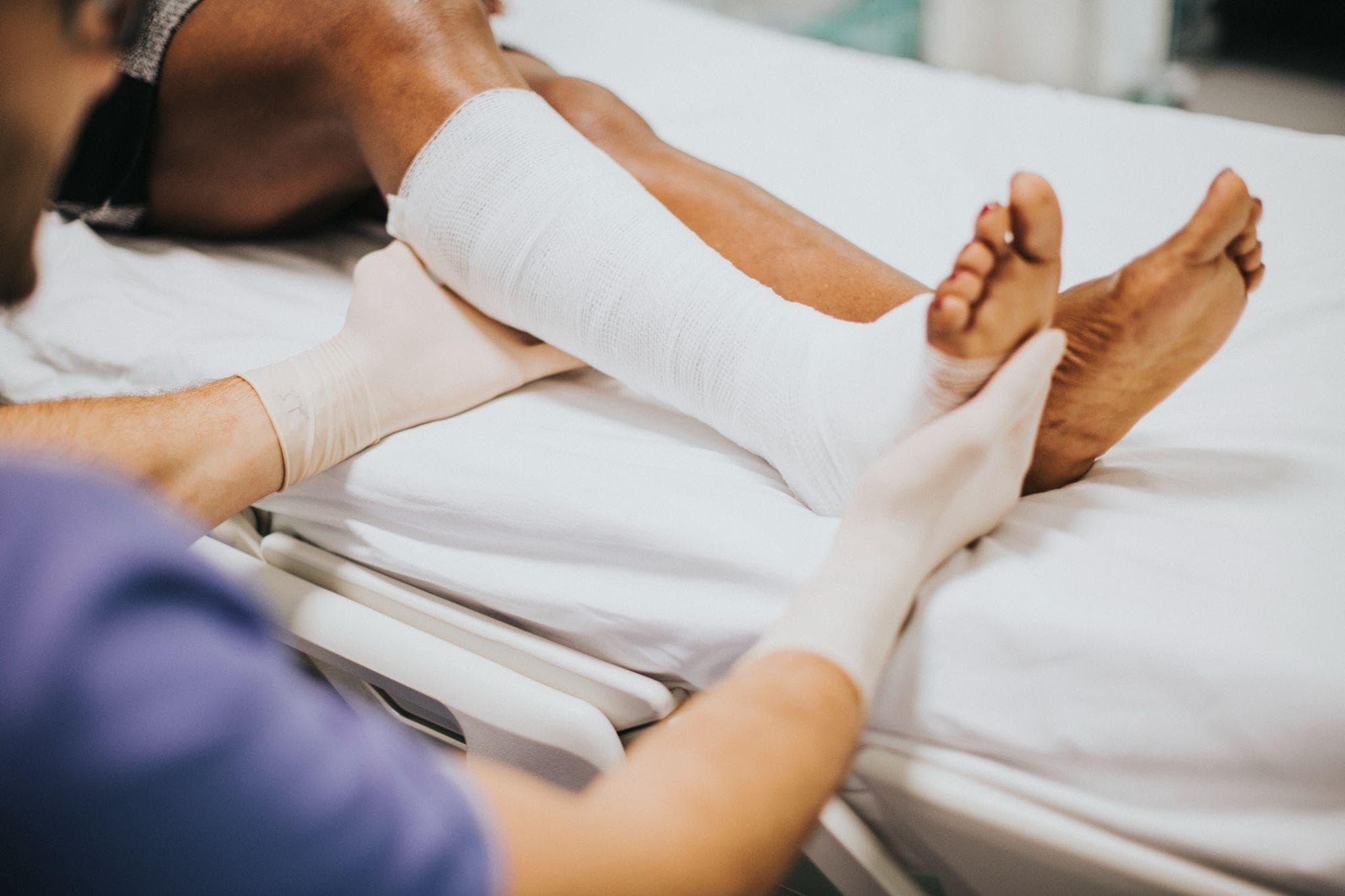
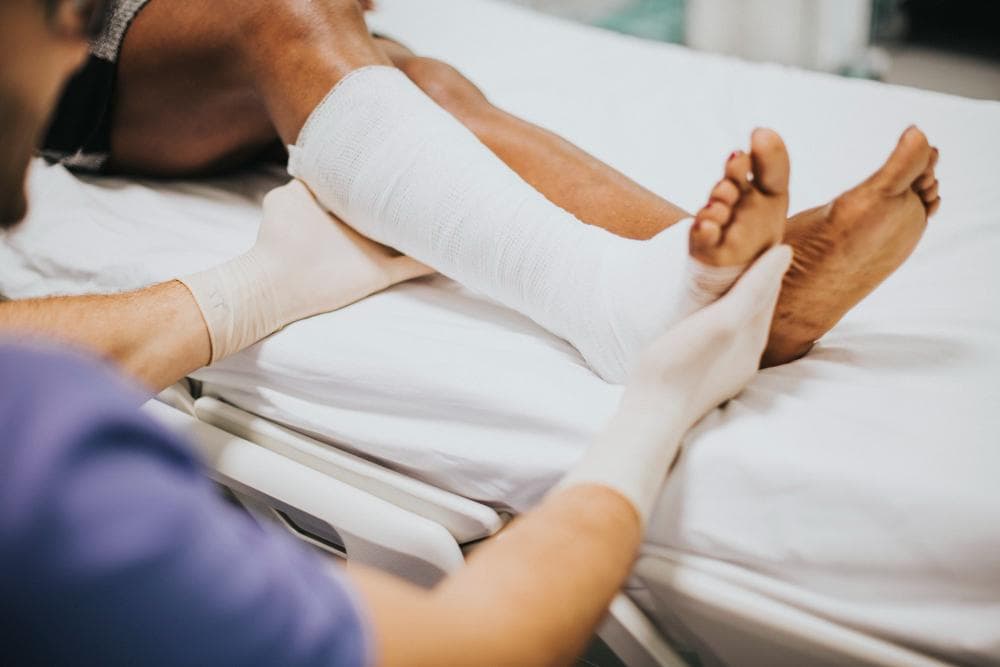
A doctor helping a patient with a fracture.
One of the body's most amazing healing processes is triggered by a fracture, sometimes referred to as a broken bone. Bones have the rare capacity to regenerate and regain their former strength and structure, in contrast to many tissues that heal with scarring. Fracture repair, however, is a well-organised biological process that takes weeks to months, depending on a number of variables.
Patients may actively engage in their healing and prevent long-term consequences by being aware of how fractures heal, what influences recovery, and when medical treatment is needed. From the initial damage to full bone remodelling, this guide provides a detailed explanation of the fracture healing process.
What Happens Immediately After A Fracture
The surrounding tissues and blood vessels are harmed when a bone fractures. A haematoma (blood clot) forms as a result of bleeding surrounding the fracture site.
This initial reaction:
- Halts additional haemorrhage
- Establishes a structure for cell healing
- Causes inflammation, which is necessary for healing
At this point, pain, swelling, warmth, and tenderness are common symptoms that are essential to the start of recovery.
Stages Of Fracture Healing
Each of the four overlapping phases of fracture healing is essential to the restoration of bone integrity.
Phase Of Inflammation (Haematoma Formation)
- Time frame: Initial hours to seven days.
- Right after a fracture, blood pools around the break and forms a haematoma.
- The body sends in inflammatory cells to clear out debris and dead tissue.
- Bone-forming cells show up, guided by chemical signals.
- This is when pain and swelling really kick in, and it’s the roughest part. Still, this is what sets the stage for healing.
Formation Of Soft Callus (Reparative Phase)
- Time frame: One to three weeks.
- Stem cells differentiate into cartilage-producing cells.
- They start building a soft callus, basically a cushion of cartilage and fibrous tissue, between the broken ends.
- It’s not strong yet, but it does hold things together.
- Pain usually eases up a bit, but the bone’s still weak. One still needs to keep it immobilized.
Formation Of Hard Callus (Bony Callus)
- Time frame: three to twelve weeks.
- Now the soft callus gets swapped out for hard, woven bone.
- Calcium moves in and stiffens things up, making the area stronger.
- X-rays finally start to show the bone knitting back together.
- At this stage, doctors might let the movement of the body occur, but only with their guidance.
Phase Of Bone Remodelling
- Time frame: A few months to a few years.
- Strong lamellar bone is created by reshaping woven bone.
- After removing the extra bone, the form returns to normal.
- Stress causes the bone to adjust and restore its full strength.
This last phase guarantees that the bone regains its pre-injury strength.
Types Of Fracture Healing
There are two types of fracture healing that are used by our specialists.
Indirect (Secondary) Healing
This is the most typical kind used by the specialists. It occurs while using rods, splints, or casts. It involves the development of calluses.
Direct (Primary) Healing
It occurs following surgical screw or plate fixation. No callus appears in this case. Direct bone healing occurs by microscopic remodelling.
Factors That Affect Fracture Healing
Some factors are those that help in improving fracture healing.
- A healthy blood supply
- Appropriate immobilisation
- Sufficient nutrition (protein, calcium, and vitamin D)
- Early yet supervised rehabilitation
Yet there are some factors that should be kept in mind that cause delay in fracture healing and should be prevented.
- Smoking
- Diabetes
- Inadequate diet and infection
- Severe damage to sensitive tissues
- Insufficient alignment of fractures
To make sure that one can see all the factors with proper guidance, they can book an appointment with Dr. Mayank Chauhan in Noida for specialised care and treatment.
Treatment Methods That Support Bone Healing
The body's natural healing mechanism and appropriate medical care are both necessary for fracture recovery. The following therapeutic approaches promote functional recovery, stability, and bone alignment.
Immobilisation
Casts, splints, or braces hold the fracture in place and keep the bones lined up. They stop one from moving too much, so the bone can heal the right way. This also helps with swelling.
Reduction
Doctors move the broken bones back where they belong. Sometimes they do this by hand (closed reduction), and other times, it takes surgery (open reduction). Getting the bones lined up right is key for them to heal properly.
Fixation Via Surgery
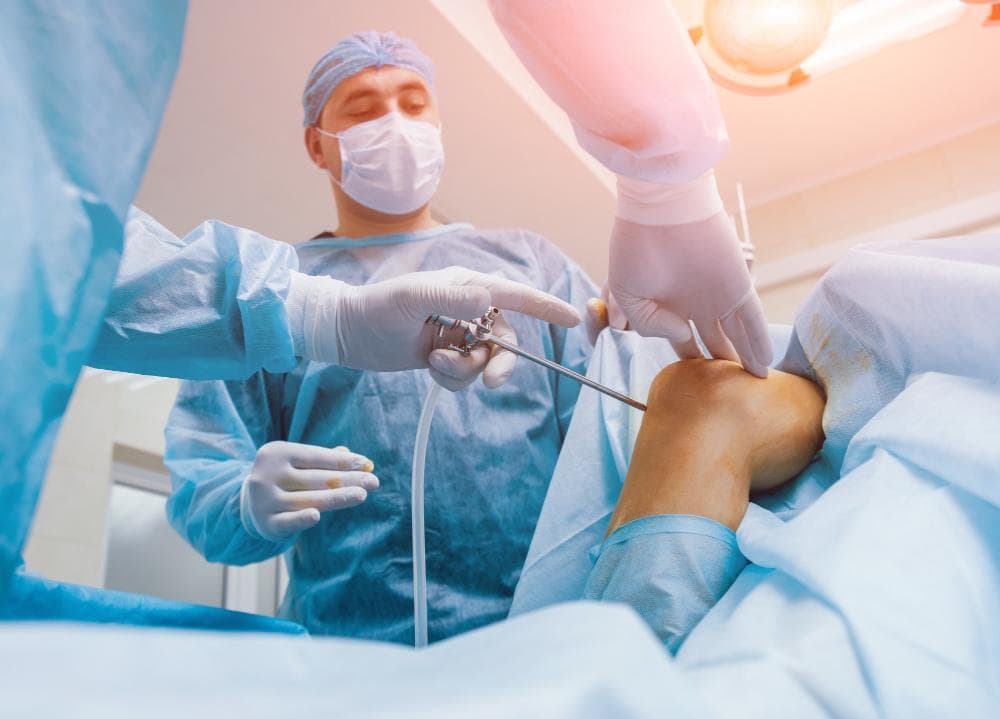
Doctors doing fracture surgery on a patient.
For tough or unstable fractures, surgery’s the answer. Plates, screws, or rods get put in to keep the bones steady. This gives the break a solid chance to heal and helps avoid future problems.
Rehabilitation & Physiotherapy
Rehab brings back your strength, movement, and flexibility, so you can handle your daily life. It also stops your muscles from getting weak or stiff.
Signs The Fracture Is Not Healing Properly
Most fractures heal up fine with proper care, but sometimes things just don’t go as planned. Spotting the warning signs early really matters, it lets the doctor step in before things get worse.
- After the anticipated recovery time there is ongoing discomfort.
- Swelling that does not go away.
- Unusual motion at the fracture location.
- X-rays show no discernible improvement.
If the patient notices any of these signs, they should see an orthopaedic specialist as soon as possible.
When To See An Orthopedic Specialist
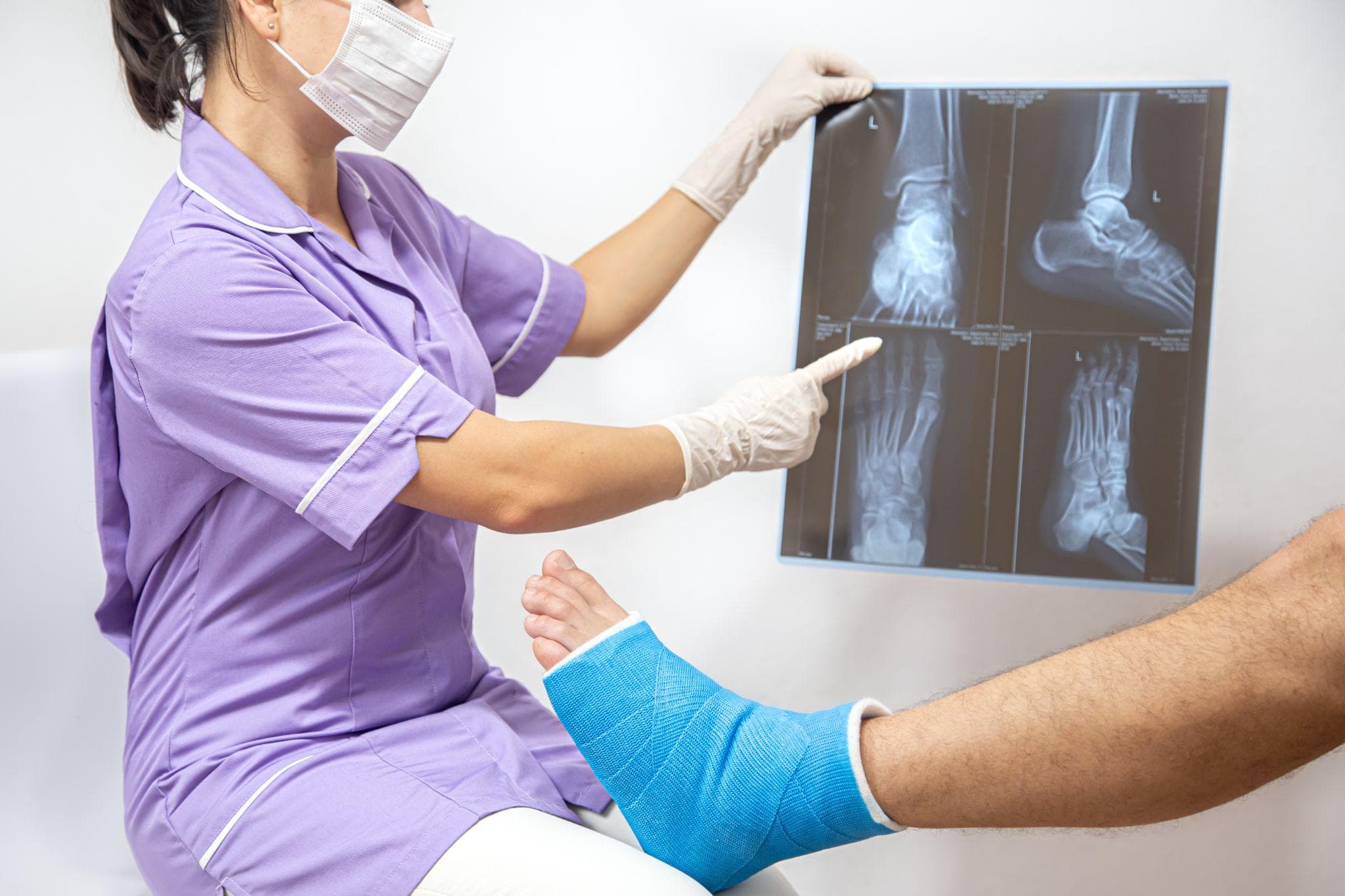
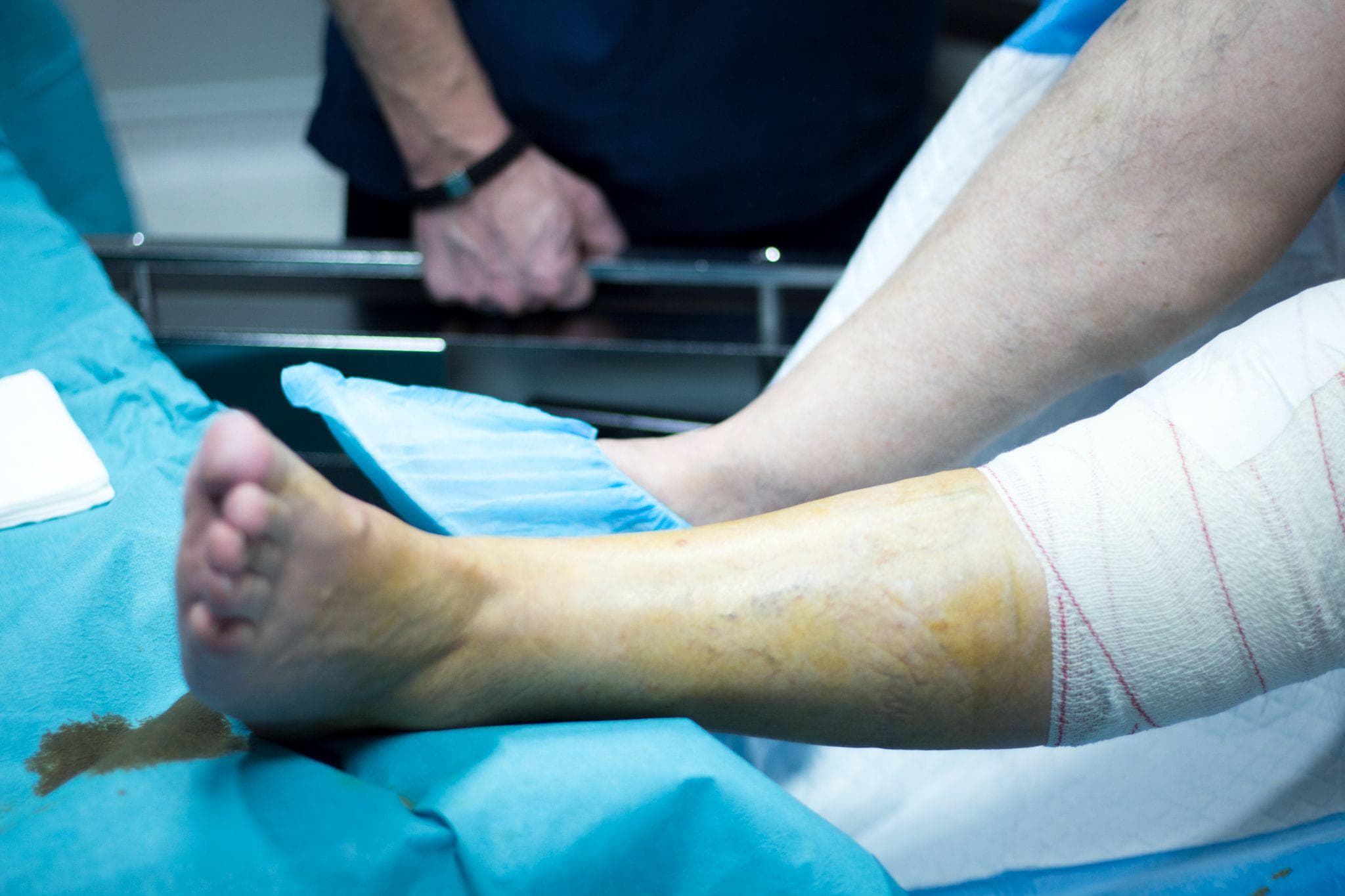
A doctor examining the patient and their leg x-ray.
Acting quickly after a fracture really matters. If the patient wants the bone to heal right, getting an orthopaedic specialist to take a look is essential.
Instead Of Getting Better, Pain Gets Worse
If the ache won’t let up, or it’s ramping up, something’s off. Maybe the bone isn’t lined up right, there’s an infection, or healing has slowed.
The Limb Seems Malformed
If one can actually see that something’s not in place, don’t wait. Bones can heal incorrectly if they’re not set properly, and that can mess with how one moves.
Loss Of Mobility Or Numbness
If the patient can’t move the limb, or it feels numb, then that’s serious. It might mean nerves are involved, or blood isn’t getting through.
Healing Appears To Be Abnormally Sluggish
If weeks go by and things aren’t improving like how one feels or what X-rays show, then there could be a problem like delayed healing, and one will need more tests and treatment.
Catching these issues early and getting the right orthopaedic care helps bones heal fully and lowers the risk of lasting damage.
Final Thoughts
Bone healing occurs naturally, but it’s not simple. It takes time, patience, and the right treatment. Most fractures do heal well, but good outcomes depend on catching problems early, following your doctor’s advice, eating right, and sticking with rehab.
If one understands what’s happening and really follows the treatment plan, they will get back to the normal routine faster and avoid extra complications.
Get consultation from Dr. Mayank Chauhan in Noida if dealing with a fracture. He focuses on helping one heal right, manage pain, and slowly get the movement back. You’ll get a treatment plan that fits, every step of the way. That means one can rebuild strength, feel more confident, and return to a normal life without rushing things.