Do All Fractures Need Surgery?

A doctor is examining a fractured leg.
It's the initial assumption that most fractures need surgery, but this is quite uncommon. Many actually heal very well without any intervention. The treatment plan depends on several factors, such as the type of fracture, seriousness, location, general health, and more. Some fractures can be treated with just rest or immobilization in a cast or brace, but others require surgery to restore alignment and promote healing correctly.
Recognizing the difference is a great way to avoid excessive anxiety and ensure optimal recovery. In this guide, let's find out which fractures require surgery, when this is not needed, and the steps to optimize recovery.
What Is A Fracture?
A fracture is a breaking or cracking of a bone. Fractures are often a result of the force from traumas such as accidents, falls, or repeated pressure over a long period of time. A fracture can be a simple linear fracture or an unstable fracture where the pieces of bone are not in their proper place.
Does Every Fracture Require Surgery?
No, not every fracture is treated by surgical means. Non-surgical treatment will be effective where bones can unite without operative intervention, such as:
- Plaster of Paris/splintage
- Rest and non-weight bearing
- Analgesia
- Physiotherapy after union
Surgery is indicated where there is failure to unite or an inherent risk of chronic impairment. To get correctly diagnosed and to be provided with the right treatment option, an experienced orthopedic like Dr. Mayank Chauhan in Noida will surely have the correct perspective. Having proper treatment, it enables the patient to get back to their normal lifestyle more quickly and safely with a more consistent outcome.
When Surgery Is Not Required
Certain types of fractures can effectively heal without surgical intervention as long as the bone fragments remain in position. These fractures will repair themselves with immobilisation and support. Treatment of these non-surgical fractures aims to maintain alignment during the healing process and prevent damage to the affected part of the bone.
1. Stable Fractures
These fractures occur when the pieces of broken bone are aligned properly in their position. These fractures will heal without surgery as the bone structure isn’t greatly disrupted. They are often managed with a cast or splint so that the fractured bone is held in place until healed, usually a process that will take a few weeks.
2. Hairline fractures (Stress Fractures)
These are extremely small cracks in bones and are usually developed over time due to strain and repeated stress on bones, and are commonly seen in runners or people undertaking heavy activity. As there is very little displacement in these fractures, they will usually heal well through rest and avoiding strenuous activity, with sometimes supportive footwear or a splint needed to help with the healing.
3. Closed Fractures
A closed fracture is when the bone has broken, but the skin hasn't broken. If the bone fragments remain aligned correctly, these can often be treated without the need for surgery, by placing the affected area into a cast or splint and keeping a check on it using X-rays.
4. Fractures In Children
Children's bones are generally far more capable of healing than adults'. They are far more flexible than adult bone and can even correct slight misalignments as they heal through something called remodeling. For this reason, a large number of pediatric fractures can be treated using a cast and supports.
When Surgery Becomes Necessary
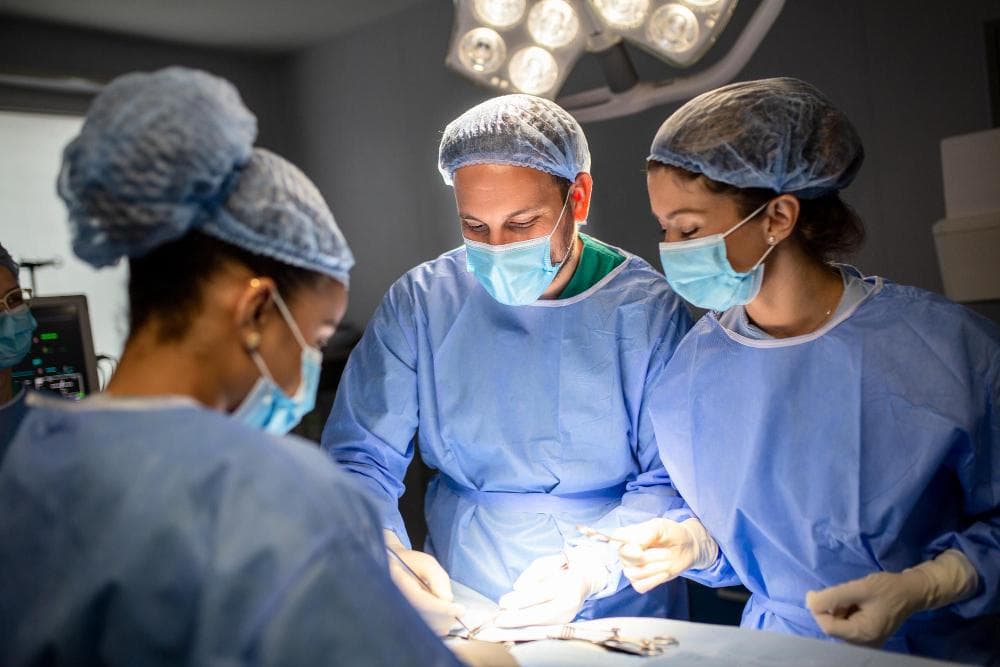
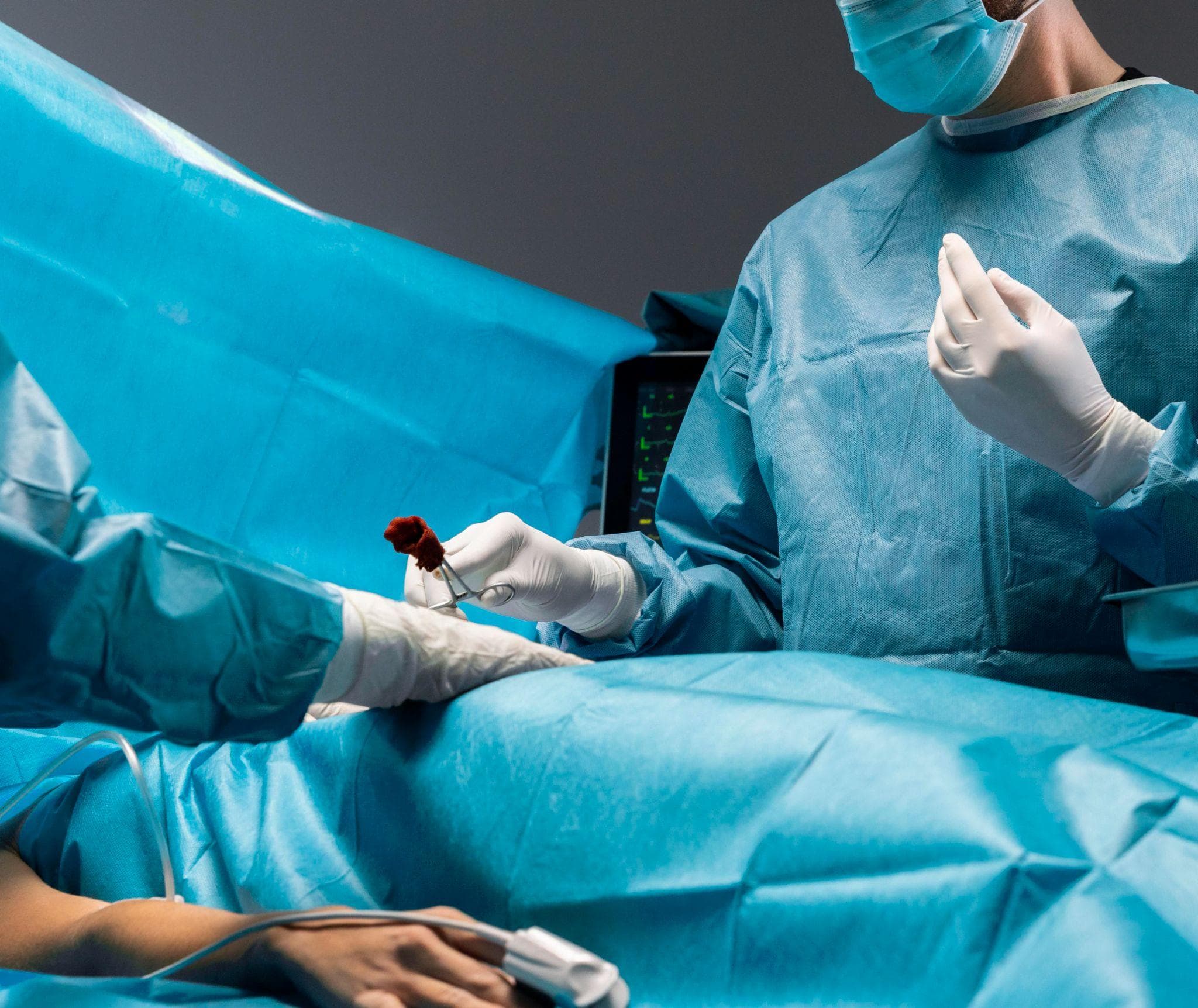
Surgery is being performed by a group of surgeons.
In certain instances, surgery will be the safest and most effective treatment method, so as to ensure optimum healing and return to function. Unstable fractures, badly displaced fractures, and fractures where there is associated injury may require surgical intervention.
This method will help return the fractured bones to their original position, stabilize them, and reduce the chances of developing complications in the long term, such as deformity and loss of function/ movement.
1. Displaced Fractures
These are fractures in which one or more pieces of bone have moved from their normal positions. Casting is often unable to maintain the correct alignment, and surgery is therefore required so as to reposition and secure the fragments using either screws, rods, or plates, so that they can heal correctly.
2. Open/Compound Fractures
An open fracture, also known as a compound fracture, is a fracture that has penetrated through the skin; as a result, the patient will be at risk of infection due to exposure of the bone to the environment. In such a case, the fracture will require urgent surgery so that the wound can be cleaned out, foreign material removed, and the fracture fixated so that it can heal most effectively.
3. Multiple/Complex Fractures
These are complex fractures in which the bone breaks into a number of pieces, and they may involve a joint that needs to be retained so that normal function is preserved. As the fractures are complex in nature, they will generally be unstable, and hence surgery would be required.
4. Non-Union Or Malunion Fractures
When a fracture is not healed, then it is known as non-union; if it has been healed but in the wrong position, this is known as mal-union, both resulting in a problem and as a result of such complication then surgery is required to either set the fracture properly or encourage healing using either plates/ rods or using grafts etc to regain full function/ movement again.
5. Associated Nerve Or Blood Vessel Damage
If nerves or blood vessels have been injured, then surgery is essential to repair the nerves/ blood vessels, along with fixing the fracture.
Different Surgical Treatments Of Fractures
Depending on the type, place, and extent of the fracture, the surgeon would pick the technique that will result in repositioning the bone fragments correctly and holding them stable in proper alignment during their healing process. Current surgical methods also promote faster healing and prevent complications.
1. Internal Fixation
One of the commonly used surgical techniques for fracture repair. Here, the metal implants, such as plates, screws, or rod are used inside the body to stabilize the fracture. This holds the broken fragments in place until it healed. Often, the implants remain in the body forever unless removed, which can cause problems later.
2. External Fixation
External fixation is where a stabilizing frame is used outside the body that is attached to the bone through pins or wires, which pass through the skin into the bone. This method is often used in severe fractures, open fracture and where there is damage to surrounding soft tissue in addition to bone.
It helps in maintaining the bone in position without causing much damage and permits access to the wound for better care. In many cases, external fixation is used temporarily before internal fixation.
3. Bone Grafting
Bone grafting is used when the fracture is comminuted, or a segment of bone is missing, or healing has been impaired. This involves transferring bone graft from a donor (another part of the patient's body or donor body) into the site of fracture to enhance healing. They help support the bone and promote the growth of new bone.
Recovery Post Treatment Of A Fracture
The level of recovery is influenced by the nature of the fracture and the treatment received for it.
- In non-surgical treatment of fractures, healing time can vary from a few weeks to months.
- In surgical treatment, the time may be longer, but alignment is more appropriate.
- Physiotherapy is an essential aspect of ensuring full recovery of strength and movement.
- Whether a fracture requires surgery or non-surgical treatment, a full recovery will be achieved through correct healing and rehabilitation.
Role Of Physiotherapy After A Fracture
Physiotherapy plays a key role in fracture management. It aims to:
- Increase joint mobility
- Increase strength in muscles
- Decrease stiffness
- Prevent further injury
Physiotherapy will aid the return to normal function even when there is no requirement for surgery.
When To Consult An Orthopedic Specialist
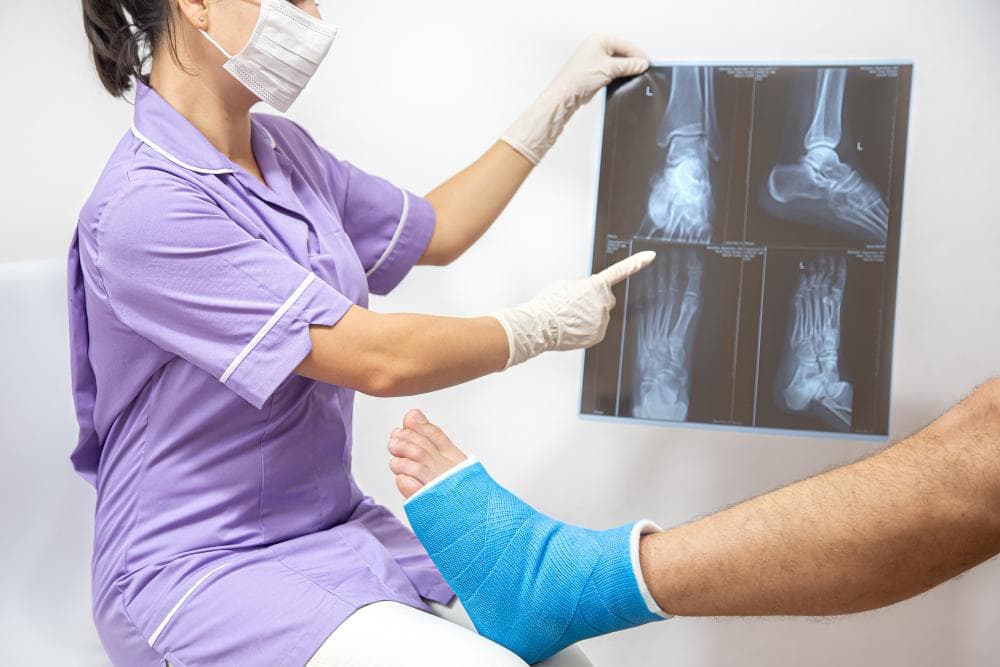
Doctor discussing the X-Ray with a patient with a fractured foot.
A consultation should take place if there is:
- Serious pain or swelling
- A visible deformity in a limb
- Stiffness or reduced range of motion
- Persistent pain on resting
- Any signs of infection (in open fractures)
A swift diagnosis and intervention will lead to an earlier return to mobility and will prevent further complications.
Final Thoughts
In conclusion, surgery is not required for all fractures, and the body is capable of healing itself, given the right attention. However, a small selection of these do require surgery to provide sufficient healing and maintain functional use over the long term. The success depends on correct identification, correct treatment for the severity and nature of the fracture.
In the vast majority of patients, given the proper attention to physiotherapist and doctors, can make a full recovery and live out their normal day without any further problems. With that being said, for correct diagnosis and individual attention, look to experienced orthopaedics such as Dr. Mayank Chauhan in Noida.
Frequently Asked Questions (FAQs)
1. Do all fractures heal with the help of non-surgical procedures?
No, stable, non-displaced fractures will only heal through non-surgical procedures. Certain complex fractures will necessitate the involvement of surgical intervention.
2. Which types of fractures will usually require surgical treatment?
Displaced fractures, open fractures, complex fractures, and non-healing fractures will usually undergo surgical intervention.
3. Is a surgical procedure the quickest way to heal fractures?
Not necessarily; simple fractures will heal more quickly through non-surgical procedures if treated appropriately.
4. Which is the best possible treatment of fracture?
It totally depends on the location and severity of the fracture as diagnosed by an orthopedic specialist.