Hand & Wrist Injury Prevention & Treatment

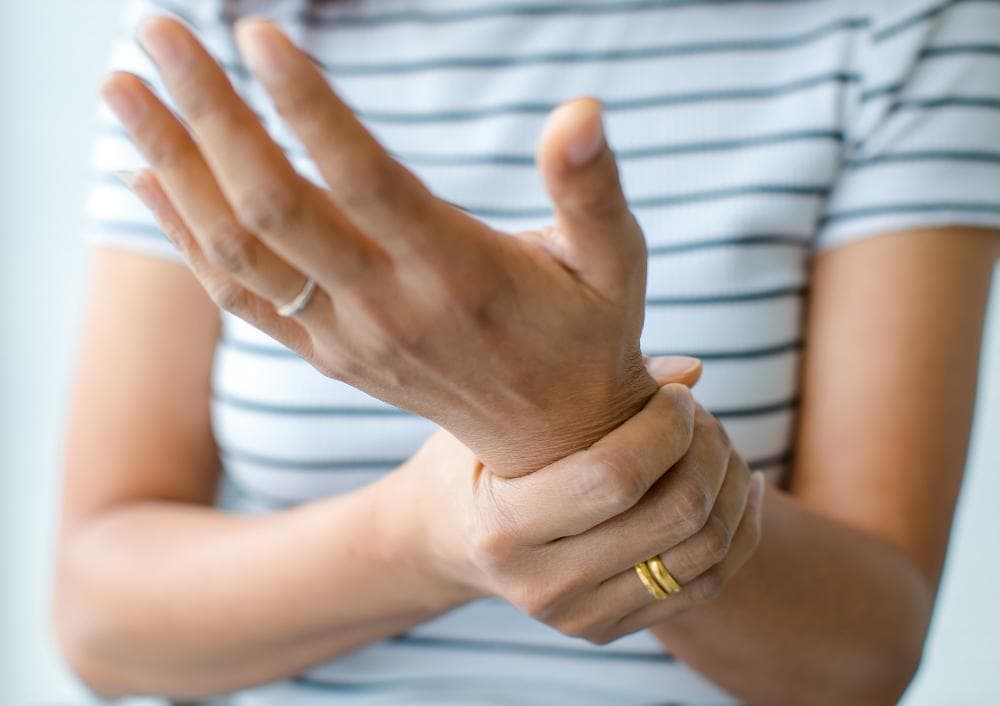
A woman holding her wrist in pain.
Most people barely think about their hands and wrists until something starts to hurt. Suddenly, typing feels awkward, lifting a coffee cup stings, and even jotting down a note turns into a challenge. We use our hands all day, every day, which means they take a beating. Athletes, folks glued to their desks, parents, and retirees, nobody’s off the hook when it comes to hand and wrist problems.
If one wants to keep moving without pain, they need to pay attention. Catching problems early, getting the right treatment, and knowing how to protect their hands go a long way. It’s not just about fixing pain in the moment; it’s about holding on to the freedom to do what one loves.
This guide breaks down where hand and wrist injuries come from, how to avoid them, and when to call an orthopedic specialist.
Understanding Hand & Wrist Injuries
When one's hand or wrist is injured, any part of the body can be involved, including bones, muscles, nerves, tendons, or ligaments. Sometimes it sneaks up slowly from bad habits or repeating the same motion over and over. Other times, one quick accident does the trick.
Sprains, fractures, tendinitis, pinched nerves, and wobbly joints are some of the usual suspects. Even a “minor” injury can turn into a bigger headache if ignored, leading to pain that just won’t quit, stiffness, or weakness that sticks around.
Common Causes Of Hand & Wrist Injuries
One can hurt their hand or wrist doing the most ordinary things, such as:
- Typing away at a laptop, sending endless texts, or even just working on an assembly line.
- Sports get risky too, whether one is lifting weights, playing badminton or cricket, or just hitting the gym.
- Then there are those times when one trips or something slams into their hand or wrist, and suddenly, there is pain.
- Bad desk setups and pushing oneself too hard without proper breaks only add to the problem.
All these habits and accidents pile on stress, wearing down the joints and soft tissues. Sooner or later, the risk of injury shoots up.
How Hand & Wrist Injury Treatment Works
When something goes wrong, the first step is a real, hands-on checkup. A specialist will look at how well one moves, how strong the grip is, where it hurts, and what’s stopping them in everyday life. They check for nerve or tendon trouble, test how much one can move, and make sure the joints are stable.
Once they figure out what’s going on, the patient gets a plan tailored to their situation. The idea? Reduce the pain, get them moving normally again, and prevent things from getting worse. Catching problems early prevents having to deal with stubborn stiffness or weakness later.
If one is looking for an experienced orthopaedic specialist for this, Dr. Mayank Chauhan in Noida can pinpoint the exact problem and get you started on the right treatment.
Benefits Of Hand & Wrist Treatment
If one wants to regain their usual strength, move their hands easily, and feel comfortable with everyday tasks, they need to take care of their hands and wrists. Treating injuries early does more than just ease pain; it helps keep the hand functioning and prevents bigger problems down the road.
1. Pain Management Without Chronic Medication
Managing pain doesn’t have to mean living on medication. When one uses targeted therapy, they go after what’s really causing the pain. It helps the body heal itself, so one doesn’t have to rely on painkillers.
2. Increased Mobility And Grip Strength
Building up the grip and getting the hands moving again makes daily tasks less of a struggle. Stronger muscles and more flexible joints mean one can do more, with less pain.
3. Quicker Healing Post Injury
If someone gets hurt, they should not wait around. Getting the right treatment quickly speeds up healing and helps the hand return to normal, whether dealing with a fracture, sprain, or tendon injury.
4. Preventing Chronic Illnesses
Catching injuries early also helps one dodge bigger issues like stiffness, arthritis, or nerve problems later on.
5. Improved Hand Control And Coordination
As one goes through rehab, they will notice that their hand feels steadier. The control, coordination, and small, precise movements all improve, which can make a huge difference in day-to-day life.
Common Hand And Wrist Conditions Treated
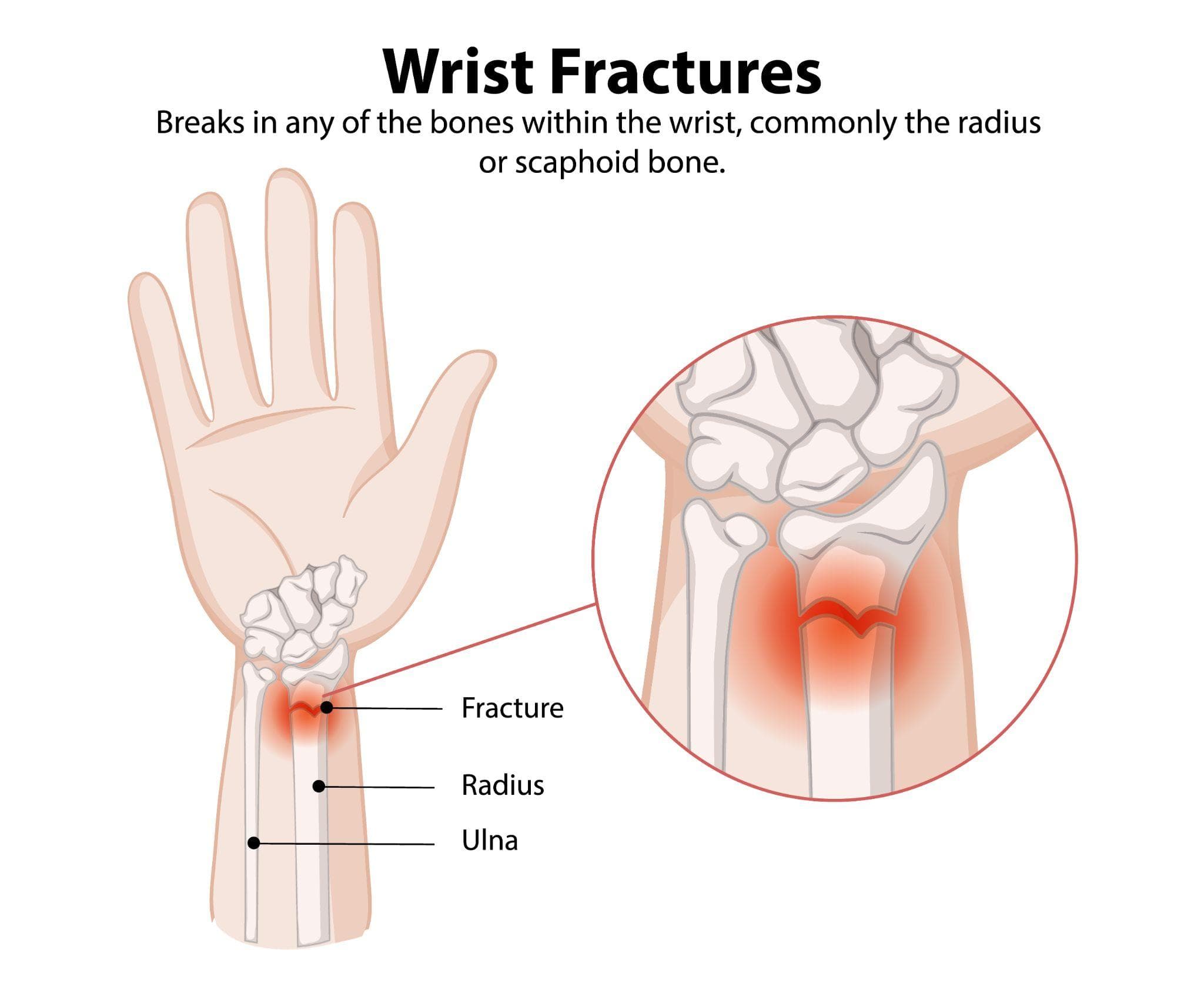
Wrist fracture
Treating hand and wrist problems covers a bunch of issues, like:
- Ligament injuries
- Wrist sprains
- Fractures
- Tendinitis
- Carpal tunnel syndrome
- Stiffness in the fingers or joints
After surgery or a break, one really needs rehab to get things working again.
Treatment Techniques Commonly Used
The main idea is to ease pain, restore movement, and help everything heal properly. The plan depends on what’s wrong and how bad it is, so one can get the right kind of rehab without making things worse.
1. Support And Immobilization
Braces and splints keep the hand or wrist stable and protect it. Early on, they help by preventing movement and allowing the injured area to heal safely.
2. Specific Therapeutic Activities
There’s no magic shortcut - steady, planned exercises bring back motion, help with flexibility, and make those small muscles stronger. Start slow and build up. That way, one can improve how their hand works and avoid hurting it again.
3. Manual Therapy
Sometimes, hands-on help works wonders. Therapists use their hands to loosen up tight muscles and tendons, increase joint movement, and work out the stiffness. It gets the blood flowing, too, which speeds up healing and eases pain.
4. Electrotherapy
TENS and ultrasound aren’t just fancy gadgets. They help manage pain, reduce swelling, and promote faster healing, especially when things are sore and one needs relief.
5. Ergonomic Correction and Activity Modification
How one uses their hands every day matters. Changing posture, how one holds things, or even how they do repetitive tasks, can make a big difference. For anyone who does the same hand movements, these adjustments help prevent recurring injuries.
Preventing Hand & Wrist Injuries
If one wants to keep their hands healthy for the long haul, prevention really does most of the heavy lifting. Here’s what helps:
- Take breaks whenever doing the same motion over and over.
- Keep your wrists in a comfortable, natural position, especially when typing or using gadgets.
- Strengthen your hands and forearms.
- Wear protective gear when playing sports.
- Don’t push the hands beyond their limits or use them incorrectly.
Small tweaks like these can significantly reduce the risk of injury.
When To See An Orthopedic Specialist

A doctor examining the hand of the patient.
One ought to get medical help if they encounter:
- Pain in the hand or wrist that lasts more than a week or two.
- It’s getting harder to grip things, and one feels stiff or swollen.
- Tingling or numbness in the fingers.
- Every day tasks suddenly feel like a struggle.
- One keeps injuring the same spot again and again.
Brushing off these signs usually just leads to bigger problems down the road and a longer recovery.
Final Thoughts
In the end, our hands and wrists play a huge role in our daily independence and comfort. Acting early, getting the right treatment, and sticking with good habits all make a real difference.
If one wants expert help, reach out to Dr. Mayank Chauhan in Noida. One will receive a clear diagnosis, a tailored treatment plan, and support throughout recovery. The aim is simple: ease the pain, get one moving again, and help one get back to life with confidence.