Reviewed by Dr. Mayank Chauhan
Whole Knee Replacement: Who Needs It and What to Expect
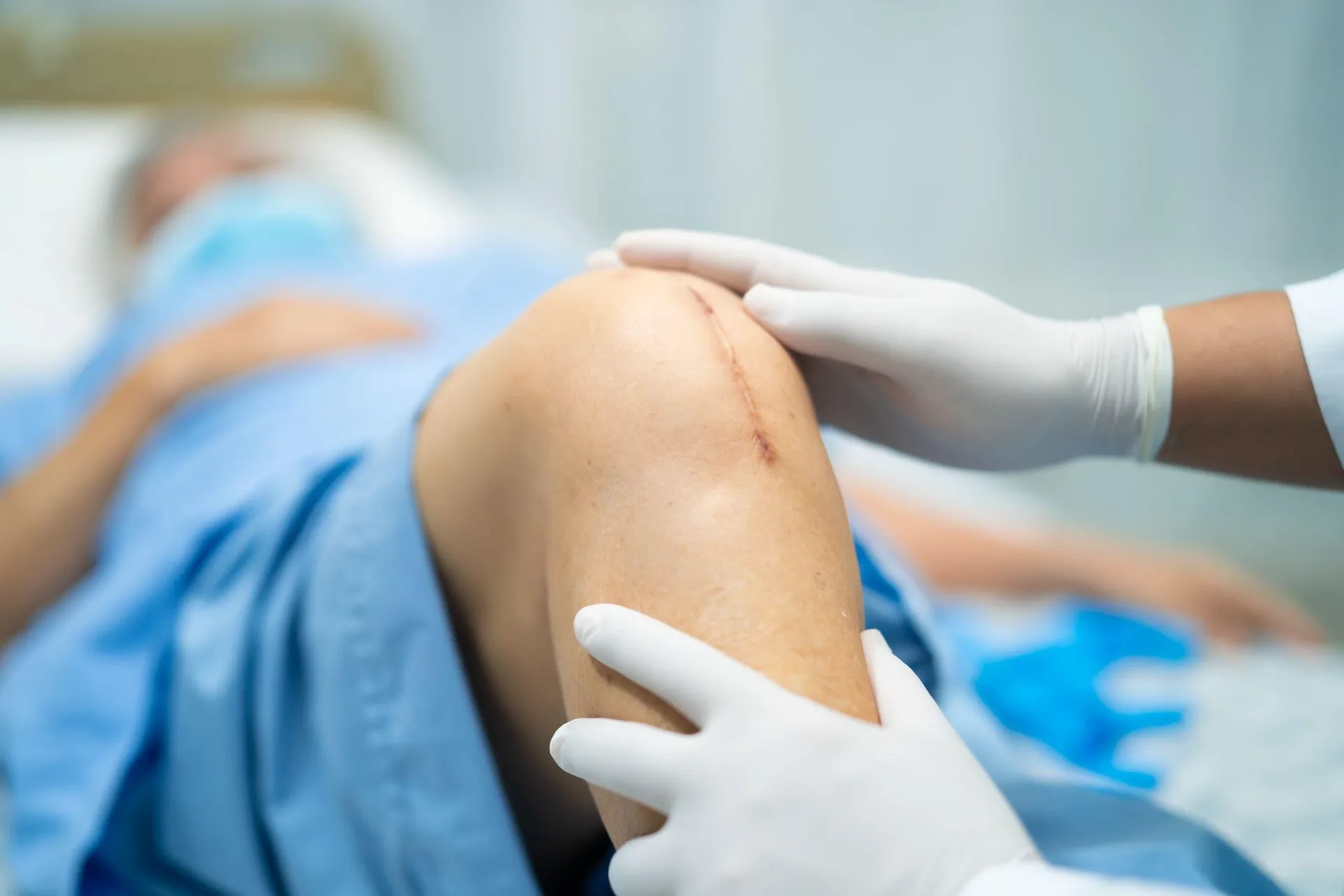
Most patients manage everyday tasks comfortably by three months after a total knee replacement.
A "whole" or total knee replacement is the operation most people picture when they hear the words knee replacement. The worn surfaces of the thigh bone, shin bone and often the kneecap are resurfaced with metal and plastic, and the joint moves smoothly again.
It is also one of the most successful operations in orthopedics. For the right patient, it takes away years of pain and gives back walking, stairs, sleep and independence. For the wrong patient, or the right patient at the wrong time, it can disappoint.
What "total" means
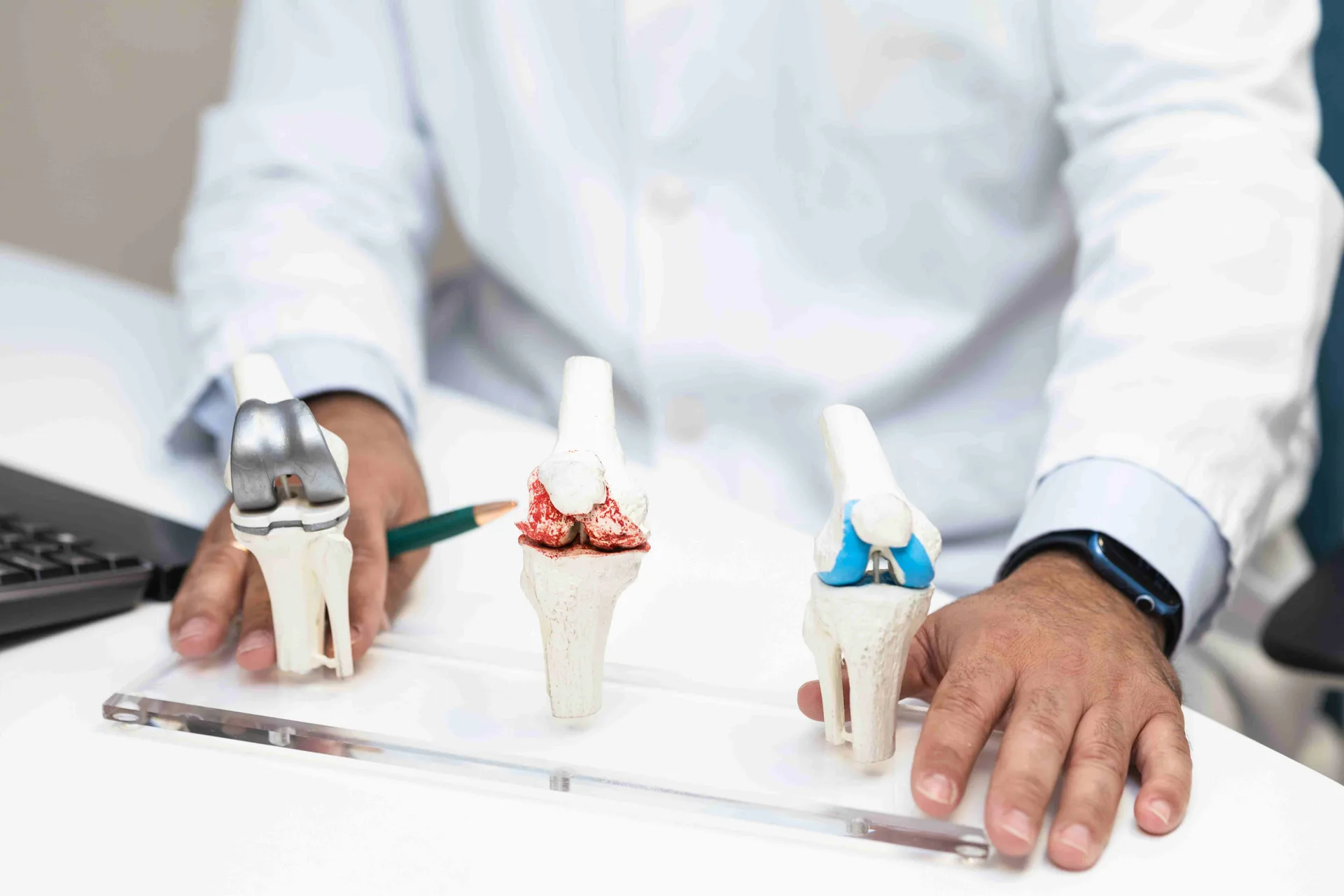
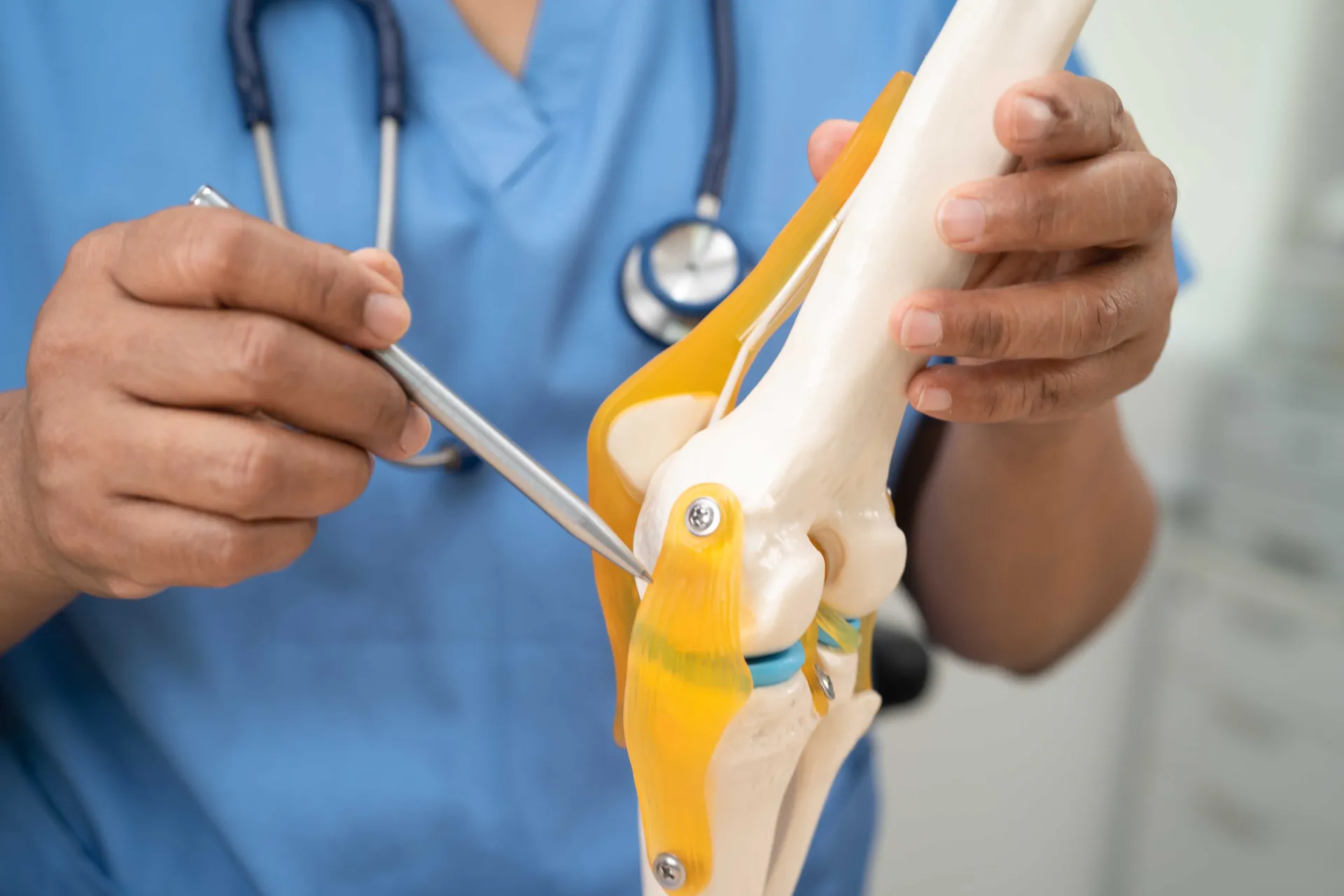
The knee has three parts that can wear out: the inner and outer compartments where the thigh bone meets the shin bone, and the front compartment where the kneecap glides over the thigh bone. In a total knee replacement, all three are addressed. The damaged cartilage and a thin layer of underlying bone are removed, and metal components are fitted to the ends of the thigh bone and shin bone, with a medical grade plastic spacer between them. The back of the kneecap may be resurfaced with plastic as well.
Your own ligaments, muscles and the rest of the bone stay in place. The operation changes the bearing surface, not the whole leg.
If damage is limited to one compartment, a partial replacement may be an alternative. The choice depends on the X-rays, the state of the ligaments and your symptoms. A surgeon should tell you which suits your knee and why.
Who needs a total knee replacement?
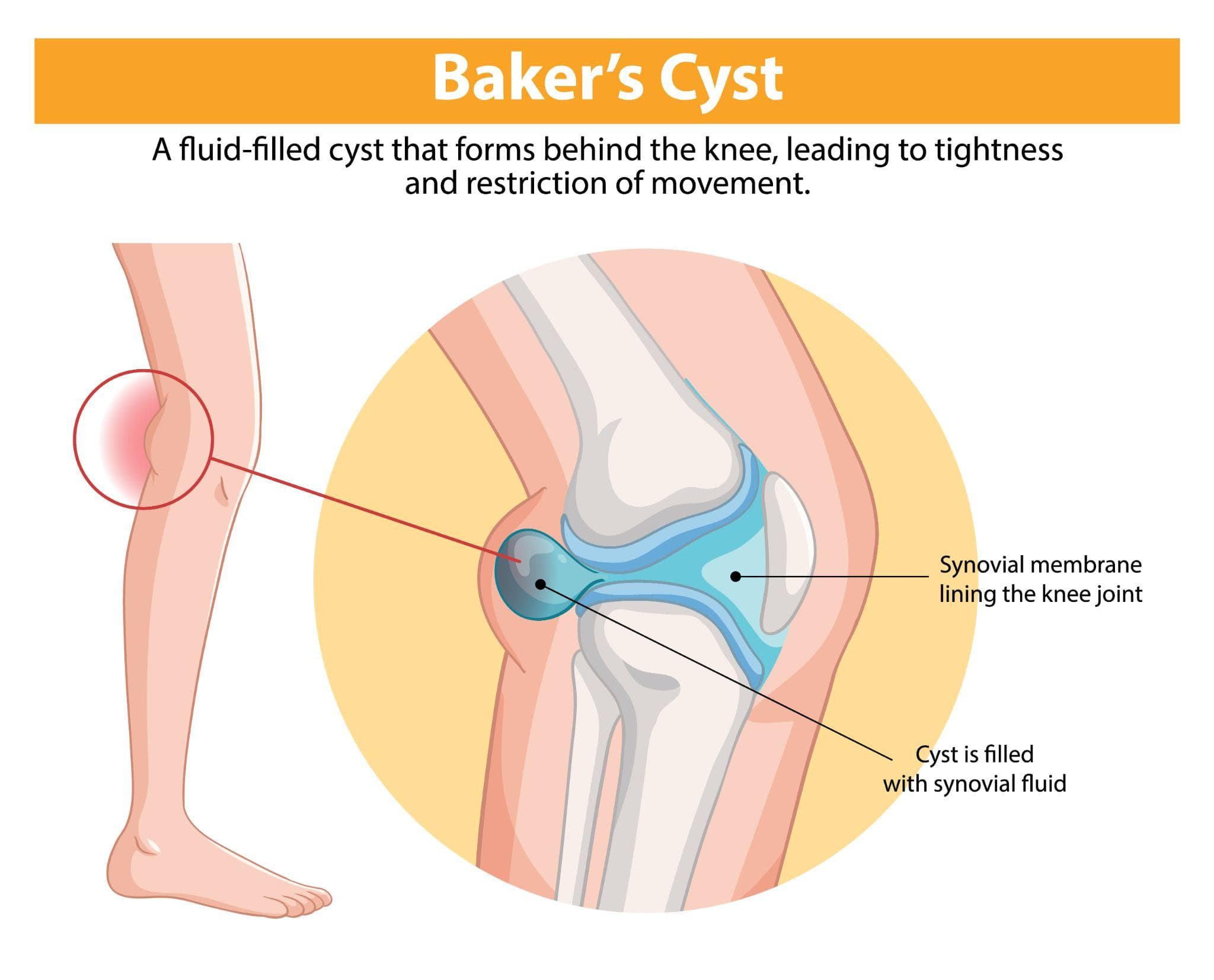
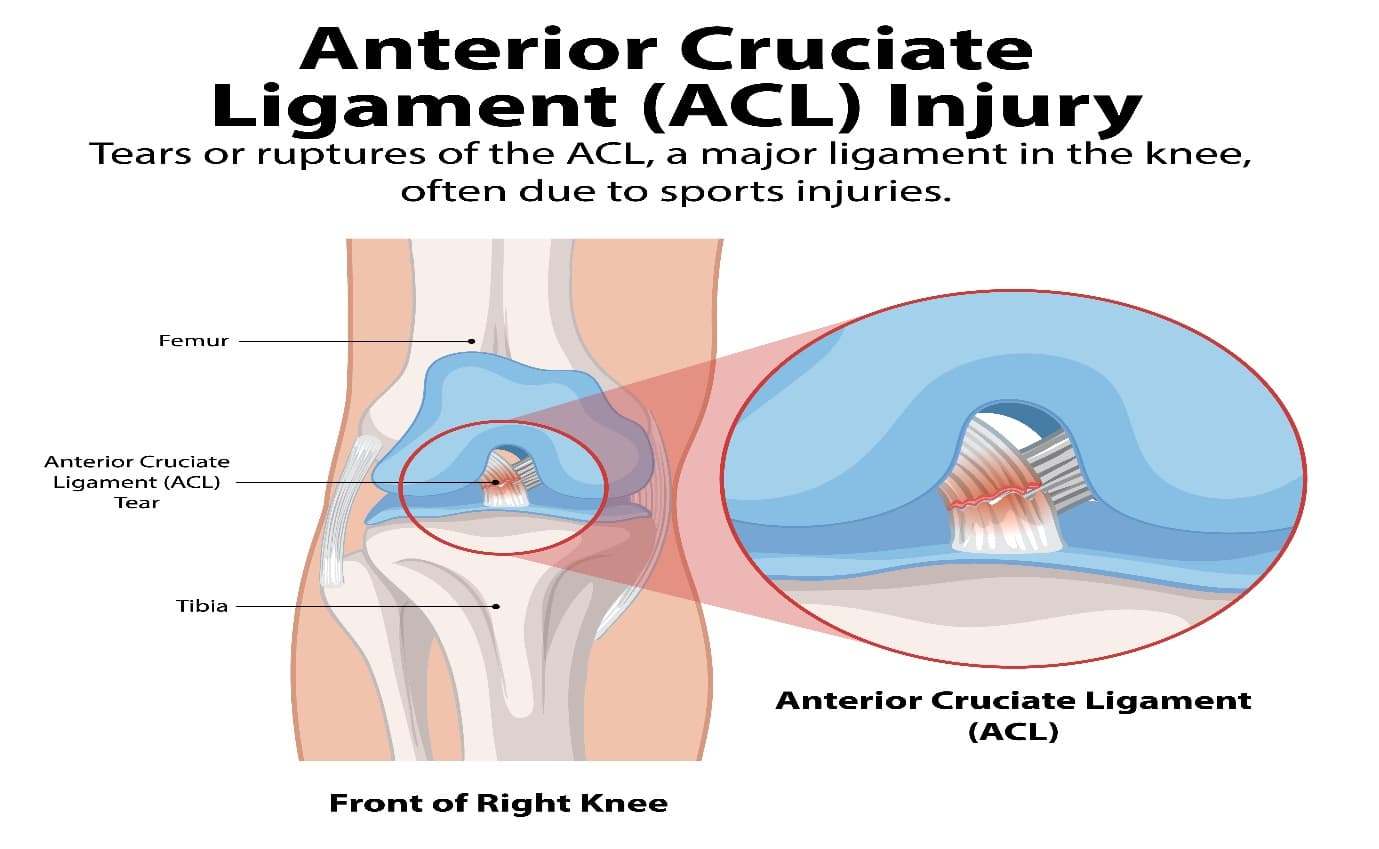
Most total knee replacements are done for osteoarthritis, the wear and tear form of arthritis. Others are done for rheumatoid arthritis, post traumatic arthritis after a fracture or ligament injury, avascular necrosis, or severe deformity.
The decision, though, is not based on the X-ray alone. Plenty of people have knees that look terrible on a picture and cope well, while others with moderate X-ray changes are in agony. What matters is how much the knee limits your life.
Signs the knee may be ready for replacement
- Pain that remains severe despite proper non-surgical treatment, such as weight management, exercise, medicines and injections
- Pain at night or at rest that disturbs sleep
- Difficulty walking more than a short distance, climbing stairs or getting out of a chair
- Increasing deformity, such as bowing of the legs
- Stiffness and a knee that gives way
- A fall in your quality of life that you are no longer willing to accept: giving up the morning walk, avoiding temples with steps, declining family trips, relying on others for errands
- X-rays showing advanced joint damage, with loss of the joint space
Signs you may be able to wait
- Pain that is annoying but manageable, with good function
- Early or moderate arthritis on X-ray
- A recent flare that has not yet had a proper trial of treatment
- Excess weight that could be reduced, easing the load on the knee
- Active infection elsewhere, uncontrolled diabetes or other conditions that make surgery riskier right now, which should be corrected first
There is no minimum age or maximum age. Surgeons look at health, activity, bone quality and expectations rather than the number. If you are wondering whether you are too young, or too old, the question is best settled in an examination, although most knee replacements are done in people aged 60 to 80.
Trying other treatments first
A good surgeon will not rush to the operating theatre. Before a replacement, most patients try some combination of:
- Weight loss. Each kilogram of body weight places several kilograms of extra force through the knee when you walk.
- Strengthening exercises. Strong thigh muscles protect the joint.
- Activity changes. Swapping running for cycling or swimming, using a walking stick, avoiding deep squats.
- Medicines. Painkillers and anti-inflammatory medicines, used carefully and as advised, particularly in people with stomach, kidney or heart concerns.
- Injections. Corticosteroid or other injections can give temporary relief.
- Supports and footwear. A knee brace or cushioned shoes may help some people.
- Osteotomy. In selected younger patients with deformity limited to one side of the knee, reshaping the bone can delay the need for replacement.
These measures can calm symptoms for months or years. But they cannot grow back cartilage. When they stop working, replacement becomes the logical step.
What happens before the operation
The evaluation
You will have an examination, standing X-rays of the knees, and sometimes extra imaging. Your surgeon will talk through your goals. Do you want to garden, climb stairs at home, play with grandchildren, return to a sport? Your answers shape the choice of implant and the plan.
Medical clearance
Tests usually include blood work, an ECG and a chest X-ray. If you have diabetes, high blood pressure, heart or lung disease, or kidney problems, your physician or anesthesiologist will check that these are well controlled. Dental problems and skin infections are treated first, because bacteria from these can reach a new joint.
Preparing your body and home
Strengthening exercises before surgery, known as prehabilitation, make recovery faster. At home, small changes help a great deal: a raised toilet seat, grab rails, a bed at a comfortable height, a chair with arms, removal of loose rugs and clear paths. Ask someone to stay with you during the first couple of weeks.
The operation in brief
Surgery is usually done under spinal anesthesia, with sedation, or sometimes general anesthesia. The surgeon makes an incision over the front of the knee, moves the kneecap aside, removes the damaged surfaces with precision guides, and checks the fit with trial components. The final components are then fixed, usually with bone cement, and the wound is closed. The procedure often takes about an hour to an hour and a half.
For a full step by step description, see our guide on how knee replacement surgery is performed. Some surgeons use computer navigation or robotic assistance to refine bone cuts and alignment, which we discuss in a separate article.
Hospital stay and the first days
Most patients stay in hospital for around three to five days, though this varies. Pain relief is planned in layers: nerve blocks, regular medicines and cold therapy. Physiotherapy usually begins the day of or the day after surgery, when you stand and take your first steps with a walker. This early movement is not optional. It reduces the risk of blood clots and stiffness.
Before discharge, you should be able to walk with support, get in and out of bed, manage a few steps, and bend the knee to a useful angle. You will also have a plan for medicines, wound care and exercises.
Recovery timeline
Everyone recovers at their own pace, but these milestones are typical.
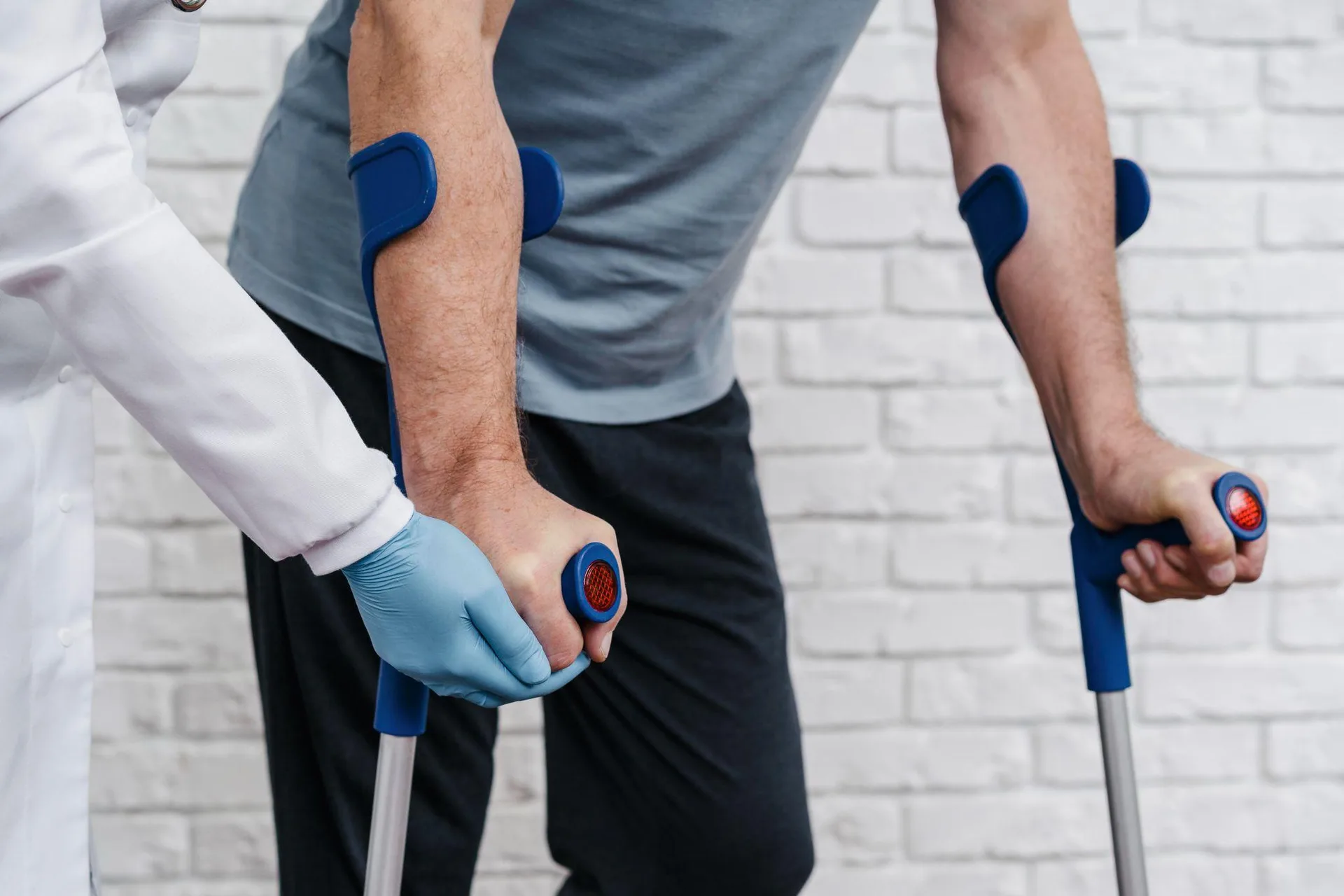
First two weeks. The knee is swollen, bruised and sore. You walk with a walker or crutches, do your exercises several times a day, and rest with the leg raised. Swelling can last for weeks.
Weeks three to six. Pain eases. Many people move to a stick. You can usually manage stairs with support and begin short outings. Many surgeons allow driving once you can control the vehicle safely and are off strong painkillers, but this should be confirmed with your surgeon.
Three months. Most everyday tasks are comfortable. Walking distance grows, and the limp fades. Some swelling and warmth around the knee can persist.
Six months to a year. Strength, bending and confidence continue to improve. The final result is often judged at about a year.
How far will the knee bend?
Most people reach enough bend for walking, stairs and sitting in a chair. Deep squatting and sitting cross legged on the floor are harder. If those matter to you, for prayer or family customs, raise it with your surgeon before the operation, because it influences the plan and your expectations.
Risks and complications
Total knee replacement is safe and routine, but it is still major surgery. The main risks include:
- Infection. Uncommon, but serious. Hospitals take extensive precautions, and you play your part by treating skin and dental problems beforehand.
- Blood clots. Prevented with early walking, ankle pumps, compression and sometimes blood thinning medicines.
- Stiffness. Some people develop scar tissue that limits bending. Consistent physiotherapy is the best protection.
- Persistent pain. A minority of patients continue to have some pain, even though the operation went well.
- Implant problems. Wear or loosening can occur over many years.
- Nerve or blood vessel injury. Rare.
- Anesthesia or medical complications. Heart, lung and kidney problems are more likely in people with existing disease.
Your surgeon should discuss these with you in language you understand, and in the context of your health.
How long does a knee replacement last?
Modern knee implants commonly last 15 to 20 years or more, with the large majority still working well at 15 years. Longevity depends on your weight, activity level, bone quality, the alignment achieved at surgery and the implant. If an implant wears out, a revision operation is possible, though it is more complex than the first.
Realistic expectations
A total knee replacement is meant to relieve pain and improve function. It will not make you 25 again. Most patients are happy with the result and walk comfortably for years. Some activities remain limited: high impact sports, repeated kneeling or deep squatting. A knee replacement also does not fix other problems, such as a stiff hip or back that contribute to your difficulty.
The best results come from good patient selection, a skilled surgeon, a safe hospital and your own commitment to rehabilitation.
Questions to ask your surgeon
- Do I need a total replacement, or would a partial replacement or another option suit me?
- What are my alternatives, and what happens if I wait?
- Which implant will you use, and why?
- What are the main risks in my case?
- How long will I be in hospital, and what rehabilitation do I need?
- When can I return to walking, driving, work and travel?
- What can I expect with bending, squatting and sitting on the floor?
- What does the hospital estimate include?
Knee replacement in Noida with Dr. Mayank Chauhan
If knee pain is limiting your life, a clear evaluation will tell you whether replacement is the right step now, later or not at all. Dr. Mayank Chauhan is a senior orthopedic and joint replacement surgeon at Prakash Hospital, D-12A/12B, Sector 33, Noida, next to the ISKCON Temple. He has more than 15 years of experience, trained at Maulana Azad Medical College, Delhi, and holds an arthroplasty fellowship from Hallym University Hospital, South Korea. His patients rate him 4.9 out of 5 on Google.
Prakash Hospital is a 100 bed, NABH and NABL accredited hospital with 24 hour emergency care, empanelled with CGHS, ECHS, ESI and major insurers. OPD hours are Monday to Saturday, 10 AM to 8 PM, and Sunday, 10 AM to 2 PM.
To book a consultation, call the number listed on the website.
This article is general information and does not replace a personal examination.