Reviewed by Dr. Mayank Chauhan
Rheumatoid Arthritis Treatment: Medicines, Therapy and Surgery
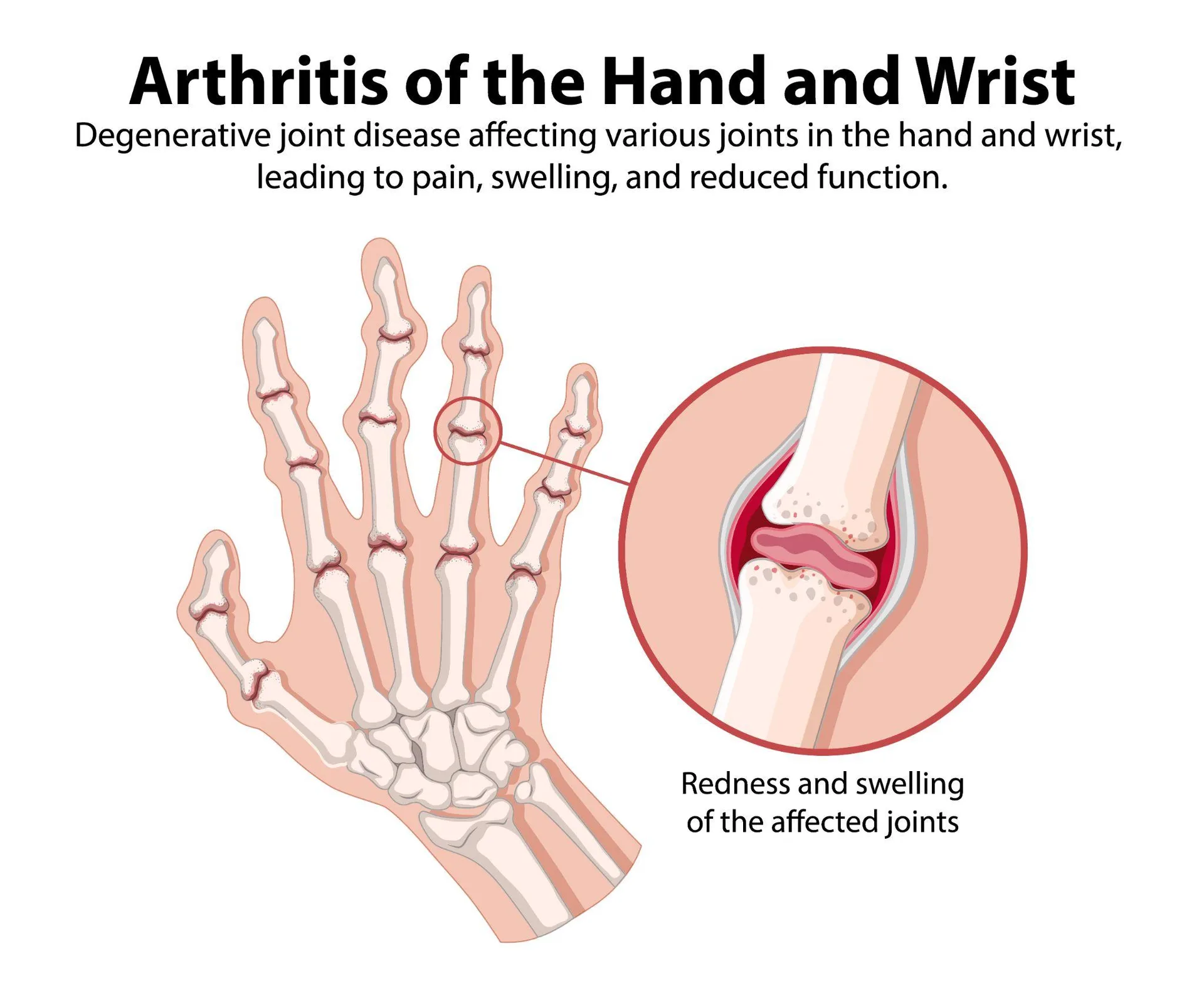
Treatment aims to switch this inflammation off before it permanently damages cartilage and bone.
A diagnosis of rheumatoid arthritis (RA) lands heavily. Most people have questions straight away. Is it curable? Will I be on tablets for life? Will my hands become deformed? Do I need injections? Is it safe to take methotrexate for years?
The honest picture is more hopeful than it used to be. A few decades ago, RA often led to severe joint damage and disability. Today, with early diagnosis and modern medicines, many people reach low disease activity or remission, keep working and stay active. The catch is that it works best when treatment starts early and is followed consistently.
The goal of RA treatment
RA is an autoimmune disease: the immune system attacks the lining of the joints, causing swelling, pain, stiffness and, if left unchecked, permanent damage to cartilage and bone. There is no single cure yet, but treatment can switch the disease off or turn it down to a level where it causes little harm.
Current guidelines are built around a treat-to-target approach:
- Measure disease activity using a standard scale, based on swollen and tender joints, blood tests and how you feel.
- Set a target, typically remission or at least low disease activity.
- Adjust medicines until the target is reached.
- Keep checking, and change treatment if the disease flares.
So treatment is not static. It is a plan that gets adjusted based on how you respond, usually every few months.
The main groups of medicines
1. DMARDs: the foundation
Disease modifying anti-rheumatic drugs (DMARDs) work on the underlying disease, slowing or stopping joint damage. They take weeks to months to work, so they are not painkillers.
Conventional DMARDs include:
- Methotrexate. The usual first choice and the anchor drug for most people with moderate to high disease activity. Guidelines from the American College of Rheumatology recommend methotrexate as the best initial agent in these cases, because it has stronger evidence of disease modifying activity than the alternatives. It is taken weekly (not daily), and folic acid is usually prescribed alongside it. Regular blood tests monitor the liver, kidneys and blood counts.
- Hydroxychloroquine. Gentler and better tolerated, often used in mild disease or in combination. It needs periodic eye checks.
- Sulfasalazine. Used alone in mild disease or as part of combinations.
- Leflunomide. An alternative when methotrexate does not suit.
In low disease activity, some guidelines list hydroxychloroquine first because of its tolerability. For moderate to high activity, methotrexate leads.
2. Biologic and targeted DMARDs
If conventional DMARDs do not bring the disease under control, the next step is usually to add a stronger medicine.
- Biologics are made from living cells and block specific parts of the immune response. Examples include TNF inhibitors, IL-6 blockers, and drugs that target B cells or T cells. They are given by injection or infusion.
- Targeted synthetic DMARDs (JAK inhibitors) are tablets that block signalling inside immune cells.
Guidelines recommend adding one of these when methotrexate alone is not enough. A combination of methotrexate, hydroxychloroquine and sulfasalazine ("triple therapy") is also an accepted option and works about as well, though it may take longer. If one biologic fails, doctors may switch to a different class.
These medicines are powerful. They raise the risk of infections, so screening for tuberculosis and hepatitis is done before starting, which is particularly relevant in India. Your doctor will also review other conditions, such as heart failure, which can affect the choice of drug.
3. Corticosteroids (steroids)
Steroids such as prednisolone act quickly and reduce inflammation within days. They are valuable as a short "bridge" while slower DMARDs begin to work, or to settle a flare.
The trade-off is that long term steroid use carries significant risks: weight gain, high blood sugar, high blood pressure, thinning of bones, cataracts, skin thinning and infections. Guidelines therefore do not recommend long term steroids as standard treatment. The usual approach is the lowest dose for the shortest time, then taper. If symptoms persist, adjusting the DMARD is preferred over continuing steroids.
Please do not stop steroid tablets suddenly if you have been taking them for some time, because your body may need time to adapt. Follow your doctor's tapering plan.
4. NSAIDs and painkillers
Non-steroidal anti-inflammatory drugs (such as ibuprofen, naproxen or diclofenac) and painkillers ease pain and stiffness. They do not slow joint damage. They can irritate the stomach and affect the kidneys and blood pressure, so the lowest effective dose for the shortest time is advised, ideally under medical supervision.
5. Joint injections
A steroid injection into one very inflamed joint can give relief for weeks or months. It helps when a single joint is flaring while the rest is controlled. Repeated injections into the same joint are discouraged.
Treatment is more than tablets
Physiotherapy and exercise
Regular exercise keeps joints mobile and muscles strong, and reduces fatigue. A physiotherapist can design a programme with range of motion work, gentle strengthening and low impact aerobic activity such as walking or swimming. Rest is useful during a flare, but prolonged rest leads to stiffness and weakness.
Occupational therapy
Occupational therapists teach joint protection, ways of doing everyday tasks with less strain, and suggest aids such as jar openers, built-up handles and splints. Resting splints for hands and wrists can reduce pain and protect joints during flares.
Diet and weight
No diet cures RA. Still, a balanced diet with fruit, vegetables, pulses, whole grains and fish can support general health, and a healthy weight reduces stress on joints. Some people notice that particular foods trigger symptoms, and a doctor or dietitian can help you test this safely.
Stop smoking
Smoking increases the risk of developing RA and makes it more severe and less responsive to treatment. Quitting is one of the most valuable steps you can take.
Bone health
RA and steroid treatment raise the risk of osteoporosis. Check your vitamin D and calcium, and ask about a bone density scan.
Vaccinations
Because some RA medicines suppress the immune system, vaccines such as influenza and pneumococcal are often recommended. Discuss timing with your doctor.
Emotional wellbeing
Living with a long term condition is hard. Fatigue, pain and uncertainty can affect mood. Talking to your doctor or a counsellor, and connecting with others who have RA, can help.
Monitoring: why regular check-ups matter
RA medicines need supervision.
- Blood tests every few weeks at the start, then every few months, to check liver, kidney and blood counts.
- Disease activity checks with joint counts and inflammation markers (ESR and CRP).
- X-rays or ultrasound from time to time to check for joint damage.
- Review of side effects: mouth sores, nausea, infections, new cough or breathlessness, or yellowing of the eyes should be reported promptly.
Never stop or change disease modifying medicines without consulting your doctor. Stopping all DMARDs carries a high risk of flare and irreversible damage. Guidelines advise keeping at least one DMARD in place, and tapering gradually only after the disease has been under control for a sustained period.
When surgery is considered
Medicines have reduced the need for joint surgery, but some people still develop damage that needs an orthopedic operation. Surgery does not treat the disease itself. It repairs or replaces damaged joints and improves function.
Options include:
- Synovectomy. Removal of inflamed joint lining, occasionally used when a joint stays swollen despite medicines.
- Tendon repair or transfer. Inflamed tendons can rupture, especially in the hand and wrist.
- Joint replacement. Knee, hip, shoulder, elbow and some small joint replacements can restore movement and relieve pain in badly damaged joints. Our guide on total knee replacement explains what to expect.
- Joint fusion (arthrodesis). Used in some wrist, ankle or foot joints for stability and pain relief.
- Spine surgery. For neck instability, which can occur in long standing RA, and needs specialist assessment.
The decision depends on joint damage, pain, function and your overall health. Timing is planned with your rheumatologist, because medicines may need adjusting around the operation.
Living with RA day to day
- Take medicines exactly as prescribed, and keep follow-up appointments.
- Pace yourself, and balance activity with rest.
- Use heat for stiffness and cold for swollen, flared joints.
- Warm up before exercise and avoid overloading inflamed joints.
- Wear supportive footwear.
- Report new symptoms early: a flare, fever, or signs of infection.
- Look after sleep and stress.
Our articles on the early signs of rheumatoid arthritis and on osteoarthritis versus rheumatoid arthritis help with recognising and distinguishing the condition.
When to seek urgent help
Contact your doctor or go to the emergency department if you have:
- Fever or signs of infection while on immune suppressing medicines
- A single joint that becomes hot, red, very painful and swollen (this could be an infection)
- Sudden inability to move a finger or wrist
- New neurological symptoms such as weakness, numbness or difficulty walking
- Chest pain or breathlessness
- Severe abdominal pain, black stools or vomiting blood while on anti-inflammatories or steroids
Prakash Hospital in Noida has a 24 hour emergency department.
Arthritis care in Noida with Dr. Mayank Chauhan
RA is best managed by a team: a rheumatologist for disease modifying treatment, physiotherapy and an orthopedic surgeon when joints need surgical care. If you have joint pain, swelling or damage and want an orthopedic opinion, Dr. Mayank Chauhan is a senior orthopedic surgeon at Prakash Hospital, D-12A/12B, Sector 33, Noida, next to the ISKCON Temple. He has more than 15 years of experience, trained at Maulana Azad Medical College, Delhi, and completed an arthroplasty fellowship at Hallym University Hospital, South Korea. His patients rate him 4.9 out of 5 on Google.
Prakash Hospital is NABH and NABL accredited and works with CGHS, ECHS, ESI and major insurers. OPD hours are Monday to Saturday, 10 AM to 8 PM, and Sunday, 10 AM to 2 PM.
To book a consultation, call the number listed on the website.
This article is for general information and does not replace a medical examination. Medicine choices and doses must be decided by your treating doctor.