Reviewed by Dr. Mayank Chauhan
Early Signs of Rheumatoid Arthritis You Should Not Ignore
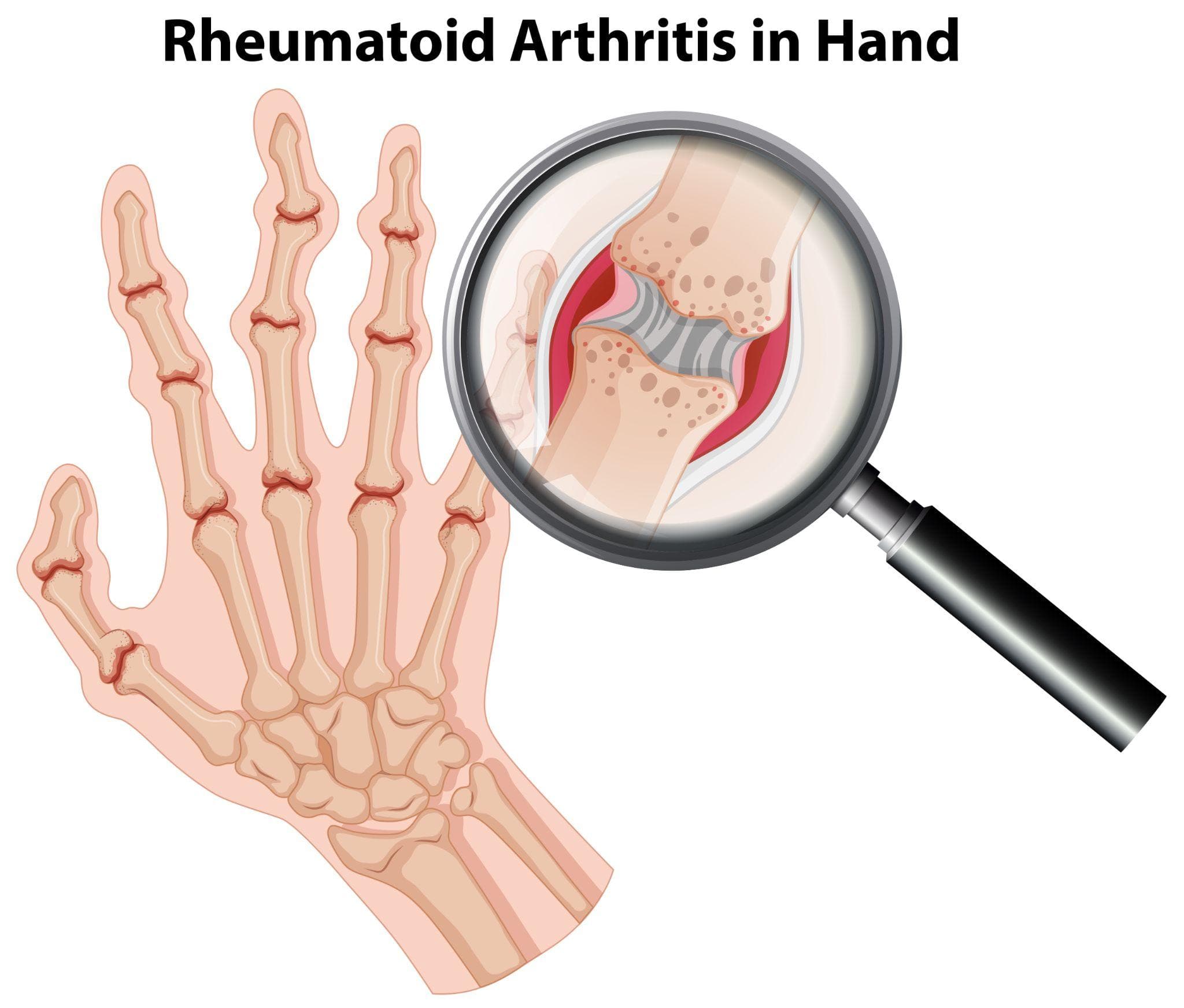
Rheumatoid arthritis usually starts in the small joints of the fingers and wrists, often on both hands at once.
Joint pain is so common in India that most of us have learned to shrug it off. A stiff morning is blamed on the weather, swollen fingers on too much salt, and tiredness on a busy week. For a lot of people, that is a fair guess. For some, it is the first stage of rheumatoid arthritis, and the months they spend waiting it out are months that the joints cannot get back.
Rheumatoid arthritis (RA) is a different disease from the wear and tear arthritis most people picture. It is driven by the immune system, it often starts in younger adults, and it responds best when treatment begins early. That timing is the whole reason this article exists.
What rheumatoid arthritis is
In RA, the immune system mistakenly attacks the lining of the joints, called the synovium. The lining becomes inflamed and swollen, and over time that inflammation can erode cartilage and bone, loosen ligaments and deform the joint. Because it is a whole body immune condition, it can also affect the eyes, lungs, heart and blood vessels, and it commonly causes fatigue.
Roughly one in a hundred people in India is estimated to have it. It can start at any age, but it most often appears between about 20 and 50, and women are affected more often than men. In Hindi it is sometimes called gathiya, which is a general word for joint disease and does not distinguish between types. That vagueness is part of the problem.
How it differs from osteoarthritis
Osteoarthritis is wear and tear, usually in older people, and it tends to affect weight bearing joints like the knees and hips. It stiffens briefly in the morning and hurts more with use. RA is inflammatory. It tends to cause long morning stiffness, swelling that you can see and feel, and it often starts in the small joints of the hands and feet. We compare the two in detail in our guide on osteoarthritis versus rheumatoid arthritis.
The early signs
RA is rarely dramatic at the start. It comes in quietly, and the pattern matters more than any one symptom.
1. Morning stiffness that lasts
This is the signature symptom. In RA, joints feel stiff and sluggish on waking, and the stiffness takes 30 minutes to an hour or more to ease. In osteoarthritis, morning stiffness usually clears in under half an hour. If your hands feel like they belong to someone else until midday, pay attention.
2. Pain and swelling in small joints
RA often begins in the knuckles at the base of the fingers, the middle finger joints, the wrists and the balls of the feet. The joints look puffy, feel warm and are tender to squeeze. People often notice that rings stop fitting or that a handshake hurts.
3. Symmetry
One of the most telling features is that the same joints on both sides of the body are affected. If your left wrist and your right wrist are both swollen and sore, that pattern suggests RA more than injury or wear.
4. Tiredness that does not go away
Many people with early RA say fatigue was their first and worst symptom. It is a heavy, drained feeling that sleep does not fix. It comes from the inflammation going on in the body.
5. Low grade fever and feeling unwell
Some people have a mild temperature, loss of appetite or general malaise. These symptoms are vague, which is why RA is easy to miss.
6. Loss of grip and fine movement
Difficulty opening jars, turning a key, buttoning a shirt or holding a pen is common. Weakness comes from both pain and swelling.
7. Joints that gradually spread
Over weeks to months, other joints can join in: elbows, shoulders, knees, ankles, hips, and in some people the neck. The disease often moves from small joints to larger ones.
8. Lumps under the skin
About a quarter of people with long standing RA develop firm lumps called rheumatoid nodules, often near the elbows. They tend to appear later, not at the start.
Signs outside the joints
Because RA affects the whole body, you may notice symptoms away from the joints.
- Dry, gritty or red eyes
- Dry mouth
- Shortness of breath or a persistent dry cough (lung involvement is less common but important)
- Pale skin or anaemia
- Chest pain in rare cases
If you have joint symptoms along with any of these, mention them to your doctor.
Why early diagnosis is so important
RA is often described as having a "window of opportunity" in the first months after symptoms begin. Treatment started early, ideally within about the first three to six months, gives the best chance of controlling the disease and protecting joints. Left alone, the inflammation steadily damages cartilage and bone. Once that damage has happened, it generally cannot be reversed.
Delays are common. Many people try painkillers and home remedies for months, or visit several doctors before the pattern is recognised. A swollen joint or long morning stiffness lasting more than six weeks deserves a proper evaluation, not another round of over the counter painkillers.
How RA is diagnosed
No single test confirms RA. Doctors combine your story, an examination and tests.
Examination. The doctor checks which joints are swollen, tender or limited, and whether the pattern is symmetrical.
Blood tests. Common ones include:
- Rheumatoid factor (RF) and anti-CCP antibodies. Anti-CCP is more specific. A negative result does not rule RA out, since some people are "seronegative".
- ESR and CRP, which are markers of inflammation.
- Complete blood count, which can show anaemia.
- Tests of liver and kidney function, which are needed before starting certain medicines.
A positive rheumatoid factor alone does not prove you have RA, because it can be positive in other conditions and in some healthy people. The result has to be read with your symptoms.
Imaging. X-rays can show joint damage, but they may look normal in the early weeks. Ultrasound or MRI can detect inflammation earlier.
Because RA can be mistaken for other conditions, such as gout, viral arthritis, lupus or osteoarthritis, it helps to be examined by a specialist. Our guide on gout symptoms covers one common look-alike.
Treatment: what it involves
The main aims are to control inflammation, ease symptoms, prevent joint damage and keep you functioning. Treatment is personalised.
Disease modifying drugs (DMARDs)
These are the core medicines. They slow the underlying disease rather than just easing pain. Common ones include methotrexate, leflunomide, hydroxychloroquine and sulfasalazine, often used alone or in combination. They take weeks to months to work, which is why other medicines are used in the meantime. They need regular blood tests for safety.
Biologic and targeted drugs
For people whose disease is not controlled with standard drugs, newer treatments such as biologics or targeted small molecules are available. They are used under specialist care, since they affect the immune system.
Short-term symptom relief
Anti-inflammatory painkillers and low dose steroids may be used for a while to settle flares or bridge the gap before DMARDs take effect. Long term steroid use has side effects, including bone thinning, so doctors try to keep it short.
A caution about alternative remedies
Many people try ayurvedic, homeopathic or herbal treatments, and some find the supportive care soothing. The problem is delay. Using only these in early RA can let joints be damaged while the disease runs unchecked. Some preparations also contain hidden steroids or other drugs that can cause harm. If you want to use complementary therapies, do so alongside proper medical treatment, and tell your doctor.
What you can do yourself
Medicine does the heavy lifting in RA, but lifestyle measures add real benefit.
- Keep moving. Gentle regular exercise keeps joints supple and muscles strong. Walking, swimming and stretching are good choices. Rest during flares, then return gradually.
- Protect your joints. Use jar openers, thick handled utensils and your larger joints when carrying things.
- Stop smoking. Smoking raises the risk of RA and makes it harder to control.
- Maintain a healthy weight. Extra weight loads the joints and can also worsen inflammation.
- Eat well. A balanced diet rich in vegetables, fruits, whole grains and fish or nuts supports general health. No special diet cures RA.
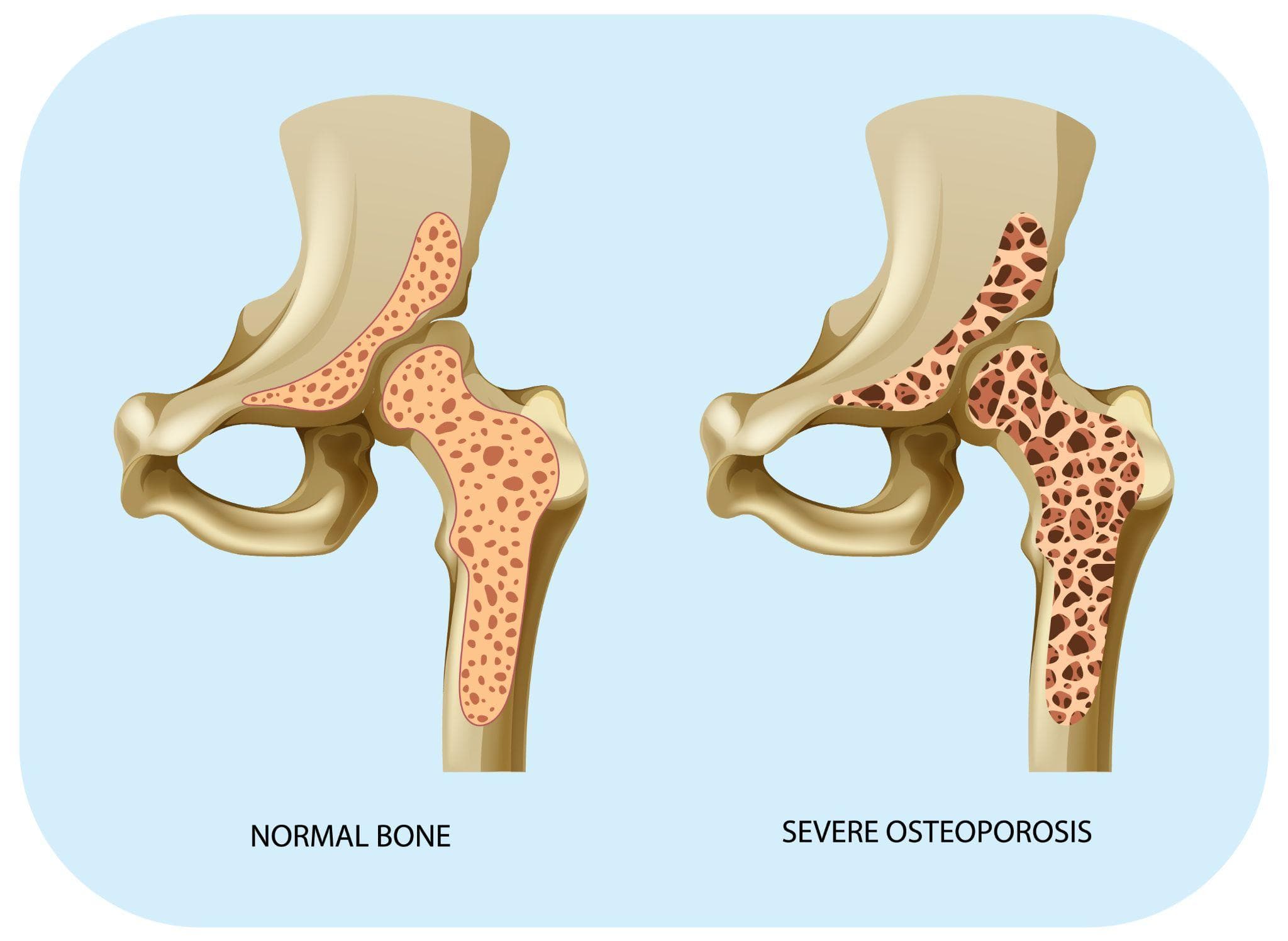
- Look after your bones. RA and some of its treatments raise the risk of bone thinning. Check your vitamin D and calcium, and read our guides on vitamin D and bone health and how to prevent osteoporosis.
- Manage stress and sleep. Poor sleep and high stress can worsen pain and fatigue.
- Keep to your follow ups. Regular reviews and blood tests are how doctors keep treatment safe and effective.
What happens if RA is not controlled?
Uncontrolled RA can lead to:
- Progressive joint damage and deformity, such as drifting fingers and bent toes
- Loss of grip, walking ability and independence
- Tendon rupture, particularly in the hands
- Neck instability in advanced cases
- Higher risk of heart disease, lung problems and osteoporosis
When joints are badly damaged, surgery may be considered. Hip and knee replacement can restore movement and relieve pain in people with advanced RA. Our guide on rheumatoid arthritis and joint replacement explains when surgery makes sense and what is different from standard joint replacement.
When to see a doctor
Arrange an assessment soon if:
- You have swollen, painful joints for more than six weeks
- Morning stiffness lasts longer than 30 to 60 minutes
- The same joints on both sides are affected
- Joint symptoms come with extreme fatigue or low grade fever
- Painkillers help only temporarily
- A close relative has RA and you have joint symptoms
See a doctor urgently if a single joint becomes suddenly hot, red and very painful with fever, since infection needs to be ruled out.
Joint pain assessment in Noida with Dr. Mayank Chauhan
If your joints have been stiff and swollen for weeks, an early evaluation can separate wear and tear, gout, injury and inflammatory arthritis. Dr. Mayank Chauhan is a senior orthopedic surgeon at Prakash Hospital, D-12A/12B, Sector 33, Noida, next to the ISKCON Temple. He has more than 15 years of experience, trained at Maulana Azad Medical College, Delhi, and completed an arthroplasty fellowship at Hallym University Hospital, South Korea.
Prakash Hospital is NABH and NABL accredited and works with CGHS, ECHS, ESI and major insurers. OPD hours are Monday to Saturday, 10 AM to 8 PM, and Sunday, 10 AM to 2 PM.
To book a consultation, call the number listed on the website.
This article is for general information and does not replace a medical examination.