Reviewed by Dr. Mayank Chauhan
Slip Disc Exercises at Home: A Safe Routine and What to Avoid
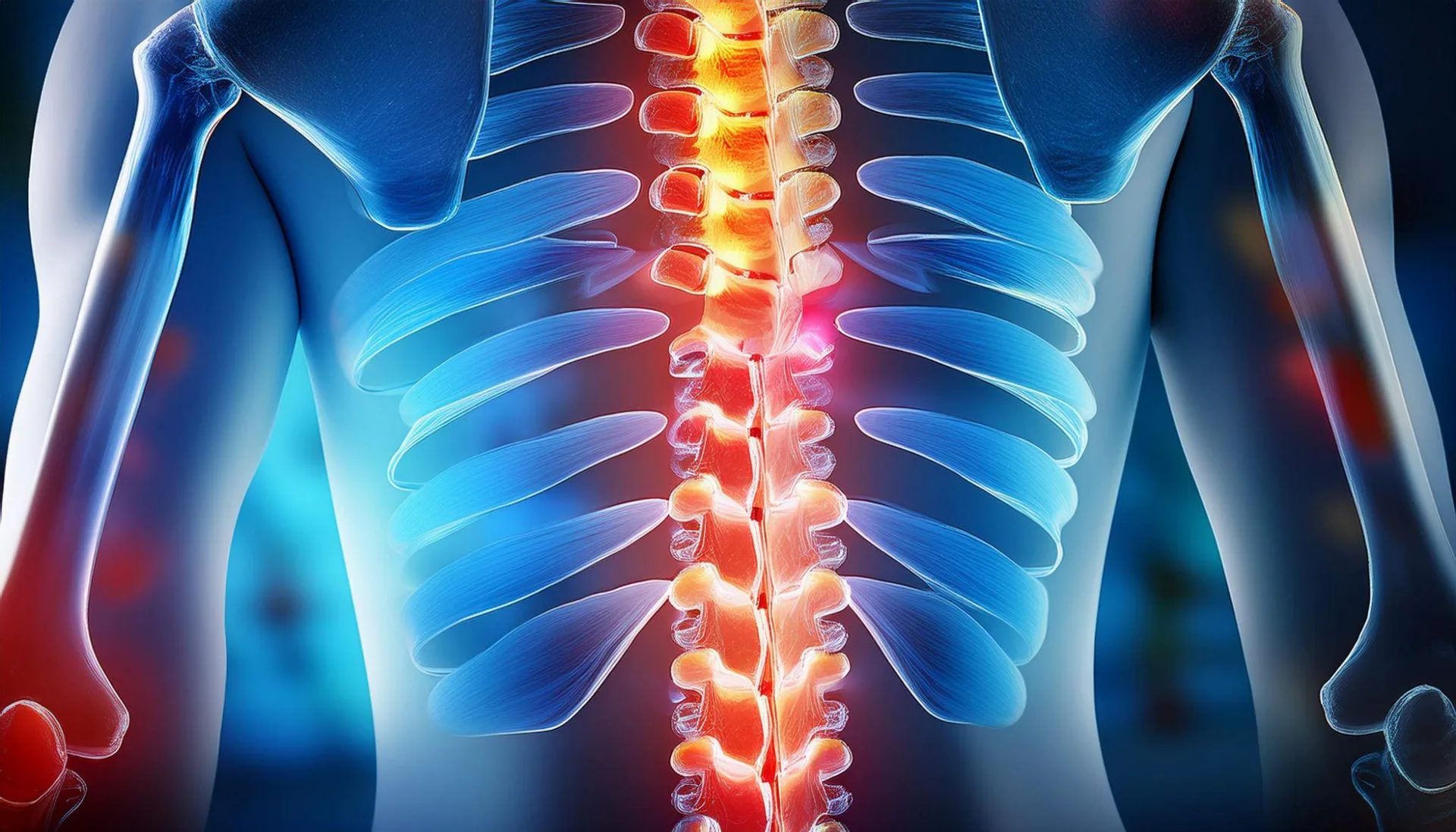
Many herniated discs settle without surgery as the body reabsorbs part of the displaced material.
Somebody tells you that you have a "slip disc" and the first thing most people do is stop moving. They lie flat, cancel everything, and wait for the pain to pass.
That instinct is understandable, but it is usually the wrong move after the first day or two. The back does better with gentle, well chosen movement than with weeks of rest. The catch is that "well chosen" matters a great deal. The wrong exercise can push the pain further down your leg, and the right one can pull it back to your spine within a few days.
What a slip disc really is
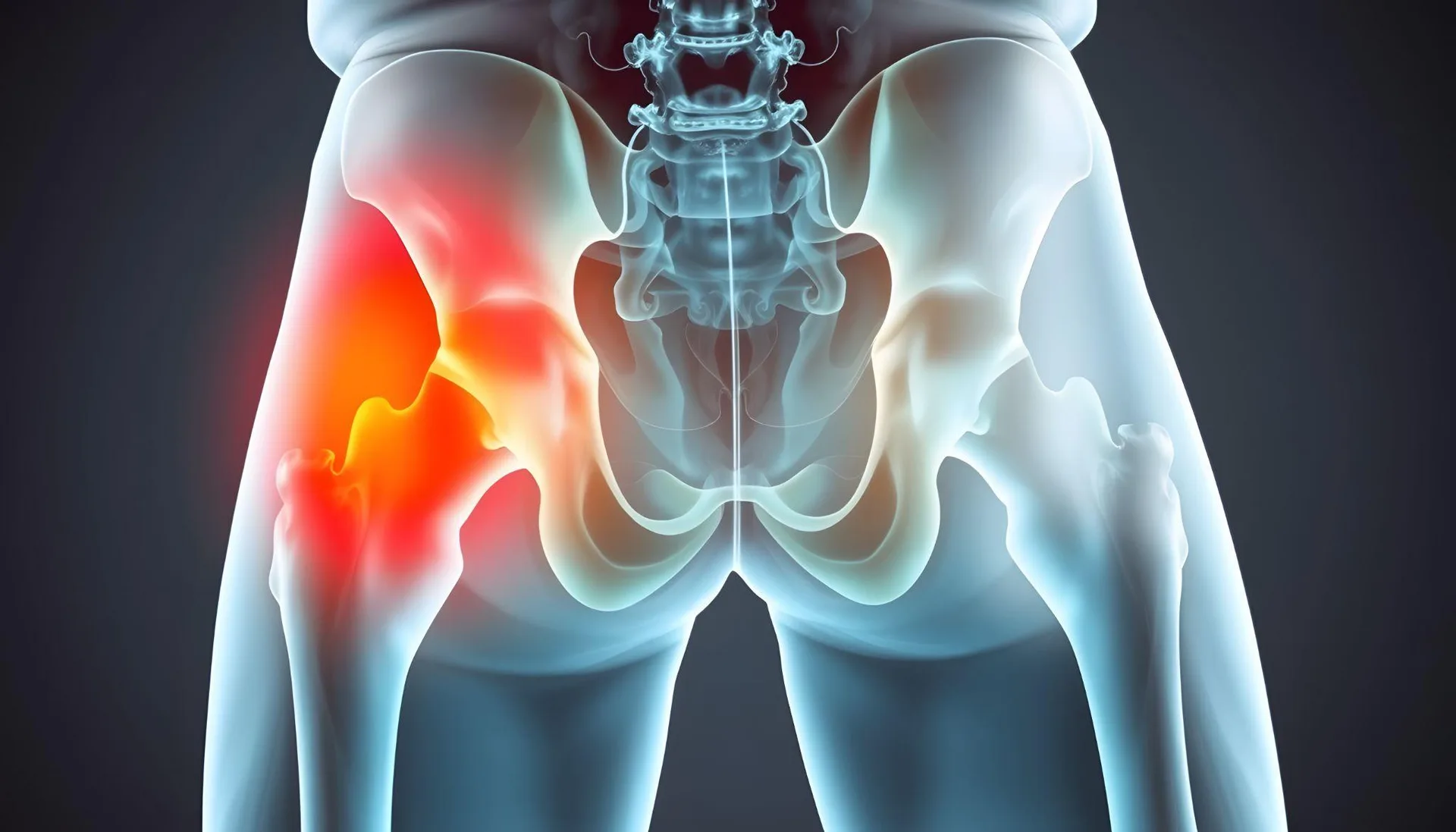
The name is misleading. A disc does not "slip" out of place like a book sliding off a shelf. The discs between your spinal bones are tough, rubbery cushions with a softer, jelly-like centre. If the outer ring weakens or tears, some of that centre can bulge or leak out. Doctors call this a herniated, prolapsed or bulging disc.
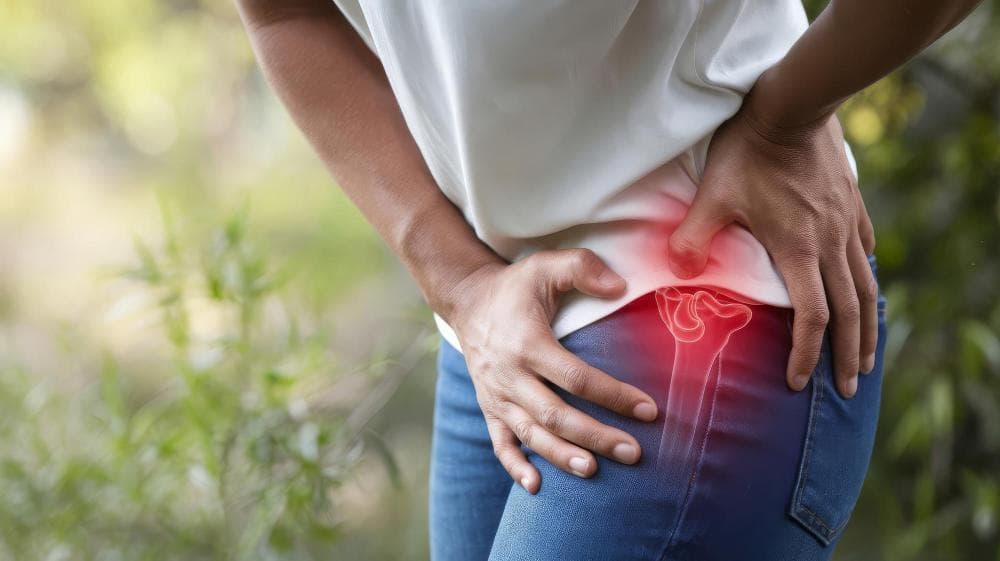
The problem begins when that bulge touches a nerve root. That is why a slip disc in the lower back often causes pain in the buttock, thigh or calf, along with tingling or numbness in the foot. In the neck, the same thing can send pain down the arm into the fingers.
Most slip discs happen in the lower back, at the two lowest levels (L4-L5 and L5-S1), because that part of the spine carries the most load and does the most bending. It is common between roughly 30 and 50 years of age, when the disc is still soft enough to bulge but the muscles that support it are often out of practice.
The good news about recovery
Many herniated discs settle without surgery. The body can reabsorb part of the displaced material over time, and the inflammation around the nerve calms down. For most people the worst of it eases over a few weeks, and a good number feel largely normal within about three months. That recovery goes better when you stay active in a controlled way.
Before you start: the ground rules
A home routine only works if you read your own body correctly. Keep these rules in mind every time you exercise.
Watch where the pain goes, not just how much it hurts. Pain that stays in the back, or moves from the leg back toward the spine, is a good sign. Pain that travels further down the leg, or new tingling that spreads toward the foot, is a bad one. If an exercise sends symptoms further away from your back, stop that exercise.
Mild soreness is fine. Sharp or electric pain is not. A dull ache that settles within an hour is normal. A jolt that makes you gasp is your cue to stop.
Go slowly and do less than you think you can. Five minutes done gently, three times a day, beats thirty minutes of heroics once a day.
Stay out of the acute window with big stretches. In the first few days of a bad flare, keep to walking and the simplest movements below. The more demanding exercises can wait until the pain has dropped.
Exercises that often help
These are general, widely used movements. Your own response matters more than the label on the exercise, so treat this as a menu and test each one carefully.
1. Walking
Walking is the most underrated treatment for a slip disc. It keeps the discs and joints moving, improves blood flow to the spine and stops the muscles from stiffening. Start with five to ten minutes on flat ground at an easy pace. Add a few minutes each day as long as the leg symptoms do not get worse.
If standing or walking makes the leg pain much worse, take shorter walks and rest in between rather than stopping altogether.
2. Lying on your stomach
This one looks too simple to matter. Lie face down on a firm surface with a pillow under your hips if that is more comfortable, and stay there for a few minutes. If that feels fine, prop yourself up on your elbows and rest in that position for a minute or two.
Many people with a lower back disc problem feel their leg pain pull back toward the spine in this position. If your pain moves up and away from the leg, that is encouraging. If it gets worse in the leg, skip this one.
3. The gentle press-up
Once lying on your stomach is comfortable, place your hands under your shoulders and slowly push your upper body up while your hips stay on the floor. Hold for a second, lower back down, and repeat eight to ten times. Do not force the movement and do not go to the end of the range on the first day.
This is the kind of extension movement that physiotherapists use when a patient's pain responds to it. It does not suit everyone, and it can be wrong for some types of spinal narrowing, so treat leg pain that worsens as a hard stop.
4. Pelvic tilts
Lie on your back with your knees bent and feet flat. Flatten the small of your back gently into the floor by tightening your lower stomach, hold for three to five seconds, then relax. Repeat ten times.
It looks like nothing, and it is meant to. This teaches your deep abdominal muscles to switch on without loading the disc.
5. Glute bridge
From the same position, squeeze your buttocks and lift your hips until your body forms a straight line from shoulders to knees. Hold for a couple of seconds and lower slowly. Start with eight repeats.
Strong buttock muscles take load off the lower back, and this movement builds them without bending the spine much.
6. Bird-dog
On hands and knees, with your back flat, extend one arm forward and the opposite leg backward. Hold for a few seconds, return, and switch sides. The point is to keep your trunk steady while your limbs move, not to lift as high as possible.
If your wrists or knees complain on a hard floor, use a folded blanket.
7. Gentle nerve glides
If a nerve is irritated, some people get relief from controlled nerve mobilisation. Sit on a chair, straighten one knee slowly while lifting your head, then bend the knee and drop your head. Do this gently and in rhythm, ten times. Do not stretch into pain or tingling.
This is one to try only when your symptoms are settling, and ideally with a physiotherapist showing you the technique first.
Exercises and habits to avoid
The list of things to skip matters as much as the list of things to do, and it is the one people tend to ignore.
- Toe touches and deep forward bends. Bending forward loads the back of the disc, which is exactly where the bulge usually sits. This includes the standing toe touch and the seated forward stretch common in many yoga sequences.
- Full sit-ups and crunches. They compress the discs repeatedly. Pelvic tilts and bird-dog train the same muscles with much less load.
- Double leg raises. Lifting both legs from lying flat strains the lower back. If you need to work the abdominals, use bent-knee versions.
- Heavy lifting from the floor. This includes lifting a gas cylinder, a suitcase or a toddler with a rounded back. If you must lift, bend at the hips and knees, keep the load close, and avoid twisting.
- Twisting with load. The golf swing, cricket pull shot and a rapid twist to grab something from the back seat can all aggravate a bulging disc.
- High impact activity. Running, jumping and skipping can wait until you are largely settled.
- Long sitting without a break. Sitting puts more pressure on the lower discs than standing. Get up every 30 to 40 minutes, even for a minute.
A note on yoga
Yoga helps many people with back problems, but a lot of poses are risky with an active disc problem. Deep forward folds, plough pose and aggressive twists are the usual troublemakers. Gentle cobra pose and cat-cow can suit some people. If you want to try yoga, tell the instructor you have a disc problem, and stop anything that sends symptoms down the leg.
Everyday Indian habits that quietly irritate a disc
A routine only helps if the rest of your day does not undo it. A few patterns come up repeatedly in clinic.
Floor sitting and low seating. Sitting cross-legged on the floor for meals or puja is not harmful by itself, but getting up and down from the floor with a stiff back can strain it. Use a low stool or sit with your back supported against a wall for a while during recovery.
Two-wheeler commutes. Hours on a bike over bad roads transmit vibration and impact straight through the spine. If you can, switch to a car or metro until the pain eases, and take breaks on longer rides.
Desk work and long laptop sessions. A slumped posture on a sofa or bed is harder on the discs than a supported chair. Keep your hips slightly above your knees, and put a small rolled towel behind the lower back.
Bending at the kitchen counter and sweeping. Low work surfaces make you bend forward for long periods. Raise the work height if you can, or bend your knees instead of your back.
Sleeping position. Lying on your side with a pillow between your knees, or on your back with a pillow under your knees, keeps the spine in a neutral position. A very soft mattress that sags in the middle makes things worse.
What can slow recovery
Several things delay healing, and they are worth addressing.
Carrying extra weight increases the load on the lower discs. Smoking reduces blood supply to the disc and slows repair, so it is one of the more fixable risk factors. Poor sleep and high stress also keep pain levels higher. Low vitamin D, which is common in India, is linked with muscle and bone aches that can overlap with back pain, so it is worth a check if you have been tired and sore for a long time.
Painkillers can help you stay mobile in the early days, but they do not fix the disc. Take medicines only as your doctor has advised, particularly if you have stomach, kidney or heart problems.
Warning signs: when not to wait
Most slip discs are not emergencies, but a small number are. Seek urgent medical help the same day if you notice any of these:
- Numbness around the groin, inner thighs or buttocks (the "saddle" area)
- Difficulty passing urine, loss of bladder control or loss of bowel control
- Weakness in the leg or foot that is getting worse, such as a foot that drags when you walk
- Back pain with fever, unexplained weight loss or a history of cancer
- Severe pain after a fall or accident
These can signal serious nerve compression that needs prompt treatment. At Prakash Hospital in Noida, the emergency department runs 24 hours.
When to see a specialist even without an emergency
Book a proper assessment if your pain has not improved after about six weeks, if the leg symptoms are getting worse instead of better, if sleep is badly affected, or if you cannot do your normal work. An examination and, when needed, an MRI can show exactly which disc and which nerve are involved. That removes the guesswork about which exercises suit you.
When surgery is considered
Surgery is the exception, not the rule. It is usually discussed when there is progressive weakness, loss of bladder or bowel control, or severe leg pain that has not responded to a proper trial of non-surgical care over weeks to a few months. Procedures such as microdiscectomy remove the part of the disc pressing on the nerve, often through a small incision, and many patients are walking the same or next day.
If you want to read more about surgical options, our guides on minimally invasive spine surgery and spinal decompression surgery explain what is involved.
A simple one-week starting plan
Treat this as a starting point and adjust it to how you feel.
- Days 1 to 2: Short walks of five to ten minutes, three times a day. Lie on your stomach for a few minutes if comfortable. Pelvic tilts, ten repeats, twice a day.
- Days 3 to 4: Increase walks to ten to fifteen minutes. Add the elbow prop and gentle press-ups if they ease the pain. Keep pelvic tilts going.
- Days 5 to 7: Add glute bridges and bird-dog, starting with small repeats. Continue walking. Stop anything that sends pain further down the leg.
Keep the routine going for several weeks even after the pain settles. Disc problems come back when the supporting muscles go back to sleep.
Slip disc care in Noida with Dr. Mayank Chauhan
If your pain is not settling, or you are not sure which of these exercises is safe for you, a proper examination saves weeks of trial and error. Dr. Mayank Chauhan is a senior orthopedic surgeon at Prakash Hospital, D-12A/12B, Sector 33, Noida, next to the ISKCON Temple. He has more than 15 years of experience, trained at Maulana Azad Medical College, Delhi, and completed an arthroplasty fellowship at Hallym University Hospital in South Korea. The hospital is NABH accredited and works with CGHS, ECHS, ESI and major insurers.
OPD timings are Monday to Saturday, 10 AM to 8 PM, and Sunday, 10 AM to 2 PM.
To book a consultation, call the number listed on the website.
This article is for general information and does not replace a medical examination. If you have the warning signs listed above, seek urgent care.