Reviewed by Dr. Mayank Chauhan
Hip Replacement in Noida: Procedure, Hospital Stay and Recovery

Most hip replacements take one to two hours, usually under spinal anaesthesia.
A bad hip changes how a person lives in small, relentless ways. You choose the lower seat because it is easier to avoid the high step. You stop crossing your legs. Cutting your toenails becomes a project. Walking to the market involves a limp that strangers notice and relatives comment on. The pain is not always dramatic, but it follows you everywhere, and it keeps you awake at night.
Hip replacement is one of the most dependable operations in orthopedics. For people with advanced hip arthritis or collapse of the hip joint, it can bring back comfortable walking and ordinary independence. This guide describes who needs it, what happens before, during and after the operation, what recovery looks like, and the questions most patients in Noida and Delhi NCR ask us.
What is a hip replacement?
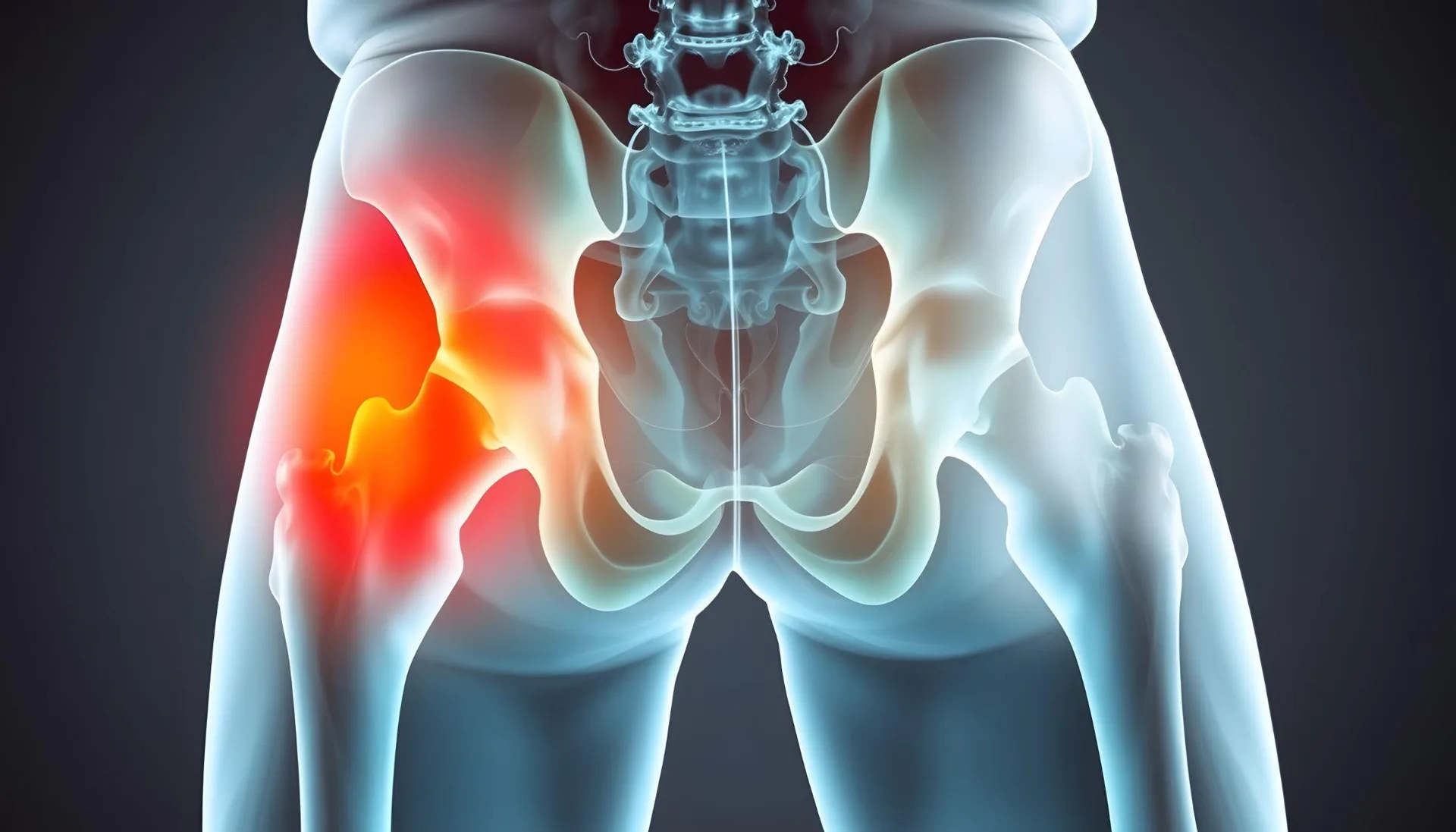
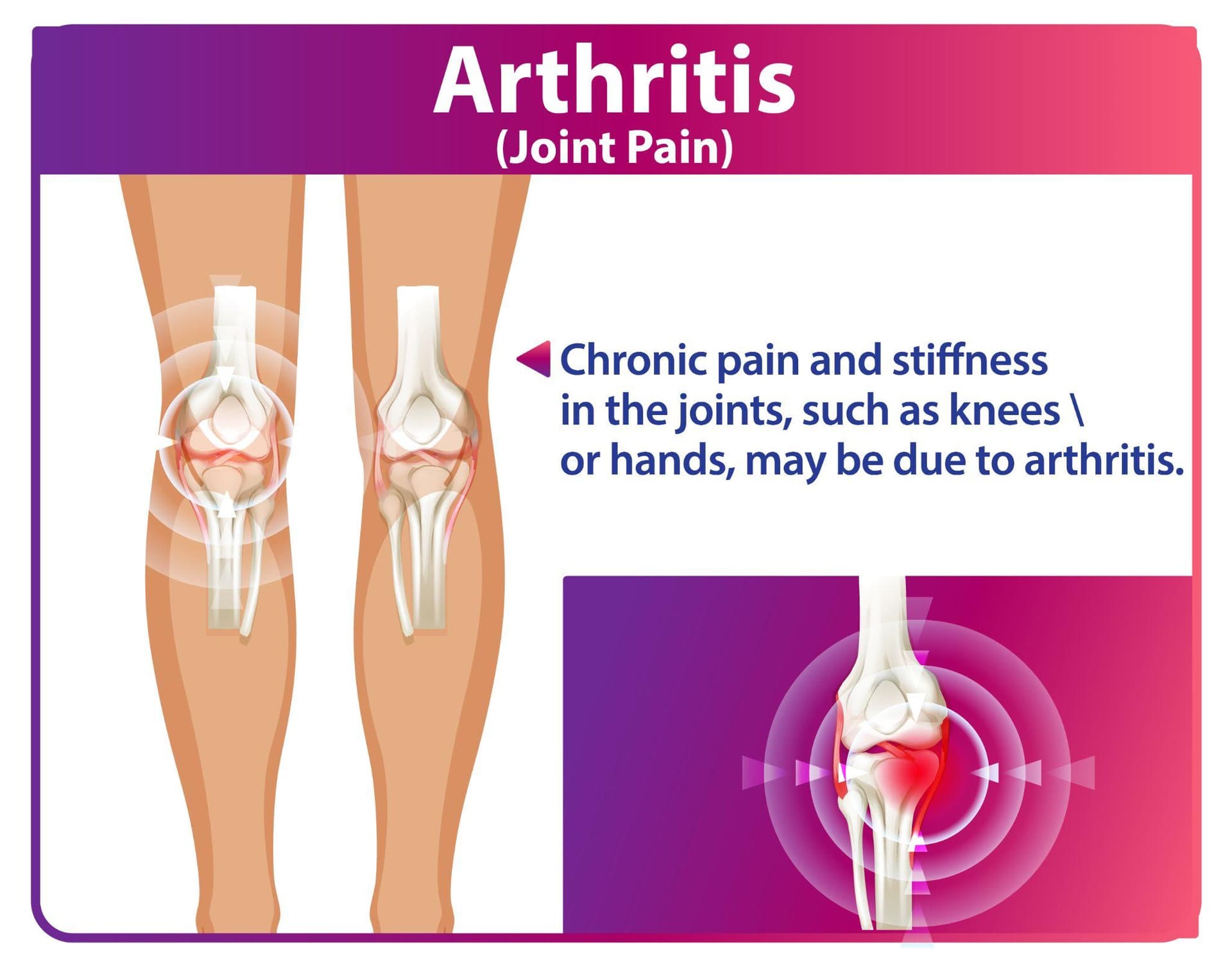
The hip is a ball and socket joint. The ball is the head of the thigh bone (femur), and the socket (acetabulum) is part of the pelvis. In a healthy hip, smooth cartilage covers both surfaces. In arthritis, the cartilage wears away, bone rubs on bone and the joint becomes painful and stiff.
In a total hip replacement, the surgeon removes the damaged ball and socket surfaces and replaces them with an artificial stem and head (which fits into the thigh bone) and a cup (which fits into the pelvis), with a smooth bearing between them.
In a hemiarthroplasty, only the ball is replaced. This is commonly used for fractures of the femoral neck in older adults.
Who needs a hip replacement?
Common reasons include:
- Osteoarthritis, the most frequent cause
- Avascular necrosis, where loss of blood supply collapses the femoral head
- Rheumatoid arthritis and other inflammatory arthritis
- Hip dysplasia or childhood hip disease causing early arthritis
- Post-traumatic arthritis after a fracture or dislocation
- Hip fractures, particularly femoral neck fractures in older adults
You may be a candidate if:
- Pain is severe, constant or wakes you at night
- Walking, stairs, putting on shoes and socks or getting out of a chair is difficult
- You have a limp or reduced movement
- X-rays show advanced damage
- Exercise, weight loss, walking aids, medicines and injections no longer give enough relief
Hip pain can also come from the spine, which is why a careful examination matters before surgery. Our articles on hip pain in adults under 50 and on choosing a hip replacement surgeon in Delhi NCR may help.
Before the operation
Consultation
The surgeon examines your hips, spine and legs, reviews X-rays, discusses your goals and explains the operation, risks and alternatives.
Medical clearance
- Blood tests, ECG and, where needed, chest X-ray or echocardiogram
- Review of diabetes, blood pressure, thyroid, kidney, lung and heart conditions
- Anaesthesia check
- Medicine review, including blood thinners and arthritis medicines
- Dental and urinary infections treated beforehand
Preparing your body
- Strengthen leg and core muscles with prehabilitation exercises
- Stop smoking
- Optimise weight and blood sugar
- Eat a balanced diet with enough protein, and correct vitamin D deficiency if present (see our article on vitamin D deficiency)
Preparing your home
- Remove loose rugs and clutter
- Arrange a chair with a firm seat and armrests
- Consider a raised toilet seat, grab rails and a shower seat
- Place frequently used items at waist height
- Arrange help for the first weeks
- Practise using crutches or a walker if advised
The operation
Anaesthesia
Most hip replacements are performed under spinal anaesthesia (numbing the lower body) with sedation, or under general anaesthesia. A nerve block may be added to reduce pain afterwards. The anaesthetist will recommend what suits you.
Surgical approach
The surgeon reaches the hip through one of several approaches, most commonly posterior or direct anterior. Research suggests both give comparable long-term results, and the right choice depends on the surgeon's training and your anatomy. See our guide on choosing a hip replacement surgeon for more on this.
Steps
- A skin incision is made over the hip.
- The hip joint is opened, and the ball is removed from the socket.
- The socket is shaped, and the metal cup is fitted, uncemented or cemented.
- The thigh bone is prepared, and the stem is inserted, cemented or uncemented.
- A new ball (ceramic or metal) is attached to the stem.
- The joint is tested for stability, movement and leg length.
- The wound is closed in layers, and a dressing is applied.
The operation typically takes 1 to 2 hours.
Implants
Implants are made of titanium or cobalt-chrome alloys, with bearing surfaces of highly cross-linked polyethylene or ceramic. The surgeon selects fixation and bearings based on your age, bone quality and activity level.
In hospital
Day of surgery
- You recover in a monitored area, then go to your room.
- Pain relief is regular. Tell the staff if pain is not controlled.
- Many patients are helped to stand and take a few steps on the day of surgery or the next morning.
- Blood thinning medicine, compression devices and exercises reduce the risk of clots.
Length of stay
Most patients stay for about two to four days, depending on recovery, health and protocol. You are discharged when you can walk safely with a walker or crutches, manage stairs if needed, control pain with tablets, and understand your wound care and precautions.
Recovery: what to expect
Weeks 1 to 2
- Walking with a walker or crutches, increasing distance each day
- Exercises several times daily: ankle pumps, buttock squeezes, thigh contractions, gentle hip movement
- Swelling and bruising of the thigh are common
- Stitches or staples are usually removed at about two weeks, unless dissolvable
- Pain is manageable with medicines and improves steadily
Weeks 2 to 6
- Moving from a walker or crutches to a stick
- Walking longer distances
- Strengthening begins
- Many people are able to return to light activities and desk work at around four to six weeks
- Driving is usually allowed after about four to six weeks, when you can control the pedals comfortably and are off strong painkillers. Ask your surgeon.
Weeks 6 to 12
- Walking without aids for many people
- Better strength and balance
- Return to most daily activities
- Swimming and stationary cycling, once the wound has healed and your surgeon agrees
Three to six months and beyond
- Most people reach good function by three months, and improvement continues up to a year
- Return to low-impact exercise: walking, swimming, cycling, golf, gentle yoga with modifications
- Limp resolves in most people as muscles regain strength
For walking in the first weeks, our upcoming guide on walking after hip replacement will set out a gradual plan.
Hip precautions
Some surgeons advise movement precautions for the first six to twelve weeks to reduce the risk of dislocation, particularly after a posterior approach. These may include:
- Not bending the hip beyond 90 degrees (avoid low chairs and low toilet seats)
- Not crossing your legs or ankles
- Not twisting your body on a planted foot
- Keeping a pillow between your knees when lying on your back or side
Precautions differ with the approach and between surgeons, and some centres use fewer restrictions. Follow the instructions you are given. Daily aids such as a raised seat, a long-handled reacher and a sock aid help while you recover.
Possible risks
Hip replacement is generally safe, but risks include:
- Infection
- Blood clots in the leg or lungs
- Dislocation of the new ball, mostly in the early months
- Difference in leg length, usually small
- Nerve injury, which is rare
- Fracture of the bone during or after surgery
- Loosening or wear of the implant over many years
- Persistent pain, occasionally
- Anaesthetic complications
- Stiffness or heterotopic ossification (extra bone growth)
Careful patient selection, good surgical technique, hospital standards and active rehabilitation reduce these risks. Your surgeon will go through the risks that apply to you.
How long does a hip replacement last?
Modern hip replacements often last 15 to 20 years or longer, and many last considerably longer. Longevity depends on factors such as your weight, activity, bone quality, implant type and surgical technique. If an implant wears or loosens, a revision operation can be done, although it is more complex than the first.
Tips for a smoother recovery
- Follow your physiotherapy programme daily
- Walk regularly, increasing gradually
- Use your walking aid until your surgeon or physiotherapist says otherwise
- Take pain medicines as advised
- Keep the wound clean and dry
- Avoid sitting for long periods without moving
- Eat well, including enough protein
- Keep up your general health: blood sugar, blood pressure
- Report problems early
- Don't skip follow-up visits
Warning signs: call your surgeon
Contact your surgeon or go to the emergency department if you have:
- Increasing redness, warmth, swelling or discharge from the wound
- Fever or chills
- Calf pain or swelling, or sudden breathlessness or chest pain (a possible blood clot, which is an emergency)
- Sudden severe hip pain, a shortened or rotated leg, or inability to move the hip (possible dislocation or fracture)
- Pain that is increasing instead of improving
Prakash Hospital in Noida has a 24 hour emergency department.
Hip replacement with Dr. Mayank Chauhan in Noida
Dr. Mayank Chauhan is a senior orthopedic and joint replacement surgeon at Prakash Hospital, D-12A/12B, Sector 33, Noida, next to the ISKCON Temple.
- MBBS from Maulana Azad Medical College, Delhi
- MS in Orthopaedics
- Arthroplasty fellowship at Hallym University Hospital, South Korea
- More than 15 years of experience
- Rated 4.9 out of 5 on Google
Prakash Hospital is a 100 bed, NABH and NABL accredited hospital with 24 hour emergency care, empanelled with CGHS, ECHS, ESI and major insurers. OPD hours are Monday to Saturday, 10 AM to 8 PM, and Sunday, 10 AM to 2 PM.
To book a consultation, call the number listed on the website.
This article is for general information and does not replace a medical examination. Recovery timelines vary; follow the instructions of your surgeon and physiotherapist.