Best Orthopedic Surgeon In Noida - What To Look For And How To Choose

An orthopedic doctor holds a detailed bone model while explaining how bones heal after a fracture during a patient consultation.
There are a lot of orthopedic surgeons in Noida. A quick Google search will give you a long list: names, ratings, clinic addresses, and patient counts. But choosing between them is harder than it looks, especially when you're dealing with something as significant as a knee replacement, a slipped disc, or a joint condition that has been limiting your life for months.
The rating on a hospital website doesn't tell you whether a surgeon has the specific expertise for your condition. The number of "surgeries performed" doesn't tell you about outcomes or approach. And proximity to your home, while convenient, shouldn't be the deciding factor when you're selecting someone to operate on your spine or replace your knee joint. This guide is for patients in Noida, Greater Noida, and Delhi NCR who want to make that decision properly; not just pick a name from a list.
What Does An Orthopedic Surgeon Actually Do?
An orthopedic surgeon is a specialist trained in the diagnosis and treatment of conditions affecting the musculoskeletal system- bones, joints, cartilage, ligaments, tendons, and muscles. This covers an enormous range of conditions, from fractures and sports injuries to spine disorders, arthritis, and joint replacement surgery. Orthopedics is not a single specialty in terms of focus. Within orthopedics, surgeons typically develop depth in one or two specific areas- joint replacement, sports medicine, spine surgery, paediatric orthopedics, trauma, and so on. This is why choosing the right orthopedic surgeon means choosing someone with the right subspecialty experience for your particular condition.
Common conditions treated by orthopedic surgeons in Noida:
- Knee osteoarthritis requiring replacement
- Hip arthritis
- Slip disc and herniated disc (lumbar and cervical)
- Sports injuries - ACL tears, meniscus damage, rotator cuff tears
- Fracture management
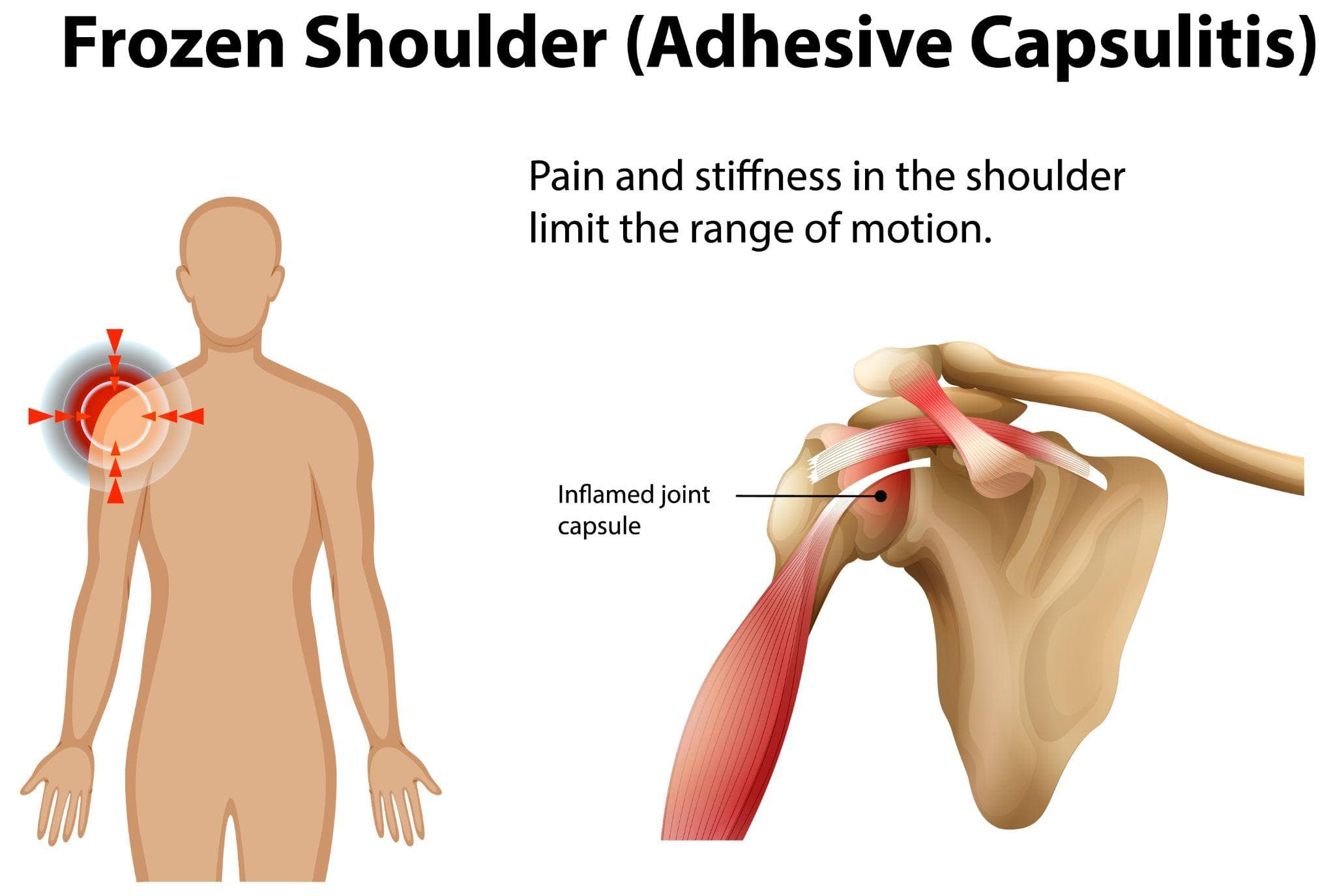
- Shoulder conditions - frozen shoulder, shoulder replacement
- Foot and ankle problems
- Paediatric bone and joint issues
7 Things That Distinguish A Good Orthopedic Surgeon From A Great One
The difference between a good and a great orthopedic surgeon lies not just in technical skill, but in precision, patient care, and consistently superior outcomes.
1. Relevant Subspecialty Experience
Orthopedics is too broad for any surgeon to be equally skilled in everything. A surgeon who primarily performs trauma surgery has different day-to-day expertise than one who focuses almost exclusively on joint replacement. A spine specialist approaches back problems differently than a general orthopedic surgeon.
What to do: Match your condition to the surgeon's primary area of practice. If you need a knee replacement, look for a surgeon for whom joint replacement is a core focus, not something they do occasionally alongside everything else.
2. Volume Of The Specific Procedure
In surgery, practice genuinely matters. A surgeon who performs 200 knee replacements a year develops a level of pattern recognition, complication management, and procedural efficiency that someone doing 30 cannot match. This isn't about putting down low-volume surgeons; it's about acknowledging that repetition builds expertise in ways that no amount of textbook knowledge can fully replicate.
What to ask: "How many of this specific procedure do you perform each year?" A good surgeon won't be offended by this question. A great one will welcome it.
3. Willingness To Try Conservative Treatment First
One of the clearest signs of a trustworthy orthopedic surgeon is that they don't rush to surgery. For most orthopedic conditions, the right path starts with physiotherapy, medication, lifestyle changes, and potentially injections, and surgery only enters the conversation when those options have been properly tried and have genuinely failed.
A surgeon who recommends knee replacement at the first visit, without any discussion of non-surgical options, is worth questioning. Equally, a surgeon who keeps deferring surgery when X-rays clearly show bone-on-bone contact and a patient has been in debilitating pain for two years isn't serving that patient well either. The right surgeon is honest about when surgery is and isn't necessary, and they base that honesty on your specific imaging, examination findings, and quality of life, not on a general policy.
4. Clear, Patient Communication
Medical jargon exists for a reason, but a good orthopedic surgeon can explain your condition, your treatment options, and the risks and benefits in plain language that you understand. You should leave a consultation knowing: what is wrong, what treatment options exist, what each option involves, and what the expected outcome is. If you leave a consultation more confused than when you arrived, that's important information.
5. Access To Modern Technology
For procedures like knee replacement, the availability of robotic assistance, computer navigation, and high-quality implants materially affects outcomes. A surgeon working in a well-equipped hospital with modern OT infrastructure is in a better position to deliver precision results than one working with outdated tools. This doesn't mean the most expensive hospital is automatically the best option. But it does mean that the surgical environment and available technology are worth considering.
6. Post-Operative Follow-Through
Surgery is only part of the process. Recovery, particularly for joint replacements and spine procedures, depends heavily on good physiotherapy guidance, regular follow-ups, and a surgeon who remains accessible when questions or concerns arise during recovery. Ask about the post-operative support system before committing to a surgeon. Is there a dedicated physiotherapy team? How are follow-up appointments structured? What happens if you have a concern between scheduled visits?
7. Honest About Limitations And Risks
A surgeon who lists only benefits and tells every patient they're a perfect candidate for a procedure should raise questions. A great orthopedic surgeon is clear about risks, realistic about what surgery can and cannot achieve, and honest when a patient is not the right candidate for a particular procedure.
Red Flags To Watch For
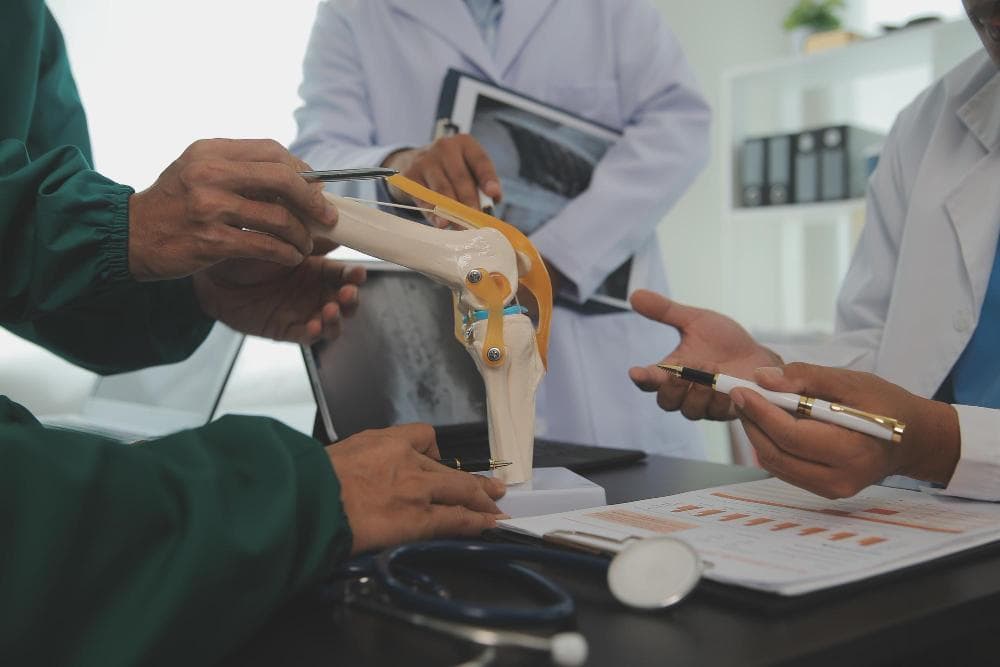
An orthopedic physician shows a patient's knee anatomy in a clinic by using a knee model. Joint anatomy and treatment planning can be illustrated by using a knee model.
Not every orthopedic clinic in Noida operates with the same standards. Here are signs that should prompt you to seek a second opinion:
- Recommending surgery at the first appointment without adequate examination or imaging.
- Vague answers to direct questions about experience, outcomes, or risks.
- No discussion of non-surgical options when your condition hasn't been treated conservatively yet.
- Dismissing your concerns or not giving you time to ask questions.
- Pressure to decide quickly for most orthopedic conditions; taking a week or two to research and consider is entirely appropriate.
What Conditions Commonly Bring Patients To Orthopedic Surgeons In Noida?
Noida's patient population has specific patterns. The city's large corporate workforce means a significant number of patients dealing with sedentary-lifestyle-related conditions, like lower back disc problems, early-onset knee arthritis, and chronic neck pain from prolonged desk work and screen use. The city also has a substantial elderly population, many of whom deal with advanced osteoarthritis of the knee or hip. And with Noida's growing sports culture and gymnasium attendance, sports injuries, particularly ACL tears, shoulder injuries, and ankle sprains, are increasingly common.
The most common reasons patients in Noida see an orthopedic surgeon:
- Persistent knee pain (arthritis, meniscus injury, ligament problems)
- Slip disc and radiating back or leg pain
- Hip pain and mobility limitation
- Shoulder pain (frozen shoulder, rotator cuff issues)
- Sports injuries
- Fractures and trauma
- Evaluation for joint replacement surgery
How To Prepare For Your First Orthopedic Consultation?
Getting the most from a first consultation requires some preparation.
Bring:
- All previous X-rays, MRI reports, and blood tests, even if they're months old.
- A list of medications you're currently taking.
- Notes about when the pain started, what makes it better or worse, and what treatments you've already tried.
- Your key questions written down, and don't rely on memory when you're in the appointment.
Questions worth asking:
- What exactly is causing my pain?
- What are my treatment options, starting with the most conservative?
- If surgery is eventually needed, what does that look like and what does recovery involve?
- What can I do at home right now to help?
- When should I come back, and what should prompt me to come back sooner?
Dr. Mayank Chauhan - Senior Orthopedic Surgeon In Noida
Dr. Mayank Chauhan is a Senior Orthopedic Surgeon at Prakash Hospital, Sector 33, Noida - near the ISKCON Temple and one of the most experienced knee replacement and joint surgery specialists serving the Noida and Greater Noida region. His clinical focus is on:
- Knee replacement surgery - total, partial (unicompartmental), bilateral, and robotic-assisted
- Hip joint conditions and replacement
- Slip disc and spinal orthopedics
- Arthritis management - non-surgical and surgical
- Joint pain evaluation and treatment
- Sports injury management
Dr. Chauhan's approach begins with thorough evaluation. For patients who do not yet need surgery, the focus is on structured non-surgical management - the right physiotherapy protocol, appropriate medications, and guided lifestyle modification. Surgery is recommended only when it is the best option for the specific patient at their specific stage of disease. Patients from Noida, Greater Noida, Ghaziabad, and across Delhi NCR consult Dr. Chauhan for both second opinions on surgical recommendations and ongoing orthopedic management.
Consultation timings: Monday to Saturday, 10 AM to 8 PM | Sunday, 10 AM to 2 PM
To book a consultation with Dr. Mayank Chauhan at Prakash Hospital, Sector 33, Noida, call the number listed on the website.
The Bottom Line
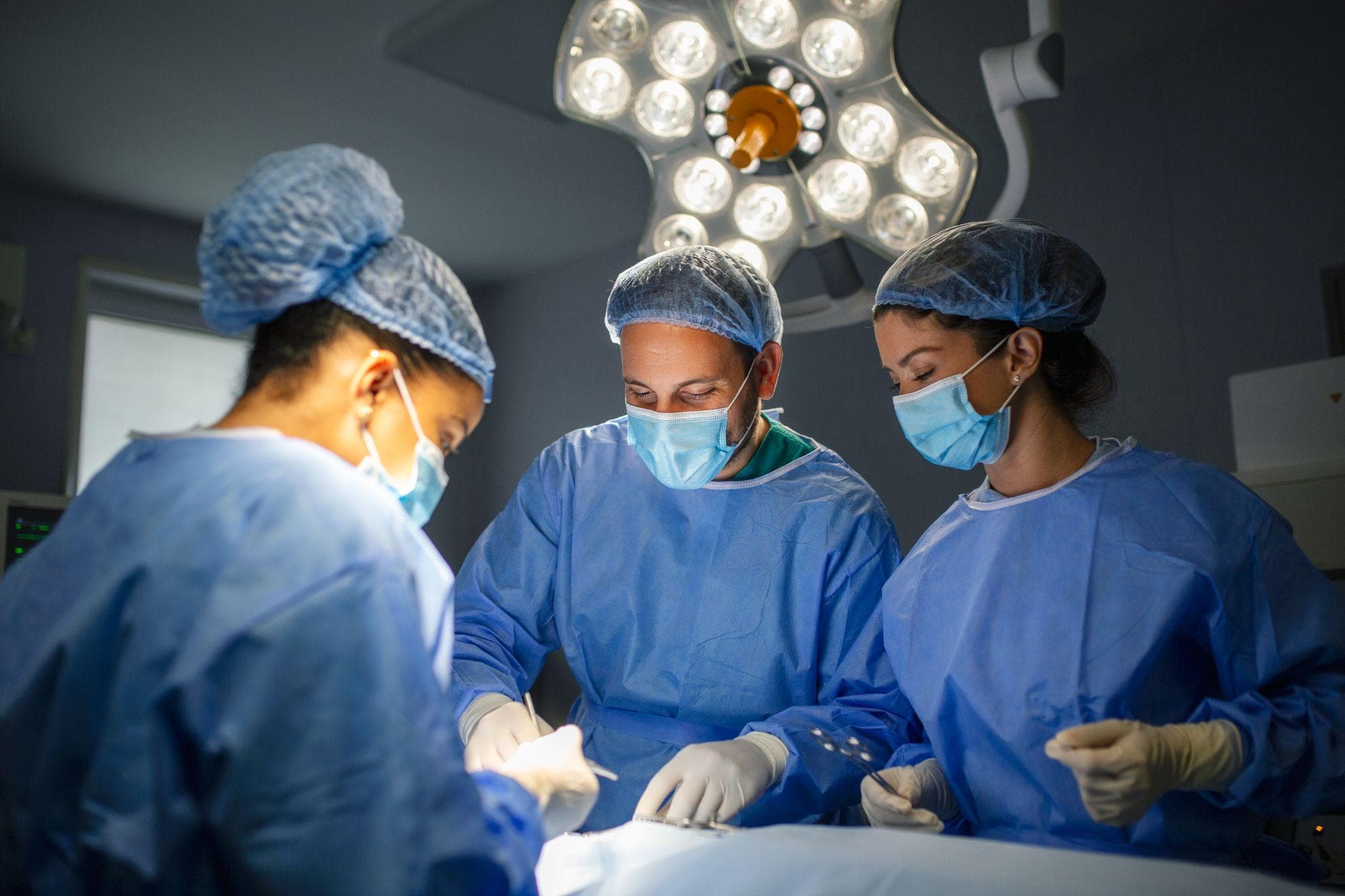
A team of surgeons is operating on a patient lying down in their operating room.
The best orthopedic surgeon in Noida for you is not necessarily the most famous name or the one who comes up first in a search. It's the one who has the right experience for your specific condition, communicates clearly, doesn't rush to surgery, and is supported by the right hospital infrastructure and follow-up system.
Take the time to evaluate your options properly. Bone and joint decisions are not ones you want to rush. And if you're unsure about a recommendation you've received elsewhere, a second opinion from an experienced specialist is always a reasonable and often very worthwhile step.