Wrist Fracture (Colles Fracture) - Causes, Treatment, And Recovery
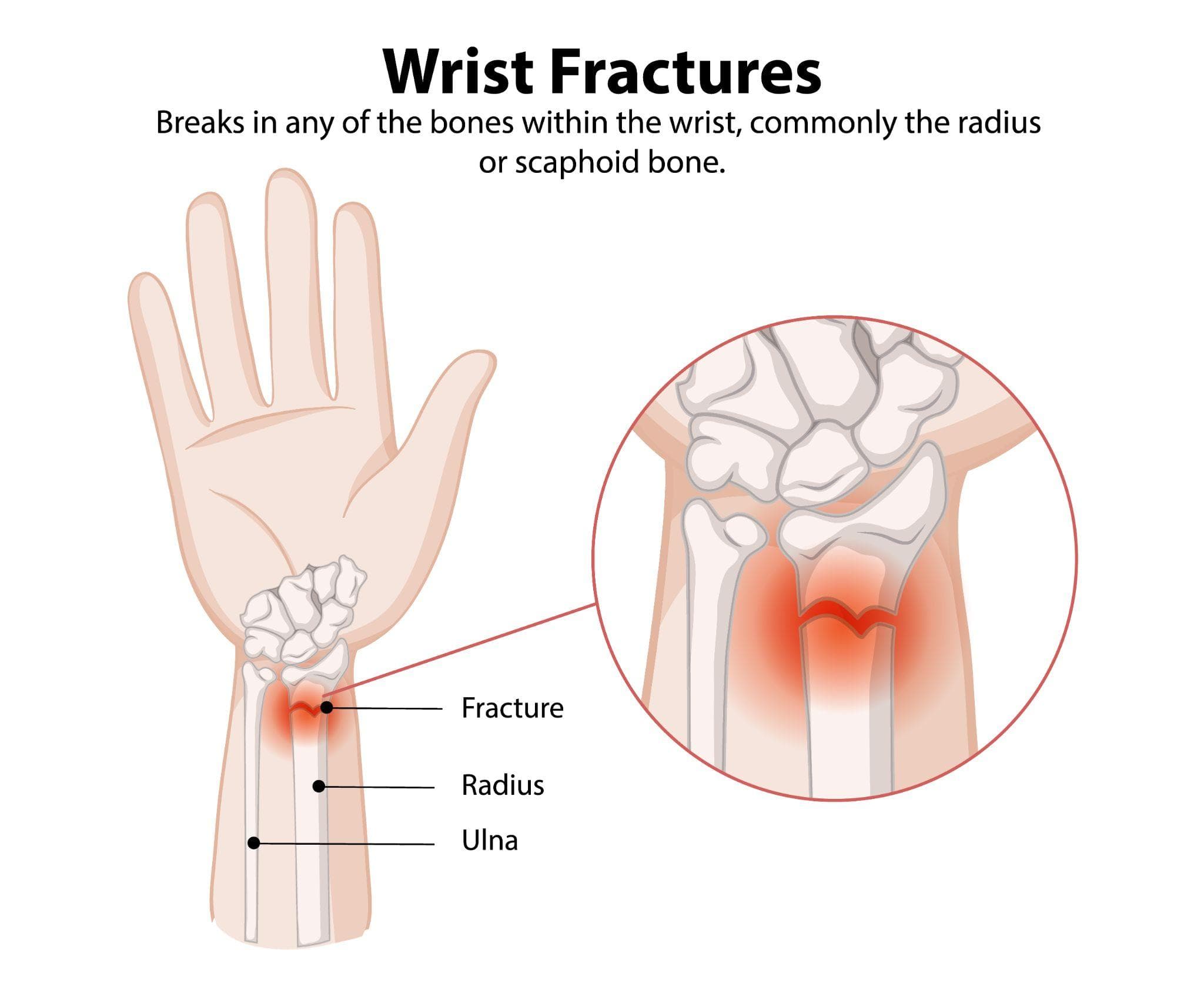
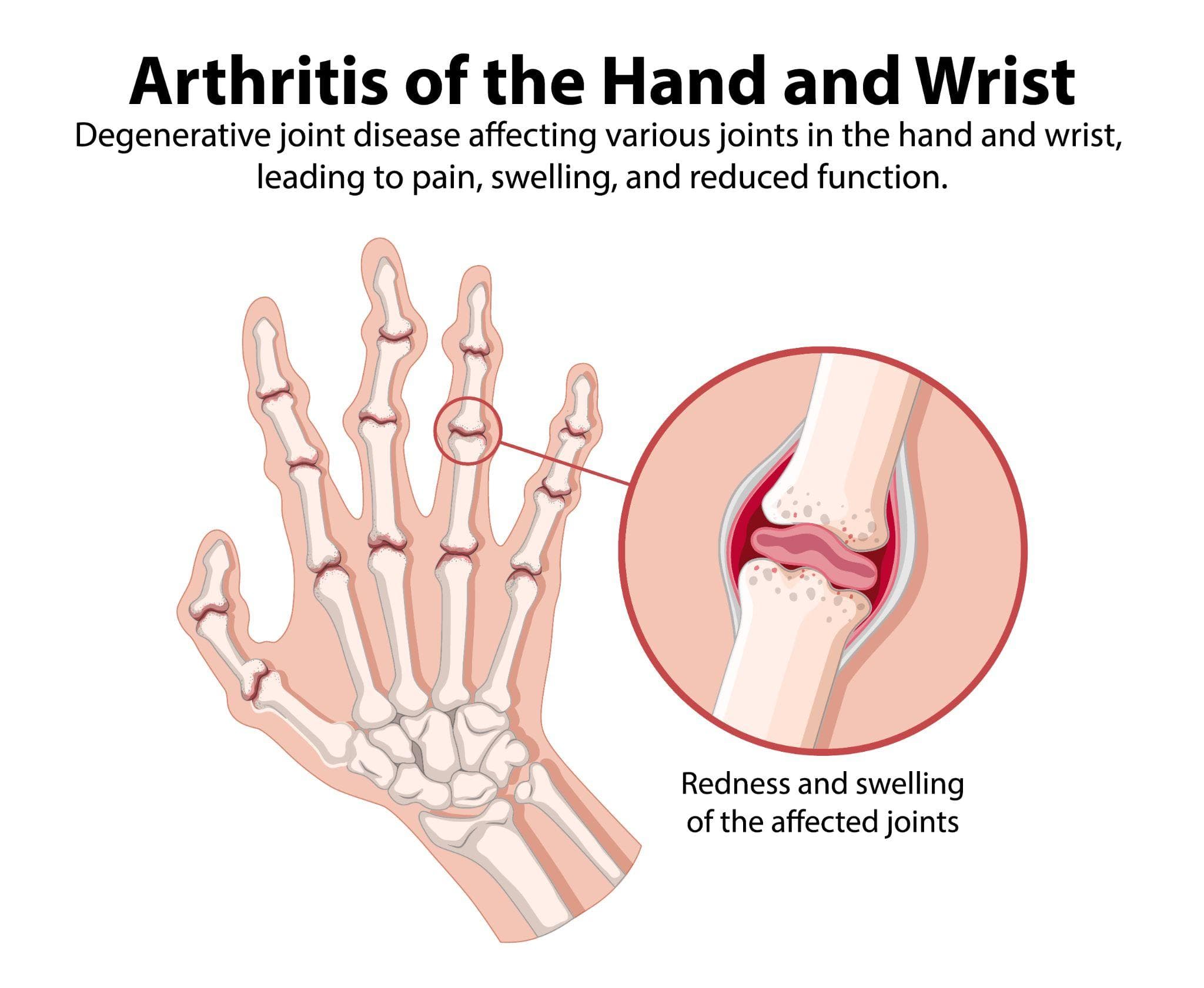
A diagram showing the understanding of wrist fractures.
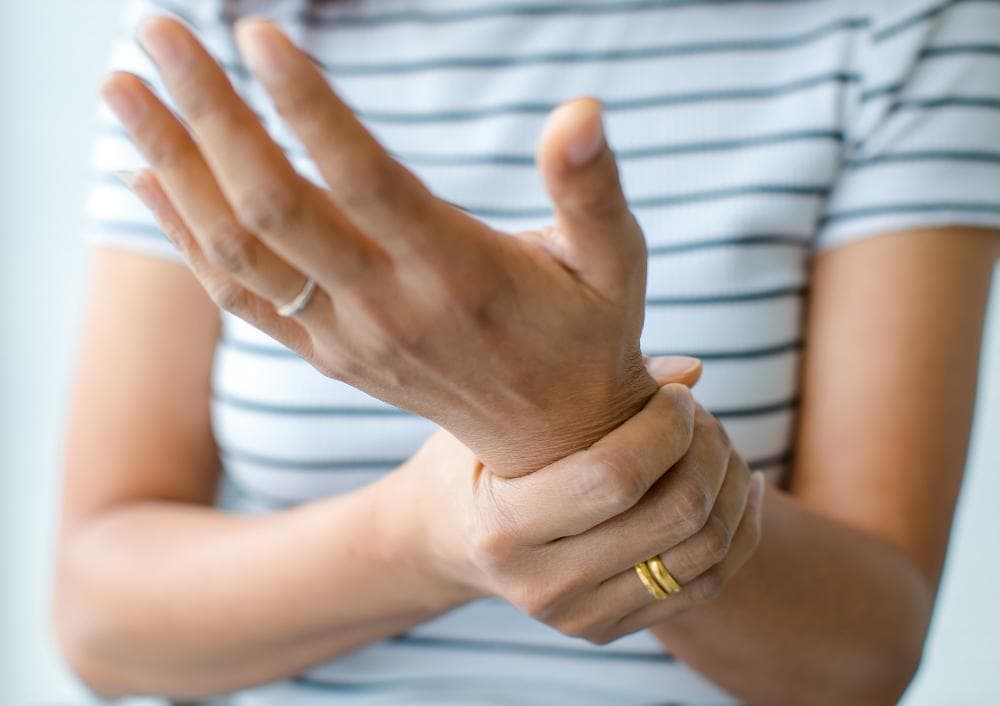
A split second — an outstretched hand breaking a fall — and suddenly the wrist is swollen, painful, and visibly wrong. This is one of the most common orthopedic emergencies across India: the wrist fracture, most commonly a Colles fracture of the distal radius.
The distal radius fracture is the single most common fracture of the upper limb. It accounts for approximately 1 in 6 of all fractures seen in emergency departments worldwide. In India, it occurs across the age spectrum — in children from playground falls, in adults from sports and road accidents, and in elderly women from the combination of osteoporosis and a simple stumble.
Each of these groups needs a different approach. A child's wrist fracture heals very differently from an 80-year-old's. A simple undisplaced fracture is managed with a cast; a severely displaced intra-articular fracture requires precise surgical reconstruction. Getting the treatment right matters — because a wrist fracture managed poorly leads to permanent stiffness, chronic pain, and loss of hand function.
What Is a Colles Fracture?
A Colles fracture is a fracture of the distal radius — the larger of the two forearm bones — in its distal portion (the end closest to the hand). The specific pattern of a Colles fracture is that the distal fragment tilts dorsally (toward the back of the wrist), producing the characteristic "dinner fork" deformity visible on the lateral X-ray view of the wrist.
Named after the Irish surgeon Abraham Colles, who first described it in 1814 — before X-rays existed — the fracture is one of the oldest documented orthopedic diagnoses.
The mechanism:
Falling on an outstretched hand with the wrist in extension (dorsiflexion) — the protective instinct of extending the hand to catch a fall. The force travels from the palm up through the radius and, at the distal end, the bone fractures. The distal fragment is driven backward and upward — producing the dorsal tilt and the visible deformity.
Related fracture types:
- Smith fracture: The opposite of Colles — the distal radius fractures with the fragment tilting toward the palm rather than toward the back. Less common; typically from a fall on a flexed wrist.
- Barton's fracture: An intra-articular fracture with volar or dorsal shear — the fracture enters the wrist joint.
- Die-punch fracture: An intra-articular fracture of the radial articular surface — complex, often requiring surgical reconstruction.
The term "distal radius fracture" is now preferred as an umbrella term, with Colles being the most common specific pattern.
Why Colles Fractures Are Particularly Common in India
Elderly women:
The most significant demographic risk is postmenopausal women with osteoporosis. The combination of reduced bone density, reduced balance, and the natural reflex to extend the arm during a fall creates a predictable pattern. A fall from standing height — sometimes as minor as slipping on a wet floor or stepping down from a stair — generates enough force to fracture an osteoporotic distal radius.
In Noida's elderly population, wet bathroom floors (particularly in homes with Indian-style squat toilets), uneven floor surfaces, poor lighting, and the universal use of smooth-soled footwear create significant fall hazards. A wrist fracture in an elderly woman should always prompt evaluation of bone density (DEXA scan) — many patients have their first significant osteoporosis diagnosis after a wrist fracture.
Children and adolescents:
The distal radius is a common fracture site in children — the growth plate (physis) at the distal radius is a point of structural vulnerability. Falls from bicycles, playground equipment, and sports account for the majority. Children's fractures heal significantly faster than adults' — and often require different treatment approaches.
Active adults:
Sports injuries (cycling falls, badminton, cricket), road traffic accidents (particularly two-wheeler accidents in Noida's high-traffic environment), and workplace injuries.
Symptoms — Recognising the Fracture
The presentation of a distal radius fracture is usually clear
Pain: Immediate, severe wrist pain at the moment of injury. The wrist is exquisitely tender to touch, particularly over the distal radius on the thumb side.
Swelling: Develops rapidly — within minutes in severe fractures, over 1–2 hours in less severe cases.
Deformity: The classic "dinner fork" appearance — viewed from the side, the wrist has an abnormal angulation, with the hand appearing shifted backward relative to the forearm. This is the dorsal tilt of the distal fragment.
Bruising: Develops over 24–48 hours, extending up the forearm and into the hand.
Loss of function: Inability to use the wrist or hand normally. Grip is lost because the wrist cannot be positioned for effective gripping.
Numbness/tingling: In some fractures, the median nerve (which passes through the carpal tunnel just adjacent to the distal radius) is compressed by fracture haematoma or displacement — producing tingling in the thumb and index and middle fingers. This acute carpal tunnel syndrome needs to be assessed and, if present, may influence the timing of treatment.
Diagnosis
Clinical Examination
Assessment of:
- Deformity and degree of displacement
- Neurovascular status — pulses, capillary refill, sensation in the fingertips (median nerve distribution is thumb/index/middle; ulnar nerve distribution is ring/little finger)
- Other injuries — a fall that fractures the wrist may also injure the elbow (look for elbow tenderness and swelling), shoulder, or hip
X-ray
The essential investigation. Standard views are anteroposterior (AP) and lateral of the wrist. Key parameters assessed:
- Radial inclination: Normal ~22 degrees. Loss of radial inclination indicates fracture displacement.
- Radial length: Normal ~11 mm. Shortening indicates impaction.
- Volar tilt: Normal ~11 degrees of volar (palm-side) tilt. Colles fractures show dorsal angulation (loss of or reversed volar tilt).
- Intra-articular involvement: Does the fracture line enter the wrist joint? Intra-articular fractures have a significantly worse prognosis for wrist arthritis if not accurately reduced.
CT Scan
For complex fractures, particularly those with:
- Intra-articular involvement (to fully characterise the articular fracture pattern)
- Highly comminuted (multiple fragment) fractures
- Surgical planning — the CT provides the three-dimensional anatomy that determines the fixation strategy
Treatment
Conservative Management — Casting
Many distal radius fractures — particularly undisplaced or minimally displaced fractures — are managed with cast immobilisation.
Process:
- Closed reduction (if displaced): Under local anaesthetic (haematoma block — local anaesthetic injected into the fracture haematoma) or regional block (Bier's block), the fracture is manually reduced (the deformity corrected) by the surgeon. The distal fragment is brought back into its correct anatomical position.
- Immobilisation: A plaster of Paris splint is applied initially (allowing for swelling). Once swelling has settled (typically 5–7 days), a full cast is applied.
- Cast duration: Typically 5–6 weeks for adults, 3–4 weeks for children.
- X-ray monitoring: Serial X-rays at 1 and 2 weeks are essential — to confirm that the reduced fracture has not re-displaced (lost reduction) within the cast.
Limitation of casting:
Many fractures that appear adequately reduced after closed manipulation redisplace within the cast — particularly in elderly patients with osteoporotic bone. The distal radius fractures are notorious for losing reduction. When re-displacement occurs, surgery may become necessary.
Surgical Treatment — Volar Locking Plate Fixation
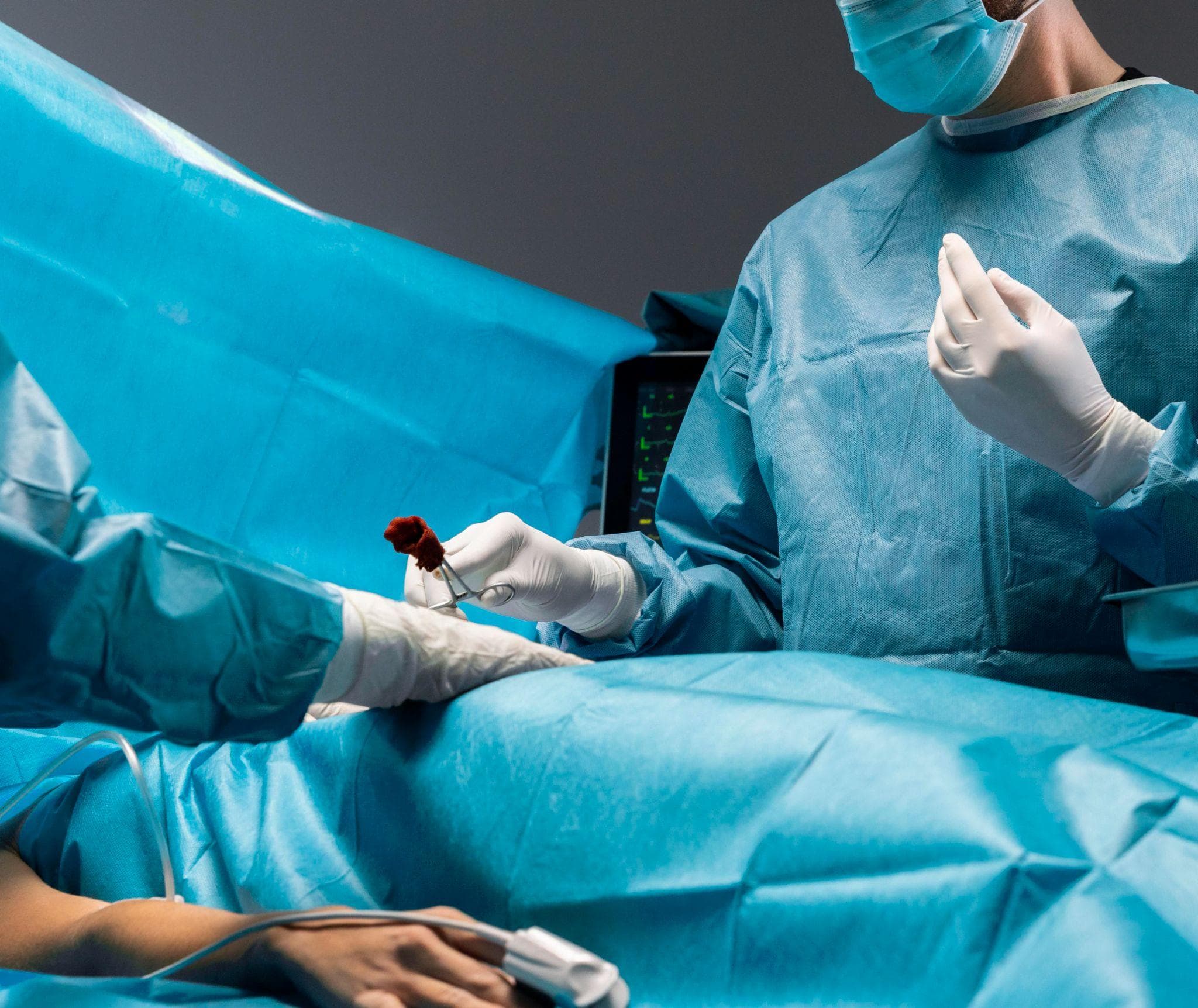
For unstable, displaced, or intra-articular fractures that cannot be held reliably in a cast — or that re-displace after casting — surgical fixation is the treatment of choice.
Volar locking plate (VLP) — the current gold standard:
Through an incision on the palm side (volar aspect) of the wrist, the fracture is exposed. The fragments are anatomically reduced under X-ray guidance. A specially designed titanium plate with locking screws is applied to the volar cortex of the radius — the locking screws provide angular stability, preventing re-displacement even in osteoporotic bone.
Advantages of VLP fixation:
- Stable fixation allows early wrist movement — physiotherapy begins within days of surgery rather than after 6 weeks of casting
- Accurate maintenance of fracture reduction — particularly important for intra-articular fractures where anatomical reduction is essential to prevent post-traumatic arthritis
- Better outcomes for complex fractures and osteoporotic bone compared to casting alone
Other fixation methods:
- K-wires (Kirschner wires): Thin metal pins inserted percutaneously. Used for certain fracture patterns, particularly in children. Less stable than plates but less invasive.
- External fixation: Used for severely comminuted fractures with significant soft tissue damage, or as a temporising measure in polytrauma patients.
- Fragment-specific fixation: For complex intra-articular fractures, combinations of small plates and screws address individual fracture fragments.
Recovery After Wrist Fracture
With Cast Treatment
Week 1–2: Swelling management, finger exercises (the fingers must be kept moving throughout cast immobilisation — finger stiffness is a common and preventable complication). X-ray at 1 and 2 weeks.
Week 2–6: Cast is worn continuously. Finger exercises continue. Report any increasing pain, new numbness or tingling, or loosening of the cast.
Cast removal (Week 5–6): The cast is removed, and an X-ray confirms healing. Physiotherapy begins for wrist range-of-motion restoration.
Month 2–4: Progressive wrist mobilisation and strengthening. Return to light activities.
Full recovery: Most patients take 3–6 months to restore full wrist function after casting. Some residual stiffness, particularly with forceful grip and extreme wrist movements, may persist for up to 1 year.
With Surgical Plate Fixation
Day 1–3 post-op: The wrist is in a splint for wound protection. Finger and thumb exercises begin immediately.
Week 2: Wound review and suture removal. Wrist motion exercises begin — flexion, extension, rotation. The plate provides stability that allows immediate mobilisation.
Month 1: Most patients have 60–80% of wrist range of motion restored. Return to desk work is typically possible.
Month 2–3: Progressive strengthening. Return to most activities.
Full recovery: Faster than with casting for most patients — typically 3–4 months to full function. Heavy manual work, sports with significant wrist loading: 4–6 months.
Metal removal: The volar locking plate typically does not need to be removed — the titanium hardware is well-tolerated and does not cause any long-term problems for most patients. Removal is reserved for patients with symptomatic hardware issues.
Complications to Be Aware Of
Malunion: The fracture heals in a poor position — resulting in reduced wrist range of motion, altered wrist mechanics, and potentially early wrist arthritis. Prevented by adequate reduction and monitoring.
Median nerve compression (carpal tunnel syndrome): Acute post-fracture carpal tunnel syndrome, as mentioned above. Also, carpal tunnel syndrome can develop during the healing phase from fracture callus or swelling. Tingling in the thumb and first two fingers at any point during or after healing should be reported.
Complex Regional Pain Syndrome (CRPS): A poorly understood pain syndrome where the healing wrist develops disproportionate pain, sensitivity, swelling, and colour changes. Prevents rehabilitation and significantly extends recovery. Early mobilisation and vitamin C supplementation (1000 mg daily for 6 weeks post-fracture) reduce CRPS risk.
Tendon rupture: The extensor pollicis longus tendon (which extends the thumb) runs near the distal radius and can rupture — sometimes weeks after the original fracture — due to the tendon being compromised by the fracture. A patient who loses the ability to straighten the thumb should be evaluated promptly.
Post-traumatic wrist arthritis: Intra-articular fractures that heal in imperfect alignment develop early wrist arthritis — pain and stiffness in the wrist joint. Accurate reduction of intra-articular fragments prevents this.
Wrist Fracture Management in Noida — Dr. Mayank Chauhan at Prakash Hospital
Dr. Mayank Chauhan, Senior Orthopedic Surgeon at Prakash Hospital, Sector 33, Noida, manages wrist fractures across the full spectrum — from closed reduction and casting for stable fractures through to surgical fixation with volar locking plates for complex, unstable, and intra-articular injuries.
For patients in Noida and Greater Noida who have sustained a wrist injury — particularly a painful, swollen wrist after a fall — prompt evaluation with X-ray is essential. Not all wrist fractures need surgery. But all wrist fractures need proper assessment, accurate diagnosis, and the right treatment — which varies significantly based on the fracture pattern. To book a consultation or for urgent fracture evaluation, call the number listed on the website.
The Bottom Line
Wrist fractures are common, particularly in elderly women with osteoporosis and in active adults after falls. The treatment ranges from simple casting to surgical plate fixation — and getting the treatment right is the difference between a wrist that recovers fully and one that remains stiff, painful, or arthritic. A wrist fracture in an elderly patient is also the right moment to investigate for osteoporosis — and to start treatment that protects the spine and hip from the next fragility fracture.
To consult Dr. Mayank Chauhan, Senior Orthopedic Surgeon in Noida, call the number listed on the website.