What Is Osteotomy? When Realigning a Bone Can Save a Joint

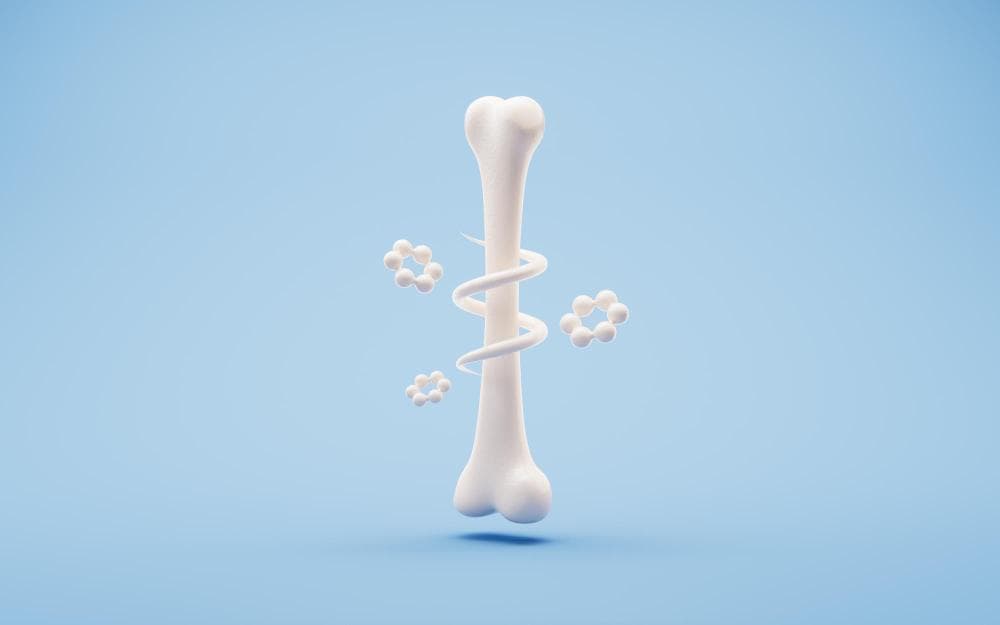
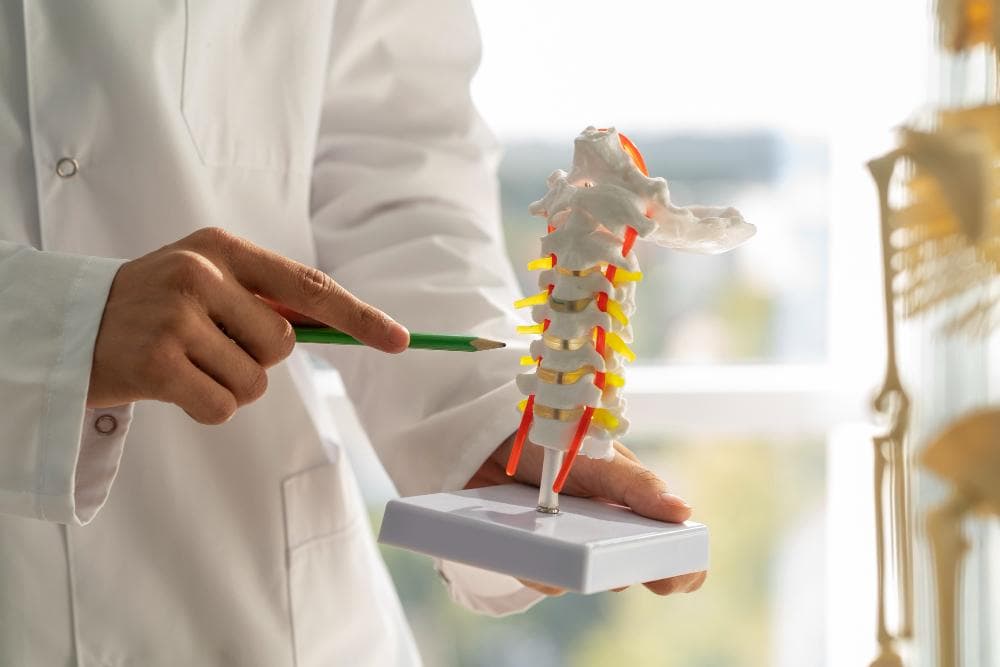
Anatomical model of a hip bone.
The word "osteotomy" simply means cutting bone — from the Greek osteon (bone) and tomē (cut). But in clinical practice, osteotomy is one of the more elegant concepts in orthopedic surgery: deliberately cutting and repositioning a bone to change how forces pass through a joint, relieving damaged areas and allowing healthy tissue to carry the load instead.
In the right patient, osteotomy can delay or even prevent joint replacement by years — sometimes a decade or more. In the wrong patient, it's an operation that adds complexity without benefit.
Understanding when osteotomy is the right choice, and when it isn't, is information patients deserve before they're offered or denied either osteotomy or replacement.
The Basic Principle
Consider the knee. In most people with medial compartment arthritis — the most common form of knee arthritis in India — the inner side of the joint is worn out while the outer side remains relatively healthy. The reason the inner side wears is often mechanical: a varus deformity (bow-legs) concentrates the body's weight through the inner knee.
If you can correct the varus — shift the weight-bearing axis from the inner side to the outer side — two things happen:
- The pressure on the damaged inner cartilage is reduced, relieving pain
- The healthy outer cartilage now carries the load it was designed to carry
This is what a high tibial osteotomy (HTO) does. The tibia (shin bone) is cut just below the knee, opened up or closed down by a calculated amount, and fixed in its new position with a plate and screws. The resulting alignment shifts weight to the healthier side.
The arthritic inner compartment doesn't heal. But it no longer bears the same load. Pain reduces. Function improves. The joint survives longer.
High Tibial Osteotomy (HTO): The Most Common Indication
Who Is the Ideal Patient?
- Age typically under 60 (though the decision is based on biological rather than calendar age)
- Medial compartment arthritis only — the lateral and patellofemoral compartments should be relatively intact
- Varus alignment (bow-legs) confirmed on full-leg standing X-rays
- Good range of motion (flexion above 90 degrees, less than 10 degrees of fixed flexion contracture)
- No significant ligamentous instability (the cruciate ligaments should be functioning)
- Adequate bone quality
- Active lifestyle — patients who want to return to physical work, sport, or outdoor activity are particularly appropriate, since osteotomy (unlike replacement) imposes few activity restrictions
Who Is NOT a Good Candidate?
- Advanced osteoarthritis affecting more than one compartment — the joint is too far gone to benefit from realignment alone
- Significant valgus deformity (knock-knees) without the right pattern of wear
- Significant ligamentous instability as the primary problem
- Inflammatory arthritis (rheumatoid)
- Very poor bone quality
What the Surgery Involves
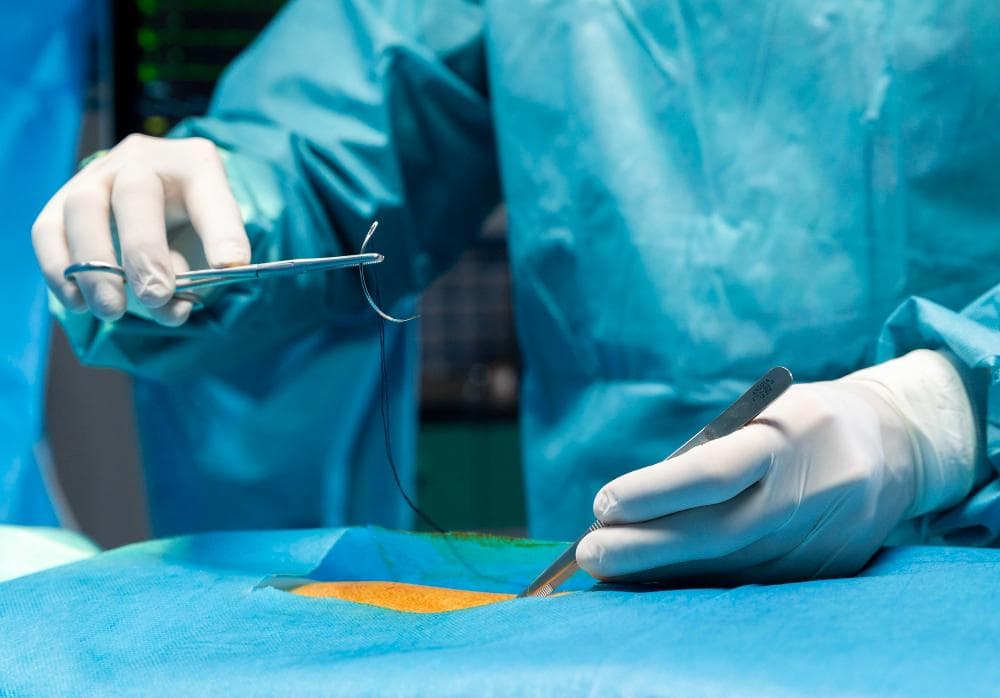
The most commonly performed technique is the medial open-wedge HTO. Under anaesthesia:
- An incision is made along the inner side of the upper shin
- The tibia is partially cut — not all the way through — just below the knee joint
- The cut is opened by a calculated number of millimetres (the angle correction needed, determined pre-operatively from weight-bearing X-rays)
- A wedge of bone graft (or synthetic graft substitute) fills the gap
- A metal plate and screws hold the tibia in its new position while bone heals
Healing of the osteotomy takes approximately 6–8 weeks. Weight-bearing is progressive.
The correction target is specific: most HTO surgeons aim for a mechanical axis that passes through the outer 60–65% of the tibial plateau — just enough to unload the damaged medial compartment without overloading the lateral.
How Long Do Results Last?
Good HTO results typically last 8–15 years in appropriately selected patients. After that, symptoms may return as the outer compartment or other joint areas develop arthritis.
Crucially, a previous HTO does not prevent future knee replacement. When the osteotomy eventually stops providing adequate relief, total knee replacement can be performed — though it is technically slightly more complex than in a knee that hasn't had previous surgery.
Distal Femoral Osteotomy (DFO): For Lateral Compartment Arthritis
Less common than HTO, distal femoral osteotomy corrects valgus deformity (knock-knees) where the lateral compartment bears excess load. The femur is cut above the knee and realigned to shift weight to the medial side.
The same principles apply — appropriate patient, isolated compartment disease, good range of motion — but the geometry is different and the surgery is technically more demanding.
Pelvic Osteotomy and Femoral Osteotomy: For Hip Problems
Periacetabular osteotomy (PAO): Used for hip dysplasia — a condition where the acetabulum (socket) is too shallow, causing the femoral head to sit incompletely covered. PAO cuts and repositions the acetabular bone to improve coverage and reduce focal overloading. Used primarily in young adults (under 40) to preserve the hip joint and prevent or delay premature arthritis.
Intertrochanteric osteotomy: A cut through the top of the femur to change the angle (varus/valgus) or rotation, used in children with growth-related hip deformity and occasionally in young adults with specific hip conditions.
Osteotomy Around the Foot and Ankle
Osteotomies are also used in the foot and ankle for:
- Calcaneal osteotomy: Repositioning the heel bone for adult flatfoot deformity or calcaneal alignment problems
- First metatarsal osteotomy (bunionectomy): Correcting hallux valgus (bunion)
- Tibial malunion correction: Re-breaking and realigning a tibia that healed in a poor position after fracture
Osteotomy vs Joint Replacement: Making the Right Choice
The conversation about osteotomy is most relevant for patients in their 40s and 50s with early-to-moderate arthritis confined to one part of a joint, who have the appropriate deformity pattern, and who want to preserve their natural joint as long as possible.
For these patients, the question is: osteotomy now, then replacement later if needed — versus replacement now, potentially requiring revision later. There is no universal right answer; it depends on patient preference, activity goals, and specific clinical factors.
What osteotomy offers that replacement does not:
- No activity restrictions post-operatively (patients can return to impact sport)
- Preservation of the natural joint
- Avoidance of an implant in the body
What replacement offers that osteotomy does not:
- More predictable and complete pain relief
- Simpler, more standardised surgery
- One operation rather than two (osteotomy then possibly replacement)
The decision requires an honest discussion with an experienced orthopaedic surgeon who is proficient in both procedures.
Osteotomy at Prakash Hospital, Noida
Dr. Mayank Chauhan evaluates younger patients with knee and hip alignment problems and early arthritis to determine whether osteotomy or other joint-preserving approaches are appropriate. Not every patient who is "too young for replacement" is told simply to wait — alternatives like HTO are assessed.
To book a consultation, call the number listed on the website.