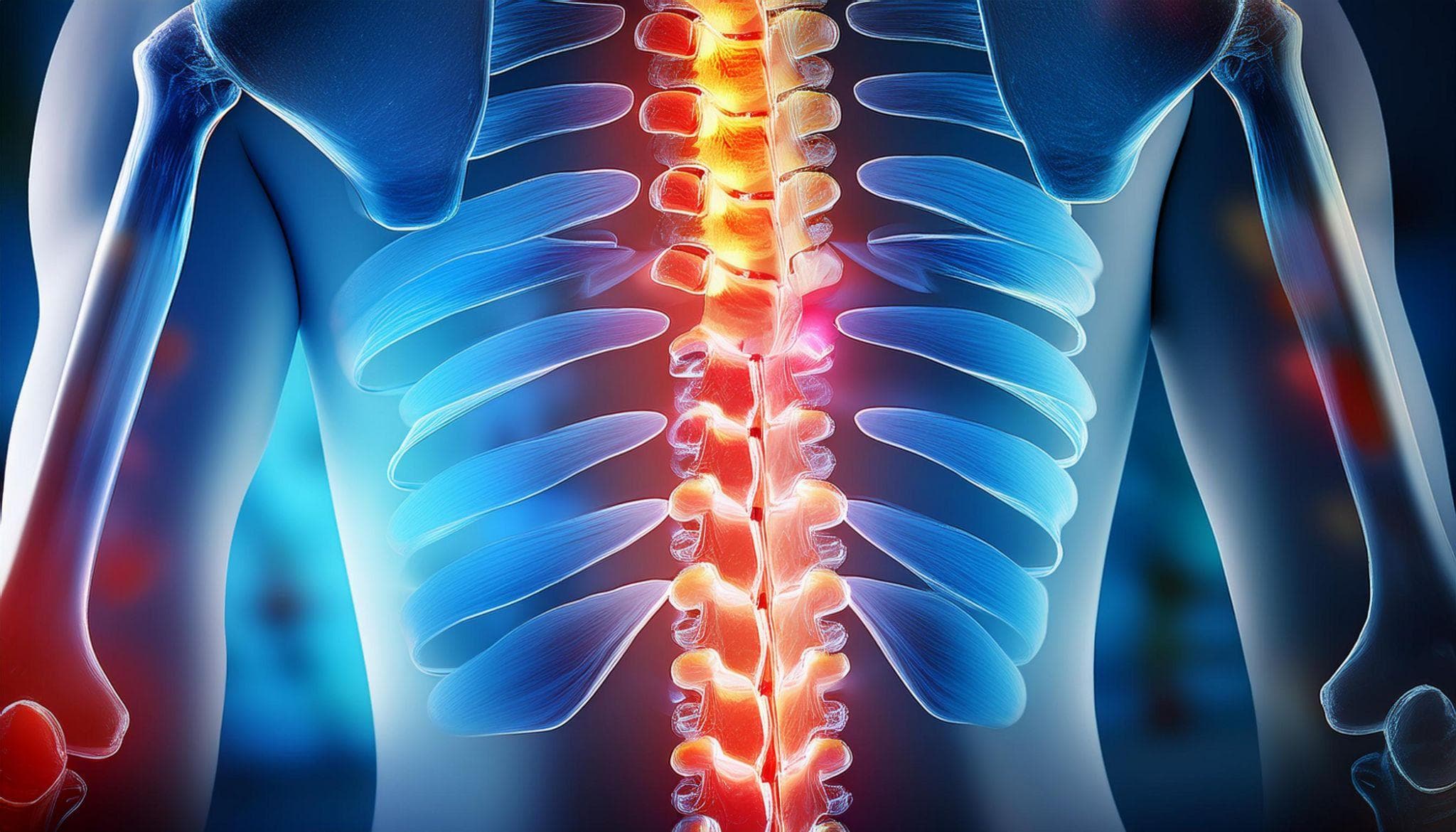
Thinking About Spinal Fusion? Here’s What You Should Know
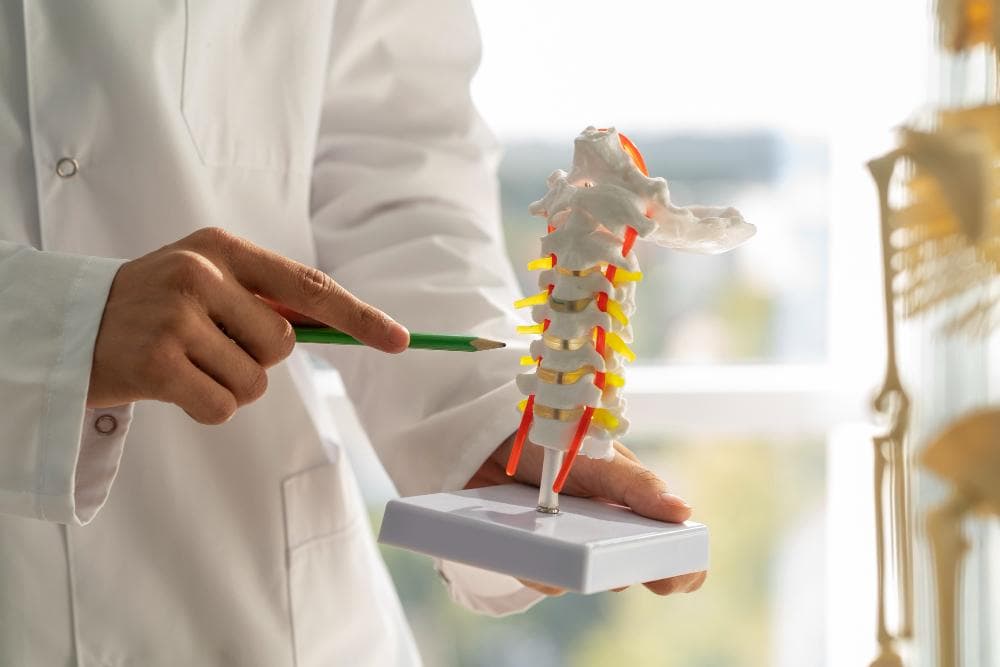
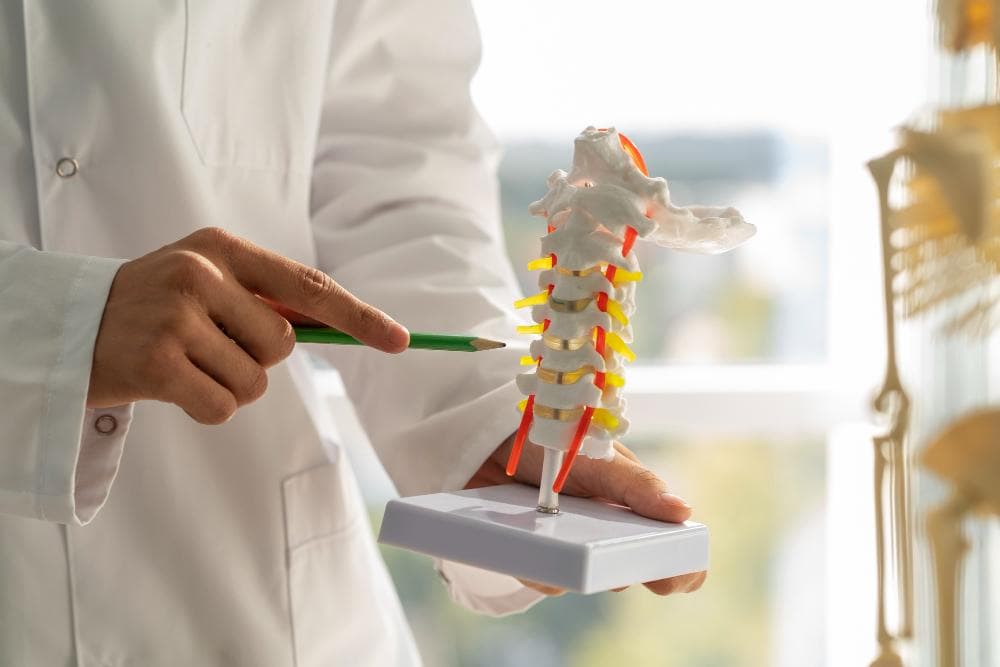
Doctor showing spine model.
From a condition where back pain is bearable to one where it starts to become debilitating. Medications, bed rest, and physiotherapy have done little to improve the situation, and Spinal Fusion becomes the best recourse of action.
It not only sounds a lot but is, in fact, a major operation. The Spinal Fusion surgery is a procedure that is designed not just for surgery itself but to fix the spine and ultimately to restore activity to the patient's life.
Typically suggested for spine instability or spinal joints where motion between vertebrae causes persistent and severe pain. By joining two or more vertebrae together, this surgery helps to restore the structural stability and function of the spine. In this guide, we shall examine what exactly the operation is, how it works, its advantages and risks, as well as the conditions under which to consult an orthopedic specialist.
What Is Spinal Fusion?
Spinal fusion is a surgical procedure where two or more vertebrae in the spine are permanently fused or joined together. Typically, the bones in the spine move with each other to help with mobility, and where it has become painful and unstable, fusion is able to arrest the unwanted motion.
This surgical procedure involves bone grafts or possibly screws, plates, and rods being applied by the surgeon across the vertebrae so they are fixed into a solid unit to enable the bones to fuse as one solid bone to provide better stability and movement, and reduce pain.
How Spinal Fusion Works?
The initial phase begins with a diagnosis from scans and through physical assessment of the patient to pinpoint the origin of pain. Once diagnosed, a spinal fusion operation will be planned by a specialist according to which part of the spine is affected.
During the surgical process, a portion of the spine or the faulty disc could be removed, the space between two or more vertebrae are then to be fused into one solid bone with the bone graft so that they may eventually fuse as one solid bone, medical implants in the form of screws, plates and rods could be screwed into place to fix the spine whilst it heals.
If treatment or diagnosis of the condition is needed, Dr. Mayank Chauhan in Noida is a knowledgeable surgeon to see.
Key Benefits Of Spinal Fusion
The main advantages of undergoing spinal fusion are the alleviation of pain and the improvement in spinal stability. However, spinal fusion has several benefits:
- Pain and stability - If there is excessive movement in the vertebrae of the spine that causes you to experience constant pain, spinal fusion alleviates pain and improves the overall stability of the spine.
- Quality of life - Relief of ongoing pain has made everyday activities like walking, sleeping, sitting, etc., far more manageable.
- Spinal deformities - In cases of deformities like scoliosis and kyphosis, the spine can be straightened out and corrected.
- Long-term problem - In patients with chronic painful arthritis or degenerating discs that have not responded to conservative management, lasting relief may be afforded.
Conditions That May Require Spinal Fusion
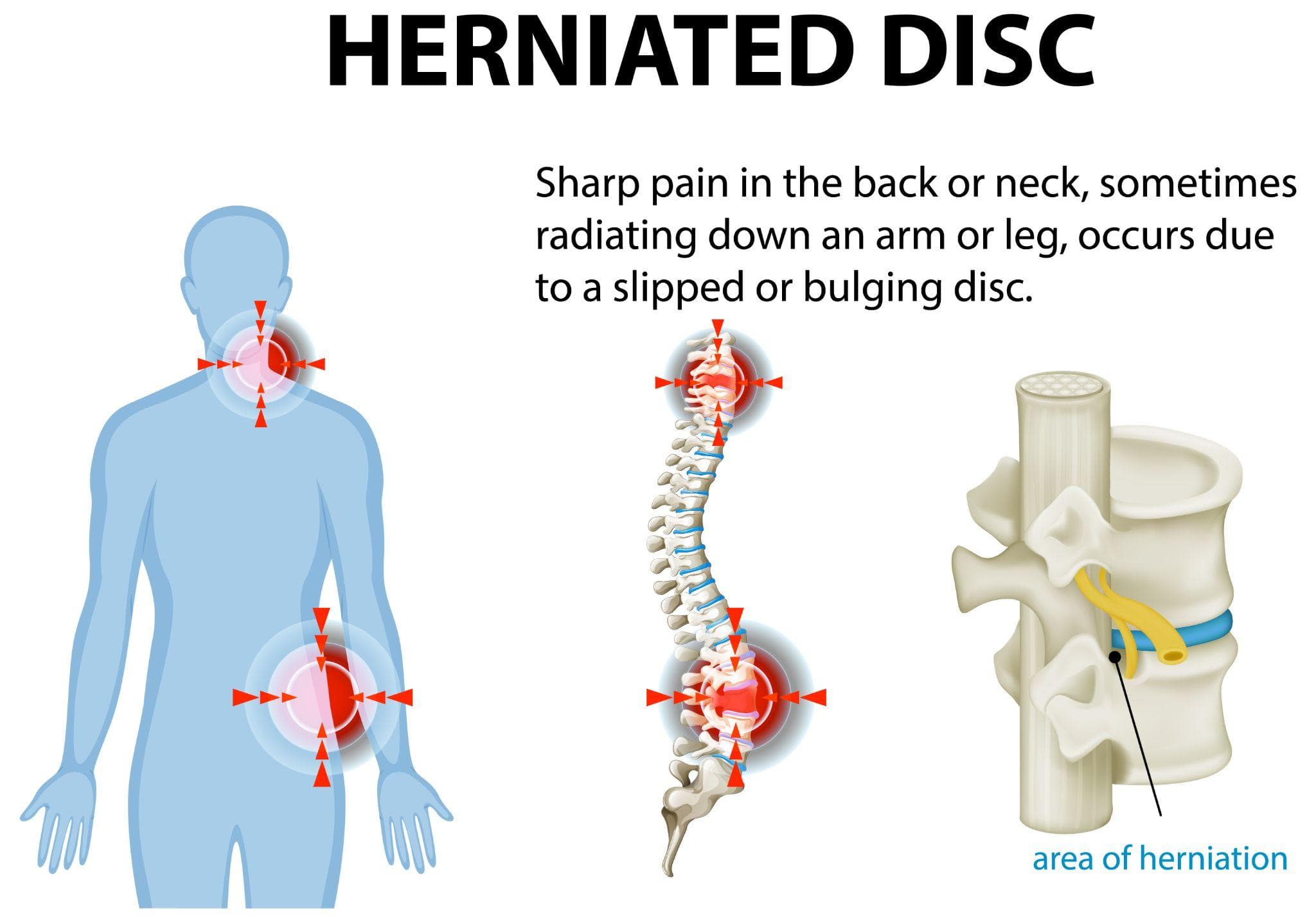
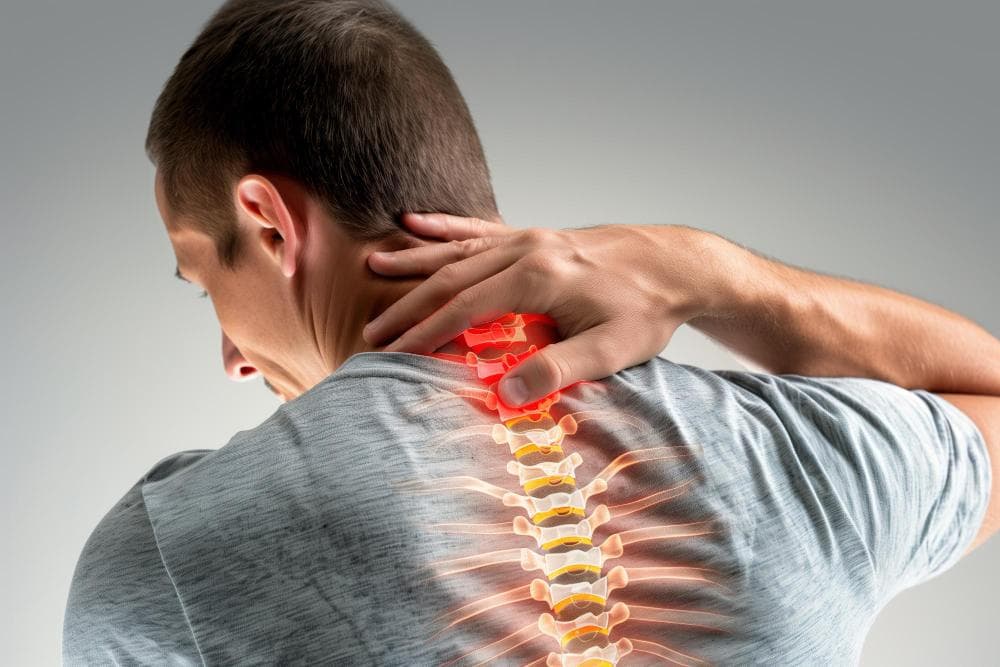
Herniated disc pain illustration.
For those who have developed an unstable spine, it is possible to recommend a fusion surgery. Spine instability can be caused by injury, wear and tear, and/or structural deformity, resulting in the following symptoms of nerve pain, immobility, and/or poor posture. Symptoms that do not respond to non-surgical measures can benefit from spinal fusion to stabilize the segment of the spine.
1. Degenerative Disc Disease
The pads between the bones of the vertebrae (discs) begin to thin out, becoming soft and losing their ability to cushion and pad the bones. They eventually begin to grind on one another, producing painful, unstable symptoms. A fusion surgery stabilizes the affected portion of the spine and reduces motion at the affected level, providing relief to the patient. This surgery may be indicated if the degenerative disease has reached an advanced stage.
2. Herniated Disc (Severe)
When a herniated disc puts pressure on nerves within the spinal canal, patients may experience pain, numbness, or weakness. While non-surgical treatments often resolve this issue, the herniated disc may require removal, and fusion can be recommended to ensure the continued stability of the affected segment of the spine after the operation is complete.
3. Spinal Stenosis
Spinal stenosis involves a narrowing of the spinal canal, which leads to compression of nerves. Decompression surgery to open up the spinal canal may be followed by fusion surgery if spinal instability may result after the procedure.
4. Scoliosis Or Spinal Deformities
Conditions like scoliosis result in a sideways curve of the spine, which may be present in childhood but may develop over time to the point that pain, difficulty breathing, or nerve compression occurs. Spinal fusion may help straighten and stabilize the spine.
5. Spinal Fractures Or Injuries
Severe injury, such as a fracture resulting from trauma, like an accident or fall, may be surgically stabilized. The fusion helps the spine heal and may also protect the spinal cord from injury.
6. Spondylolisthesis
In spondylolisthesis, one vertebral body slips forward on the one beneath it, which can result in nerve compression and lower back and leg pain. Fusion surgery stabilizes the segment of the spine to prevent this slippage and related nerve compression.
7. Spinal Infections/Tumors
Rarely, the spine can be affected by infection or a tumor, which can cause damage to the structure. When this has been identified and the diseased tissue removed, the spine may need to be fused to maintain its stability and integrity and protect the spinal cord.
8. Chronic Low Back Pain (Selected Cases)
Not all back pain needs surgery, in carefully selected cases where pain is severe and of long duration with clearly defined spinal instability, and where all conservative forms of treatment have failed, spinal fusion may be carried out.
Risks And Considerations
Spinal fusion, as with any surgery, has a risk factor that patients need to know.
- Infection or bleeding - In rare cases, a patient can develop an infection during surgery or later. Bleeding can also be a problem during or after the procedure.
- Loss of flexibility - One side effect of having vertebrae fused is that this part of the spine no longer flexes with the body.
- Stress on nearby segments - Years after the fusion procedure, surrounding parts of the spine can be placed under more stress and develop future problems.
- Recovery time - Healing a spinal fusion takes quite some time, usually several months for full bone growth.
Recovery After Spinal Fusion
The recovery from this surgery will vary for each individual and depends upon the extent of the surgery undertaken.
- Hospitalization and post-operative care - Admission to the hospital for a few days is generally required for monitoring and to allow pain to be controlled.
- Physiotherapy and rehabilitation - A major component of recovery involves physiotherapy, which helps to regain strength, mobility, and achieve safe functional movement.
- Limitations to physical activity - Certain physical activities, which involve lifting, bending, and twisting, are typically restricted to varying degrees for several weeks to months.
- Return to normality - With correct management and advice, most people return to a more normal lifestyle, although it is usually a very gradual process.
When To Consult An Orthopedic Specialist
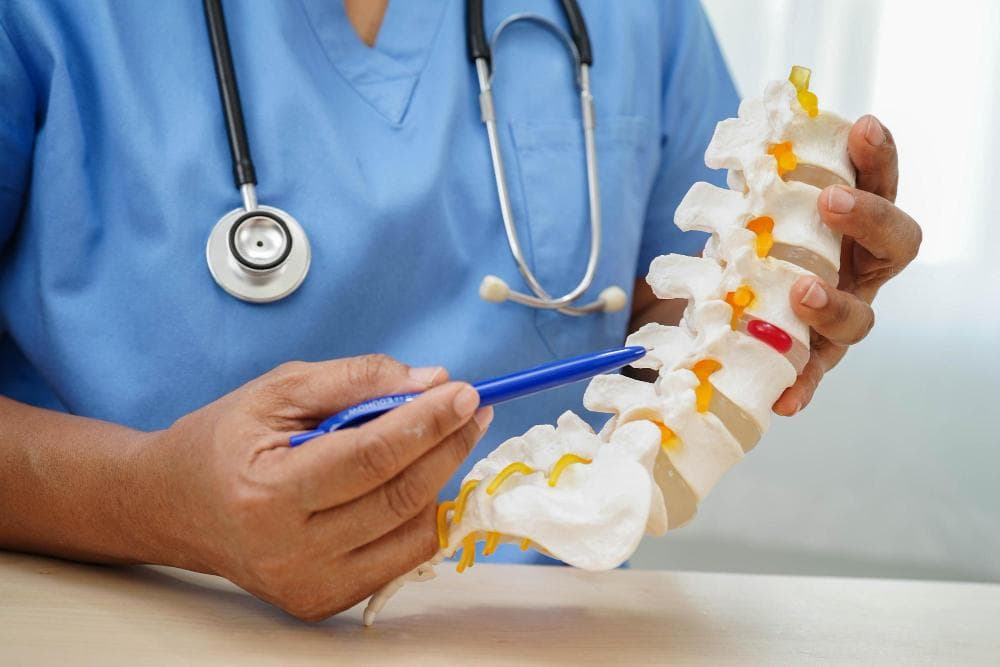
Doctor explaining the spine model.
Various signs tell you when to consult the doctor:
- Don't neglect back pain that continues for months. If your treatment plans don't solve your problems for at least a week, then you should seek a second opinion.
- The symptoms of nerve compression are numb and tingling sensations. You may require immediate attention from a doctor.
- Restricted and painful movement of a joint is an explicit signal to visit a doctor.
- If physiotherapy and medication for back pain don't give any positive results.
Final Thoughts
Spinal fusion may not seem like a popular choice at first, but it has given many people a better quality of life and a sense of well-being. Spinal fusion eases your pain and steadies your spine when all other non-surgical treatment options fail. Consulting a doctor soon and getting the right guidance from the beginning will benefit you immensely. Having proper care from a well-experienced orthopedic specialist helps you receive the best available treatment.
If you are also looking for the best treatment through a spinal fusion procedure, you can consult Dr. Mayank Chauhan in Noida.
Frequently Asked Questions
1. Is spinal fusion a big surgery?
Yes, it is a large operation, but it is a frequently performed operation, and safe if carried out by competent spinal surgeons.
2. How long will it take to recover from spinal fusion?
A brief recovery of a couple of weeks. It can take many months to become fully fused.
3. Will spinal fusion make the back pain disappear completely?
The pain will be substantially reduced, although outcomes will differ with each patient and condition.
4. Is life normal after spinal fusion?
Most patients lead a normal life after a recovery period from spinal fusion, with an improved level of comfort and stability.