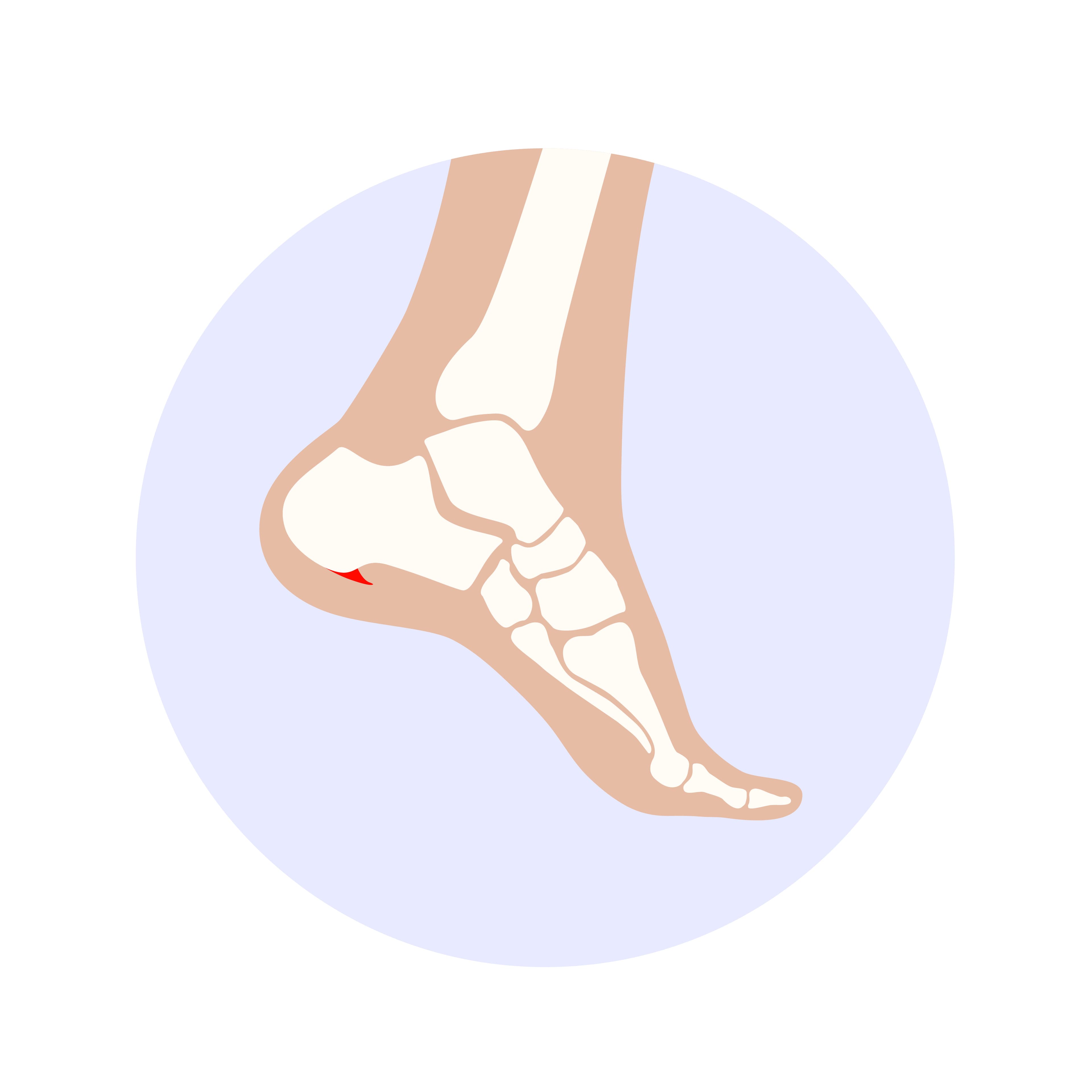
Magnesium and Bone Health — The Mineral Most Indians Overlook
3D illustration of a human bone with calcium molecules around it on a blue background.
Every bone health conversation begins and ends with calcium. Vitamin D gets honourable mention. And there it stops.
Magnesium — the fourth most abundant mineral in the human body and the second most abundant mineral inside cells — barely registers in most bone health discussions, despite being involved in more than 300 enzymatic reactions, directly affecting both calcium and vitamin D metabolism, and being chronically underconsumed in most Indian diets.
That omission has consequences for bone health.
What Magnesium Does in the Bone-Building System
Magnesium and calcium are not separate systems. They work together, and each depends on the other being present in the right amounts.
Vitamin D activation: Vitamin D from sunlight or supplements exists in an inactive form until converted by the liver and kidneys into its active hormonal form (calcitriol). Both conversion steps require magnesium-dependent enzymes. Without sufficient magnesium, vitamin D — however much you supplement — cannot be fully activated. Research shows that supplementing vitamin D alone is less effective in people with low magnesium levels.
Calcium transport: Magnesium regulates calcium movement across cell membranes. It influences the activity of parathyroid hormone (PTH), which in turn controls how much calcium is reabsorbed from bone into the bloodstream when blood calcium is low. Adequate magnesium blunts this PTH-driven bone resorption.
Bone crystal formation: Magnesium is directly incorporated into bone mineral — approximately 60% of the body's total magnesium is stored in bone. The structural character of bone mineral depends partly on the magnesium-to-calcium ratio in the crystalline structure.
Osteoblast and osteoclast regulation: Both bone-building cells (osteoblasts) and bone-resorbing cells (osteoclasts) are influenced by magnesium availability. Magnesium deficiency tilts the balance toward resorption.
What Happens Without Enough Magnesium?
The clinical consequences of chronic magnesium deficiency — the level most Indians experience, not the dramatic depletion of severe malnutrition — are subtle and accumulate slowly:
- Vitamin D becomes less effective even when supplemented
- Bone turnover markers shift toward resorption
- Bone mineral density gradually declines
- Calcium may be lost through urine at higher rates (magnesium normally helps the kidney conserve calcium)
- Muscle cramps and spasms become more frequent (magnesium is critical for muscle relaxation)
- Sleep quality often deteriorates (magnesium supports GABA activity in the brain)
A 2025 review published in the Brazilian Journal of Endocrinology and Metabolism specifically examining bone health supplements concluded that while calcium and vitamin D have the strongest clinical evidence, magnesium plays an important supportive role in bone physiology, particularly through its relationship with vitamin D metabolism.
The Deficiency Picture in India
Magnesium deficiency is not as dramatic or well-publicised as vitamin D or calcium deficiency in India, but it is arguably just as prevalent.
The Indian diet has historically included good magnesium sources — whole grains, legumes, nuts, dark leafy vegetables, and seeds. However, dietary trends are moving away from these foods:
- Refined wheat flour (maida) has lost most of the magnesium present in whole wheat
- Processing removes magnesium from grains and pulses
- Increased consumption of packaged and fast food, which is typically low in magnesium
- Reduced consumption of traditional foods like ragi, bajra, and whole dals in urban populations
The result is that a significant proportion of urban Indians — particularly those eating modern, processed diets — consume magnesium well below the recommended daily allowance.
Additionally, certain common medications further deplete magnesium:
- Proton pump inhibitors (PPIs) — widely used for acid reflux — significantly impair magnesium absorption with long-term use
- Diuretics — used for blood pressure and heart failure — increase urinary magnesium losses
- Metformin — used for type 2 diabetes — may reduce magnesium absorption over time
- Alcohol — impairs magnesium absorption and increases urinary losses
Given that many bone-health-concerned patients in India are also taking PPIs, antihypertensives, or metformin — often simultaneously — their magnesium status may be more compromised than assumed.
How Much Magnesium Do You Need?
Recommended daily allowances for adults:
- Men: 400–420 mg/day
- Women: 310–320 mg/day
- Pregnant women: 350–360 mg/day
The best Indian food sources
| Food | Magnesium Content | |---|---| | Pumpkin seeds (30 g) | 150 mg | | Almonds (30 g) | 80 mg | | Cashews (30 g) | 75 mg | | Ragi/finger millet (100 g cooked) | 60–70 mg | | Bajra/pearl millet (100 g cooked) | 60 mg | | Rajma/kidney beans (100 g cooked) | 45 mg | | Spinach (100 g cooked) | 85 mg | | Dark chocolate (30 g, 70%+) | 65 mg | | Banana (1 medium) | 30 mg | | Brown rice (100 g cooked) | 45 mg |
A diet rich in whole grains, nuts, seeds, and legumes can meet magnesium needs. A diet dominated by refined grains, processed food, and minimal nuts and seeds typically cannot.
Magnesium Supplements: When and Which Form
For patients who genuinely cannot meet magnesium needs through diet — particularly those on PPIs, diuretics, or managing bone health concerns — supplementation is appropriate.
Magnesium glycinate: The most bioavailable and best-tolerated form. Less likely to cause the loose stools that can occur with other forms. Good choice for ongoing supplementation.
Magnesium citrate: Well-absorbed, widely available, and reasonable cost. May cause loose stools at higher doses — which can be used therapeutically but is undesirable for bone health supplementation.
Magnesium malate: Good bioavailability, associated with energy production. A reasonable option.
Magnesium oxide: The cheapest and most common form in India. Low bioavailability — absorbed less efficiently than organic forms. Not the best choice for bone health supplementation despite its prevalence.
Dose: 200–350 mg of elemental magnesium per day is the typical supplementation range. Taking it in the evening is appropriate — magnesium supports muscle relaxation and sleep, and doesn't need to be taken with food (though food reduces the likelihood of digestive discomfort).
Magnesium is very safe at recommended doses. The main side effect at high doses is loose stools (which is also why magnesium is used as a laxative). Upper safe limit is approximately 350 mg/day from supplements in most adults.
Avoid taking magnesium at the same time as calcium: Both compete for absorption in the gut. Taking calcium with food and magnesium separately (e.g., evening) optimises absorption of both.
The Interaction That Matters Most: Magnesium + Vitamin D
The most clinically relevant reason to think about magnesium when managing bone health in India is its relationship with vitamin D.
India has extremely high rates of vitamin D deficiency. Vitamin D supplementation is widely recommended and widely practised. But the response to vitamin D supplementation is variably effective, and one reason for variable response — underappreciated in clinical practice — is magnesium status.
Research shows that supplementing vitamin D alone in people with magnesium deficiency does not produce the same increase in active vitamin D as in people with adequate magnesium. Correcting magnesium deficiency improves the response to vitamin D supplementation.
If you or a patient are supplementing vitamin D without improvement in blood levels despite adequate doses — checking magnesium status is a reasonable next step.
Key Takeaways
- Magnesium is essential for vitamin D activation, calcium regulation, bone mineralisation, and bone cell function
- Chronic moderate magnesium deficiency is common in Indians eating processed, refined diets
- Medications including PPIs, diuretics, and metformin worsen magnesium status
- Best food sources: pumpkin seeds, almonds, ragi, bajra, leafy greens, whole grains, legumes
- When supplementing, choose magnesium glycinate or citrate over magnesium oxide
- Avoid taking magnesium and calcium simultaneously
- Adequate magnesium improves the effectiveness of vitamin D supplementation
Bone Health Assessment in Noida
Dr. Mayank Chauhan at Prakash Hospital, Sector 33, Noida, evaluates bone health comprehensively — including nutritional factors beyond the standard calcium and vitamin D assessment when indicated.
To book a consultation, call the number listed on the website.