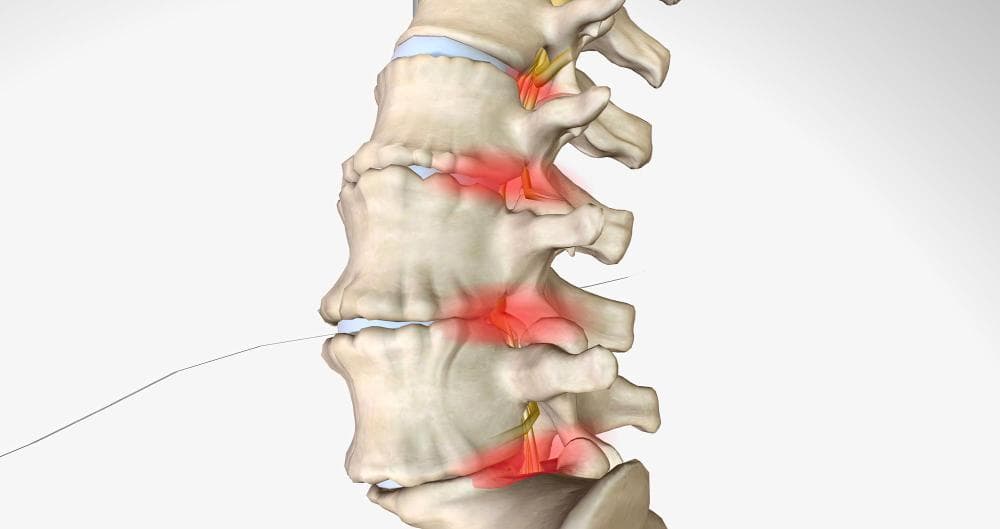
What Are Biological Enhancement Methods? A New Era In Recovery
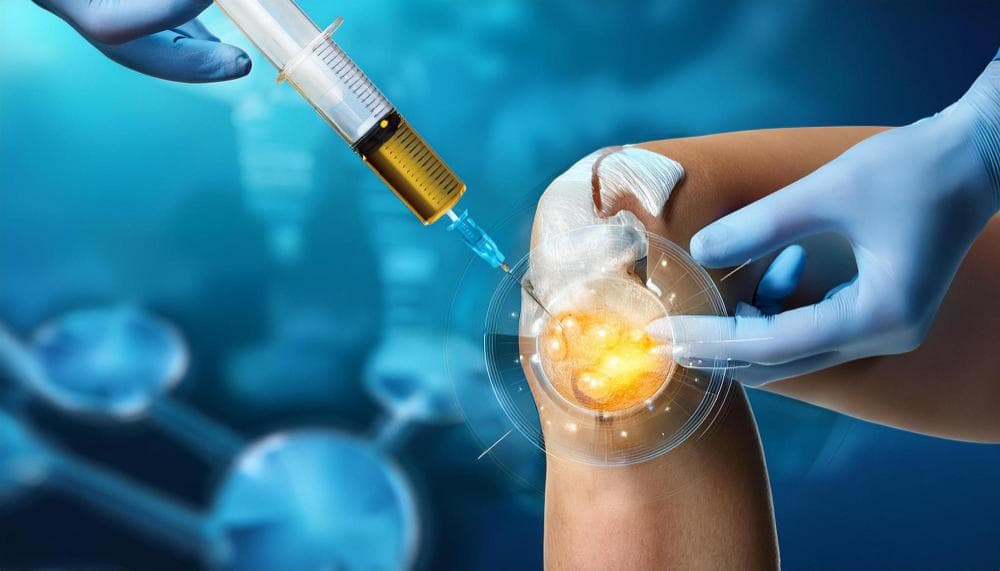
An illustration of a syringe being injected into a patient's knee, with a focus on treatment.
People often think recovery only means rest, medications, or surgery, but that’s not the full picture anymore. Modern medicine has stepped into a new phase where the body is encouraged to heal itself faster and better. That’s where biological enhancement methods come in.
These treatments don’t just manage symptoms; they actively improve the body’s natural healing ability. Whether someone is dealing with a sports injury, joint pain, or post-surgical recovery, biological therapies are changing how healing works.
Instead of relying only on external treatments, these methods use the body’s own cells and growth factors to repair damage, reduce inflammation, and restore function. It’s a smarter, more natural way to recover. In this guide, let’s understand what biological enhancement methods are, how they work, and when it’s the right time to consider them for better recovery outcomes.
What Are Biological Enhancement Methods?
Biological enhancement methods are advanced medical treatments that use the body’s natural biological materials to speed up healing and improve tissue repair.
These include therapies like Platelet-Rich Plasma (PRP), stem cell therapy, and growth factor injections. The idea is simple: take what already exists in the body and use it in a more concentrated and targeted way to heal injuries. Rather than masking pain, these methods work at a cellular level to regenerate damaged tissues, making recovery more effective and long-lasting.
How Biological Enhancement Methods Work?
The process usually starts with collecting biological material from the patient, such as blood or bone marrow. This sample is then processed to isolate healing components like platelets or stem cells. These components are rich in growth factors that help repair damaged tissues. Once prepared, they are injected directly into the injured or affected area. This targeted approach boosts the body’s natural healing response, reduces inflammation, and accelerates recovery.
Key Benefits Of Biological Enhancement Methods
Biological therapies are transforming recovery by focusing on healing from within rather than relying only on external interventions.
- Faster Healing And Recovery - These treatments stimulate tissue repair at a cellular level, helping injuries heal more quickly than traditional methods.
- Reduced Pain And Inflammation - By addressing the root cause, they naturally reduce inflammation and provide long-term pain relief.
- Minimally Invasive Approach - Most procedures involve simple injections, avoiding the need for major surgery and long recovery periods.
- Improved Tissue Regeneration - They help rebuild damaged cartilage, tendons, and ligaments, improving overall joint health and function.
- Lower Risk of Complications - Since the treatment uses the patient’s own biological material, the risk of rejection or side effects is significantly lower.
Common Biological Enhancement Treatments
Different techniques are used depending on the condition and severity of the injury.
1. Platelet-Rich Plasma (PRP) Therapy
Platelet-Rich Plasma (PRP) therapy is one of the most commonly used regenerative treatments. It involves drawing a small amount of the patient’s blood, processing it to concentrate the platelets, and then injecting this enriched plasma into the injured area. Platelets contain growth factors that play a key role in healing, helping to repair tissues, reduce inflammation, and improve blood circulation at the site of injury.
PRP is often used for tendon injuries, ligament sprains, muscle damage, and early joint degeneration. Since it uses the patient’s own blood, the risk of adverse reactions is low, although results may vary and sometimes require multiple sessions.
2. Stem Cell Therapy
Stem cell therapy is a more advanced approach that focuses on regenerating damaged tissues. Stem cells, typically sourced from bone marrow or fat tissue, have the unique ability to develop into different types of cells, such as cartilage, bone, or muscle.
When injected into the affected area, they help repair and regenerate tissues at a deeper level, making this treatment particularly useful in conditions like osteoarthritis, cartilage damage, and certain spinal issues. While it holds significant promise for long-term healing, it is relatively more expensive and still evolving in terms of widespread clinical standardization.
3. Growth Factor Injections
A doctor inspects a syringe filled with medication.
Growth factor injections involve the use of specific proteins that naturally stimulate cell growth and tissue repair. These proteins are either extracted or synthesized and then injected directly into the injured region to accelerate the healing process. They work by enhancing collagen production, encouraging cell regeneration, and improving tissue strength, especially in ligaments and tendons. This treatment is often used alongside other regenerative therapies like PRP to improve overall outcomes.
Overall, these treatments fall under the field of Regenerative Medicine and are typically performed as minimally invasive, outpatient procedures with little downtime. However, results are not immediate, as healing occurs gradually over time.
They are often combined with physiotherapy and lifestyle modifications for optimal recovery. The suitability of these treatments depends on factors like the severity of the condition, the patient’s overall health, and the specific area of injury, making proper medical evaluation essential before proceeding.
Conditions Treated With Biological Enhancement Methods
These therapies are commonly used for a wide range of orthopedic and sports-related conditions.
- Joint Pain And Arthritis - Helps reduce pain and improve joint function by repairing damaged cartilage.
- Sports Injuries - Speeds up recovery from ligament injuries, muscle tears, and tendon damage.
- Tendon and Ligament Injuries - Enhances healing in conditions like tennis elbow or ligament sprains.
- Post-Surgical Recovery - Supports faster healing and better outcomes after orthopedic surgeries.
- Chronic Pain Conditions - Provides long-term relief by addressing underlying tissue damage.
When To Consider Biological Enhancement Methods
Sometimes, the body needs more than just rest or medication to heal properly.
1. Slow Or Delayed Healing
Slow or delayed healing is one of the most common reasons to explore these options. If an injury, such as a ligament sprain, tendon tear, or muscle strain, continues to cause discomfort even after weeks or months of standard care, it may indicate poor blood supply or inadequate tissue repair.
Biological therapies like PRP or growth factor injections can enhance healing by delivering concentrated repair signals directly to the affected area, helping the tissue recover more efficiently.
2. Persistent Pain Despite Treatment
Persistent pain despite treatment is another important indicator. When pain does not improve with medications, rest, or structured physiotherapy, it often suggests underlying inflammation or micro-damage that hasn’t fully resolved. Instead of only masking symptoms, regenerative treatments target the root cause by promoting healing within the tissue itself, which can lead to more sustainable relief over time.
3. Desire To Avoid Surgery
Many patients also consider these methods when they want to avoid or delay surgery. Surgical procedures, while effective in severe cases, come with longer recovery periods and potential risks. Biological treatments offer a minimally invasive alternative, especially in early to moderate conditions, where improving tissue quality and reducing inflammation might be enough to restore function without the need for surgical intervention.
4. Recurrent Injuries
Recurrent injuries are another strong reason to consider regenerative support. If the same joint, ligament, or muscle keeps getting injured, it may indicate weakened or incompletely healed tissue. Biological therapies can help strengthen and repair these areas at a deeper level, reducing the likelihood of repeated damage and improving overall stability.
Ultimately, the decision to opt for biological enhancement methods depends on factors like the severity of the condition, response to previous treatments, activity level, and long-term goals. A thorough evaluation by a specialist helps determine whether these therapies are appropriate and how they can be integrated into a comprehensive recovery plan.
Biological Enhancement Methods Vs Traditional Treatments
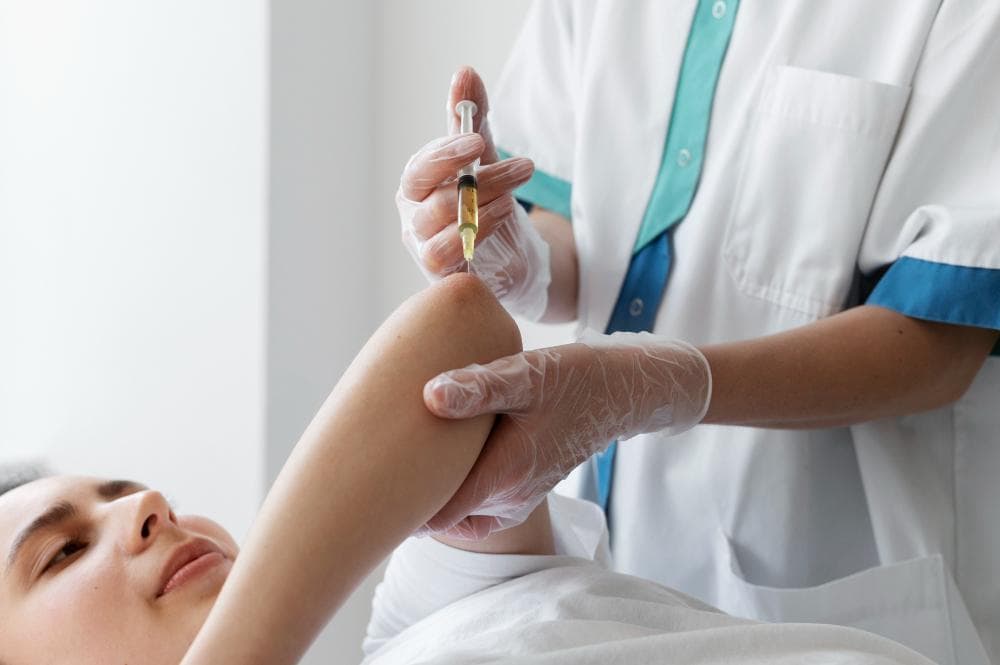
A healthcare worker gives an injection to a patient lying on an examination table.
Traditional treatments like painkillers mainly focus on symptom relief. They may reduce discomfort temporarily, but don’t fix the underlying issue. Biological enhancement methods, on the other hand, target the root cause by repairing damaged tissues. This leads to more sustainable recovery and better long-term outcomes.
Compared to surgery, these treatments are less invasive, involve shorter recovery times, and carry fewer risks. In many cases, they can delay or even eliminate the need for surgical intervention.
Final Thoughts
Biological enhancement methods represent a major shift in how recovery is approached. Instead of just managing pain, they help the body heal itself more efficiently and naturally. From athletes to individuals dealing with chronic pain, these treatments offer a powerful option for faster recovery and improved quality of life.
To explore these advanced therapies and get personalized care, visiting Dr. Mayank Chauhan in Noida can help ensure the right treatment approach based on individual needs. With proper assessment and modern regenerative techniques, recovery becomes quicker, safer, and more effective.
Frequently Asked Questions (FAQs)
1. What are biological enhancement methods?
They are regenerative treatments that use the body’s own cells to speed up healing and repair damaged tissues.
2. Is PRP therapy safe?
Yes, PRP is considered safe as it uses the patient’s own blood, reducing the risk of side effects.
3. How long does recovery take with biological treatments?
Recovery time varies but is generally faster compared to traditional treatment methods.
4. Can biological therapies replace surgery?
In some cases, they can delay or eliminate the need for surgery, depending on the severity of the condition.