Reviewed by Dr. Mayank Chauhan
Frozen Shoulder Physiotherapy: What Treatment Really Involves

Treatment follows the stage: gentle movement while the shoulder is painful, firmer stretching once it is stiff.
Frozen shoulder is a patient's test. It takes months, sometimes close to two years, to run its course, and the advice you get along the way can feel contradictory. One person tells you to stretch hard. Another says to leave it alone. A friend swears by an injection. A video online promises to "unfreeze" the shoulder in ten days.
Physiotherapy is the backbone of treatment, but what it should look like depends heavily on which stage the shoulder is in. Pushing a painful, freezing shoulder into the same stretches that suit a thawing one tends to backfire.
Frozen shoulder in brief
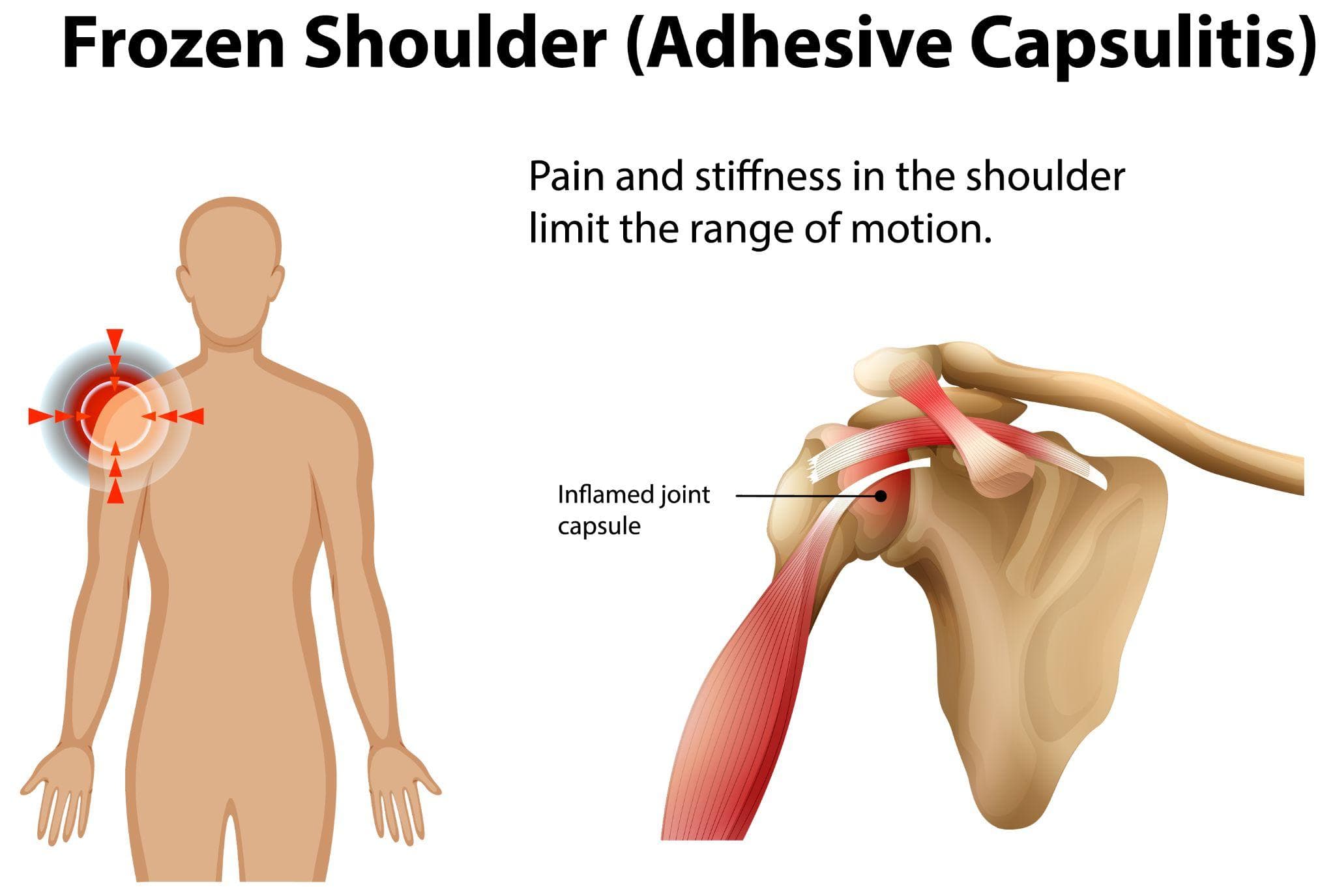
Frozen shoulder, or adhesive capsulitis, happens when the capsule surrounding the shoulder joint becomes inflamed, thickened and tight. The joint loses movement, especially turning the arm outward (external rotation) and lifting it overhead, and the stiffness occurs in all directions, whether you move the arm yourself or someone else moves it.
It is more common between 40 and 60, in women more than men, and in people with diabetes or thyroid disease, or after a period of immobilisation following an injury or surgery. Our article on frozen shoulder exercises takes you through the stage-by-stage routine in detail, and this one focuses on what treatment, including professional physiotherapy, involves.
The stages guide the treatment
Frozen shoulder typically moves through overlapping phases.
| Stage | Typical duration | What it feels like | Main goal of treatment | |---|---|---|---| | Freezing (painful) | About 2 to 9 months | Increasing pain, worse at night, progressive stiffness | Control pain, protect from irritation, maintain gentle movement | | Frozen (stiff) | About 4 to 12 months | Pain eases, stiffness dominates | Improve range gradually | | Thawing (recovery) | About 5 to 24 months | Movement slowly returns | Restore range, strength and function |
These durations are approximations. Some people recover faster, some slower, and diabetes tends to lengthen the course.
Physiotherapy in the freezing stage
At this point the shoulder is irritable. Aggressive stretching is likely to inflame it further.
Goals: reduce pain, keep the shoulder moving without provoking it, and help you sleep.
What the physiotherapist may do:
- Education. Explaining the condition, its natural history and the realistic timeline. This alone relieves a lot of worry.
- Gentle range-of-motion exercises within a pain-comfortable range, such as pendulum swings and table slides.
- Posture and shoulder blade work to avoid compensating with the neck and upper back.
- Heat or cold for comfort.
- Sleep advice, including supporting the arm on a pillow and avoiding lying on the painful side.
- Short, frequent exercise sessions, perhaps five minutes several times a day, instead of one long session.
Avoid: forceful stretching, pulling on the arm, heavy weights or "no pain, no gain" approaches.
Physiotherapy in the frozen stage
Pain starts to ease, and stiffness becomes the main problem.
Goals: gradually increase range, particularly external rotation, abduction (lifting out to the side) and flexion (lifting forward).
Typical components:
- Stretching held for 20 to 30 seconds, repeated several times, to a point of firm stretch but not sharp pain
- Capsular stretches such as the cross-body stretch, the towel stretch for internal rotation, and wall slides (finger-walking up a wall)
- External rotation stretches using a stick or cane
- Joint mobilisation by the physiotherapist, with graded gentle movements
- Heat before exercise, such as a warm shower, to loosen the tissues
- Home programme several times daily
The principle is gentle, sustained and regular, not forceful. The general rule: a stretch that leaves you sore for an hour is fine, but pain that lingers for hours or worsens the next day means you pushed too hard.
Physiotherapy in the thawing stage
Movement is returning. This is the stage where strength work matters.
Goals: finish regaining range, rebuild strength and return to activity.
What it involves:
- Continued stretching to consolidate range
- Rotator cuff and shoulder blade strengthening with light resistance bands or weights
- Functional training, for example reaching shelves, dressing, driving, and work-related tasks
- Posture work
- Gradual return to sport or heavy tasks
Many people stop exercising as soon as the pain is gone. That is a mistake, because weak muscles around a recovering shoulder leave it vulnerable to re-injury and prolonged tightness.
What does the research say about treatments?
Frozen shoulder is well studied, yet the evidence for any single treatment is far from perfect. Here are the main findings that help in decision-making.
Exercise and physiotherapy
Supervised exercise and stretching, combined with education, are the standard first-line care. They have the advantage of being low risk. Because the condition is self-limiting in most people, it is hard to separate the effect of treatment from the natural course.
Corticosteroid injection
An injection into the joint can reduce pain and improve movement, mainly in the early, painful stage. The benefit is often noticeable within weeks and helps people get through physiotherapy more comfortably. It does not shorten the entire course of the disease, and repeated injections are discouraged.
Hydrodilatation (distension)
In this procedure, fluid is injected into the joint capsule to stretch it, often with steroid and local anaesthetic, usually under ultrasound guidance. A systematic review of 39 studies with more than 2,600 patients found that, compared with corticosteroid injection alone, hydrodilatation gave a short-term improvement in disability and a more lasting gain in external rotation, but no clear advantage for pain. Its overall value remains uncertain, and it has not clearly beaten other conservative options. The authors called for more research. One study suggested that intensive physiotherapy after the procedure could be a promising combination.
Oral medicines
Anti-inflammatory tablets and painkillers may ease discomfort. They do not change the course, and they carry side effects, so they should be used under medical advice.
Manipulation under anaesthesia and capsular release
If a shoulder remains stuck after many months of proper treatment, two options exist:
- Manipulation under anaesthesia (MUA). The shoulder is gently moved through its range while the patient is asleep to break the adhesions.
- Arthroscopic capsular release. A surgeon uses keyhole instruments to cut the tight capsule.
Pooled comparisons have not shown a clear difference between these two, and between them and other treatments. They are generally reserved for the stubborn minority, usually after six to twelve months of failed non-surgical care. Rehabilitation afterwards is essential to maintain the gains.
Where physiotherapy tends to go wrong
- Too aggressive in the painful stage. More pain means more inflammation and often a longer course.
- Too passive. A programme made up only of heat, ultrasound or electrical machines without active exercise is unlikely to restore movement.
- Stopping too soon. Giving up in the frozen stage because "nothing works" is understandable but premature.
- No home programme. Clinic sessions alone are not enough. The shoulder needs daily movement.
- Ignoring diabetes and thyroid control. Poorly controlled diabetes makes frozen shoulder harder to shift.
- No review. If you have not improved at all after two to three months, the diagnosis and plan should be re-checked.
Getting through it: practical tips
- Be patient. Recovery is measured in months, not weeks.
- Move the shoulder a little, often.
- Use heat before stretching.
- Support the arm at night with a pillow.
- Keep your other joints moving, and stay active.
- Check your blood sugar if you have diabetes.
- Avoid carrying heavy loads with the affected arm.
- Track progress monthly, for example how far you can reach, instead of day to day.
Questions people often ask
How many physiotherapy sessions will I need? Most people attend one or two sessions a week at first, and then taper as they learn the home routine. A course of several weeks to a few months is common, since the condition itself runs for many months. The home exercises matter more than the number of visits.
Should it hurt during exercises? A firm stretch is expected. Sharp pain, or soreness that lasts well into the next day, means the session was too aggressive.
Can frozen shoulder come back? It rarely returns in the same shoulder, but the other shoulder is affected in a fair number of people, sometimes within a few years. Good diabetes control and keeping both shoulders moving help.
Is massage or "cracking" the shoulder useful? Forceful manipulation by untrained people can injure the shoulder and should be avoided.
When to see a doctor
Book an assessment if:
- Shoulder pain and stiffness have lasted more than a few weeks
- You cannot lift your arm, put on a shirt or reach behind your back
- Night pain is disturbing your sleep
- You have diabetes, thyroid disease or a recent shoulder injury or surgery
- You are not improving after two to three months of physiotherapy
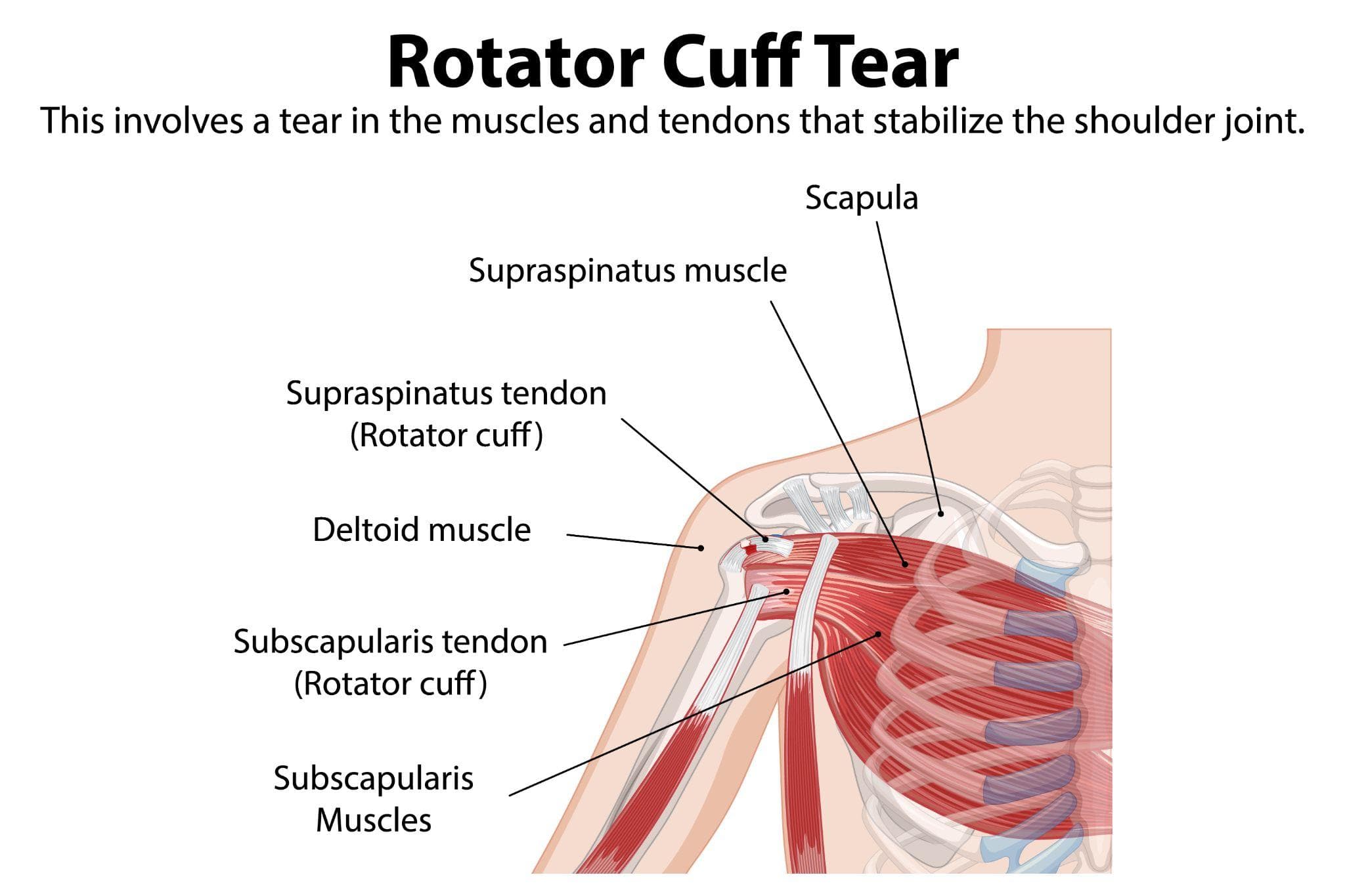
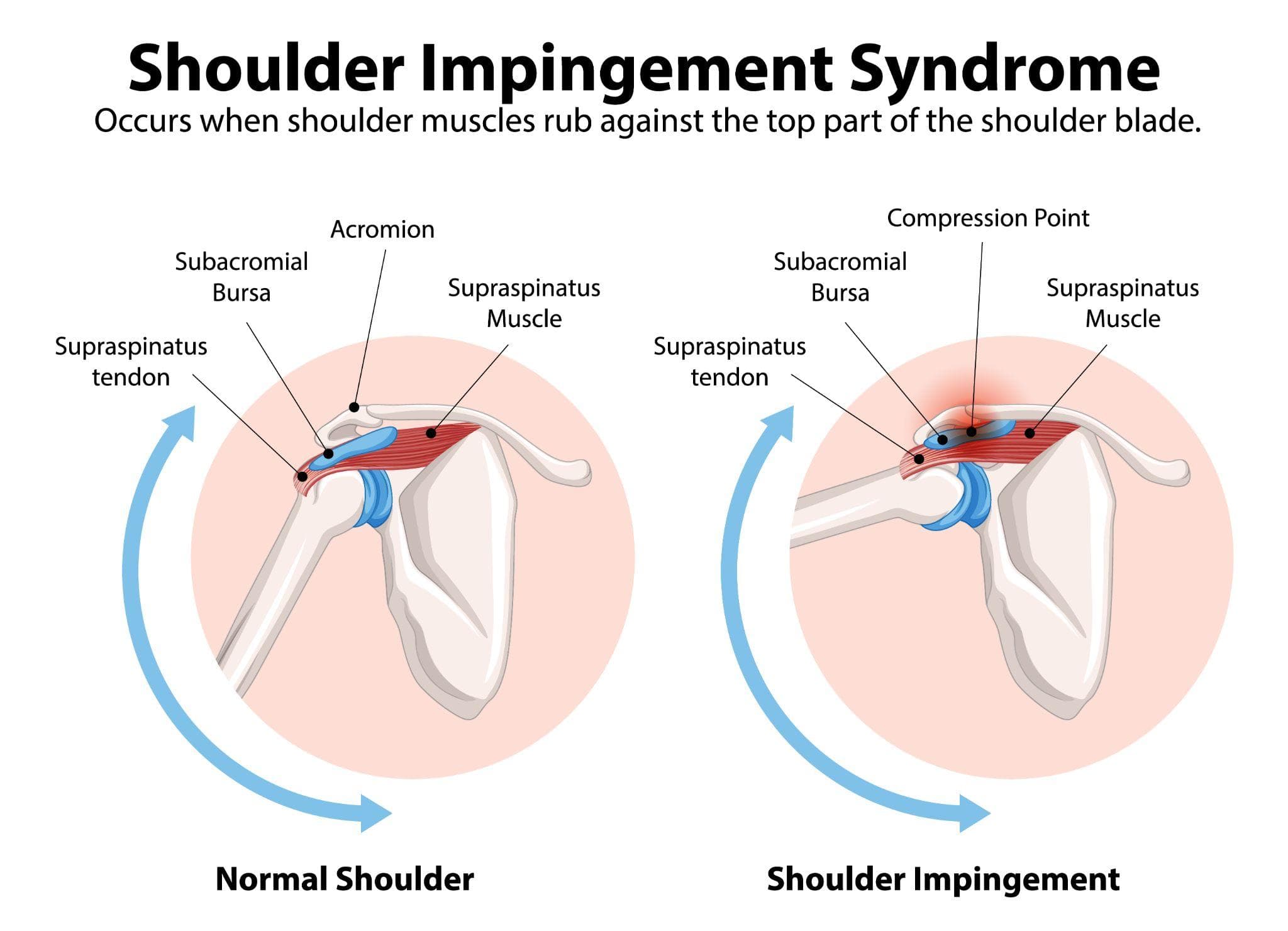
An examination and X-ray can confirm the diagnosis and exclude conditions such as arthritis, rotator cuff tears and calcific tendinitis, which need different treatment.
Seek urgent help if you have:
- Severe shoulder pain after an injury
- Shoulder pain with chest pain, sweating or breathlessness (especially left shoulder)
- A hot, red swollen shoulder with fever
- Sudden weakness or numbness in the arm
Prakash Hospital in Noida has a 24 hour emergency department.
Frozen shoulder care in Noida with Dr. Mayank Chauhan
Physiotherapy works best when the diagnosis and the stage are correct. Dr. Mayank Chauhan is a senior orthopedic surgeon at Prakash Hospital, D-12A/12B, Sector 33, Noida, next to the ISKCON Temple. He has more than 15 years of experience, trained at Maulana Azad Medical College, Delhi, and completed an arthroplasty fellowship at Hallym University Hospital, South Korea. His patients rate him 4.9 out of 5 on Google.
Prakash Hospital is NABH and NABL accredited and works with CGHS, ECHS, ESI and major insurers. OPD hours are Monday to Saturday, 10 AM to 8 PM, and Sunday, 10 AM to 2 PM.
To book a consultation, call the number listed on the website.
This article is for general information and does not replace a medical examination. Research findings mentioned reflect published studies at the time of writing.