Reviewed by Dr. Mayank Chauhan
Vitamin K2 for Bones — The Nutrient Most Indians Are Missing
A man holding Vitamin tablet
When the conversation turns to bone health, calcium and vitamin D dominate. They're well understood, widely discussed, and routinely tested. They matter enormously — no argument there.
But there's a third player in bone mineralisation that most people in India have never heard of, that is almost universally deficient in Indian diets, and that research increasingly suggests plays a genuinely important — and distinct — role in bone health.
Vitamin K2.Not vitamin K1, which most people think of when they hear "vitamin K" (it's found in green vegetables, it's involved in blood clotting, and it's perfectly adequate in most diets). Vitamin K2 is chemically different, has different dietary sources, and acts through different biological pathways. It's the one most Indians are deficient in.
What Vitamin K2 Does
Vitamin K2 activates proteins called Gla-proteins (glutamate carboxylation-dependent proteins) through a process called carboxylation. Two of these proteins are particularly important for bone:
Osteocalcin: A protein produced by osteoblasts (bone-building cells). When carboxylated by vitamin K2, osteocalcin binds calcium ions and helps incorporate them into the bone mineral matrix. Without adequate K2, osteocalcin is undercarboxylated — it cannot perform this calcium-binding function efficiently. The result: calcium is available in the bloodstream (assuming adequate intake and absorption) but is not efficiently being deposited into bone.
Matrix Gla Protein (MGP): This protein is produced in blood vessel walls, cartilage, and other tissues. When activated by K2, it inhibits calcium from being deposited in blood vessels and soft tissues — where calcium deposition is harmful (arterial calcification is a major cardiovascular risk factor). Undercarboxylated MGP fails to do this, leaving arteries vulnerable to calcification.
The implication is what some researchers call the "calcium paradox": patients who are taking calcium (often for bone health) but are deficient in K2 may be inadvertently directing calcium toward arteries rather than bone. The data remains somewhat debated, but the biological mechanism is well-established.
K1 vs K2: Why They're Different
Vitamin K1 (phylloquinone) is found in abundance in green leafy vegetables — spinach, kale, methi, palak. Most Indians eating a vegetable-inclusive diet get adequate K1. It is primarily used by the liver for blood clotting factor production.
Vitamin K2 (menaquinone, abbreviated MK with various subtypes) is found in fermented foods and animal products. It is distributed to bones, blood vessels, and other tissues rather than staying in the liver. The body does convert small amounts of K1 to K2, but this conversion is limited and insufficient to meet the tissue-level needs that K2 supports.
The key subtypes of K2:
- MK-4: Found in meat, eggs, and some dairy. Has a short half-life in the body.
- MK-7: Found in fermented foods (particularly natto, a Japanese fermented soybean). Has a much longer half-life, meaning a smaller daily dose maintains tissue levels more effectively. MK-7 is the form used in most supplements.
Why Indian Diets Are Low in K2
Natto — the primary dietary K2 source — is a Japanese food that is not part of Indian cuisine in any meaningful way. European-style fermented cheeses (Gouda, Brie) are good K2 sources but are not widely consumed in India. Egg yolks and certain meat products contain MK-4, but not in very high quantities.
The traditional Indian diet — largely vegetarian, centred on grains, dals, vegetables, and dairy — provides excellent K1 but very limited K2. Even non-vegetarian Indians who eat some meat and eggs typically consume K2 at levels significantly below what optimises osteocalcin carboxylation.
What the Research Shows
The research on vitamin K2 and bone health is growing, though not yet as definitive as the calcium or vitamin D literature.
Key findings
Bone mineral density: Multiple observational studies and some intervention trials have found positive associations between K2 intake/status and bone mineral density. The mechanism — K2-dependent osteocalcin carboxylation directing calcium into bone — provides a plausible biological explanation.
Fracture rates: Japanese studies using pharmaceutical doses of MK-4 (much higher than dietary or typical supplemental doses) have shown reduced vertebral fracture rates. European cohort studies have found that higher dietary K2 intake is associated with lower hip fracture risk. Evidence is strongest in postmenopausal women.
Synergy with vitamin D: Vitamin D increases the production of osteocalcin (the protein that carries calcium into bone), while vitamin K2 activates it. This is why K2 and D3 are often discussed together — D3 drives production, K2 drives function.
Vascular effects: Supplementation with K2 (MK-7) has been shown in several trials to reduce arterial stiffness and prevent progression of vascular calcification in people with insufficient K2 status. This is linked to MGP carboxylation.
How Much Vitamin K2 Do You Need?
There are no universally agreed-upon dietary reference intakes for vitamin K2 specifically (as distinct from total vitamin K). Estimates for adequate K2 intake for bone health range from 90–180 mcg/day of MK-7. Most Indians consuming a standard diet are likely getting a fraction of this.
When supplementing, MK-7 at 90–200 mcg per day is the most commonly used and studied form for bone health. MK-7 has a half-life of approximately 72 hours in the bloodstream, meaning once-daily dosing maintains consistent tissue levels.
Vitamin K2 is fat-soluble — take it with a meal that contains fat for best absorption. The same applies to vitamins D3 and K2 when combined.
Should You Supplement with K2?
If you:
- Are taking calcium supplements and have been on them long-term
- Have osteoporosis or osteopenia
- Are postmenopausal
- Are on long-term corticosteroids
- Have cardiovascular concerns alongside bone health concerns
- Eat a primarily vegetarian diet with no fermented food intake
...then a conversation with your doctor about K2 supplementation is worth having.
K2 supplementation is generally very safe at recommended doses. The one important exception: patients on warfarin (a blood thinner) should not take vitamin K supplements without specific medical guidance — vitamin K counteracts warfarin's anticoagulant effect and requires careful dose adjustment.
Getting K2 Through Food: What's Possible in India
While natto is impractical for most Indians, some dietary K2 is available:
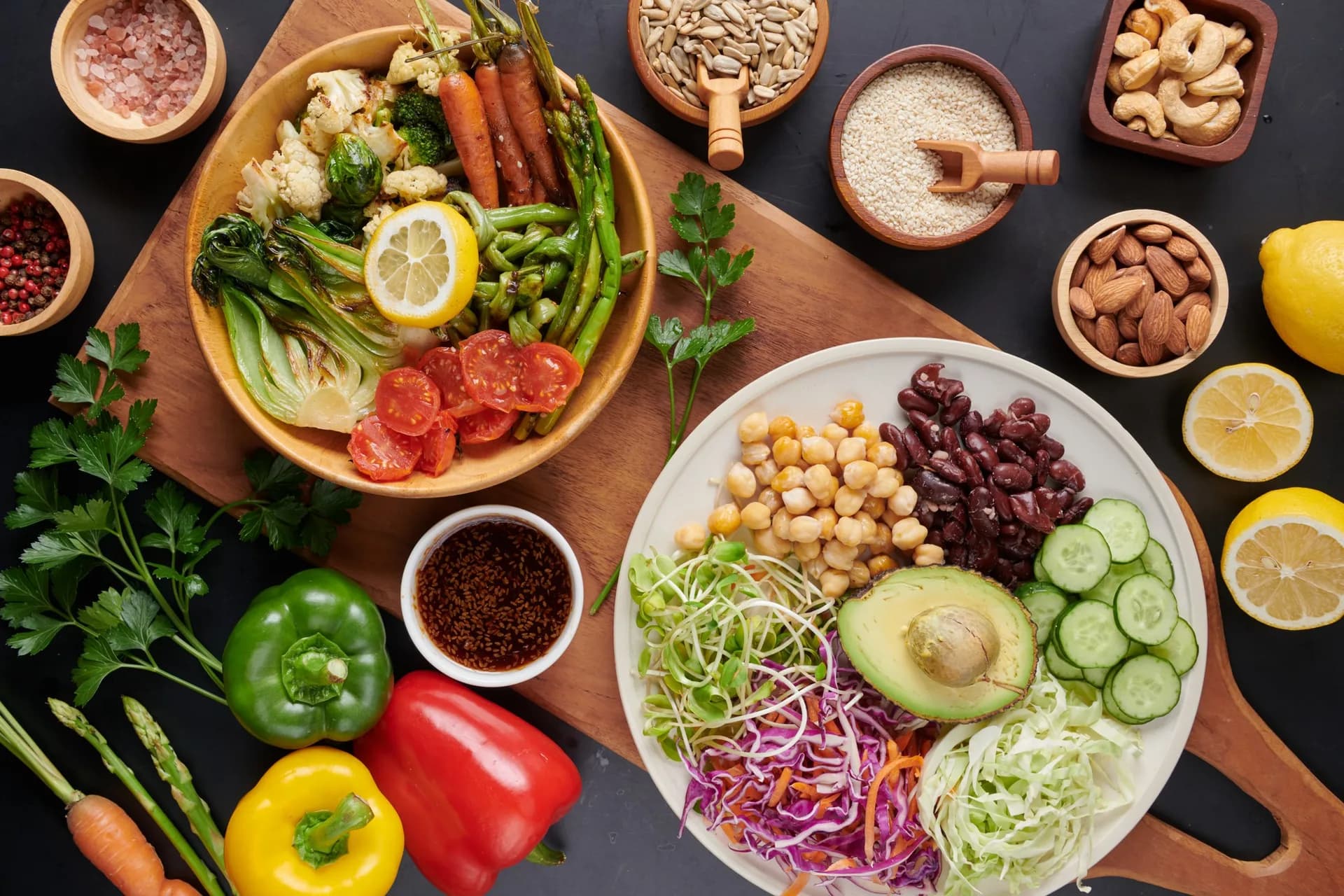
- Egg yolks: One yolk contains approximately 32 mcg of MK-4. Eggs 3–4 times per week provide a modest but meaningful contribution
- Ghee from grass-fed cows: Higher in K2 than ghee from grain-fed cows, though total quantities are modest
- Hard cheese (if consumed): Gouda and Emmental, if accessible, are among the richer cheese sources of K2
- Fermented Indian foods: Some fermented preparations like homemade fermented dals, idli, and dosa batters contain small amounts of K2 from microbial production — not comparable to natto, but a contribution
For most Indians wanting to meaningfully address K2 status, dietary sources alone are insufficient. Supplementation with MK-7 is the practical approach.
The Takeaway for Bone Health
Think of it this way
- Calcium is the raw material for bone
- Vitamin D is the doorman that lets calcium into the body from food
- Vitamin K2 is the traffic director that sends calcium to the right destination — bone, not arteries
All three are needed for the system to work optimally. India has well-documented deficiencies in calcium and vitamin D. The K2 deficiency is less well recognised, but equally real given Indian dietary patterns.
If you are taking calcium and vitamin D for bone health — as many Indian adults are or should be — adding K2 to the protocol is a reasonable and increasingly evidence-supported step.
Bone Health Assessment at Prakash Hospital, Noida
Dr. Mayank Chauhan at Prakash Hospital, Sector 33, Noida, offers comprehensive bone health evaluation including DEXA scanning, nutritional assessment, and guidance on targeted supplementation for patients with osteoporosis, osteopenia, and high fracture risk.
To book a consultation, call the number listed on the website.