Reviewed by Dr. Mayank Chauhan
Nutrition for Recovery After Orthopedic Surgery — What to Eat and Why

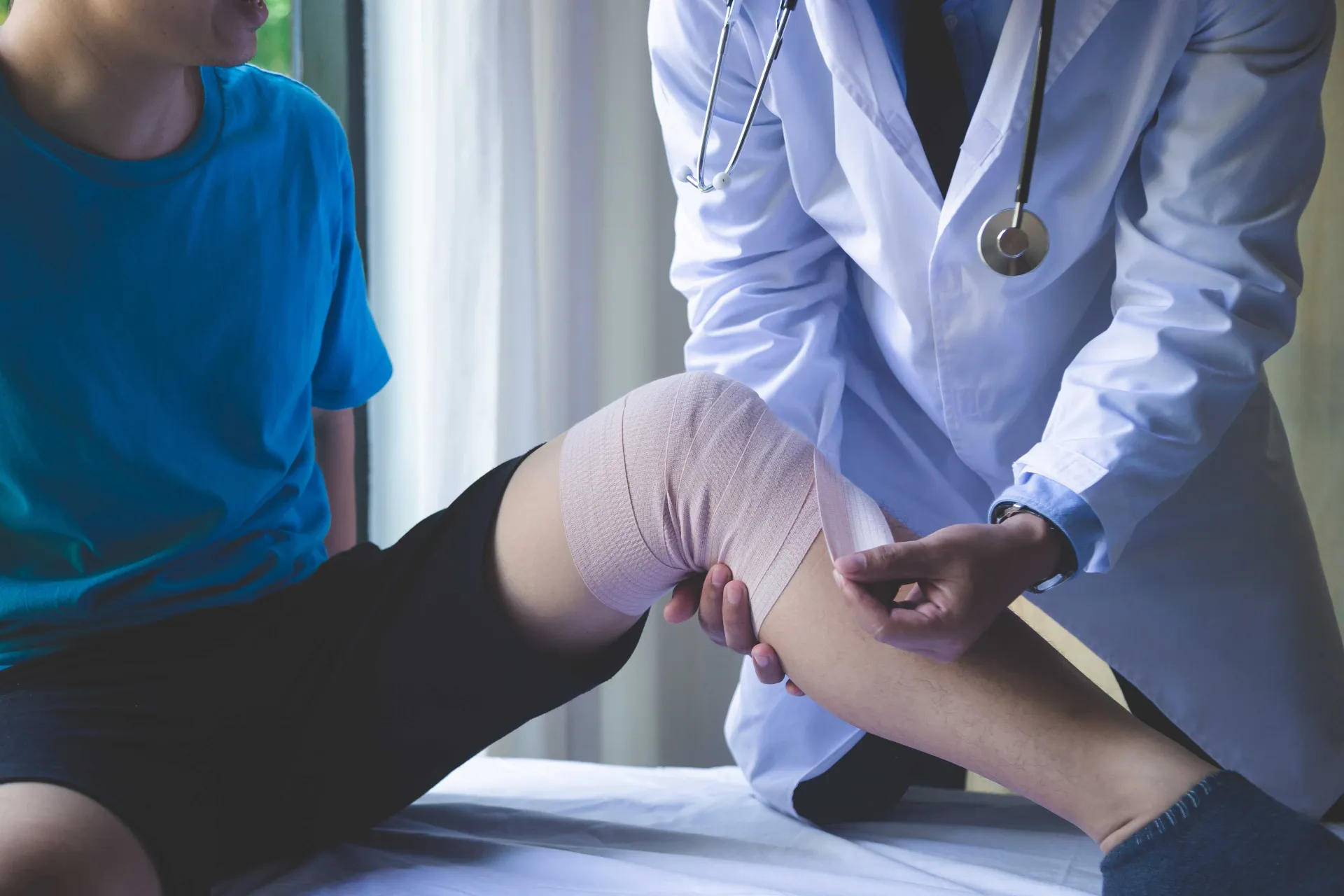
A nurse is helping a patient with a knee brace and a clutch with walking in a physiotherapy room.
After orthopedic surgery, most patients focus on physiotherapy, wound care, and pain management. Nutrition rarely comes up — and when it does, the advice is usually frustratingly vague: "eat well" and "get enough protein."
That's not a plan. It's a gesture.
What you eat in the weeks after joint replacement, fracture fixation, or ligament reconstruction has measurable effects on wound healing speed, muscle preservation, infection risk, and bone regeneration. A 2026 paper in the International Journal of Research in Orthopaedics examining Indian joint replacement patients specifically noted that suboptimal nutritional status significantly increased risk of delayed wound healing, muscle atrophy, and infection — problems that extend hospital stay and worsen outcomes.
This guide gives you specific, actionable nutritional guidance for orthopedic surgery recovery in the Indian context.
Why Surgery Changes Your Nutritional Needs
Orthopedic surgery triggers a physiological stress response. The body interprets it as a significant injury — because it is — and shifts metabolism accordingly.
In the immediate post-operative period:
- Protein breakdown accelerates to provide amino acids for wound healing and immune function
- Energy demands increase — the metabolism of healing tissue requires calories
- Inflammatory cytokines rise, increasing nutrient consumption
- Appetite is typically suppressed by anaesthesia, opioid medication, and the psychological weight of surgery
The consequence is that patients who eat poorly after surgery lose muscle mass faster, heal more slowly, and are more vulnerable to infection than those who are nutritionally prepared and supported.
A 2021 systematic review specifically on orthopedic patients found that protein intakes during rehabilitation of at least 1.6 g/kg/day — and ideally up to 2.0 g/kg/day — optimise muscle preservation and recovery. Most patients eating a normal Indian diet in the first post-operative weeks fall significantly short of this.
Nutrient 1: Protein — The Most Important One
Protein is the building block of every tissue being repaired after surgery: muscle fibres, collagen in tendons and ligaments, the extracellular matrix of healing bone.
How much: 1.2–2.0 g per kilogram of body weight per day during recovery. For a 70 kg person, that's 84–140 g of protein daily — substantially more than the 40–60 g most people consume habitually.
This should be distributed across all meals — not consumed in one sitting. The body can effectively use approximately 25–40 g of protein per meal for muscle synthesis; excess is metabolised for energy.
Best Indian protein sources for post-operative recovery:
- Paneer: ~18 g protein per 100 g. Widely available, easy to prepare in various ways, soft for those with limited appetite
- Dal (all varieties): 7–9 g protein per 100 g cooked. Rajma, chana, and masoor are particularly good
- Curd/dahi: ~3–4 g per 100 ml. Easy to eat in small portions. Also provides calcium and probiotics (useful when on antibiotics post-surgery)
- Eggs: 6 g per egg. One of the most bioavailable protein sources available
- Chicken: ~25 g protein per 100 g. Particularly valuable for patients who eat non-vegetarian food
- Soya: 10–11 g protein per 100 g. Excellent vegetarian source
- Milk: 3 g per 100 ml plus calcium and vitamin D
Protein supplements (whey protein powder) are a practical and evidence-supported way to top up intake when appetite is reduced or solid food isn't easily consumed in the first week.
Nutrient 2: Calcium and Vitamin D — Bone Integrity
For fracture patients and joint replacement patients, calcium and vitamin D remain critical throughout recovery.
Calcium (1,000–1,200 mg daily): Needed continuously for bone mineralisation. In fracture patients, adequate calcium intake directly supports callus formation and bone regeneration. In joint replacement patients, calcium preserves the bone stock that anchors the implant.
Indian food sources: ragi (350 mg per 100 g), milk (240 mg per 200 ml), curd (120 mg per 100 g), sesame seeds (88 mg per tablespoon), moringa leaves (185 mg per 100 g).
Vitamin D (target blood levels 40–60 ng/mL): Enables calcium absorption. Most Indian patients, as discussed in the vitamin D blog, are deficient. Post-operative patients who are bedridden or housebound for weeks are at particular risk of further decline. Supplementation should be confirmed and maintained throughout recovery.
Nutrient 3: Vitamin C — Collagen and Wound Healing
Collagen is the protein that forms the structural framework of skin, tendons, ligaments, and bone. The body cannot make collagen without vitamin C. After surgery — where collagen synthesis is in overdrive for wound healing and tissue repair — vitamin C needs increase.
Target: 75–100 mg daily minimum; some post-surgical protocols use 200–500 mg during the active healing phase.
Indian sources: Amla (the richest source in Indian diet — one fresh amla provides ~600 mg), guava, citrus fruits (orange, sweet lime), raw tomato, bell peppers, and freshly prepared lemon water.
Cooking destroys much of the vitamin C in food, so raw or minimally cooked fruit sources are more effective than cooked vegetables.
Nutrient 4: Zinc — Immune Function and Tissue Repair
Zinc is essential for immune cell function, wound healing, and cell division during tissue repair. Deficiency is associated with impaired wound healing and increased infection risk.
Indian sources: Meat, eggs, legumes (chana, rajma), pumpkin seeds, sesame seeds, whole grains, nuts.
Note that phytates in whole grains reduce zinc absorption — soaking and sprouting grains and pulses improves bioavailability.
Nutrient 5: Iron — Correcting Surgical Blood Loss
Joint replacement surgery involves blood loss, even when managed well with cell salvage and tranexamic acid. Iron deficiency after surgery impairs oxygen delivery to healing tissue, slows red blood cell regeneration, and contributes to fatigue — the persistent tiredness many patients experience for weeks post-operatively.
Sources: Red meat and chicken liver are the most bioavailable. Vegetarian sources — rajma, chana, spinach, garden cress seeds (halim) — are plentiful but less efficiently absorbed. Consuming vitamin C alongside iron-rich plant foods significantly improves absorption.
Many patients are asked to start oral iron supplementation pre-operatively. Continuing it post-operatively is often appropriate, particularly when there has been significant blood loss.
What to Eat: Practical Indian Post-Surgical Meal Plan
Week 1 (appetite usually poor, focus on easy-to-eat nutrient-dense foods):
Breakfast: Ragi porridge with milk + boiled egg or paneer scramble
Mid-morning: Fresh fruit (amla/guava for vitamin C) + yogurt with sunflower seeds
Lunch: Dal + rice or soft roti + curd + a cooked vegetable
Evening: Warm milk + a small portion of paneer or cheese
Dinner: Chicken or dal + soft sabzi + curd
Hydration: 2–2.5 litres of water daily. Adequate hydration is essential for kidney function (particularly while on pain medication), bowel regularity (constipation is common after surgery due to opioids), and wound healing.
Week 2–6 (rehabilitation phase, building protein intake further):
The goal shifts to supporting active physiotherapy — muscle repair, strength rebuilding. Protein intake should be at the higher end (1.6–2.0 g/kg/day).
Add: sprouts, soya, paneer at every meal, eggs, and whey protein supplementation if dietary intake is insufficient.
What to Avoid
Refined sugar and ultra-processed foods: These increase systemic inflammation, which counteracts the body's healing process. Indian sweets, packaged biscuits, white bread, and sugary drinks should be minimised.
Excess salt: Post-surgical oedema (swelling) is worsened by high sodium intake. Avoid adding extra salt and reduce pickles, papads, and processed snacks.
Alcohol: Impairs wound healing, increases bleeding risk, interacts with pain medications, and suppresses immune function. Avoid during the acute recovery phase (minimum 4–6 weeks).
Smoking: Dramatically impairs wound healing and bone consolidation. Nicotine constricts blood vessels supplying healing tissue. Fracture patients who smoke heal more slowly, with higher complication rates.
Special Considerations for Indian Patients
Vegetarian diet: Can fully meet all nutritional needs with careful planning. Dal at every meal, paneer regularly, ragi incorporated into daily food, eggs (for those who consume them), and supplemental protein powder where needed. Vitamin B12 supplementation is advisable for strict vegetarians, as B12 supports nerve function and is absent in plant foods.
Diabetic patients: Blood sugar control is particularly important after orthopedic surgery. Elevated blood glucose impairs immune function and wound healing, and significantly increases infection risk in joint replacement patients. Coordinate with your physician to adjust medication as needed during the recovery period, particularly if appetite and food intake are variable.
Dr. Mayank Chauhan at Prakash Hospital, Noida
At Prakash Hospital, Sector 33, Noida, post-operative nutritional guidance is part of Dr. Mayank Chauhan's comprehensive patient care — alongside physiotherapy planning, pain management, and wound care.
To book a consultation, call the number listed on the website.