Reviewed by Dr. Mayank Chauhan
How to Lower Uric Acid Naturally: What Actually Works and What Doesn't
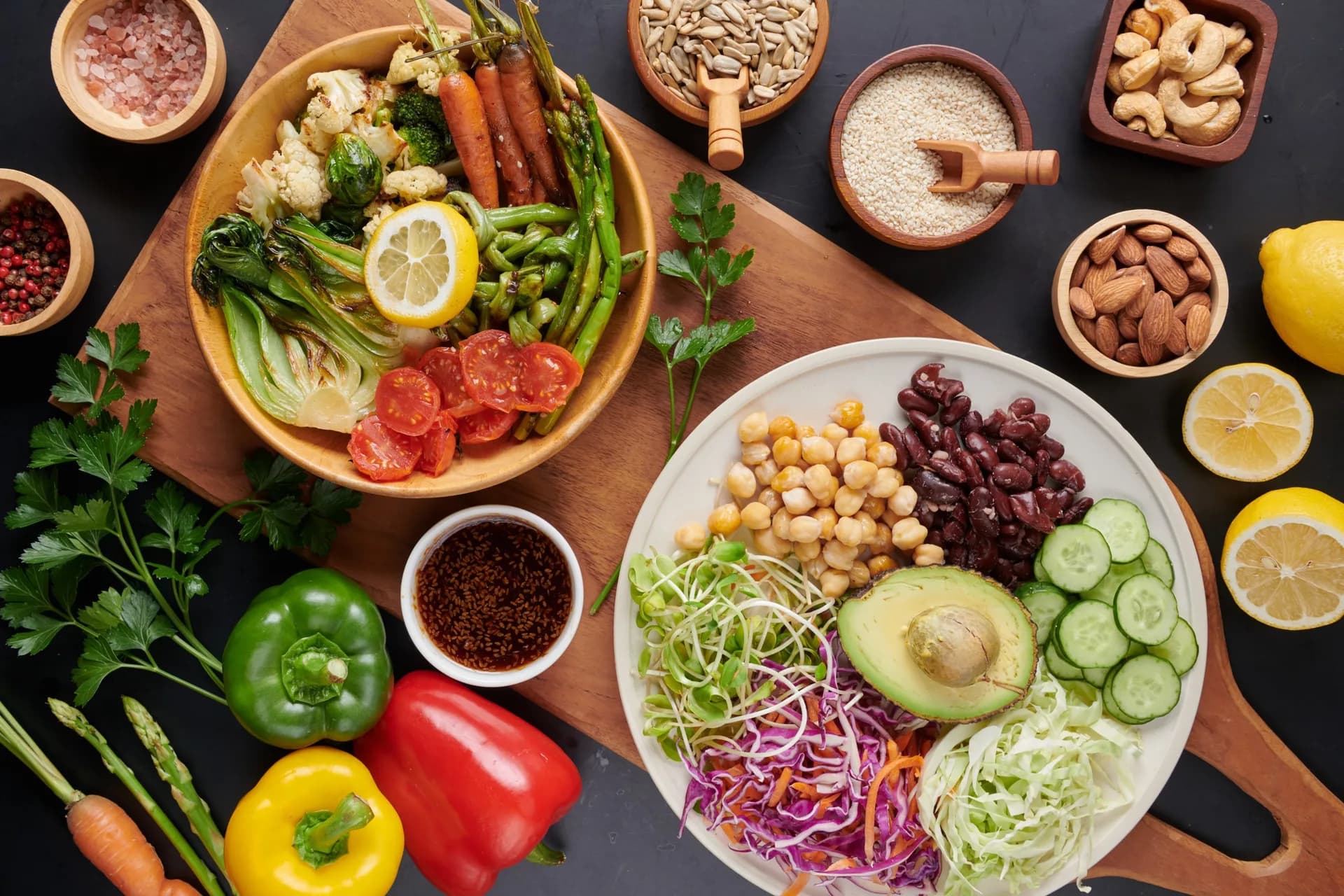
Water, steady weight loss and fewer sugary drinks do more for uric acid than any single food.
Type "uric acid" into a search bar and you get a wall of advice. Drink this juice. Stop eating that dal. Chew these leaves every morning. Half of it contradicts the other half, and a fair amount is simply wrong.
This is a problem because high uric acid is common, and the people searching for answers are often in pain or worried about the next flare. Some of it helps. A lot of it does not, and one or two popular fixes can do harm. Here is what is actually backed by evidence, and where diet stops being enough.
What uric acid is and why it rises
Uric acid is a waste product. Your body makes it when it breaks down purines, which are found in your own cells and in many foods. The kidneys filter most of it out through urine, and the gut removes a bit too.
Levels rise for two broad reasons: the body makes too much, or the kidneys do not clear enough. In most people, the second reason is the bigger one, and genetics play a major role. That is why two people can eat the same diet and have very different uric acid levels.
What counts as "high"
Laboratories give their own reference ranges, and they differ slightly between men and women. As a rough guide, levels above about 6 to 7 mg/dL are generally considered high. For people who have gout, doctors usually aim to bring the level below 6 mg/dL. Your lab report and your doctor's interpretation matter more than a general number. Our article on normal uric acid levels by age and gender covers the ranges in more detail.
Does high uric acid always cause problems?
No. Many people have a raised level and never get gout. A high number with no symptoms is not always treated with medicine. But it deserves attention, because high uric acid is linked to gout, kidney stones, kidney disease and a cluster of metabolic problems such as high blood pressure, diabetes and extra weight.
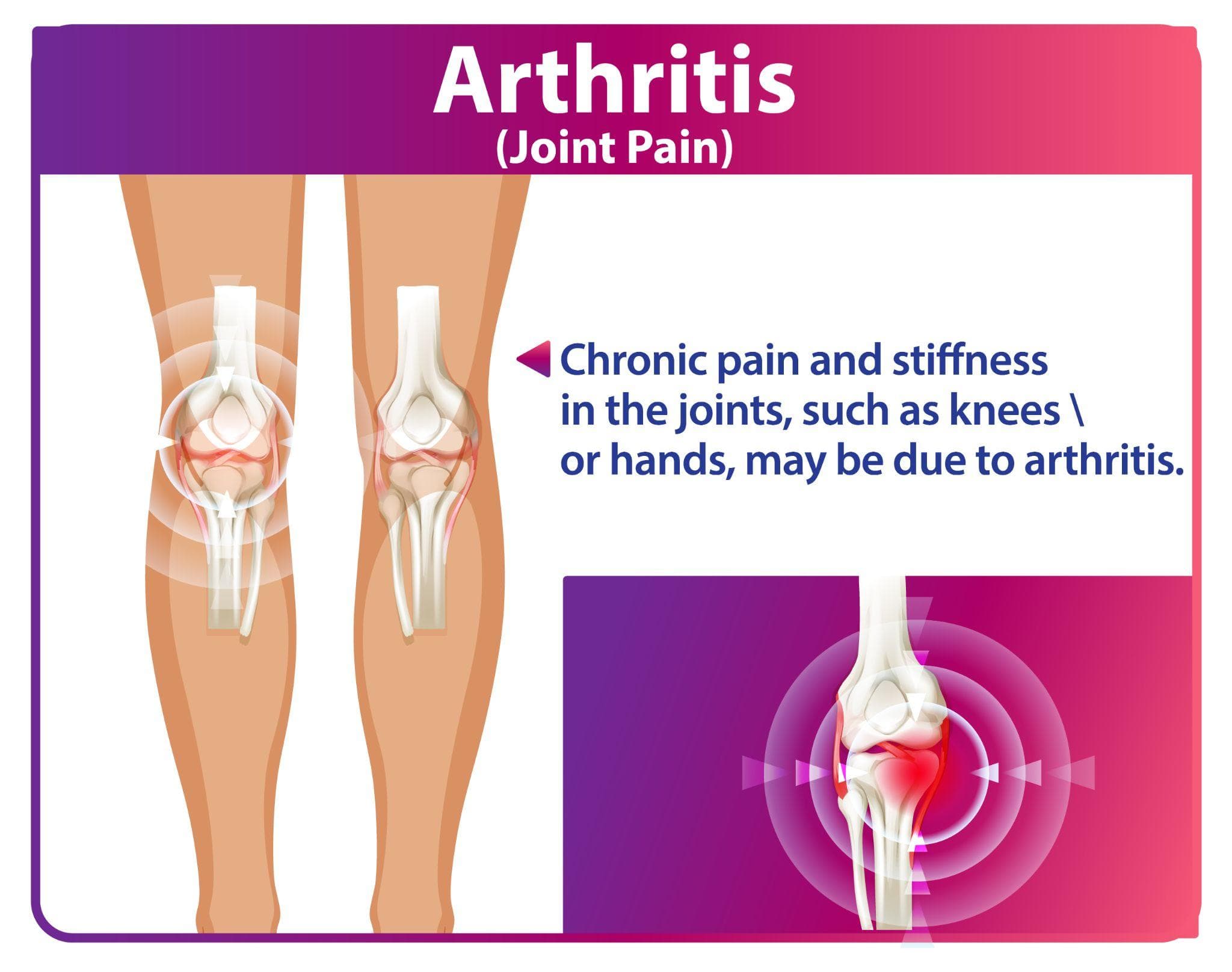
Typical signs that uric acid has become a joint problem are sudden, severe pain, redness and swelling in a single joint, most often the big toe. If that sounds familiar, read our guide on gout symptoms.
What actually lowers uric acid
1. Drink more water
This is the simplest step and one of the most useful. Water helps the kidneys flush out uric acid and reduces the chance of crystals forming in the urine or joints. Dehydration, especially in hot weather or after sweating, is a common trigger for flares.
A practical target for most adults is enough water that your urine stays pale yellow. If you have heart, kidney or liver disease, check with your doctor about how much fluid is right for you.
2. Lose weight, slowly
Extra body weight raises uric acid, and losing it brings it down. Even a modest loss can make a difference. The word that matters is "slowly". Crash diets, prolonged fasting and very low carbohydrate plans can push uric acid up in the short term and trigger attacks.
Aim for steady weight loss through a calorie deficit you can sustain, combined with regular activity.
3. Cut back on alcohol, especially beer
Alcohol increases uric acid production and reduces the kidneys' ability to remove it. Beer is the worst offender because it also contains purines. Spirits are next. Moderate wine intake has a weaker link. If you have gout or repeated flares, the safest approach is to stop or sharply limit alcohol.
4. Reduce sugary drinks
Fructose, the sugar in soft drinks, packaged fruit juices and many sweetened beverages, drives uric acid up. That includes the sugar in some energy drinks and mixers. Cutting these out often helps more than people expect. Whole fruit is a different matter and is generally fine in sensible amounts.
5. Choose your protein sources wisely
Foods high in purines raise uric acid in many people:
- Organ meats such as liver, kidney and brain
- Red meat, especially mutton
- Shellfish, sardines, anchovies and mackerel
- Meat extracts and rich gravies
You do not need to give up all meat. For most people, smaller portions and less frequent servings work better than a total ban. Chicken and eggs are moderate.
6. Add low fat dairy
Several studies link low fat milk and curd with lower uric acid and fewer gout attacks. Dairy proteins appear to help the kidneys clear uric acid. A glass of low fat milk or a bowl of plain curd each day is an easy habit to build, if you tolerate dairy.
7. Eat more vegetables, whole grains and fibre
A diet rich in vegetables, whole grains and fibre supports weight control and metabolic health. It also keeps your overall diet lower in meat and refined foods.
8. Keep active
Regular moderate exercise, such as brisk walking, cycling or swimming, helps with weight and insulin sensitivity. Insulin resistance reduces the kidneys' ability to excrete uric acid. Very intense or sudden exercise in someone who is unfit can briefly raise uric acid and trigger a flare, so build up gradually.
Common Indian foods and uric acid
Indian kitchens raise a lot of questions.
Dal and legumes. Many people are told to avoid dal, rajma and chana entirely. Plant sources of purines do not seem to carry the same risk for gout as meat and seafood. Dal is a major protein source for vegetarians, and cutting it out can leave you short of protein. Eat it in sensible portions unless your doctor has advised otherwise.
Spinach, mushrooms, cauliflower and peas. These contain moderate purines but have not been linked to more gout attacks. There is generally no need to avoid them.
Paneer and milk. Low fat dairy appears protective. Paneer is higher in fat, so keep portions reasonable.
Mutton, organ meats and seafood. These deserve the most caution. Rich preparations like paaya and kaleji are best kept for rare occasions, or avoided if you get frequent attacks.
Sweets, mithai and cold drinks. Festival season is a repeating setup for flares. Heavy sweets, sugary drinks, alcohol and rich food in one day add up.
Besan, maida and fried snacks. They do not raise uric acid directly, but they contribute to weight gain and metabolic problems.
Home remedies: what holds up and what does not
This is where a lot of confusion lives.
Cherries and cherry juice
Some research suggests cherries may lower the risk of gout attacks, but the effect is modest, and it is not a replacement for treatment. Whole fruit is a better choice than sweetened juice.
Vitamin C
Studies show a small drop in uric acid with vitamin C supplements. The effect is modest, and it is not enough on its own to treat gout. Eating fruit and vegetables rich in vitamin C is a sensible habit. High dose supplements can contribute to kidney stones in some people, so avoid megadoses.
Lemon water
Lemon water counts toward your fluid intake, which helps. The claim that it dissolves uric acid crystals is not supported by evidence. Do not rely on it for treatment.
Apple cider vinegar
There is not enough good evidence that it lowers uric acid. It can irritate the stomach and teeth. It is not a proven remedy.
Baking soda
Sodium bicarbonate makes urine less acidic, but taking it on your own can disturb your body's salt balance and raise blood pressure. Use it only under medical advice.
Giloy, karela, methi seeds, amla and similar herbal remedies
Many of these are popular, but good quality evidence for lowering uric acid is limited. Some herbal preparations can also affect the liver or kidneys, or interact with other medicines. If you want to use a herbal product, tell your doctor first.
Coffee
Regular coffee drinking has been associated with lower uric acid in some studies. This is not a reason to start drinking coffee if you do not already, but there is no need to cut it out.
The pattern is clear. Water, weight loss, less alcohol, fewer sugary drinks and a balanced diet have real support. Single "miracle" foods usually do not.
Medicines you should not start on your own
Diet and lifestyle can lower uric acid, but often only by a limited amount. For many people with gout, the level cannot be brought down far enough through food alone, because the body's own production and kidney clearance are largely genetic.
Doctors typically recommend uric acid lowering medicine, such as allopurinol or febuxostat, when:
- You have two or more gout attacks in a year
- You have tophi (hard lumps of urate crystals under the skin)
- You have kidney stones or chronic kidney disease
- Imaging shows joint damage from gout
The medicine is taken for the long term, the dose is adjusted by blood tests, and it is not meant for a short course during a flare. Starting it in the middle of a painful attack or stopping it when you feel better can cause problems. It is a decision to make with a doctor who will monitor your kidneys and liver.
The treat-to-target idea
Current gout guidelines favour a treat to target approach, where the aim is a blood uric acid below about 6 mg/dL. At that level, crystals gradually dissolve, attacks become less frequent and joint damage slows. This is why regular blood tests matter more than guessing based on how your joints feel.
What a sensible day could look like
A normal Indian day could look something like this. It is an illustration, not a personal diet plan.
- On waking: a glass of water.
- Breakfast: vegetable poha or upma, or a wholegrain roti with curd. Low fat milk or tea without too much sugar.
- Mid morning: a fruit.
- Lunch: roti or rice in moderate portions, dal or sabzi, salad, and a bowl of curd.
- Evening: roasted chana or nuts. Plain water, not a cold drink.
- Dinner: lighter, early if possible, with vegetables and a modest portion of protein such as dal, paneer, eggs or chicken.
- Through the day: water, at regular intervals.
- Exercise: a brisk 30 to 40 minute walk most days.
If you have diabetes, kidney disease or other conditions, your diet needs to take those into account as well. A dietitian can tailor a plan.
Who should get tested
Consider a blood test for uric acid, along with kidney function, if you:
- Have had a sudden, painful, swollen joint
- Have a family history of gout or kidney stones
- Are overweight, or have diabetes, high blood pressure or high cholesterol
- Take water tablets (diuretics) or low dose aspirin
- Have recurrent kidney stones
A test on its own does not make a diagnosis, and a single result should always be read alongside symptoms.
Signs it is time to see a doctor
- A joint that is suddenly hot, red, swollen and very painful
- Pain in a joint with fever
- Repeated flares despite diet changes
- Lumps near your joints
- Persistent joint stiffness or reduced movement
- Kidney stone symptoms such as severe pain in the side or back
Uric acid and joint care in Noida
Lowering uric acid is partly about food, and partly about knowing whether your joints are already affected. If you have joint pain along with raised uric acid, an orthopedic examination can tell you whether gout is the cause, and plan the next steps.
Dr. Mayank Chauhan is a senior orthopedic surgeon at Prakash Hospital, D-12A/12B, Sector 33, Noida, next to the ISKCON Temple. He has more than 15 years of experience, trained at Maulana Azad Medical College, Delhi, and completed an arthroplasty fellowship at Hallym University Hospital in South Korea. The hospital works with CGHS, ECHS, ESI and major insurers.
OPD hours are Monday to Saturday, 10 AM to 8 PM, and Sunday, 10 AM to 2 PM.
To book a consultation, call the number listed on the website.
This article is for general information. Please do not start, stop or change medicines without medical advice.