Sports Injuries: When Should You See An Orthopedic Specialist?
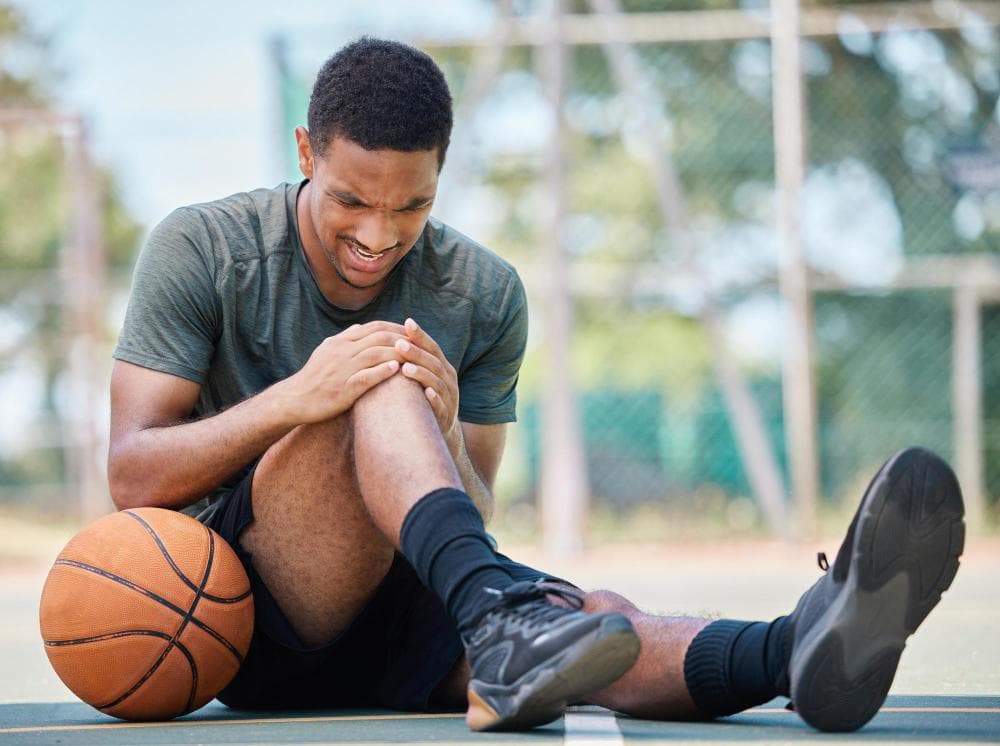
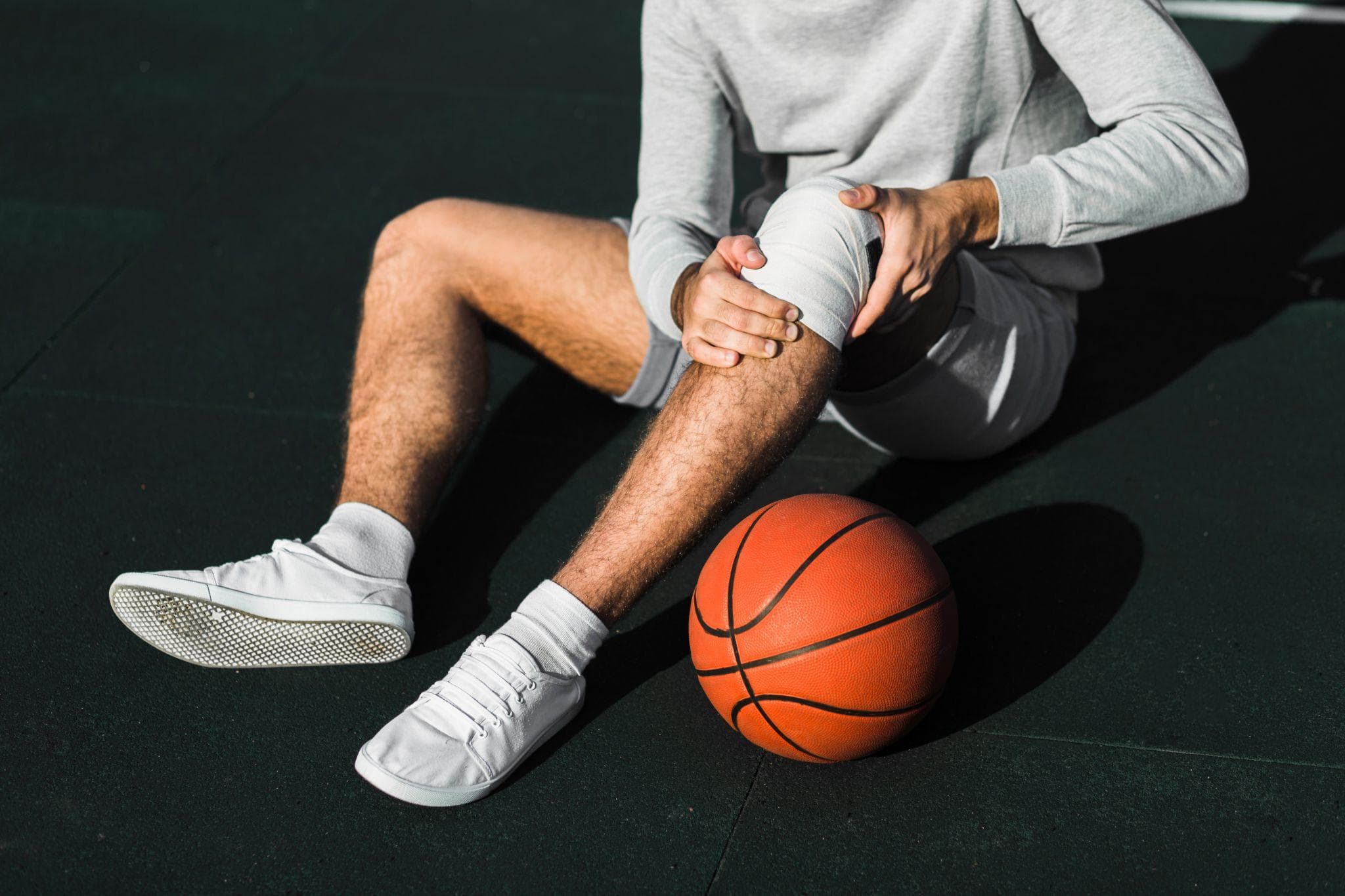
A young man holds his knee in pain while sitting on a basketball court.
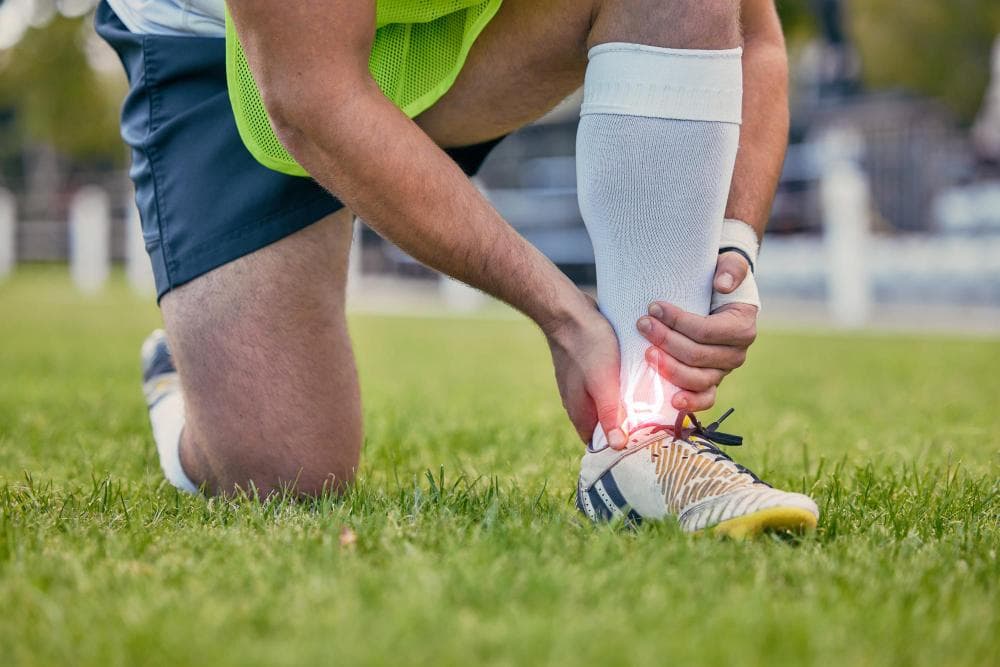
Sports injuries affect athletes at all levels, professional and recreational. Oftentimes, individuals ignore the pain, hoping it will simply disappear. Usually it does. But some sports injuries are more complicated than this.
A minor strain can lead to a more severe injury if it's neglected. The human body provides clear signals when it has sustained an injury; the challenge is determining when it’s necessary to stop waiting for it to heal and have it examined.
In this guide, we will discuss what a sports injury is, its effect on the human body, and in what situations it’s necessary to seek professional help from an orthopedic doctor.
What Are Sports Injuries?
A sports injury is defined as an injury that is suffered as a result of taking part in exercise, sport, or any physical activity. Sports injuries occur to the musculature, skeletal system, or ligaments.
Sports injuries are caused either traumatically (eg, falls or twisted joints) or are the result of an accumulation of microscopic damage to tissues (overuse injuries). Sports injuries can cause pain, restricted movement, and often interfere with everyday life if not managed effectively.
Common Types Of Sports Injuries
Sports injuries can occur in several ways, depending on the sporting activity and pressure on the body:
1. Sprains And Strains
This refers to stretched or torn ligaments (sprains) or muscles and tendons (strains). These types of injuries are very common sports injuries during sudden movements.
2. Ligament Injuries (ACL, PCL)
These injuries tend to be more severe and usually occur in ligaments surrounding the knee joint as a result of twisting the joint or impact.
3. Tendon injuries (Tendonitis)
A tendon can become inflamed by overuse of a joint, causing pain and stiffness in an area, such as the shoulder, elbow, or achilles tendon.
4. Fractures And Dislocations
High-impact sports can cause a break in a bone or cause a joint to be thrown out of place. These injuries will require urgent medical attention.
Should the patient suffer from any of these injuries and continue to experience pain, seeking an early and accurate diagnosis is crucial. For experienced assessment and sophisticated orthopedic treatment, visit Dr. Mayank Chauhan in Noida is ideal to receive an accurate diagnosis and swift treatment to resume an active lifestyle safely.
Signs That You Should See An Orthopedic Specialist
While resting, applying ice and simple home remedies often suffice to resolve aches, certain signals clearly tell us when something is seriously wrong, and the injury is far more significant than mere transient pain. Usually, our bodies attempt to warn us, and we would do well to heed these warnings, lest we find ourselves with a lifelong problem on our hands. The following will hopefully enable us to identify those signs:
1. Lingering Or Recurrent Pain
Pain is an obvious warning signal from our body, but the kind that does not resolve within a few days or the one that tends to keep coming back even after seeming to subside, is an indication that a healing process is not going well.
This symptom could imply some degree of muscle tears, ligament injury, or even a stress fracture, but not an easily remediable ache, as the pain is exacerbated by the slightest movement and even after long rests would resurface, interfering with sleep.
2. Swelling And Inflammation
The body often reacts to injury with swelling, but when this does not seem to decrease with time, or it actually increases with activity, it suggests that there is an underlying trauma. An inflamed joint, which can be brought on by a ligament tear, a broken bone, or joint trauma, will have the telltale signs of
- Swelling that persists for days.
- Feels warm, and at times reddens to a high degree.
- Causes increased tightness and pressure within the joint.
If left unchecked, it will merely postpone a return to former functionality.
3. Restricted Movement
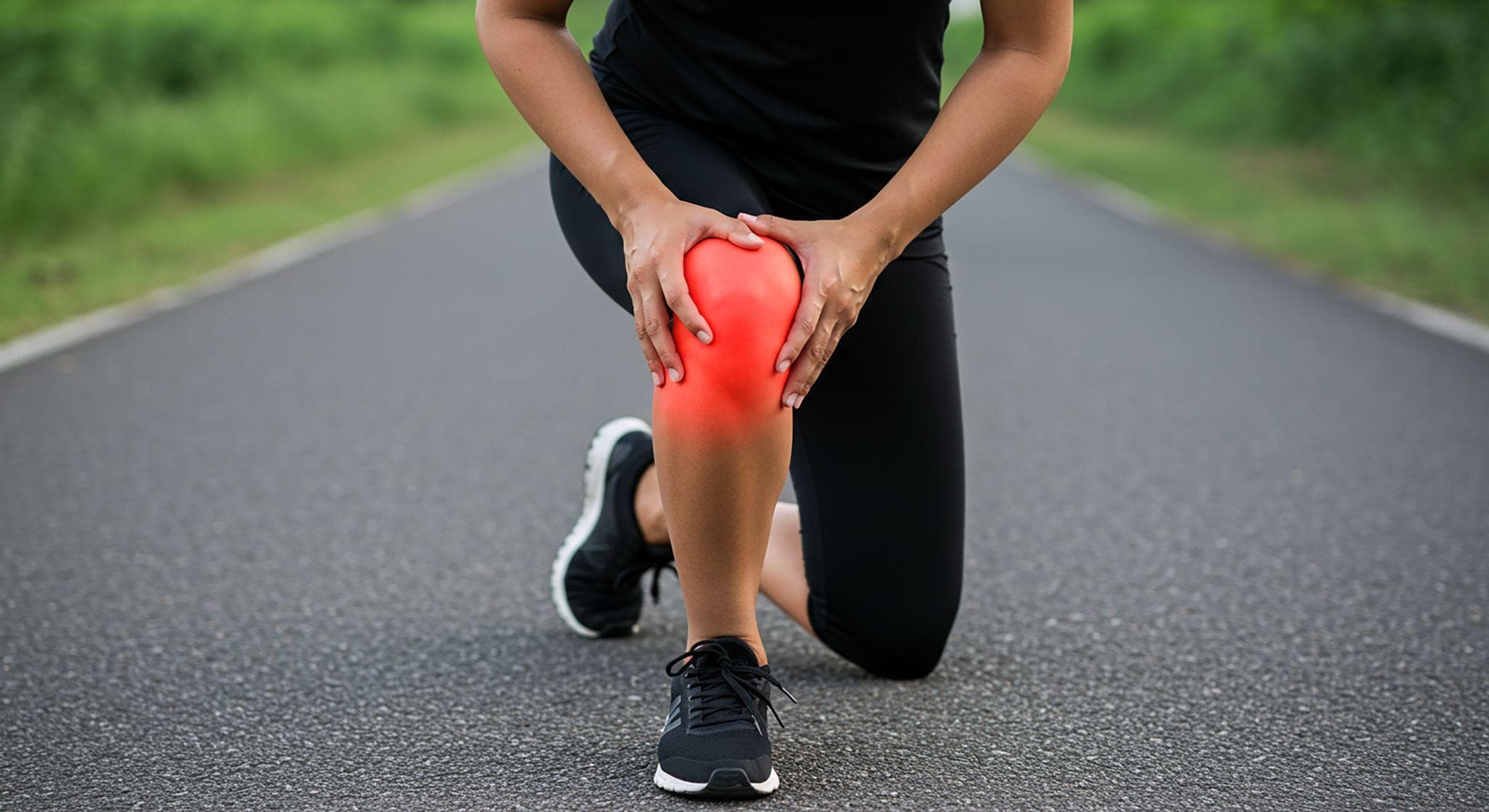
A young woman rests while catching her breath after a run.
Limited mobility that one can feel when one attempts to bend, stretch, or rotate a body part signifies stiffness and internal swelling that restricts movement in a particular joint. A noticeable decrease in range of motion may mean that one has suffered from joint injury or a torn ligament, and the limited mobility would prevent performing daily routines such as:
- Walking
- Lifting objects
- Performing sports
The condition can worsen if the problem is not addressed.
4. Instability
The feeling of a weak and wobbly joint that constantly threatens to buckle is usually a direct result of a damaged ligament or a joint that has become misaligned. Such symptoms often occur in ankle, knee, or shoulder injuries.
The sufferer will find themselves off-balance most of the time and might not even be able to sustain their position, especially after exertion or strain. Without prompt treatment of the symptoms, there is a risk of recurrent injuries occurring in the joint.
5. Difficulty In Bearing Weight
Pain is exacerbated upon bearing weight on an affected limb. Fractures, serious sprains, or ligament tears could cause significant discomfort upon simply standing or walking; this means that one is unable to bear their own weight on the limb, which in turn forces other parts of the body into unnatural positions of strain. It is a grave symptom that calls for immediate orthopedic examination lest further injury is sustained.
6. Visible Deformity
If one notes any changes in shape or structure within the joints or bones, it is best to attend to these as immediately as possible, as it could mean the damage is extensive and potentially irreversible.
Common effects would be distorted angles within limbs, the bone actually breaking out of its socket, and unusual degrees of swelling. The body would surely signal distress through considerable pain if a broken bone or displaced joint is evident, and we should not neglect its call.
7. Numbness Or Tingling Sensation
If one is experiencing the dreaded 'pins and needles' feeling, or a sense of loss of feeling altogether, it may be that nerves have been compressed by swollen joints or injured tissues. This symptom must not be neglected, particularly if it spreads, is felt simultaneously with loss of motor control, or persists. Nerve injuries may develop long-term complications if left unattended.
8. Lack Of Improvement From Simple Care
If simple home care methods fail to reduce symptoms over a considerable time frame and nothing seems to bring relief, it suggests the injury needs the intervention of a specialist. Continually treating an underlying condition at home can cause a delay in treatment, worsen the injury, and result in long-term suffering from chronic pain or immobility.
The Importance Of Early Diagnosis
If a sports injury is not correctly dealt with, over time, it will gradually get worse. Something that began as a relatively minor pain could progress to become a chronic problem. Early diagnosis can prevent:
- Further damage
- Long recovery times
- Long-term health problems
It allows you to return to your usual activities more quickly, and the correct treatment given at the appropriate time can be extremely beneficial to recovery.
Sports Injury Treatments
Treatment is specific to the location and the extent of the injury.
- Rest And Activity Modification: It takes strain off the injured region to promote healing and prevent further damage.
- Physiotherapy: Restores strength, mobility, and flexibility through guided exercises.
- Medication: Use of pain relief medication or anti-inflammatory medication is appropriate for short-term pain management.
- Bracing Or Supports: Provides joint support and helps to limit unwanted movement through the recovery process.
- Surgery: Appropriate for cases such as a complete ligament rupture or fracture.
When To Consult An Orthopedic Specialist Immediately
The following circumstances should not be overlooked:
- Serious injury with pain.
- When you can't move a joint.
- Quick swelling of the area.
- You may have heard a "pop" at the time of injury.
- Lack of sensation and muscle weakness.
- If you suspect a fracture or dislocation.
These circumstances could lead to a more serious injury, and an orthopedic specialist is needed urgently.
Preventing Sports Injuries
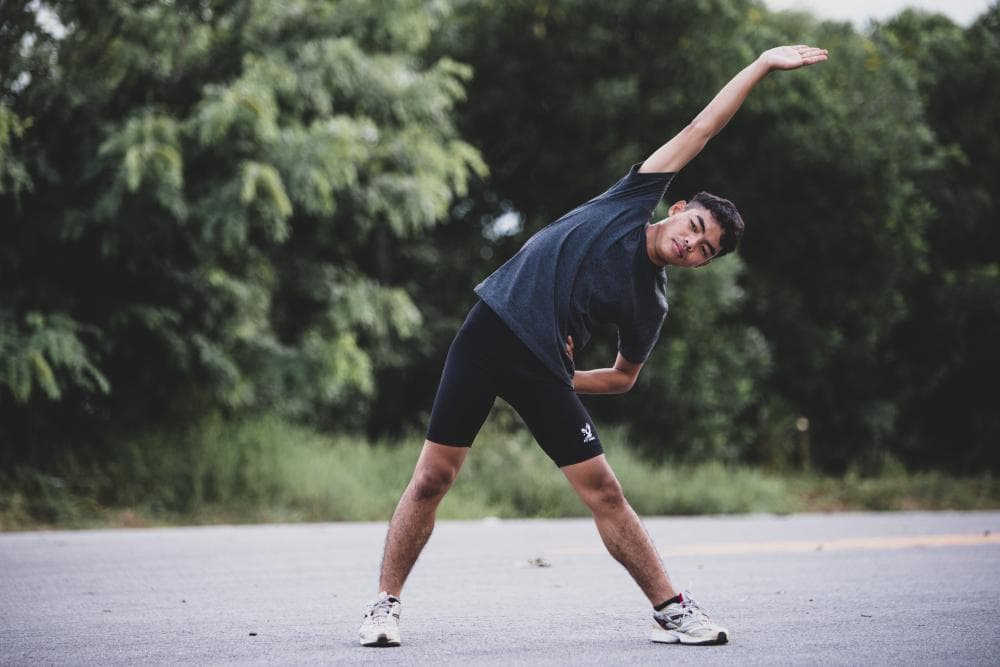
A young man is stretching to the side while exercising outdoors.
There are steps you can take to help avoid many sports injuries, although none can be fully eliminated:
- Warm up and stretch properly.
- Ensure correct use of the correct technique when participating in the activity.
- Wear protective equipment.
- Avoid overexertion or training excessively.
- Ensure muscles are kept strong at all times.
Final Thoughts
Sports injuries can be more serious than they initially appear. Disregarding the pain caused by your body and pushing through that discomfort will ultimately cause a bigger problem later down the line. Your body typically indicates that something isn't right at times, and you should be taking heed of these indications. Knowing when to consult an orthopedic doctor can prevent complications from arising, help with a faster recuperation process, and get you back into a more active routine.
For the right diagnosis and best orthopedic care, visit Dr. Mayank Chauhan in Noida to ensure that you receive a proper course of treatment. With accurate diagnosis and up-to-date orthopedic care, it simply means less pain for the patient, a return to activity, and movement without discomfort.
Frequently Asked Questions (FAQs)
What kinds of sports injuries need to be treated by an orthopedic specialist?
If any signs of pain, swelling, or stiffness last more than a few days, a specialist visit may be necessary.
Will a mild sports injury get better on its own?
A very minor injury may improve on its own, but if symptoms persist, a specialist visit may be warranted.
Should I keep participating in sports if my joint is hurting?
No, continuing the sport when pain is present can result in further injury to the joint.
What could happen to my sports injury if it is not treated?
Leaving a sports injury untreated could have implications in the future, such as long-term pain and limited mobility.