Sports Injuries In Noida - Types, Treatment, And What Recovery Actually Looks Like
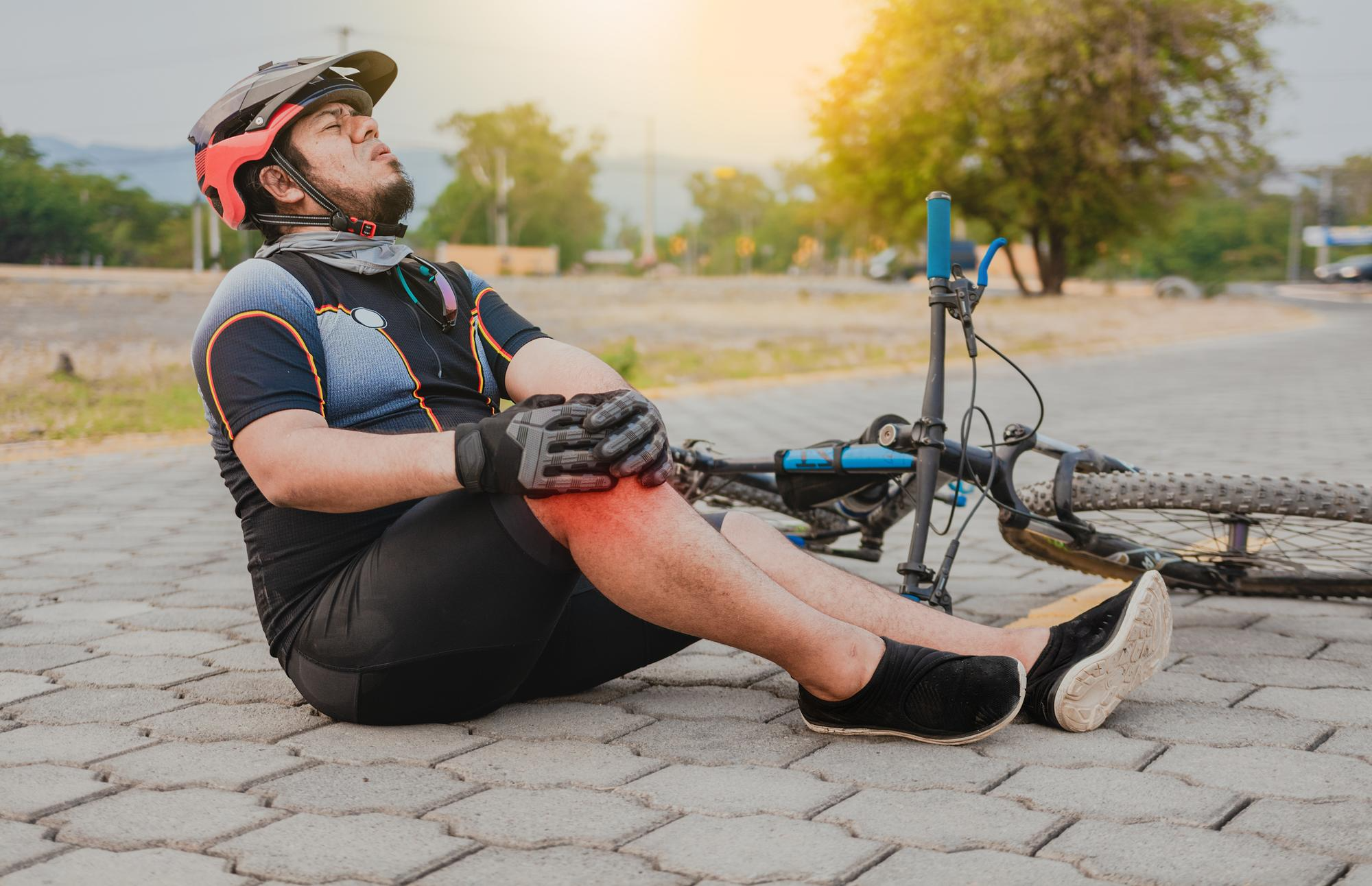
An athlete with a knee injury, illustrating the need for expert care after sports injuries or sudden joint pain.
Noida is no longer just a corporate city. The last five years have seen a remarkable shift in gyms in every sector, half-marathon events filling Botanical Garden stretches, badminton courts booked weeks in advance, cricket nets that go into evening hours, and an entire generation of young professionals who take fitness seriously.
With that, physical activity has led to an inevitable rise in sports injuries. And with those injuries has come a problem: a lot of patients in Noida don't know who to see, when to see them, or what to do in the days immediately following an injury. They wait too long. They self-treat incorrectly. They return to sport before they're ready. Or they panic unnecessarily and think every sports injury requires surgery.
This guide covers the most common sports injuries seen at orthopedic clinics in Noida and Greater Noida, what they are, how they're treated, and what realistic recovery looks like.
What Is Sports Medicine?
Sports medicine is a subspecialty of orthopedics focused on the prevention, diagnosis, treatment, and rehabilitation of injuries related to physical activity and sport. It applies to professional athletes, recreational players, gym-goers, and anyone whose injury happened during or as a result of physical activity. The goals of sports medicine are not just to treat the injury, but to understand why it happened, to rehabilitate properly so the athlete returns stronger than before, and to prevent recurrence.
Sports medicine conditions range from acute injuries (something that happened suddenly, a tear, a dislocation, a fracture) to chronic or overuse conditions (something that developed gradually from repetitive stress tendinitis, stress fractures, impingement syndromes).
Immediate First Aid - RICE And POLICE
Before getting into specific injuries, every active person in Noida should know what to do in the first minutes and hours after a sports injury.
The traditional protocol is RICE:
- Rest - Stop the activity immediately. Don't "run it off."
- Ice - Apply ice wrapped in cloth for 15–20 minutes every 2 hours. Do not apply ice directly to skin.
- Compression - Wrap the area with a compression bandage to reduce swelling.
- Elevation - Keep the injured area raised above heart level.
The updated protocol, now preferred in sports medicine, is POLICE:
- Protection - Protect from further injury (brace, splint, avoiding weight-bearing if needed)
- Optimal Loading - Gentle early movement (as opposed to complete rest), guided by pain
- Ice - As above
- Compression - As above
- Elevation - As above
The shift from RICE to POLICE reflects the evidence that complete rest actually slows recovery for most soft tissue injuries. Gentle, pain-guided movement starts the healing process faster.
Common Sports Injuries In Noida - Complete Guide
Sports injuries are common among athletes and fitness enthusiasts in Noida, ranging from sprains and ligament tears to fractures and muscle strains caused by overuse, improper technique, or sudden impact.
1. ACL Tear (Anterior Cruciate Ligament)
What it is: The ACL is one of four major knee ligaments, the one that prevents the tibia from sliding forward on the femur and controls rotational stability. It is the most commonly injured knee ligament in athletes.
How it happens: A sudden change of direction, a landing from a jump on a straight leg, a direct blow to the knee, or a twisting fall. Commonly seen in cricket, football, basketball, badminton, and gym training. The classic description is a "pop" followed by immediate swelling and an inability to continue playing.
Symptoms: Immediate pain and significant swelling (usually within 2 hours of injury). A sense that the knee is "giving way" or unstable. Difficulty bearing weight. The "pop" sound at the moment of injury is described by many patients.
Grades:
- Grade 1: Minor sprain, ligament intact
- Grade 2: Partial tear, significant pain, and instability
- Grade 3: Complete rupture is the most common ACL injury requiring surgery
Diagnosis: Clinical examination (Lachman test, anterior drawer test, pivot shift test) combined with MRI to confirm the degree of tear and assess associated meniscus or cartilage damage.
Treatment:
- Grade 1–2 (partial tears): Conservative management, physiotherapy to strengthen surrounding muscles, bracing, activity modification. Some partial tears do well without surgery.
- Grade 3 (complete tears) in active individuals: ACL reconstruction surgery, the torn ligament is replaced with a graft (typically the hamstring tendon or patellar tendon from the patient's own body). Done arthroscopically through small incisions. Highly successful operation with 85–95% return to sport rates in motivated patients.
- Grade 3 in elderly, sedentary individuals: May be managed conservatively with physiotherapy and activity modification.
Recovery: 6–9 months to full return to sport after reconstruction. This is non-negotiable: cutting recovery short significantly increases re-tear risk.
2. Meniscus Tear
What it is: The menisci are two C-shaped cartilage pads, one on the inner (medial) side and one on the outer (lateral) side of the knee. They act as shock absorbers and stabilisers. Meniscus tears are the most common knee injury overall in Delhi NCR.
How it happens: A sudden twisting of the knee with the foot planted is common in cricket, football, and sudden directional changes. Can also occur gradually in older adults as the meniscus weakens with age (degenerative tears).
Symptoms: Pain along the joint line (inner or outer side of the knee), swelling that comes on over 12–24 hours, stiffness, difficulty fully straightening or bending the knee. In significant tears, a "locking" sensation, the knee gets stuck and won't fully extend. A "clicking" or "catching" sensation with movement.
Diagnosis: Clinical examination (McMurray's test, Thessaly test) combined with MRI, which shows the tear clearly and identifies its type and location.
Types of tears: Radial, horizontal, bucket-handle, and root tear, each has different implications for treatment. Bucket-handle tears (where a large flap of meniscus folds into the joint) often cause locking and need urgent surgical attention.
Treatment:
- Small, peripheral tears in young patients: May heal with physiotherapy alone; the outer third of the meniscus has a blood supply and can heal.
- Larger tears, central tears, unstable tears: Arthroscopic surgery, either meniscal repair (stitching the tear back together, preferred in younger patients and peripheral tears) or partial meniscectomy (removing the torn portion).
- The trend in sports medicine is now strongly toward repair rather than removal, wherever possible. A removed meniscus means a higher risk of arthritis later.
Recovery: Meniscus repair: 3–4 months to return to sport. Partial meniscectomy: 6–8 weeks.
3. Ankle Sprain

A male soccer player kneels on the grass, gripping his ankle with both hands and showing a pained expression. The area around his ankle is highlighted in red, indicating injury. The background features a blurred field and goalposts.
What it is: An ankle sprain occurs when the ligaments supporting the ankle are stretched or torn. The lateral (outer) ankle ligaments following a roll or twist of the ankle.
How it happens: Landing awkwardly, stepping on uneven ground, pivoting on a planted foot. Extremely common in all sports. Also common outside sports, such as a missed step on a pavement, or stepping off a curb.
Why it matters more than people think: Ankle sprains are the single most undertreated sports injury in India. Most patients "walk it off," take painkillers, and return to activity within days. The result is often chronic ankle instability, a condition where the ankle repeatedly gives way, leading to progressive ligament damage and early ankle arthritis.
Grades:
- Grade 1: Mild stretch, no tear. Minimal swelling.
- Grade 2: Partial tear. Significant swelling, bruising, and some instability.
- Grade 3: Complete tear. Severe swelling, marked instability.
Diagnosis: Clinical examination. X-ray (to rule out fracture Ottawa rules help determine when an X-ray is necessary). MRI for Grade 3 injuries or when symptoms persist beyond expected healing.
Treatment:
- Grade 1–2: POLICE protocol, physiotherapy focused on proprioception and ankle stability, graduated return to sport.
- Grade 3: May require immobilisation (boot or cast) for 2–3 weeks, followed by intensive physiotherapy. Surgery is rarely needed for acute sprains but may be required for chronic instability that doesn't respond to physiotherapy.
Recovery: Grade 1: 1–2 weeks. Grade 2: 4–6 weeks. Grade 3: 8–12 weeks to full return to sport.
4. Shoulder Dislocation
What it is: The shoulder is the most mobile joint in the body and the most frequently dislocated. Dislocation occurs when the humeral head (ball) pops out of the glenoid socket, almost always in the anterior (forward) direction.
How it happens: A fall on an outstretched arm, a direct impact, or extreme arm rotation with elevation is common in swimming, cricket, football, and gymnastics.
Symptoms: Immediate severe pain, visible deformity (the shoulder looks "squared off" rather than rounded), inability to move the arm. First-time dislocators often describe profound distress; it's a dramatic injury.
Treatment: Reduction, relocating the shoulder, should be done by a trained professional promptly, usually in an emergency or outpatient setting. Following reduction, sling immobilisation for 2–4 weeks, followed by physiotherapy to rebuild shoulder stability.
Recurrence is the key concern: In young athletes (under 25), first-time shoulder dislocation has a recurrence rate of over 70% without surgical stabilisation. Each subsequent dislocation causes progressively more damage to the labrum (the cartilage ring stabilising the socket) and the bone of the socket.
Surgical treatment: Arthroscopic Bankart repair, the torn labrum is reattached to the socket using suture anchors. Done through keyhole incisions. Success rate for preventing recurrence: 85–95%. For patients with significant bone loss (bony Bankart or glenoid bone loss), a Latarjet procedure (bone graft from the coracoid) may be needed.
Recovery: Return to sport after Bankart repair: 4–6 months.
5. Rotator Cuff Tears
What it is: The rotator cuff is a group of four muscles and their tendons that surround the shoulder joint, providing stability and enabling rotation. Tears can be partial or full-thickness, traumatic (from a fall) or degenerative (from chronic overuse and ageing).
Symptoms: Pain at the front or side of the shoulder, worsening with overhead activities and at night. Weakness in shoulder elevation and rotation. Difficulty reaching behind the back.
Diagnosis: MRI is the gold standard as it shows the location, size, and severity of the tear.
Treatment: Partial tears and small full-thickness tears in older patients often respond to physiotherapy and injections. Large full-thickness tears in active patients typically benefit from arthroscopic rotator cuff repair.
Recovery after repair: 4–6 months.
6. Hamstring And Quadriceps Muscle Tears
What it is: Muscle tears (strains) are graded 1–3 based on severity. In athletes, Grade 2 and Grade 3 tears of the hamstring (the muscles at the back of the thigh) and quadriceps are common high-speed injuries.
How it happens: Sudden sprinting, explosive acceleration, and kicking are common in cricket (fast bowlers and batsmen taking quick runs), football, and athletics.
Symptoms: Sudden sharp pain at the back or front of the thigh during activity, sometimes with an audible snap. Bruising often appears over 24–48 hours. Weakness and difficulty walking.
Treatment: RICE/POLICE in the acute phase, physiotherapy for progressive loading and strengthening, and return to sport with full strength confirmed. Severe Grade 3 tears at the ischial origin (where the hamstring attaches to the pelvis) may require surgical repair.
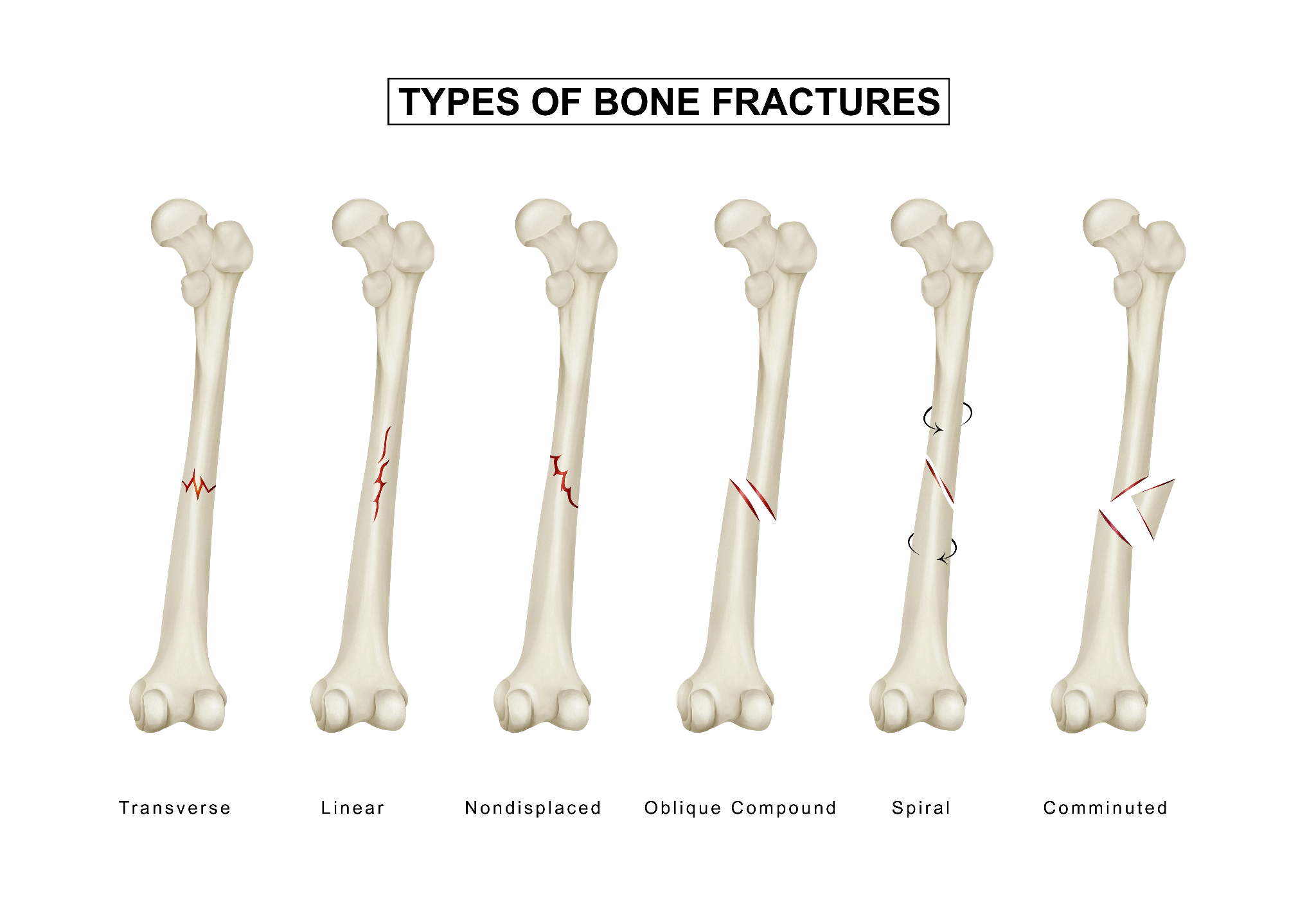
7. Stress Fractures
What it is: A stress fracture is a small crack in a bone caused by repetitive loading, the bone fatigues faster than it can repair itself. Common in runners, long-distance walkers, and athletes who have rapidly increased training load.
Common locations: Tibia (shin), metatarsals (foot bones), navicular (foot), femur, and pars interarticularis of the lumbar spine (in cricket fast bowlers).
Symptoms: Gradually worsening localised bone pain that is relieved by rest and reproduced by activity. Tenderness on palpation over the bone. MRI is more sensitive than X-ray for early diagnosis.
Treatment: Rest from the causative activity, appropriate immobilisation if needed, and a graduated return-to-sport programme. High-risk stress fractures (femoral neck, navicular, anterior tibial cortex) require more aggressive management and sometimes surgery.
When To See A Sports Medicine Specialist In Noida
Not every sports injury warrants immediate specialist consultation. But these signs should prompt you to book an appointment promptly:
- A joint injury with significant swelling (particularly if it develops rapidly within 2 hours, as this suggests haemarthrosis and is more significant).
- Inability to bear weight on the injured leg.
- Visible deformity, something looks "wrong" compared to the other side.
- A "pop" sound at the moment of injury (often indicates ligament injury).
- Locking of a joint, as it won't move through its full range.
- Instability: the joint feels like it might "give way."
- Symptoms that have not improved after 7–10 days of basic self-management.
- Recurring injury at the same site.
Sports Medicine And Orthopedic Care In Noida
Dr. Mayank Chauhan, Senior Orthopedic Surgeon at Prakash Hospital, Sector 33, Noida, treats the full spectrum of sports injuries from acute ligament tears requiring surgical reconstruction to overuse conditions responding to structured physiotherapy and injection therapy. For athletes and active individuals in Noida, Greater Noida, and across Delhi NCR, the goal is always to return to sport as safely and completely as possible, not just to manage pain in the short term.
To book a sports injury consultation, call the number listed on the website.
The Bottom Line

A young man sitting down on a basketball court is holding his knee. There is a basketball lying next to him. He appears to be in pain and shows an uncomfortable expression while holding his knee, as if he were injured.
Sports injuries are common. They are also, in the vast majority of cases, very treatable, particularly when diagnosed accurately and managed with the right combination of immediate care, physiotherapy, and, where necessary, surgical intervention. The athletes who recover best are those who don't ignore injuries, who don't rush back to sport before they're ready, and who work with a specialist who understands both the injury and the demands of their sport.
To consult Dr. Mayank Chauhan, Senior Orthopedic Surgeon in Noida, call the number listed on the website.