Muscle Strains In Athletes

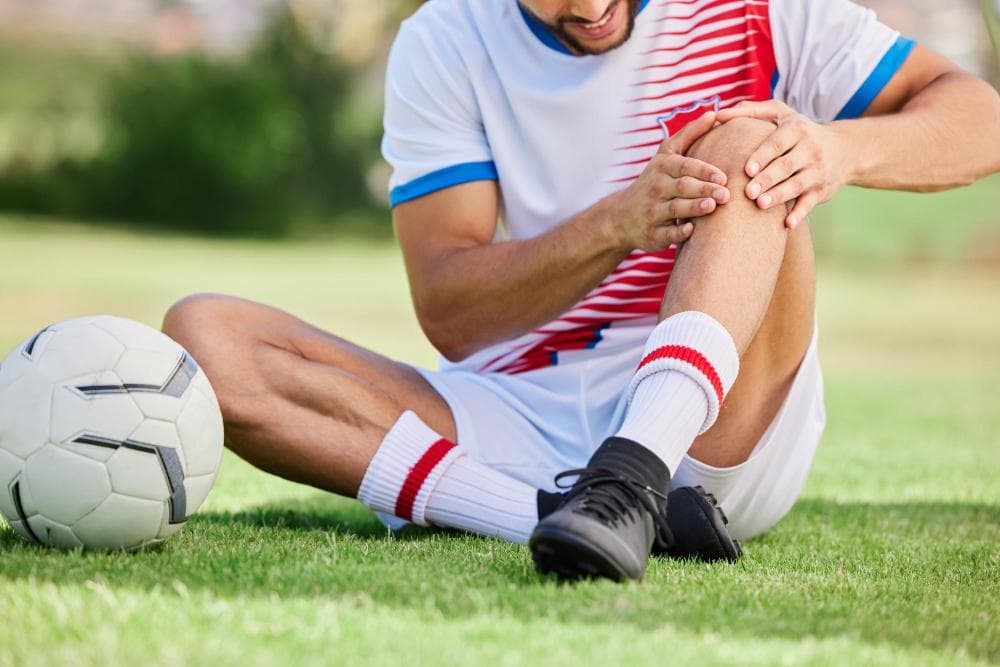
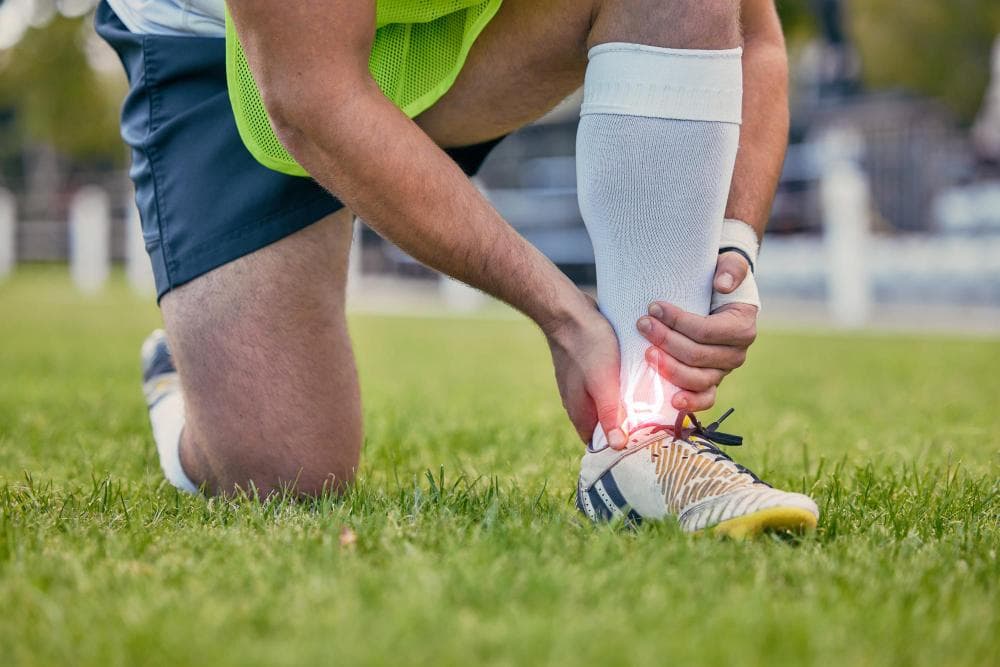
A man is holding his shoulder in pain.
For athletes at all levels, injuries are extremely common. Muscle strains are among the most prevalent of these, whether in a full-time athlete or those who play sports on weekends. Essentially, an injury occurs when the muscle becomes overstretched or torn, often as a result of rapid motion, repetitive use, or incorrect action. While many people may believe the problem is a simple one, which will resolve with time, disregarding a strained muscle may result in long-term healing problems or re-injury.
The health of muscles is critical to any athlete, and strains are the most significant enemy, as they have a direct impact on the ability of a muscle to perform its functions of flexion, extension, abduction, adduction, circumduction, or rotation. Whether it's a strained hamstring, caused by an overzealous football player, or an overworked shoulder of a cricketer, or even the strain experienced by a gym enthusiast with overloaded muscles, anybody may suffer this injury.
Instead of trying to ‘tough it out', understanding why this injury occurs and how to adequately deal with the problem means athletes have the capability to improve recovery time and reduce chances of repeat injury. In this guide, we'll take a closer look at what muscle strains are, how they occur and are treated, and what dictates the right time for a visit to an orthopaedic doctor.
What Is A Muscle Strain?
A muscle strain (pulled muscle) occurs when muscle fibers are excessively stretched or torn. A pulled muscle can range from slight overstretching of muscle fibers to severe tears requiring medical attention. Common muscle strains occur in the:
- Hamstrings
- Calf
- Quadriceps
- Lower Back
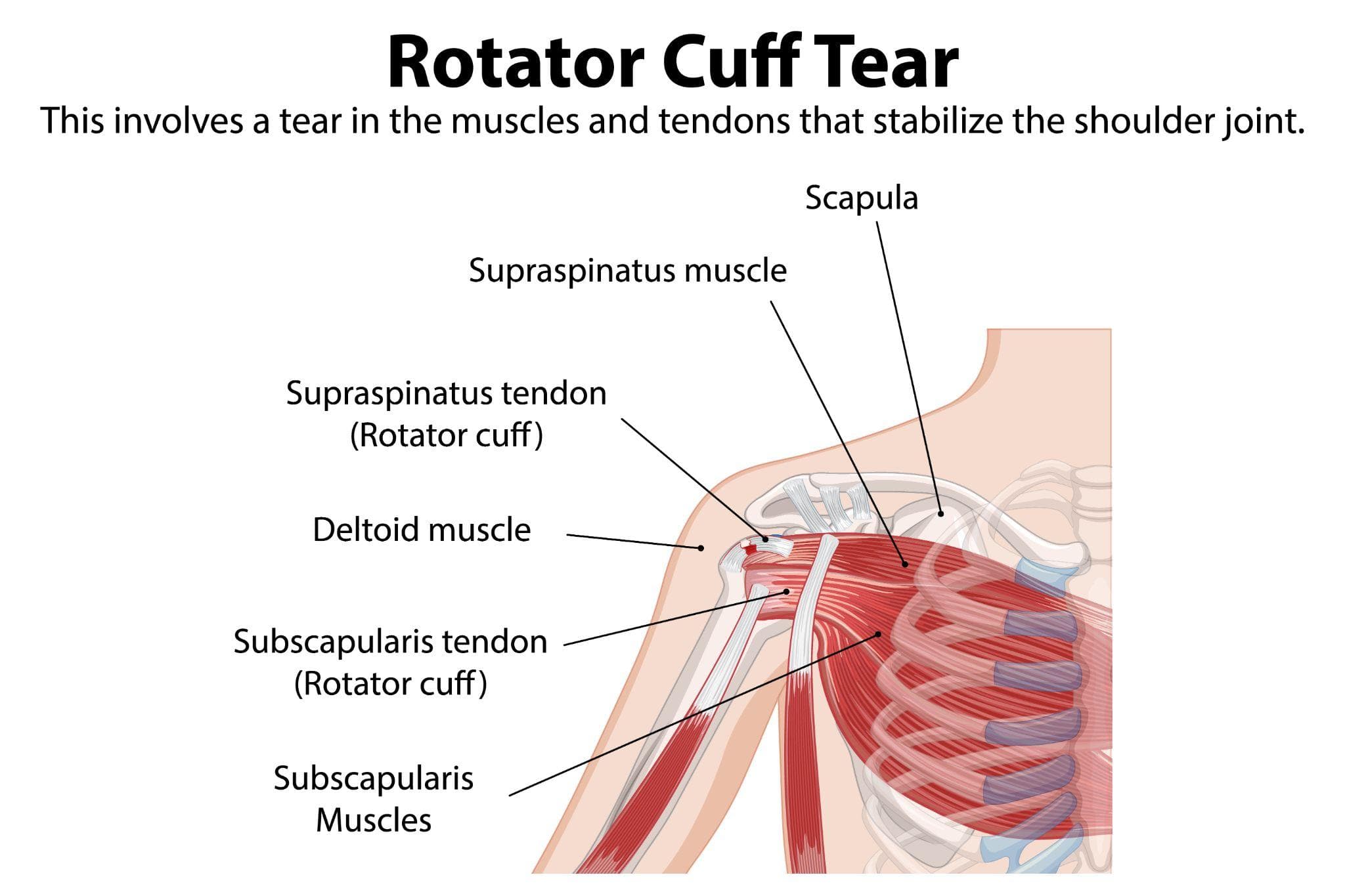
- Shoulder
Muscle strains are graded:
- Grade 1 - Minor damage and minor discomfort.
- Grade 2 - Partial muscle tear resulting in pain and swelling.
- Grade 3 - Muscle completely ruptured, resulting in severe pain and loss of function.
Common Types Of Muscle Strains In Athletes
In sports, strains are classified broadly into acute and chronic based on their mode of onset, and this is vital to deciding appropriate treatment and management.
1. Acute Muscle Strains
This is a sudden muscle strain that often occurs with the athlete undergoing an intense bout of exercise or sudden movement. The presentation is usually acute:
- Hamstring strain - Often occurs during sprinting and stopping suddenly, with a sharp pain in the back of the thigh.
- Calf strain - Common with jumping and explosive pushes off the ground, and results in pain in the lower leg.
- Quadriceps strain - May result from sprinting and kicking with power. It occurs in the front thigh.
- Shoulder strain - Common in overhead and throwing athletes, such as those in cricket, when the overhead and rotational movement exceeds the muscle's capacity.
2. Chronic Muscle Strains
These strains arise due to repetitive stress over a period of time, without adequate recovery. Initial pain may be subtle, increasing as stress continues.
- Groin strain: Common in sports requiring frequent side-to-side movement; it occurs from repeatedly stressing the adductors of the thigh.
- Lower back strain: Usually results from poor posture or repetitive twisting and bending activities.
- Recurrent hamstring strain: It can arise from previously sustained strains that have not adequately healed.
Both are important, but chronic strains reinforce the need for training, rest, and rehabilitation to prevent debilitating future injuries. Muscle strains most commonly occur in sports with the features of sprinting, rapid change of direction, or repetitive muscle strain, such as football, cricket, athletics, and basketball.
Common Causes Of Muscle Strains In Athletes
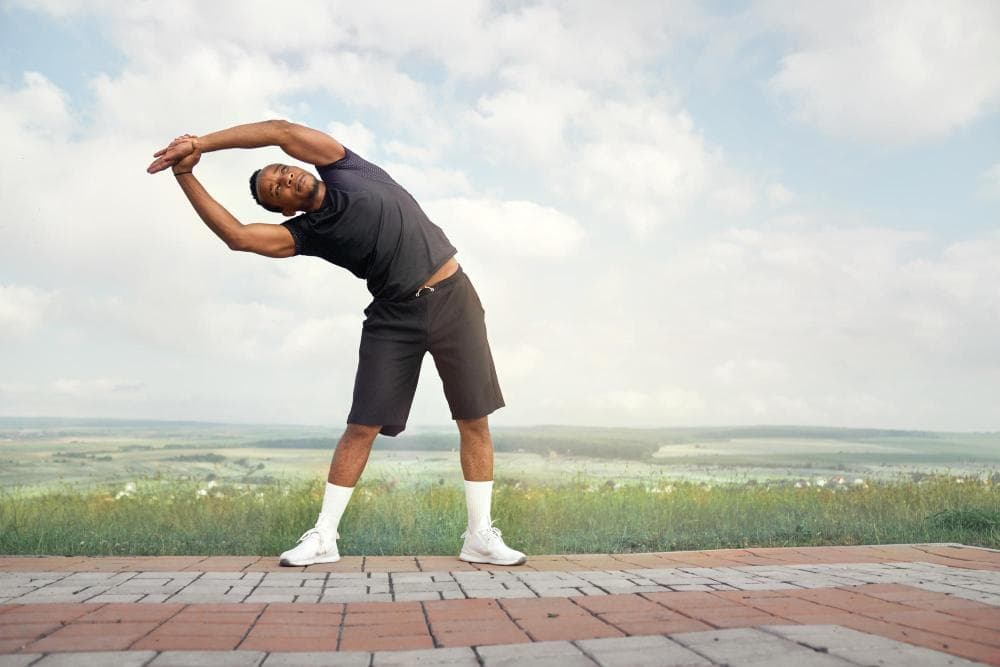
Athlete doing a side stretching exercise outdoors.
Muscle strain is not a random occurrence. They are often a product of the habits, training regimes, or imbalances present within an individual that contribute to the increased strain on the muscles.
1. Overuse And Fatigue
When the same muscles are worked over and over without being given adequate rest, they fatigue and weaken. This diminished capability makes them unable to cope with the added stress and forces placed on them, and strain is more likely to occur when involved in physical activity.
2. Insufficient Warm-Up
If a proper warm-up or stretching routine is skipped before sport, the muscles may become stiff and be unable to deal with physical impact. They will therefore be more likely to injure themselves.
3. Dynamic Movements
A sudden sprint, jump, change of direction, etc. May be too intense for the muscles if the body is not conditioned for the added stress, placing too much instantaneous force on the muscle fibers.
4. Technique
Incorrect technique during exercise/ sport is placed on some of the muscles in a greater capacity than others. This can add extra stress over time, leading to the onset of muscle strain.
5. Muscle Imbalance
If certain muscle groups are stronger than others, the weak muscles may be unable to cope with the workload placed on them and may thus tear.
Symptoms Of A Muscle Strain
Symptoms of muscle strain differ in severity but may be characterized by:
- A sudden, sharp pain during physical activity.
- Tenderness and swelling.
- Muscle weakness.
- Restricted range of movement.
- Bruising (if the injury is severe).
- Muscle stiffness after physical activity.
Muscle Strain Treatments
Depending on how severe the muscle strain is, treatments can vary, but the sooner that appropriate treatment is initiated, the faster recovery will be, and the less damage can be sustained to the muscle.
1. Rest And Activity Modification
Adequate rest must be given to the injured muscle; abstaining from any activity that produces discomfort will give the muscle fibers time to heal with the minimum additional tearing.
2. Ice Therapy
An initial application of cold therapy (icing) during the first 24 to 48 hours will decrease any swelling and inflammation, reduce the amount of pain sustained by the muscle, and prevent internal bleeding in severe strains.
3. Compression And Elevation
Application of elastic compression bandages will give a sense of support to the affected region and reduce the potential swelling, whilst elevating the muscle will promote blood circulation and the removal of any unwanted fluids.
4. Physiotherapy
A course of physiotherapy will assist in regaining muscle strength, suppleness, and the range of movement within the muscle, ensuring it has healed correctly, and preventing future injury to the muscle.
Proper care and long-term rehabilitation are extremely important to facilitate a complete recovery without any lasting effects from the muscle strain, and it would be beneficial to consult an experienced orthopedic surgeon, such as Dr. Mayank Chauhan in Noida, to enable the effective rehabilitation of injured athletes to resume competition at full strength.
How To Prevent Muscle Strains In Athletes?
An ounce of prevention is better than a pound of cure, and this is very true in athletes.
- Always warm up before exercise
- Keep limber by stretching frequently
- Progress gradually with intensity levels of exercise
- Use the proper form
- Hydrate and rest well
- Strengthen regularly with resistance training
Best Recovery Timeline For Muscle Strains In Athletes
A gradual, staged time course occurs after a muscle strain in an athlete, based on injury severity and appropriate rehabilitation procedures:
- 0-3 Days (Acute stage) - Rest, ice, compression, and elevation are utilized to minimize pain and inflammation. Stress on the muscle should be avoided.
- 3-7 Days (Early healing stage) - The athlete will start feeling less pain. Passive range of motion, early movement, and gentle stretching are initiated to combat stiffness within a pain-free range.
- 1-2 Weeks (Recovery stage - minor strains) - The athlete slowly starts returning to normal routines. Basic exercises for strength and flexibility are implemented by a professional.
- 2-4 Weeks (Moderate strains) - An established physiotherapy routine will gradually strengthen, improve the range of motion, and restore the affected muscles. The intensity of the athlete's physical activity will be gradually increased.
- 4-8 Weeks (Advanced recovery - severe strains) - More challenging strength training and sport-specific exercises will begin with the goal of the athlete's return.
- 6-12 Weeks (Return to play) - The athlete is capable of returning to full activity once the affected muscles and the overall athlete's functionality (strength, flexibility, and range of motion) are fully recovered with no pain.
- Continued (Prevention phase) - Ongoing strengthening, correct warming-up procedures, and conditioning are prescribed to prevent any recurrence and to optimize performance.
When To See An Orthopedic Specialist

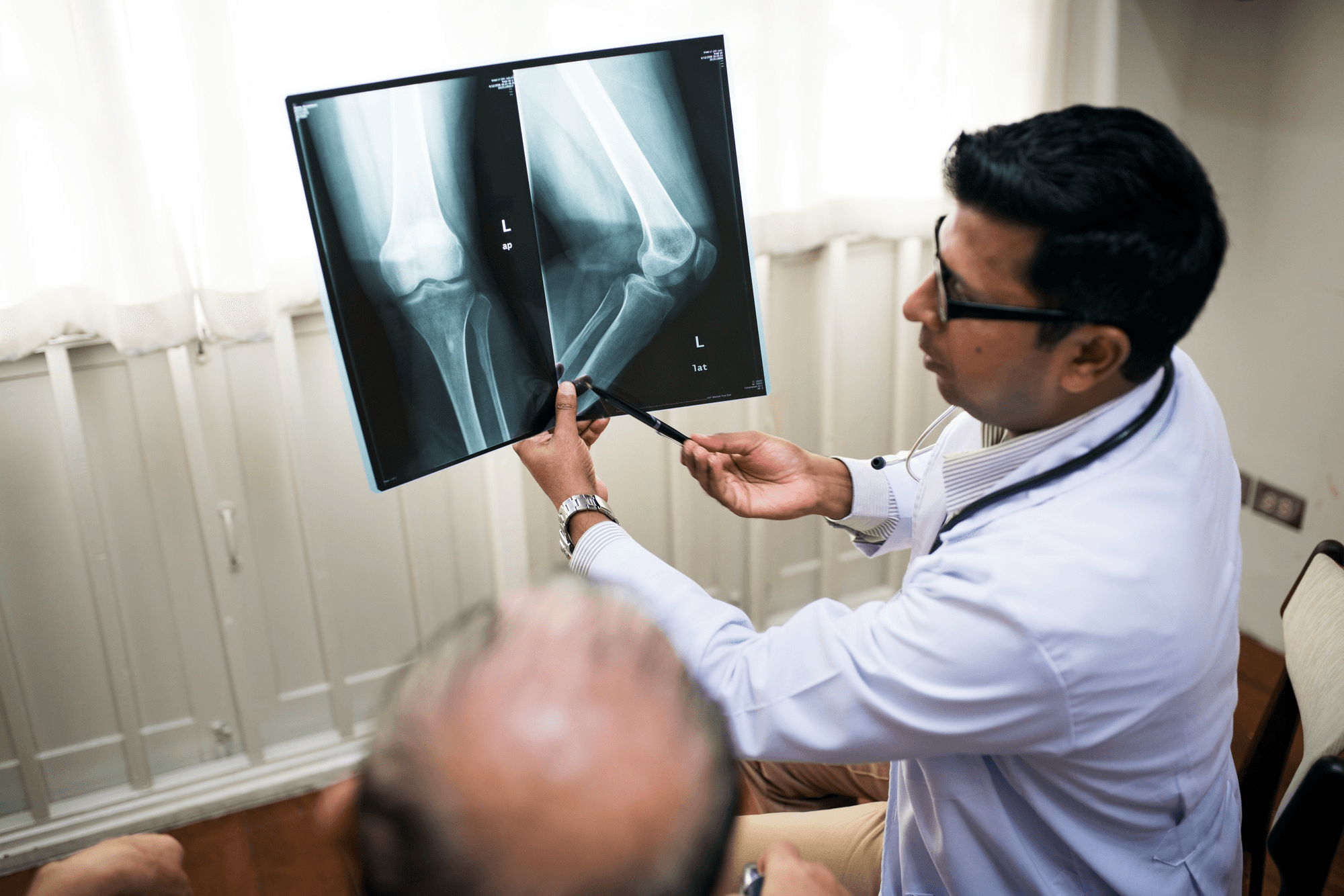
A doctor is examining a female patient’s arm.
There are times when rest is not enough.
- Persistent Pain lasting longer than 1-2 weeks requires a professional to identify the problem.
- Excessive swelling and bruising indicate that you might have sustained a deeper tear within the muscle.
- Limited mobility and weakened movement in the affected muscle.
- Recurring injury often suggests an underlying fault that requires fixing.
Final Thoughts
Muscle strains seem to be an occupational hazard in the field of sports. However, with adequate care, it might escalate into chronic complaints. Timely treatment, well-guided rehabilitation, and an appropriate preventive strategy are key. To get back to the field quickly, without long-term complications and better athletic performance, professional attention is indispensable.
So, consultation with Dr. Mayank Chauhan in Noida is necessary for correct diagnosis, innovative treatment, and a personalized physiotherapy protocol to get you back on the track with maximum strength, optimal mobility, and improved performance.
Frequently Asked Questions (FAQs)
How long to recover from muscle strain?
A minor muscle strain heals within 1-2 weeks, but moderate and severe strains may take 3-8 weeks or more to heal fully, especially when properly managed.
Do muscle strains heal by themselves?
A minor strain can sometimes be treated successfully with just rest, but proper rehabilitation methods help quicken the recovery period and can help prevent injury reoccurrence and other potential issues.
Can the athlete keep participating if the muscle strain is present?
Keeping up with activities can make the injury worse, so resting is very important. The athlete should follow a prescribed rehabilitation program to ensure they return safely.
What type of diet helps muscles to recover quickly?
To help muscles to recover quickly, a balanced diet high in protein and rich in vitamins and anti-inflammatory foods is needed.