Prehab for Knee Replacement — The Exercises You Should Do Before Surgery

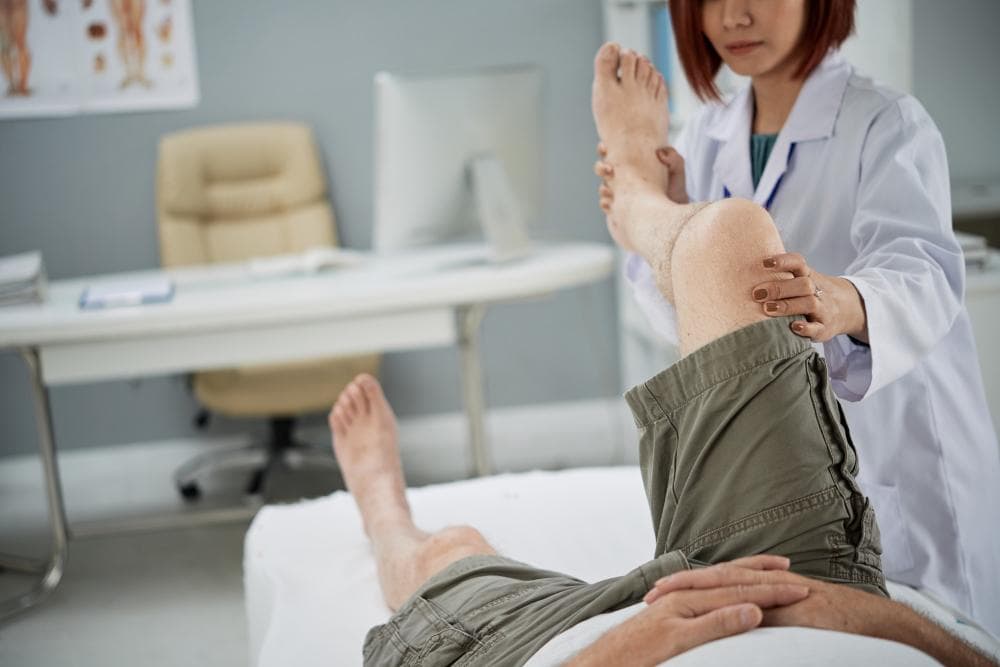
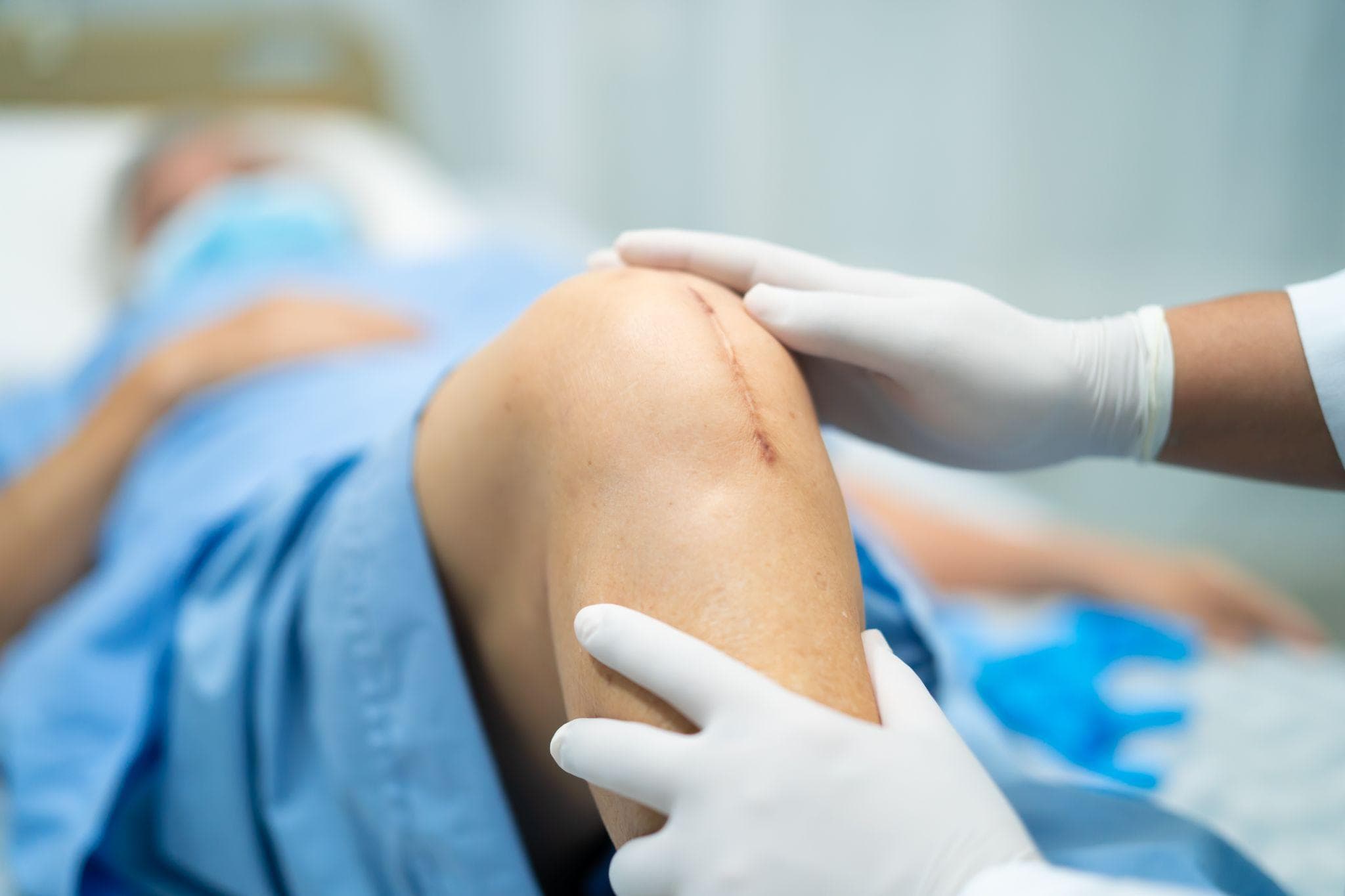
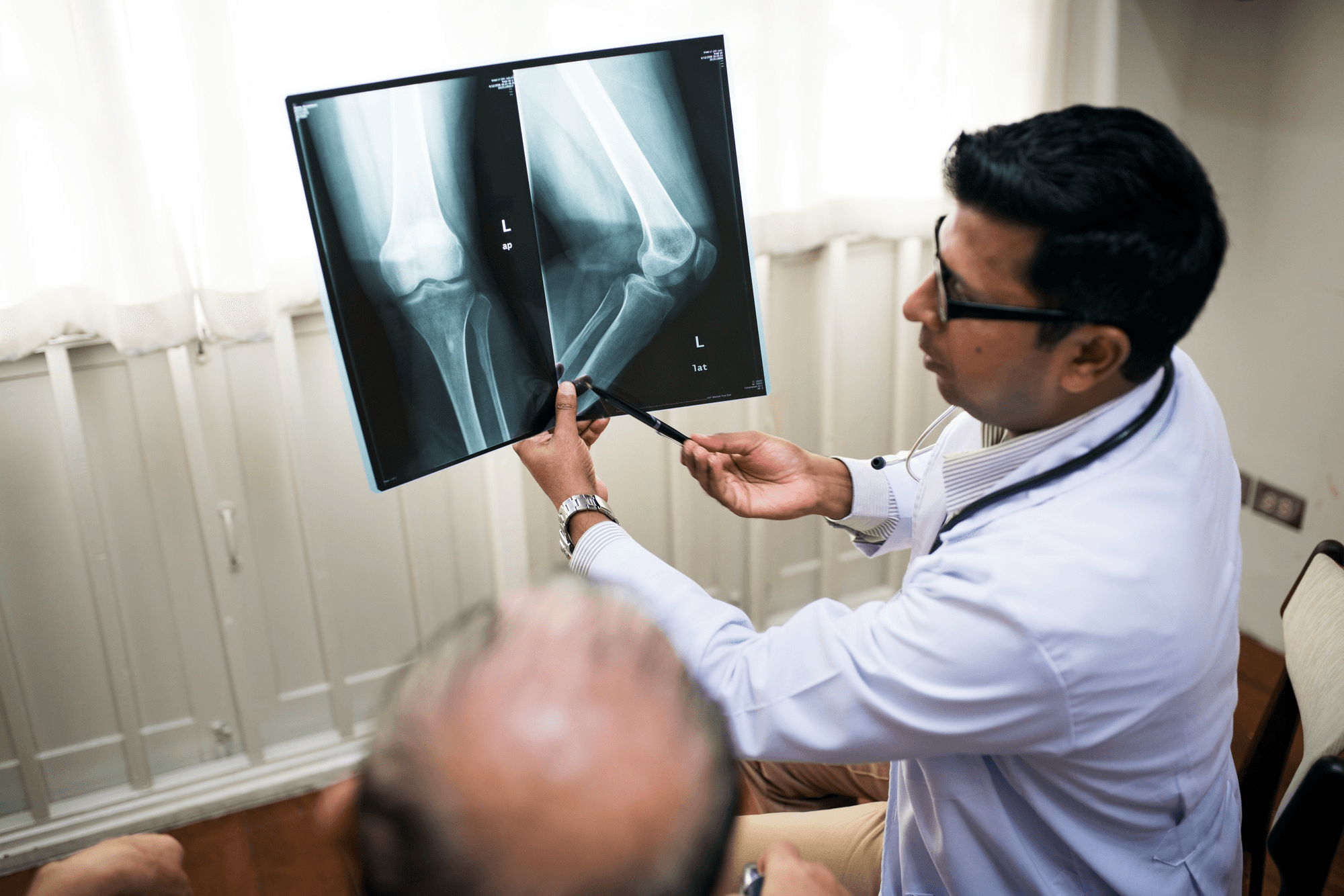
A patient is sitting with a knee brace and a doctor is examining it.
Most patients arrive at knee replacement surgery from the opposite direction of where they should be. By the time surgery is scheduled, they've typically been living with severe arthritis for months or years, progressively reducing their activity to manage pain. The muscles around the knee have weakened. The range of motion has narrowed. Walking any distance has become difficult.
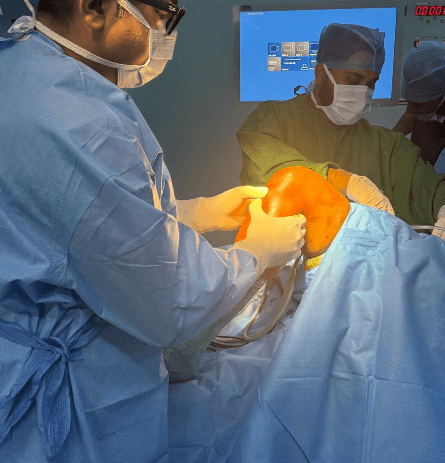
Then they have a significant operation and are expected to walk the next day.
Pre-habilitation — physiotherapy and exercise before surgery — is the attempt to change that starting position. Rather than arriving at the operating room with weak muscles and limited mobility, patients who prehabilitate arrive stronger, more flexible, and physiologically better prepared to begin recovery the day after surgery.
Does it work? The honest answer is: yes, for some outcomes more than others.
What the Research Actually Says
A 2025 meta-analysis published in Frontiers in Medicine, reviewing all available randomised controlled trials on prehabilitation before knee arthroplasty, found that prehabilitation was effective in reducing post-operative pain — a consistent finding across multiple studies. The benefit was most pronounced in the first few weeks after surgery.
However — and this is worth knowing — the same meta-analysis found that prehabilitation had little consistent effect on length of hospital stay or long-term knee function. Patients who prehabilitated didn't consistently leave hospital sooner, and at 6–12 months, function outcomes tended to converge with those who didn't prehabilitate.
This doesn't mean prehab is pointless. It means the benefit is specific: less pain in the critical early recovery period, a stronger starting position for physiotherapy, and in many patients, a psychological advantage from having actively prepared for surgery rather than passively waiting for it.
For patients who are deconditioned, overweight, or have significant quadriceps weakness going into surgery, the benefit of strengthening first is likely greater than for patients who are relatively fit.
Why Muscle Strength Before Surgery Matters
The quadriceps — the large muscle group on the front of the thigh — is the most important muscle for knee function. It straightens the knee, absorbs shock during walking, and controls descent when sitting, squatting, or climbing stairs.
In patients with severe knee arthritis, quadriceps weakness is nearly universal. Pain and swelling inhibit muscle activation (a phenomenon called arthrogenic muscle inhibition), and reduced activity leads to progressive atrophy. By the time surgery happens, the quadriceps may be 20–30% weaker than normal.
After surgery, two things worsen this temporarily: the trauma of the operation itself further inhibits muscle activation, and post-operative pain and swelling reduce early movement. Patients who go into surgery with stronger quadriceps recover faster because they have more baseline strength to work from — the same relative loss lands at a higher absolute level.
The hamstrings, hip abductors, and calf muscles are secondary targets. Strength in all these groups contributes to walking stability, stair negotiation, and overall lower limb function during rehabilitation.
The Prehab Exercises That Are Most Useful
These exercises should be done under physiotherapist supervision initially, particularly if the knee is very painful, to ensure proper form and appropriate intensity.
Quadriceps Sets (Isometric Quad Contractions)
The starting point for patients who cannot bend or straighten the knee fully.
How to do it: Sit or lie with the leg extended. Tighten the quadriceps muscle by pushing the back of the knee down toward the floor. Hold for 5 seconds, relax. Repeat 10–15 times. Multiple sessions per day.
Why this matters: It trains the muscle to activate without moving the painful joint. In patients with very painful knees, this may be the only safe starting exercise.
Straight Leg Raises
How to do it: Lie flat on your back. Bend the healthy knee with foot flat. Keep the operated-side leg straight and tighten the quad. Lift the straight leg to 45 degrees, hold for 2 seconds, lower slowly. 3 sets of 10.
Builds quadriceps and hip flexor strength without bending the arthritic knee.
Short Arc Quads
How to do it: Place a rolled towel under the knee so it is partially bent (about 30–40 degrees). From this position, straighten the knee fully, hold for 2 seconds, lower slowly. 3 sets of 10.
Works the final degrees of quadriceps extension — the range most commonly lost in knee arthritis.
Heel Slides
How to do it: Lie on your back. Slowly slide the heel of the affected leg toward your buttocks, bending the knee as far as comfortable, then slide back. 3 sets of 10.
Maintains and improves knee flexion range of motion before surgery.
Sit to Stand (Wall Slides)
How to do it: Stand in front of a stable chair. Lower yourself slowly to sitting, then push back to standing. Aim for 10–15 repetitions. If too painful, use armrests initially.
This functional exercise directly rehearses one of the most important movements in early post-operative recovery. Patients who can perform sit-to-stand smoothly before surgery regain it faster after.
Calf Raises
How to do it: Standing at a support, rise up onto the balls of both feet, hold briefly, lower. 3 sets of 15.
Improves calf pump function, which is important for venous circulation and DVT prevention. Also contributes to walking function during recovery.
Step-Ups (Low Step — 10–15 cm)
How to do it: Step up onto a low step with the stronger leg, bring the operated leg up to meet it. Step down with the operated leg first. 3 sets of 10.
Practices the stair mechanics used during hospital and early home rehabilitation.
Stationary Cycling (Low Resistance)
If available, 10–20 minutes of low-resistance cycling on a stationary bike is excellent prehabilitation. It maintains cardiovascular fitness, provides gentle knee range-of-motion work, and allows continued activity when walking long distances is painful.
Cycling is generally better tolerated than walking in advanced knee arthritis because it is non-weight-bearing.
How Long Before Surgery to Start
The research suggests meaningful benefit from prehabilitation programmes of 4–8 weeks before surgery. Starting 6 weeks before the scheduled operation and performing the exercises 4–5 days per week is a reasonable protocol for most patients.
Starting earlier (8–12 weeks) is even better for deconditioned patients who need longer to build baseline strength.
If the surgery date is close — 2 weeks away — starting some prehab is still worthwhile. Even a short period of activation exercises and gentle strengthening is better than none.
Beyond Exercises: What Else Prehab Involves
Prehabilitation is not just exercise. The full pre-operative preparation programme includes:
Nutrition: Ensuring protein intake is adequate to support tissue repair. Identifying and correcting iron deficiency (which causes anaemia that slows recovery). Optimising calcium and vitamin D (which matters for bone healing around the new implant).
Weight management: If time allows, even modest weight loss before surgery reduces operative difficulty, blood loss, and post-operative load on the healing joint. A 5–10% reduction in body weight makes a difference.
Medical optimisation: Blood sugar control in diabetic patients (HbA1c should be below 8% for elective surgery). Blood pressure management. Anaemia correction.
Mental preparation: Realistic expectations about the recovery timeline and what the first two weeks will feel like significantly reduce anxiety and improve patient adherence to post-operative physiotherapy. Patients who understand what's coming cope better.
Home preparation: Arranging the home before surgery — raised toilet seat, appropriate sleeping arrangements, removal of loose rugs, ensuring grab rails are in place — reduces both fall risk and the cognitive load of managing these details while in pain after surgery.
Is Prehab Available in Noida?
Prakash Hospital at Sector 33, Noida, has a dedicated physiotherapy department that supports patients preparing for knee replacement surgery. Dr. Mayank Chauhan's pre-operative consultations include advice on exercises appropriate for each patient's current knee condition and mobility level.
Patients preparing for knee replacement surgery are encouraged to discuss their pre-operative physiotherapy plan at the time of surgical booking.
To book a consultation, call the number listed on the website.