Reviewed by Dr. Mayank Chauhan
Lower Back Pain Exercises for Relief: A Gradual 4-Week Plan
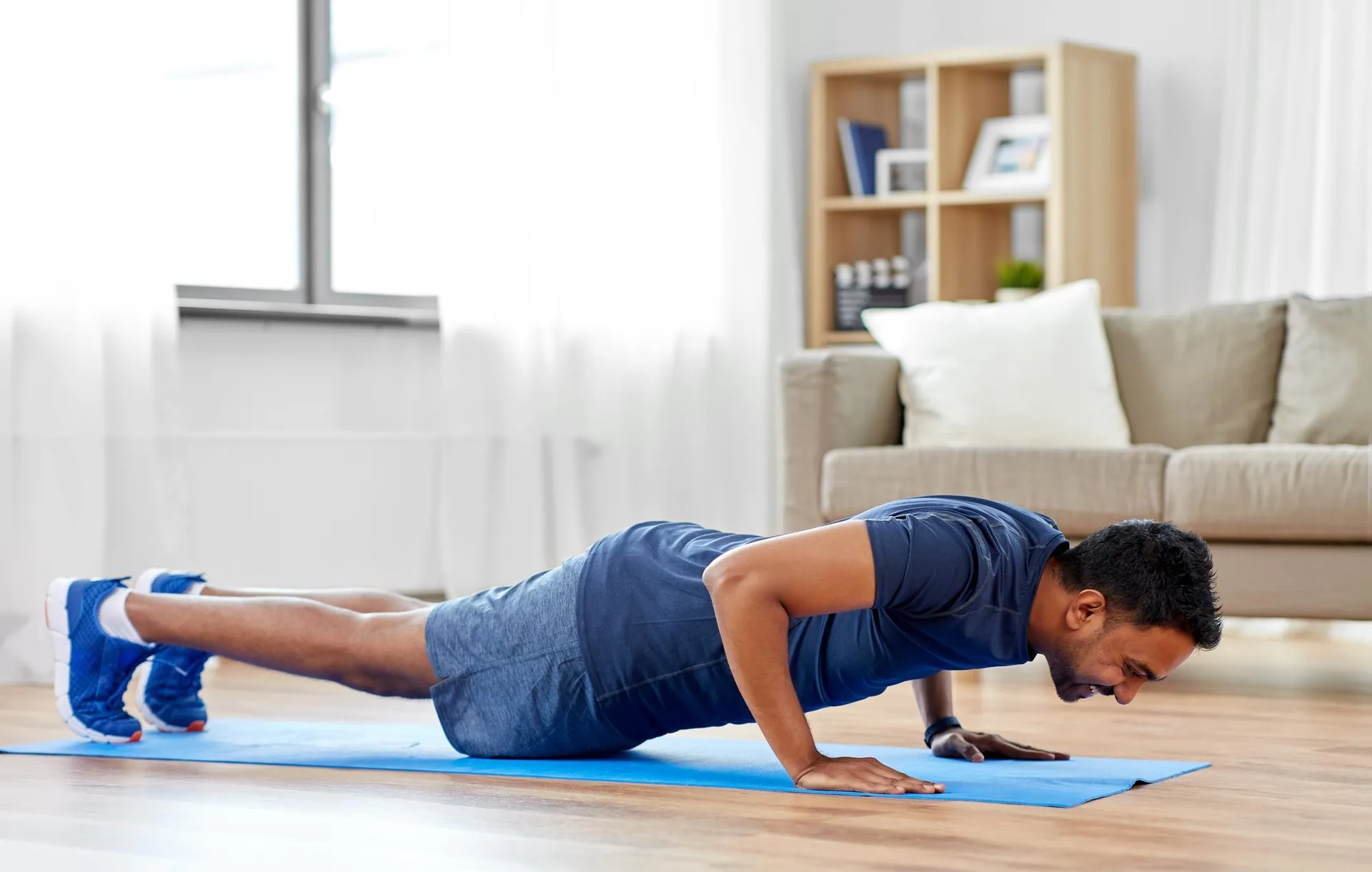
Strong core and hip muscles share the load on the lower back; the plan builds them up gradually over four weeks.
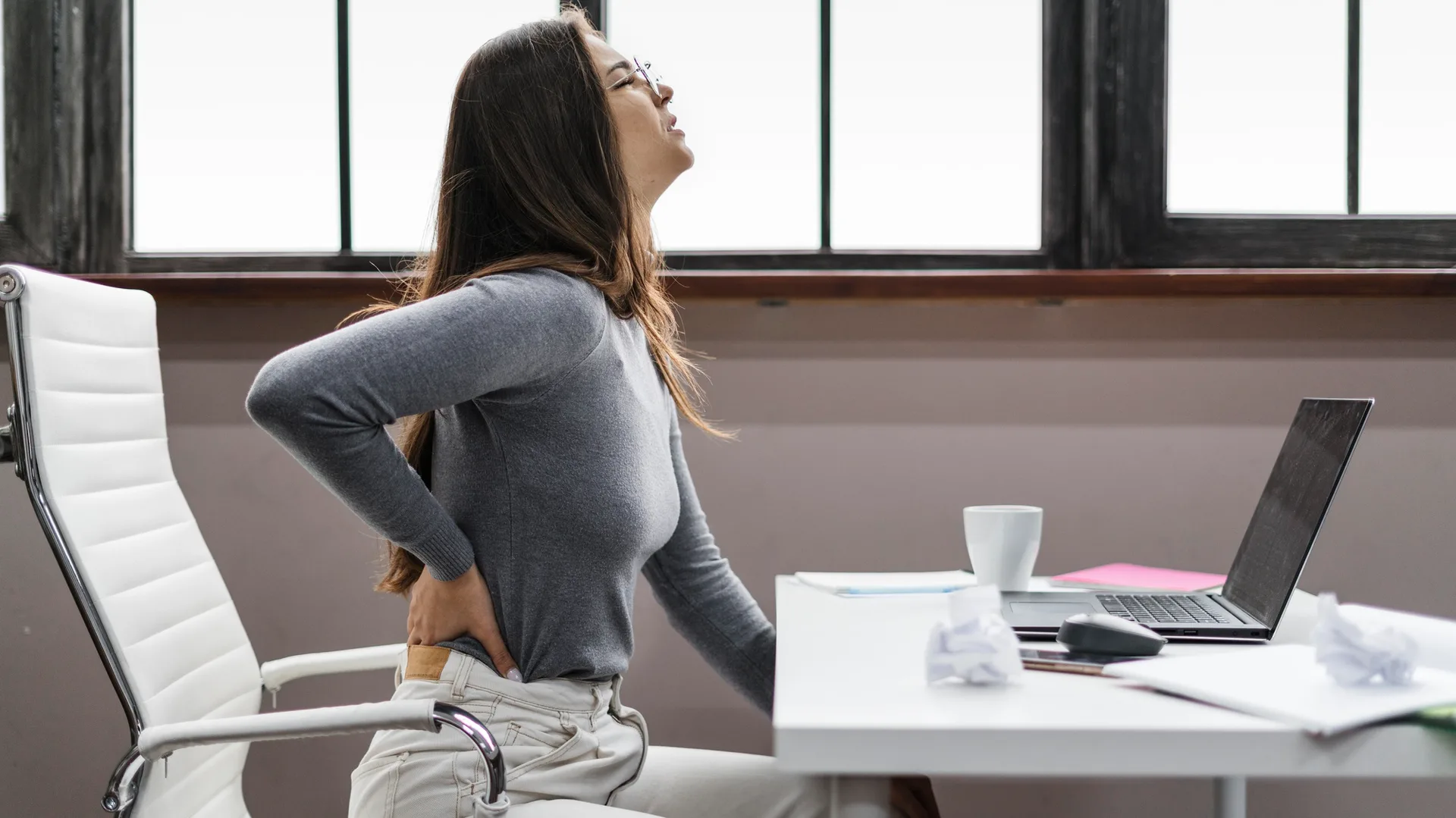
Lower back pain is the great leveller. Office workers get it, so do drivers, homemakers, farmers, students and athletes. Most people have at least one episode in their lifetime, and a large share have it again.
The comforting part is that for the majority, back pain is "mechanical", meaning it comes from the muscles, joints and discs being irritated or overloaded, not from a dangerous disease. The less comforting part is that it tends to come back unless you change how your back is used and conditioned.
Exercise is the single most reliable tool for that. The plan below starts gently, builds over four weeks, and says why each exercise is there.
First: is this the right plan for you?
This plan is meant for non-specific mechanical low back pain: aching or stiffness in the lower back, sometimes spreading to the buttocks, that changes with posture and movement. It is not meant for:
- Pain that runs down the leg with numbness, tingling or weakness (see our guides on sciatica and slip disc)
- Back pain after a fall, accident or injury
- Pain with fever, unexplained weight loss or a history of cancer
- Pain that is worst at night and unaffected by position
- Loss of bladder or bowel control, or numbness around the groin
If any of these applies, see a doctor first.
Why rest alone doesn't work
Resting in bed for days used to be standard advice. The evidence now points the other way. Staying gently active helps recovery, while prolonged bed rest stiffens the back and weakens the muscles you will need. Guidelines favour staying active and following an exercise programme suited to your abilities, with other treatments as add-ons, not substitutes.
A day or two of relative rest during a bad flare is fine. Beyond that, movement is the medicine.
The core idea: a back that is strong, flexible and well supported
A healthy lower back relies on several things working together.
- Core muscles (deep abdominals, back muscles and the muscles around the pelvis) that act like a natural corset
- Strong buttock and hip muscles that share the load
- Flexible hips and hamstrings so the back does not have to bend for them
- Good endurance, so muscles do not tire and let posture collapse
The exercises below target each of these in turn.
The four week plan
Do the exercises once or twice a day. If any exercise increases your pain beyond mild discomfort, or sends pain down the leg, drop it and carry on with the rest.
Week 1: Calm it down and get moving
The goal this week is to ease stiffness and get the back moving without provoking it.
Walking. Start with 5 to 10 minutes on flat ground, two to three times a day. Add a couple of minutes each day as you feel able.
Pelvic tilts. Lie on your back with your knees bent and feet flat. Flatten the small of your back into the floor by tightening your lower stomach. Hold for 5 seconds, then relax. Repeat 10 times.
Knee to chest. Lying on your back, bring one knee gently toward your chest and hold for 15 to 20 seconds. Switch legs. Repeat 3 times each side.
Cat and cow (gentle). On hands and knees, slowly round your back upward, then let it sag slightly downward. Move within a comfortable range. Repeat 8 to 10 times.
Lying on your stomach. If comfortable, lie face down for a few minutes and breathe. This can ease pain in some people.
Week 2: Add basic strength
Continue the week 1 exercises as needed, and add:
Glute bridge. Lie on your back, knees bent. Squeeze your buttocks and lift your hips until your shoulders, hips and knees form a line. Hold for 2 seconds, lower slowly. Start with 8 repeats, work up to 12.
Bird-dog. On hands and knees, extend the opposite arm and leg while keeping your trunk steady. Hold for 5 seconds, return and switch sides. Do 6 to 8 on each side.
Hamstring stretch. Lie on your back, loop a towel around one foot, and lift the leg until you feel a gentle stretch at the back of the thigh. Hold for 20 seconds. Repeat 3 times each side.
Hip flexor stretch. Kneel on one knee with the other foot in front. Tuck your pelvis slightly and gently shift forward until you feel a stretch in the front of the hip. Hold for 20 seconds. Tight hip flexors from long sitting tilt the pelvis and strain the back.
Week 3: Build endurance and control
Keep the previous exercises that help, and add:
Modified curl-up. Lie on your back with one knee bent and the other leg straight, hands under the small of your back. Lift your head and shoulders just slightly off the floor, keeping your neck neutral. Hold for 5 to 8 seconds, lower. Repeat 6 to 8 times. This works the abdominals while keeping the spine mostly still. Avoid full sit-ups.
Side plank (from the knees). Lie on your side, supported on your forearm with knees bent. Lift your hips so your body forms a straight line from knees to shoulders. Hold for 10 seconds, then lower. Repeat 3 to 5 times each side. The side muscles are key stabilisers for the back.
Wall squat or sit-to-stand. Stand with your back against a wall and slide down into a shallow squat, or practise rising from a chair slowly. These build leg strength so you do not rely on your back for lifting.
Walking. Build up to 20 to 30 minutes most days.
Week 4: Consolidate and make it a habit
Aim to do your chosen routine three to five days a week. Progress gradually: hold the bird-dog and side plank for longer, add a few repeats to the bridge, or lift a light weight in a hip hinge movement.
Hip hinge practice. Stand tall with a slight bend in the knees. Push your hips backward as if closing a car door with your buttocks, keeping your back flat and your chest proud. Return to standing by squeezing your buttocks. Repeat 8 to 10 times. This teaches you to bend from the hips, the safe way, when picking things up.
Swimming or cycling. Low impact aerobic activity maintains fitness and is kind to the back.
These four weeks are a template. If you are sore, repeat a week. If an exercise causes trouble, skip it. Consistency matters more than speed.
What to avoid
- Full sit-ups and double leg raises. They load the lower spine heavily.
- Aggressive toe touches and deep forward bends, especially with a rounded back
- Twisting with weight, such as swinging a heavy bag or twisting while lifting
- Lifting heavy objects from the floor with a rounded back
- High impact exercise during a flare, such as running or jumping
- Staying in one position too long, whether sitting or standing
- Forcing stretches into pain
- Ignoring pain that spreads into the leg
Some yoga poses help the back, but deep forward folds, plough pose and forceful twists can aggravate a sore back. Tell your instructor about your pain and skip poses that provoke it.
Habits that protect your back
At your desk
- Keep your hips and knees at roughly right angles, with feet flat.
- Support your lower back with a small cushion or rolled towel.
- Place the screen at eye level.
- Stand up and move every 30 to 40 minutes.
Lifting
- Bend at the hips and knees, not the waist.
- Keep the load close to your body.
- Avoid twisting while carrying.
- Test heavy items before lifting.
- Share the load or use a trolley.
Sleeping
- A medium firm mattress usually suits most people.
- Lie on your side with a pillow between your knees, or on your back with a pillow under your knees.
Travel and commuting
- Take breaks on long drives.
- Use a lumbar support in the car.
- If you ride a two wheeler for long distances, stop regularly to stretch.
Weight, smoking and fitness
- Extra weight, especially around the abdomen, increases the load on the spine.
- Smoking reduces blood supply to the discs and slows healing.
- General fitness, including walking and strength training, lowers the risk of recurrent episodes.
Bone health
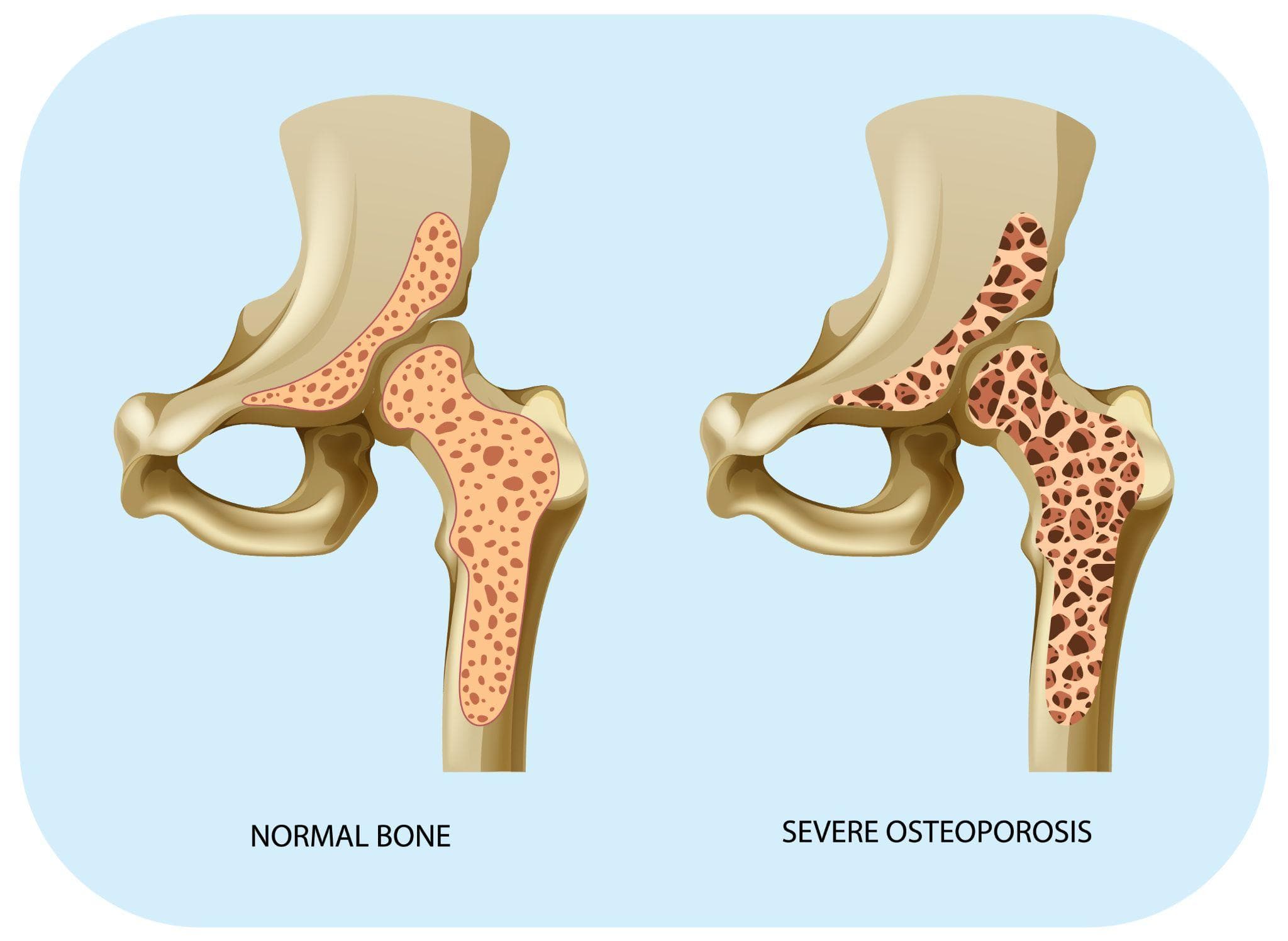
Persistent back pain, especially in older adults and postmenopausal women, can sometimes come from weak, fractured vertebrae. Check your vitamin D and calcium, and ask about a bone density scan if you have risk factors. See our guides on calcium and bone health and DEXA scans.
Heat, medicines and other treatments
Heat. A warm pack for 15 to 20 minutes can ease muscle spasm and stiffness.
Medicines. Short courses of painkillers or anti-inflammatories are sometimes prescribed to keep you moving. They are not a cure, and not suitable for everyone, especially people with stomach, kidney, heart or blood pressure problems. Take them only as advised.
Back belts. A support belt can offer short term comfort during a heavy task, but wearing one all the time weakens the muscles.
Massage and manual therapy. These may give temporary relief when combined with exercise, but should not replace it.
Injections and surgery. Reserved for specific problems, such as persistent nerve pain, not for ordinary back pain.
When to see a doctor
Arrange an assessment if:
- Pain lasts more than four to six weeks despite exercise
- Pain spreads down the leg or you notice numbness, tingling or weakness
- Pain disturbs your sleep or is worse at night
- You have recurrent episodes
- Pain follows an injury
- You are over 50 and have new back pain
- You have a history of osteoporosis, cancer or long term steroid use
Go to an emergency department if:
- You have numbness around the groin or inner thighs
- You lose control of bladder or bowels, or have difficulty passing urine
- Your leg weakness is getting worse
- Back pain comes with fever and feeling very unwell
- Pain follows a significant fall or accident
Prakash Hospital in Noida has a 24 hour emergency department.
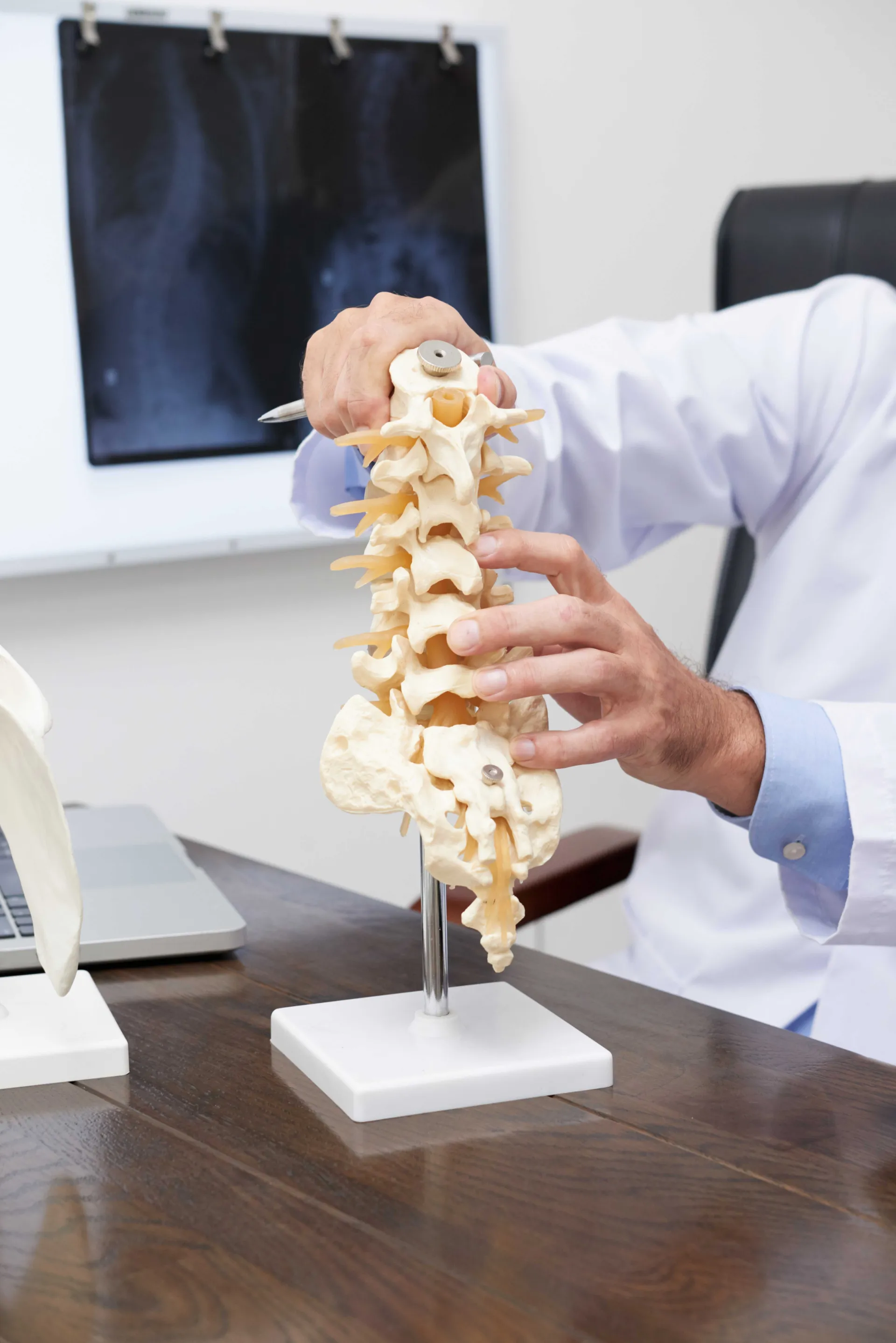
An orthopedic assessment includes a physical examination and, where appropriate, X-rays or MRI. Many people do not need a scan at first.
Back care in Noida with Dr. Mayank Chauhan
If your back pain is not settling, keeps returning or comes with leg symptoms, an examination will find the cause and shape a plan. Dr. Mayank Chauhan is a senior orthopedic surgeon at Prakash Hospital, D-12A/12B, Sector 33, Noida, next to the ISKCON Temple. He has more than 15 years of experience, trained at Maulana Azad Medical College, Delhi, and completed an arthroplasty fellowship at Hallym University Hospital, South Korea. His patients rate him 4.9 out of 5 on Google.
Prakash Hospital is NABH and NABL accredited and works with CGHS, ECHS, ESI and major insurers. OPD hours are Monday to Saturday, 10 AM to 8 PM, and Sunday, 10 AM to 2 PM.
To book a consultation, call the number listed on the website.
This article is for general information and does not replace a medical examination.