Reviewed by Dr. Mayank Chauhan
Vitamin D Deficiency: Bone Pain, Symptoms and What to Do

Skin makes vitamin D from UVB sunlight, yet indoor lifestyles and pollution leave many Indians deficient.
India is a sunny country, and yet vitamin D deficiency is one of its most common nutritional problems. Doctors in Noida see it every day: the software engineer with a constantly aching back, the homemaker with sore legs and fatigue, the teenager with weak bones, the grandmother who fractured her wrist after a minor fall. Many have never had their level checked until something breaks or aches for months.
Studies from across the country have reported low vitamin D levels in a large share of the population, including young, healthy city dwellers. The fix is often simple, but the details matter: who needs testing, what the numbers mean, how much sun is realistic, and why random supplement doses are a bad idea.
What does vitamin D do?
Vitamin D is a fat-soluble vitamin that works more like a hormone. Its main jobs:
- Helps the gut absorb calcium and phosphate, the building blocks of bone
- Supports bone mineralisation, so that bone becomes hard and strong
- Supports muscle function, including strength and balance
- Plays a role in immune function
Without enough vitamin D, the body cannot absorb enough calcium from food. It then pulls calcium from the bones, which weakens them over time.
Your skin makes vitamin D when exposed to ultraviolet B (UVB) rays from the sun. Smaller amounts come from food and supplements.
What is vitamin D deficiency?
Vitamin D status is judged by a blood test called 25-hydroxyvitamin D (25(OH)D). Cut-offs vary between guidelines, but many labs and doctors in India use ranges like these:
| Category | 25(OH)D level (ng/mL) | |---|---| | Deficiency | Below 20 | | Insufficiency | About 20 to 30 | | Sufficient | About 30 and above | | Possible toxicity | Well above 100 |
Some labs report in nmol/L. To convert ng/mL to nmol/L, multiply by about 2.5. Different guidelines use slightly different thresholds, so interpret your result with your doctor and use the reference range on your report.
Why is it so common in India?
It might seem odd, given the sunshine. Several factors combine.
- Indoor lifestyles. Office work, long commutes in vehicles and air-conditioned buildings mean little midday sun exposure.
- Clothing. Covered clothing limits skin exposure.
- Skin pigmentation. Darker skin contains more melanin, which reduces vitamin D production per unit of sun exposure.
- Air pollution and urban living. Smog and tall buildings reduce the UVB reaching the skin. Delhi NCR's pollution is a particular concern.
- Sunscreen use when worn consistently reduces production.
- Diet. Few foods naturally contain vitamin D, and the typical vegetarian diet provides little. Fortification is limited.
- Age. Older skin produces less vitamin D, and older adults spend more time indoors.
- Obesity. Vitamin D gets trapped in fat tissue, lowering blood levels.
- Medical conditions such as kidney disease, liver disease, coeliac disease and other malabsorption problems.
- Medicines, including some anti-epileptics, long-term steroids and certain TB medicines.
- Pregnancy and breastfeeding, which increase needs.
Symptoms of vitamin D deficiency
Many people have no obvious symptoms. When they do appear, they are often vague and easy to dismiss.
Bone and muscle symptoms
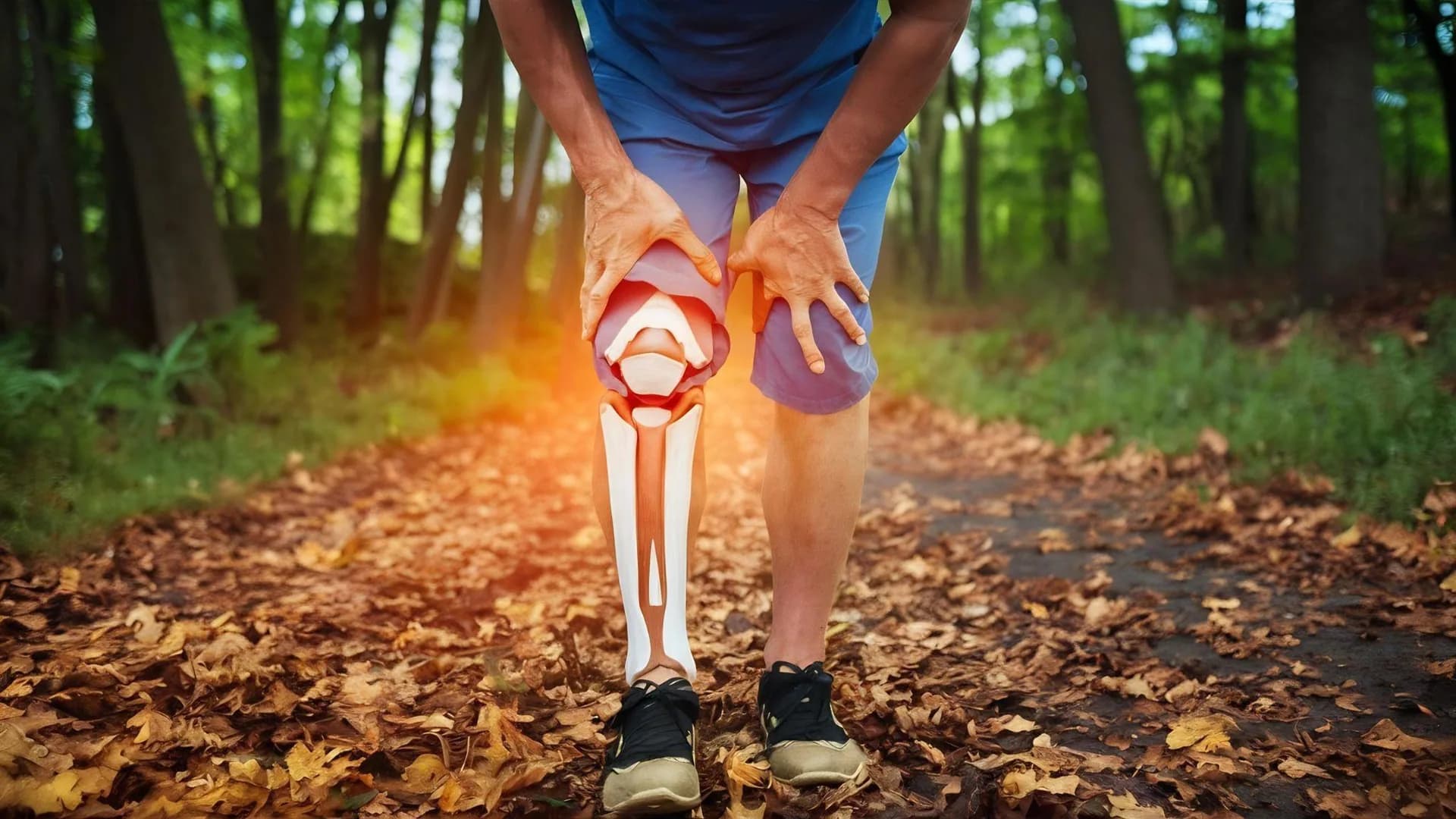
- Aching bones, particularly in the lower back, hips, thighs, ribs or legs
- Tenderness when pressing on the shin or ribs
- Muscle weakness, difficulty climbing stairs or rising from a chair
- Muscle aches and cramps
- Fatigue and low energy
- Frequent falls or poor balance in older adults
In children
- Delayed walking
- Rickets: bowed legs, knock knees, soft skull bones, delayed tooth eruption, widened wrists and a beaded rib cage
- Poor growth
In adults
- Osteomalacia: softening of bones, causing deep bone pain, muscle weakness and a waddling walk
- Osteoporosis: low bone density with increased fracture risk
- Stress fractures and slow fracture healing
Other possible symptoms
- Low mood
- Frequent infections
- Hair thinning (not specific)
- Slow wound healing
None of these symptoms is specific to vitamin D deficiency. Many conditions can cause tiredness or aches, which is why testing is the only way to know.
Who should be tested?
Routine screening of everyone is not recommended in all guidelines, but testing makes sense in people who:
- Have persistent bone, back or muscle pain
- Have had fractures from minor falls
- Have osteoporosis or low bone density
- Are older adults, especially with falls
- Are pregnant or planning a pregnancy, if advised by their doctor
- Have darker skin and little sun exposure
- Cover most of their skin when outdoors
- Have obesity
- Have kidney, liver or gut disease
- Take long-term steroids or other interfering medicines
- Have children with growth or bone problems
Often calcium, phosphate, parathyroid hormone (PTH) and alkaline phosphatase are checked at the same time to see how the deficiency is affecting the body.
Why it matters for bones and joints
Long-term low vitamin D has consequences for orthopedic health.
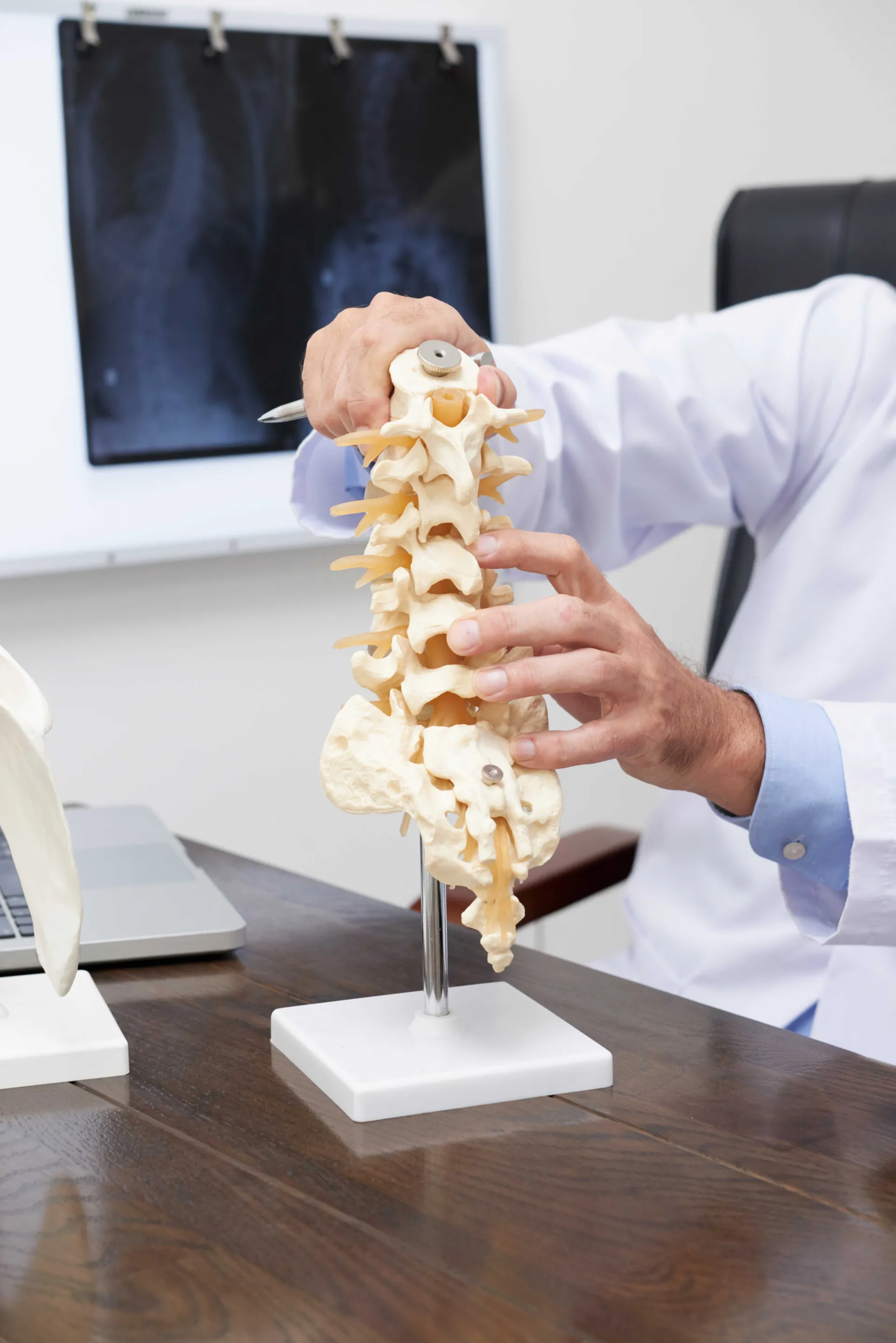
- Weakens bones, raising the risk of osteoporosis and fractures. Our articles on calcium and bone health and DEXA scans explain how bone density is checked.
- Slows fracture healing. Adequate vitamin D supports bone repair. Our guide on an Indian diet plan for healing bones covers the nutrition side.
- Contributes to muscle weakness and falls, a major cause of fractures in the elderly.
- Can mimic or worsen other conditions. Diffuse aches may be mistaken for fibromyalgia, arthritis or simple back strain.
- Matters before and after joint replacement. Bone quality influences implant fixation and recovery, so surgeons often check levels beforehand.
Vitamin D is not a treatment for arthritis of the knee, and taking more does not cure joint wear. Its role is in bone and muscle health.
How is it treated?
Treatment is guided by the blood level, symptoms and your overall health. It is not one-size-fits-all.
1. Supplements
Vitamin D supplements (cholecalciferol, vitamin D3) come as weekly or monthly sachets or capsules, drops or tablets. Doctors often use a higher-dose "loading" phase for several weeks to correct the deficiency, followed by a lower "maintenance" dose. The exact dose and schedule depend on your level, age and health, so follow your doctor's prescription and do not self-medicate with large doses.
Taking too much vitamin D over a long time can raise calcium dangerously high in the blood, causing nausea, weakness, kidney problems and stones. This is rare but real, and it is why random high-dose products from unreliable sources are risky.
2. Calcium
If dietary calcium is low, your doctor may advise calcium alongside vitamin D. Aim to get most from food (milk, curd, paneer, ragi, sesame, leafy greens), and use supplements only when needed. Too much calcium can cause constipation and kidney stones.
3. Sensible sun exposure
Sunlight is the natural source. Short, regular exposure of the arms and legs around midday, when UVB is strongest, helps many people. Exact times vary with season, skin type and location, and there is a trade-off with skin damage. In winter and in polluted cities, sun alone may not be enough. Do not rely on sunlight as the only fix if you are deficient.
4. Food sources
Few foods are rich in vitamin D. Helpful ones include:
- Fatty fish such as salmon, sardines and mackerel
- Egg yolks
- Fortified milk, cereals and oils (check labels)
- Mushrooms exposed to sunlight (small amounts)
Diet alone rarely corrects deficiency, though it supports overall bone health.
5. Treat underlying causes
If a gut, kidney or liver problem is behind low levels, or a medicine is interfering, address that as well.
6. Retest
Levels are usually rechecked after around three months of treatment to confirm correction and adjust the maintenance dose.
Common mistakes
- Taking supplements without testing, or taking them for years without a recheck
- Stopping as soon as symptoms improve. Levels fall again if the cause remains.
- Taking very large doses on your own
- Ignoring calcium and protein intake
- Expecting overnight results. Bone and muscle symptoms take weeks to months to improve.
- Using sunlight as an excuse to skip testing. Many sun-exposed people still turn out deficient.
- Assuming all aches are vitamin D. If symptoms persist after correction, look for other causes.
Lifestyle habits that support bone health
- Take part in weight-bearing exercise such as walking, climbing stairs and light resistance training
- Include protein at every meal
- Get enough calcium from food
- Do not smoke, and limit alcohol
- Keep a healthy weight
- Fall-proof your home, particularly for older adults
- Have your bone density checked if you are at risk
When to see a doctor
See a doctor if you have:
- Persistent bone or muscle pain, or weakness
- A fracture after a minor fall
- Difficulty climbing stairs or getting up from a chair
- Bowing of the legs or delayed walking in a child
- Known low vitamin D that has not improved with treatment
Seek urgent help for
- Sudden severe pain after a fall or injury, or inability to bear weight
- Severe nausea, vomiting, excessive thirst, confusion or palpitations while on high-dose supplements (possible high calcium)
Prakash Hospital in Noida has a 24 hour emergency department.
Bone health care in Noida with Dr. Mayank Chauhan
If you have unexplained bone pain, weak muscles or a fracture from a minor fall, a proper assessment, including blood tests and, where needed, a bone density scan, can find the cause. Dr. Mayank Chauhan is a senior orthopedic surgeon at Prakash Hospital, D-12A/12B, Sector 33, Noida, next to the ISKCON Temple. He has more than 15 years of experience, trained at Maulana Azad Medical College, Delhi, and completed an arthroplasty fellowship at Hallym University Hospital, South Korea. His patients rate him 4.9 out of 5 on Google.
Prakash Hospital is NABH and NABL accredited and works with CGHS, ECHS, ESI and major insurers. OPD hours are Monday to Saturday, 10 AM to 8 PM, and Sunday, 10 AM to 2 PM.
To book a consultation, call the number listed on the website.
This article is for general information and does not replace a medical examination. Cut-off values vary between laboratories and guidelines; supplement doses must be decided by your doctor.