Reviewed by Dr. Mayank Chauhan
Knee Replacement in Noida: Procedure, Hospital Stay and Recovery
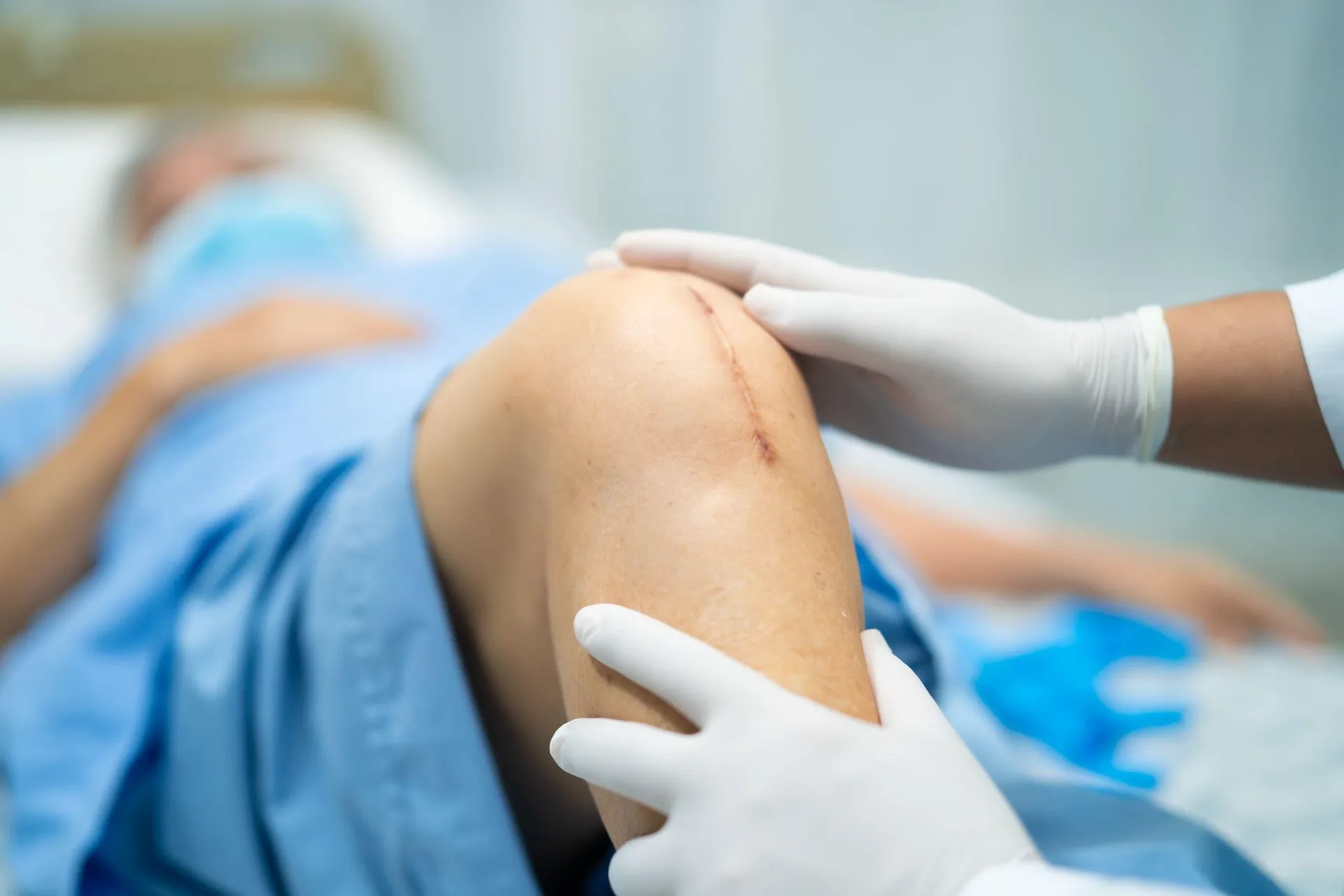
Many patients stay in hospital for two to four days and take their first steps with a walker within a day.
For many people in Noida, Greater Noida and the wider Delhi NCR, knee replacement is not something they plan for. It arrives after years of creeping pain: the stairs in a high-rise society, the long walk from the metro, the squat on a prayer mat, the morning stiffness that takes an hour to lift. At some point, tablets and gels stop doing enough, and a doctor mentions surgery.
If you are at that stage, it helps to understand what a knee replacement actually involves, what the hospital stay looks like, what you can expect in the weeks and months afterwards and how to prepare. A knee replacement is a well-established operation with a good track record, but good results depend on good preparation and good rehabilitation.
What is a knee replacement?
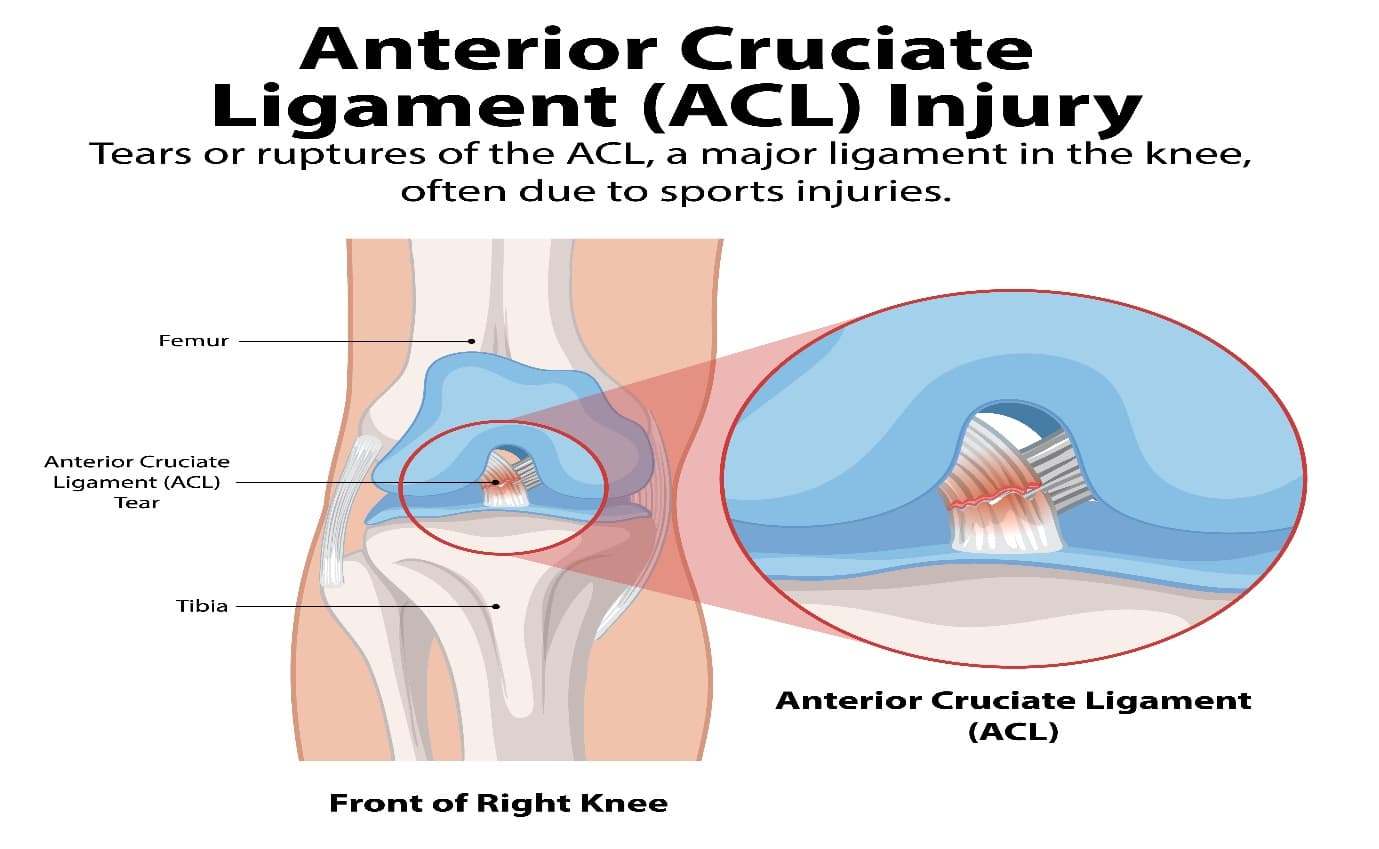
In a total knee replacement (total knee arthroplasty), the damaged surfaces at the ends of the thigh bone (femur) and shin bone (tibia), and sometimes the back of the kneecap, are removed and replaced with artificial components. These are made of metal alloy and high-grade plastic (polyethylene), and are designed to glide smoothly, taking over the role of the worn cartilage.
A partial knee replacement resurfaces only one damaged compartment in carefully selected patients, with the rest of the knee preserved.
The operation does not replace the whole knee joint, nor the muscles and ligaments around it. The aim is to relieve pain and restore function.
Who needs a knee replacement?
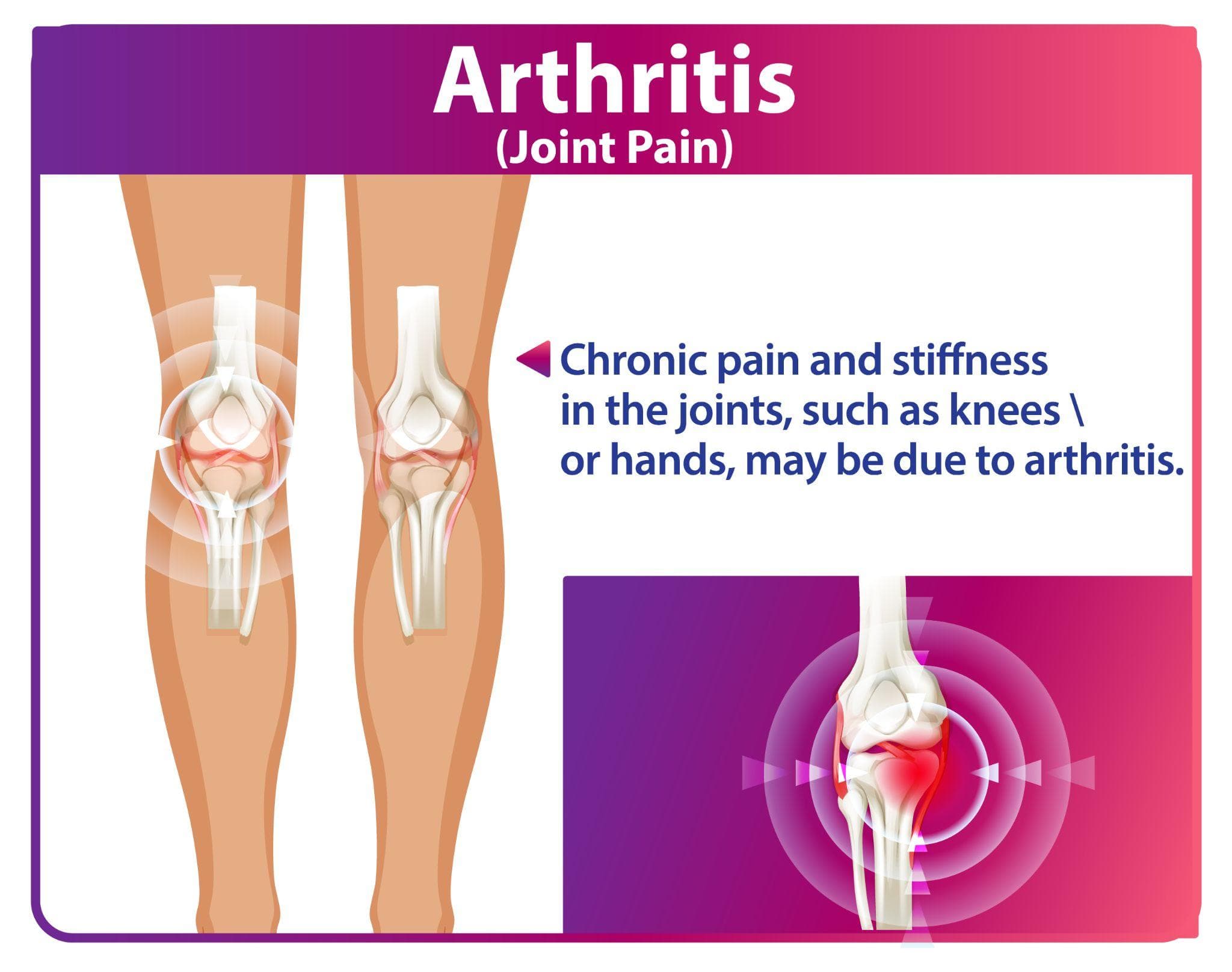
Knee replacement is typically considered for people with advanced arthritis, most often osteoarthritis, but also rheumatoid arthritis, post-traumatic arthritis and avascular necrosis. It is usually advised when:
- Pain is severe and constant, disturbs sleep or limits walking
- Daily activities such as climbing stairs, getting up from a chair or walking short distances are difficult
- The knee is deformed, stiff or unstable
- X-rays show advanced joint damage
- Non-surgical treatments such as exercise, weight loss, walking aids, medicines and injections no longer help enough
- Your quality of life is clearly affected
There is no fixed age. A younger person with severe damage may need it, and a healthy older person may do very well. What matters is the severity of the problem and your general fitness. Our article on whole knee replacement, who needs it and what to expect, covers the decision in more detail.
When surgery can wait
- Mild to moderate arthritis that responds to exercise and weight loss
- Pain that comes from another source, such as the hip or spine
- Medical conditions that need to be controlled first, such as uncontrolled diabetes or an active infection
A good surgeon will tell you if you are not ready for surgery, and what to do in the meantime.
Before surgery: the preparation
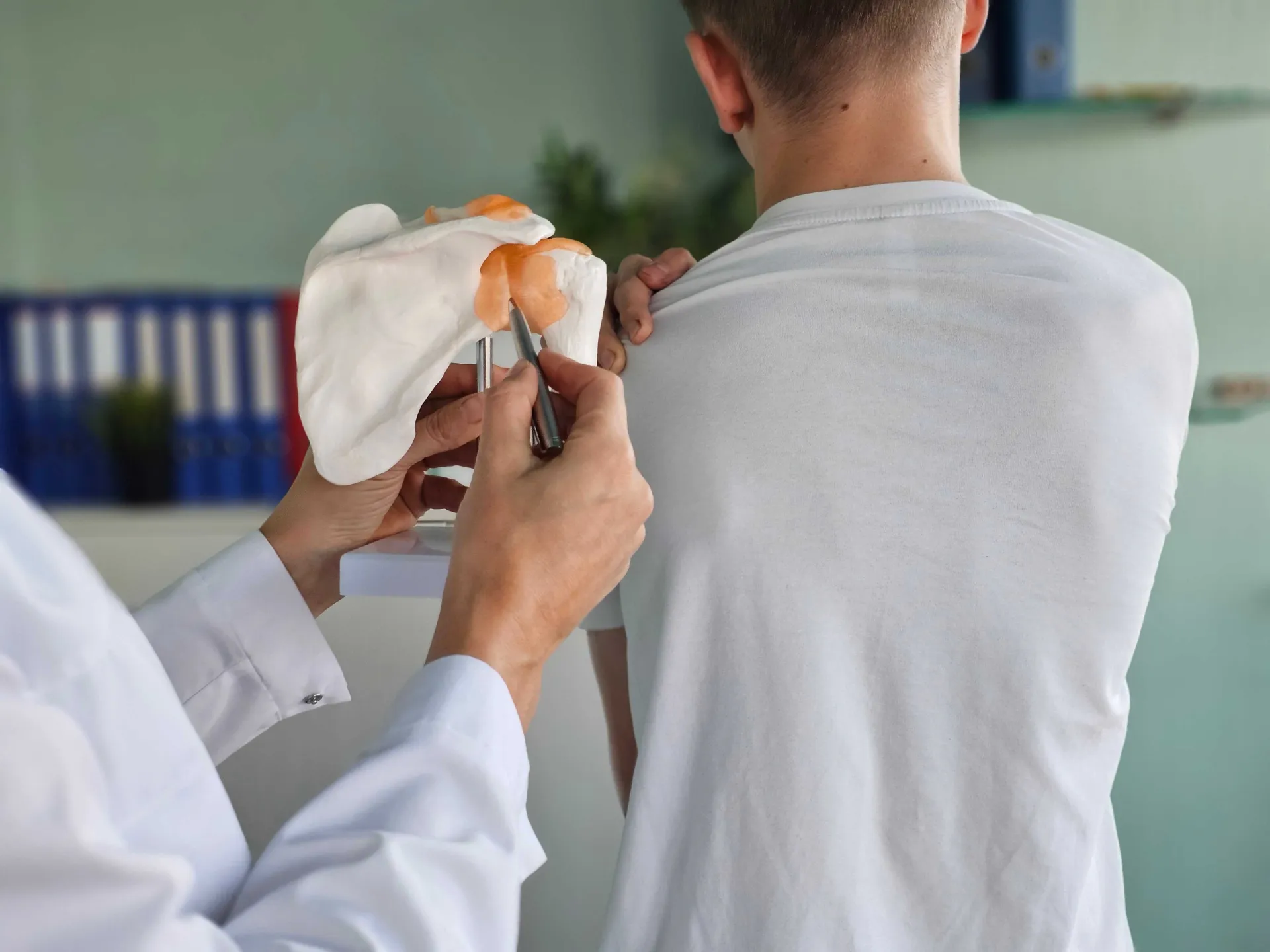
Consultation and assessment
- Detailed history and examination of your knees, hips and spine
- Weight-bearing X-rays of the knees, and sometimes other imaging
- A discussion of your goals: walking, climbing stairs, travel, playing with grandchildren, praying, gardening
Medical clearance
- Blood tests, ECG and, if needed, chest X-ray or echocardiogram
- Review of diabetes, blood pressure, heart, kidney and thyroid status
- An anaesthesia assessment
- Review of medicines, including blood thinners, which may need to be stopped or adjusted
- Screening and treatment of dental, skin or urinary infections beforehand
Prehabilitation
Strengthening your thigh and hip muscles before surgery speeds recovery. You might be given exercises to practise, and taught how to use crutches or a walker in advance.
Getting your home ready
- Clear walkways and remove loose rugs
- Arrange a chair with armrests and a firm seat
- Consider a raised toilet seat or commode and handrails in the bathroom
- Plan for help with meals and daily tasks in the first weeks
- Bring along comfortable clothes and non-slip footwear for the hospital
Healthy habits
- Stop smoking, which delays healing
- Control blood sugar
- Aim for a healthy weight where possible
- Eat a balanced diet with enough protein
The operation
Anaesthesia
Knee replacement is commonly done under spinal or epidural anaesthesia, which numbs the lower half of the body, often with sedation so that you are comfortable and asleep. Some patients have general anaesthesia. A nerve block is often added to reduce pain after surgery. The anaesthetist will advise what is best for you.
The surgery
- An incision is made over the front of the knee.
- The surgeon moves the kneecap aside and exposes the joint.
- The damaged bone surfaces are carefully shaped with precise cuts.
- The knee is balanced, so that ligaments are neither too tight nor too loose.
- The metal components are fixed to the bone, usually with bone cement.
- A plastic spacer is placed between them.
- The kneecap surface may be resurfaced.
- The wound is closed, a dressing is applied, and a drain may be placed.
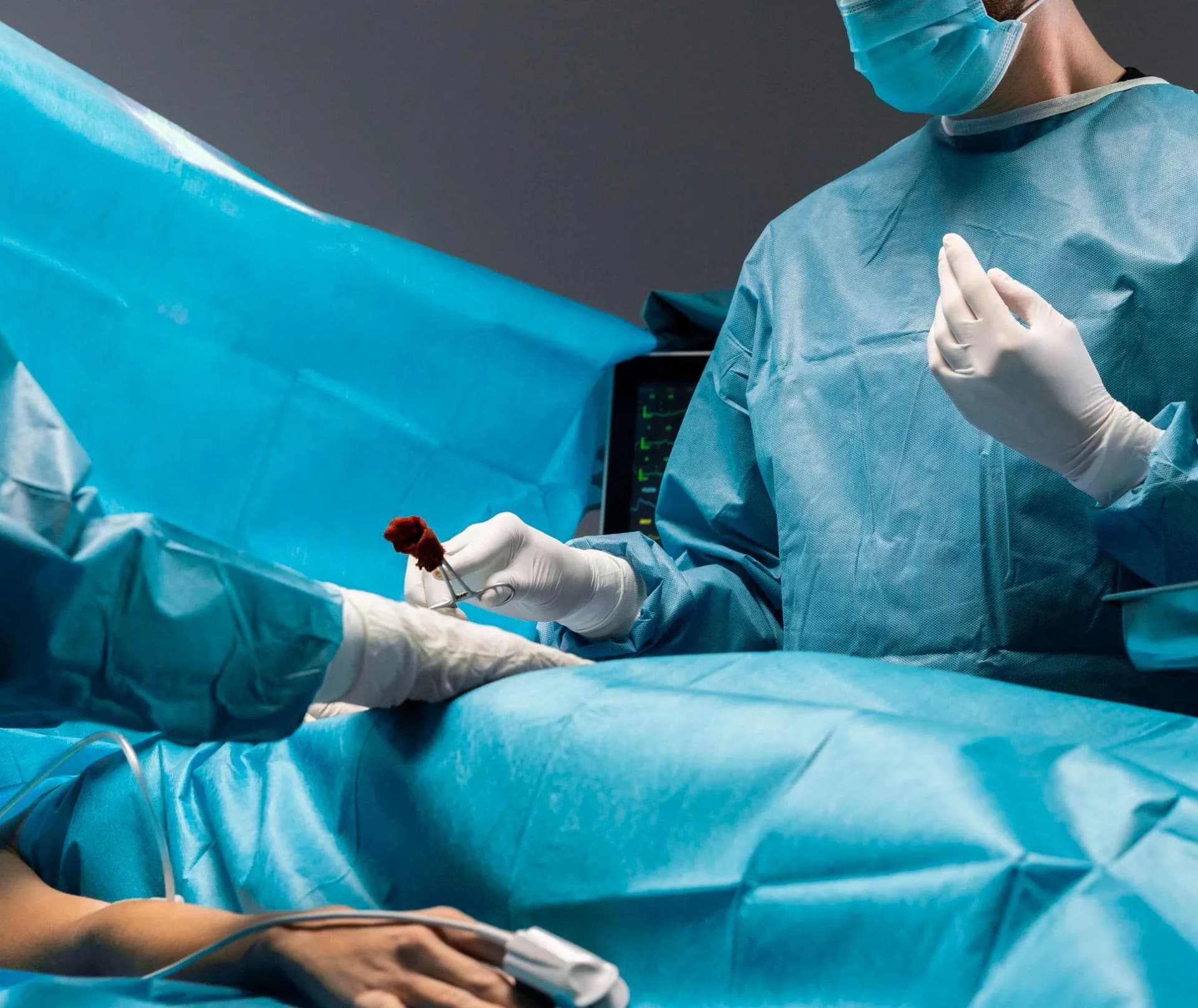
The operation typically takes around one to two hours. Instruments range from conventional guides to computer or robotic assistance. The surgeon's experience matters most. Our article on robotic versus conventional knee replacement helps you weigh the options.
Techniques that support early recovery
- Multimodal pain control, using several types of medicine and nerve blocks
- Tourniquet and blood loss management
- Early mobilisation
- Preventive measures against blood clots
After surgery: the hospital stay
The first day
- You wake up in the recovery area, then move to a room.
- Pain relief is given regularly. Do not wait until pain is severe before asking.
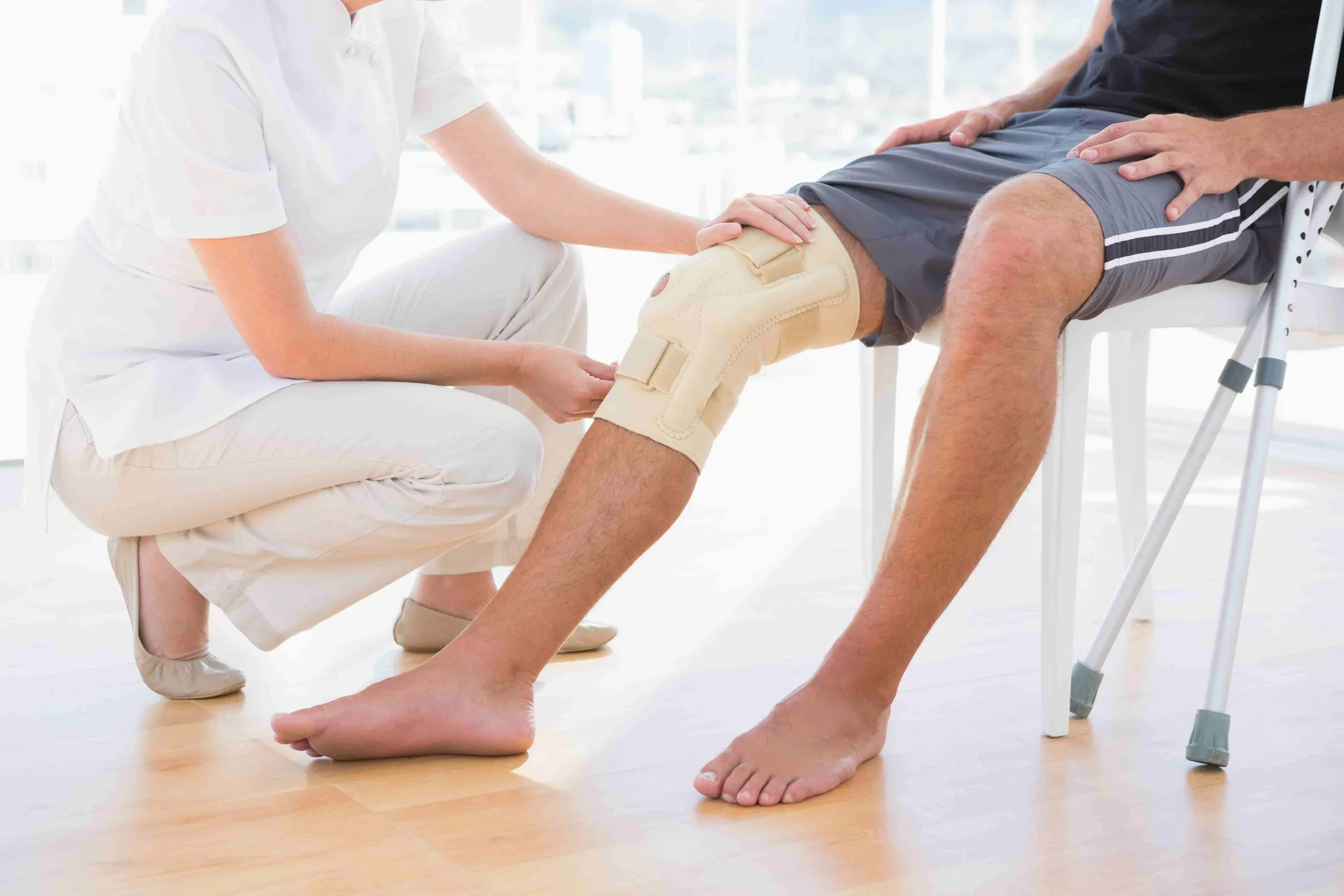
- A physiotherapist often helps you stand and take your first steps with a walker or crutches on the day of surgery or the day after.
- You are encouraged to move your ankles and knee, and to do breathing exercises.
- Blood thinning medicine or stockings, and sometimes compression devices, are used to prevent clots.
How long is the stay?
Many patients stay in hospital for around two to four days, depending on their progress, health and the protocol. You go home when you can walk safely with support, climb a few steps if needed, manage pain with tablets and care for your wound.
Before discharge
- Wound care instructions
- A written exercise programme
- Medicine list, including painkillers and blood thinners
- Warning signs to watch for
- Follow-up appointments
Recovery at home: what to expect
Recovery varies, so treat the following as typical.
Weeks 1 to 2
- Walking with a walker or crutches, increasing distance each day
- Exercises several times daily to regain bending and straightening
- Swelling and bruising are common. Elevate the leg and use ice as advised
- Stitches or staples are removed at around 10 to 14 days, or dissolving stitches are used
Weeks 2 to 6
- Switching to a stick or walking unaided when comfortable
- Bending improves, often to around 90 to 110 degrees or more
- Stationary cycling and gentle strengthening start
- Many people return to light daily activities. Desk work may be resumed around four to six weeks
- Driving is generally possible after the leg is strong enough to control the pedals and you are off strong painkillers. Ask your surgeon
Weeks 6 to 12
- Walking longer distances, climbing stairs with ease
- Improved strength and balance
- Much of the swelling subsides, though some may linger
Three to six months and beyond
- Most people reach good function by three months, with continued gains up to a year
- Pain relief is usually substantial. Some stiffness or tightness may remain for a while
- Low-impact activity such as walking, swimming, cycling and golf is encouraged
See our upcoming guide on exercises after knee replacement for a gradual programme. Physiotherapy is as important as the operation itself.
Possible risks
Knee replacement is common and generally safe, but, like any operation, it carries risks.
- Infection, in the wound or around the implant
- Blood clots in the legs, which can travel to the lungs
- Stiffness, sometimes needing manipulation
- Persistent pain, in a small number of people
- Implant loosening or wear over the long term
- Nerve or blood vessel injury, which is rare
- Anaesthetic complications
- Kneecap problems
- Leg length or alignment issues
The risk is lower with careful patient selection, good hospital standards, an experienced surgeon and active rehabilitation. Your surgeon will discuss these with you.
How long does a knee replacement last?
Modern implants typically last 15 to 20 years or longer, and many last much longer. Longevity depends on your weight, activity, bone quality, implant type and surgical technique. If an implant wears or loosens, a revision operation can be done.
Insurance and administrative support at Prakash Hospital
Prakash Hospital works with CGHS, ECHS, ESI and major insurance providers. The hospital's helpdesk can guide you through the approval process. It helps to bring your policy or card details and discuss coverage early. Our article on what affects the cost of knee replacement surgery explains the factors involved.
Knee replacement in Noida with Dr. Mayank Chauhan
Dr. Mayank Chauhan is a senior orthopedic and joint replacement surgeon at Prakash Hospital, D-12A/12B, Sector 33, Noida, next to the ISKCON Temple.
- MBBS from Maulana Azad Medical College, Delhi
- MS in Orthopaedics
- Arthroplasty fellowship at Hallym University Hospital, South Korea
- More than 15 years of experience
- Rated 4.9 out of 5 on Google
Prakash Hospital is a 100 bed, NABH and NABL accredited hospital with 24 hour emergency care. OPD hours are Monday to Saturday, 10 AM to 8 PM, and Sunday, 10 AM to 2 PM.
For more on choosing a surgeon, see our guide to the best knee replacement surgeon in Noida.
When to see a doctor
Book an assessment if:
- Knee pain has gone on for months and daily activities are limited
- You use painkillers regularly and they no longer work
- Your knee is deforming or giving way
- Night pain is affecting your sleep
- You are considering knee replacement and want an honest opinion
Seek urgent help if you have:
- A hot, red, swollen knee with fever
- Sudden severe pain after an injury
- Calf pain or swelling, or sudden breathlessness (possible blood clot)
Prakash Hospital in Noida has a 24 hour emergency department.
To book a consultation, call the number listed on the website.
This article is for general information and does not replace a medical examination.