Reviewed by Dr. Mayank Chauhan
Gout Treatment: Medicines, Diet and Long-Term Control
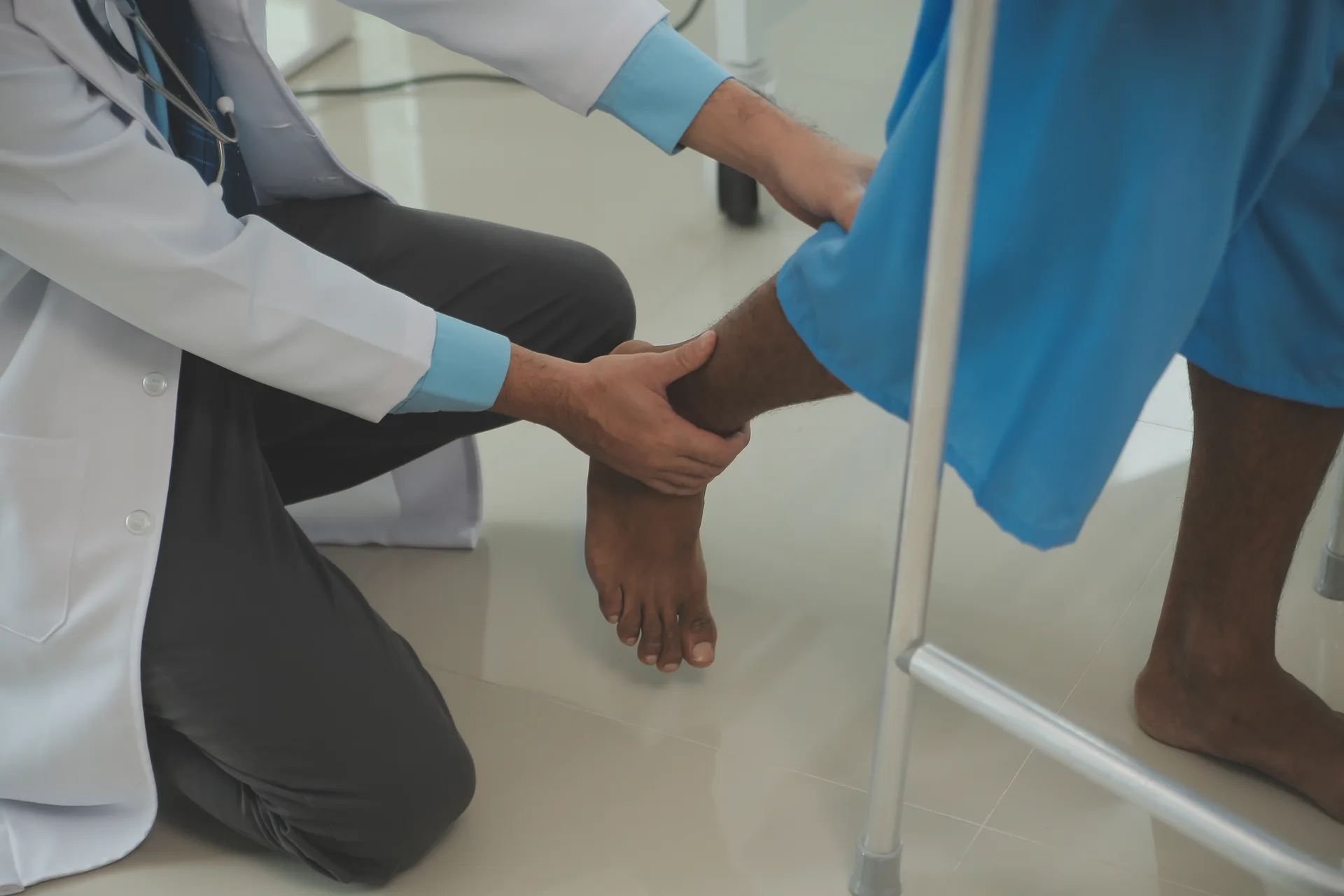
Gout attacks most often strike the big toe and usually peak within 12 to 24 hours.
Gout has a reputation for being the "rich man's disease," and an equally unfair reputation for being a minor problem that goes away on its own. Neither is true. Anyone can get gout, and the attacks, which can make a toe too painful to bear a bedsheet, are only one half of the story. The other half is a long-term problem: uric acid crystals building up quietly in the joints over years.
Good treatment therefore has two parts. One deals with the attack that is happening now. The other brings the uric acid down and keeps it there, so that attacks stop coming back and joints are not damaged. People who treat only the attacks tend to be back in the clinic every few months.
Gout in brief
Gout is a form of inflammatory arthritis caused by monosodium urate crystals. When uric acid in the blood stays high for long enough, crystals form in joints and soft tissues. The immune system reacts to them, producing sudden pain, redness, heat and swelling, typically in the big toe but also in the ankle, foot, knee, wrist, elbow or fingers.
Our articles on gout symptoms and early signs, and on normal uric acid levels explain how to recognise gout and interpret your blood tests. This guide is about what to do once you know.
Part 1: Treating an acute attack
An attack builds quickly, often overnight, and reaches peak pain within 12 to 24 hours. Untreated, it can last a week or two. The sooner treatment starts, the faster it settles.
The goal
Reduce pain and inflammation fast. The medicines used do not lower uric acid.
Options
Colchicine. An old gout medicine that works best if started within the first day of an attack. It is usually used in low doses, because larger doses cause diarrhoea and stomach upset. It needs dose adjustment in kidney or liver disease and interacts with some medicines.
NSAIDs (non-steroidal anti-inflammatory drugs). Examples include naproxen, indomethacin, diclofenac and etoricoxib. They work well but are not suitable for everyone, particularly people with stomach ulcers, kidney disease, heart disease, uncontrolled blood pressure or those on blood thinners.
Corticosteroids. Short courses of oral prednisolone, or a steroid injection into a single inflamed joint, are effective, and are often the choice when NSAIDs and colchicine are unsuitable. Steroid tablets can raise blood sugar, which matters for people with diabetes.
Ice and rest. A cold pack wrapped in a cloth for 15 to 20 minutes at a time can ease pain. Rest the joint, and keep it raised. Avoid heat during the attack.
Fluids. Drink plenty of water.
What not to do during an attack
- Do not start, stop or change your long-term uric acid lowering medicine without medical advice. If you are already on it, you usually continue it.
- Do not use aspirin for the pain, as it can raise uric acid levels in the body.
- Do not rely on home remedies alone while a joint is severely inflamed.
- Do not ignore fever. A hot, red joint with fever could be an infection and needs urgent care.
When the diagnosis is uncertain
A first attack in a knee or ankle can look like infection, injury or other arthritis. If there is doubt, a doctor may draw fluid from the joint. Seeing urate crystals under the microscope confirms gout. Septic arthritis is an emergency, so a swollen hot joint with fever should never wait.
Part 2: Lowering uric acid for the long term
Who needs long-term treatment?
Not everyone who has one attack needs daily medicine for life. Treatment is generally recommended for people who have:
- Two or more attacks per year
- Tophi (chalky lumps under the skin)
- Joint damage seen on X-ray
- Kidney stones or chronic kidney disease with high uric acid
- A very high uric acid level
For a person with a single attack and a mildly raised level, a conversation with the doctor about whether to start, and when, is reasonable. Guidelines suggest that urate-lowering therapy can also be considered after a first attack in those with kidney disease, a very high uric acid, or urinary stones.
The target
The key goal is to bring serum uric acid below 6 mg/dL, and often below 5 mg/dL in people with severe gout or tophi. Staying under this level over time allows crystals to dissolve and prevents new ones from forming. This is called a "treat to target" approach: dose adjustments are made step by step, with blood tests, until the target is reached and kept.
The medicines
Allopurinol. The usual first choice, according to major guidelines such as the American College of Rheumatology guideline. It reduces the production of uric acid. The standard advice is to start at a low dose and increase gradually over weeks and months, checking blood levels, instead of beginning at a high dose. This lowers the risk of side effects and of triggering flares. It needs dose adjustment in kidney disease. Rarely, it can cause a serious skin reaction, which is more likely in certain genetic backgrounds, so any new rash must be reported at once.
Febuxostat. An alternative to allopurinol for those who cannot tolerate it. There are cardiovascular safety considerations, so it is used with careful consideration, especially in people with heart disease.
Probenecid and other uricosurics (medicines that increase uric acid excretion by the kidneys). Used in selected people with good kidney function and no history of kidney stones, either alone or with other treatment.
Pegloticase. An infusion medicine for severe, treatment-resistant gout, given under specialist supervision.
Choice of medicine, starting dose and increase schedule are decisions for your doctor, based on your kidneys, other conditions, other medicines and uric acid level.
Flare prevention when starting treatment
Starting uric acid lowering therapy can paradoxically trigger more attacks in the first months, because crystals begin to dissolve and shift. To reduce this, doctors prescribe low-dose colchicine, an NSAID or low-dose prednisolone alongside, usually for three to six months. This is called flare prophylaxis.
Many people stop their medicine when the flares get worse, thinking it is not working. In most cases, this early increase is temporary. Talk to your doctor rather than stopping.
Monitoring
- Uric acid is checked every few weeks while the dose is being adjusted, then at least once or twice a year.
- Kidney and liver tests are done periodically.
- Blood pressure, cholesterol and blood sugar are reviewed, since they often accompany gout.
Do not stop treatment when the pain stops
Gout is a chronic condition. Long-term medicines work only while you take them. If you stop, uric acid creeps back up and attacks usually return. Some people with well-controlled disease, sustained weight loss and lifestyle change may discuss dose reduction with their doctor, but this should never be a unilateral decision.
Part 3: Diet and lifestyle
Diet alone rarely controls gout, because most uric acid is made by your body. But it helps, and it improves general health.
Foods and drinks to limit
- Alcohol, especially beer and spirits. Alcohol raises uric acid and can trigger attacks. Wine has a smaller effect, but moderation still matters.
- Sugary drinks, particularly those sweetened with fructose, such as colas and packaged juices
- Organ meats (liver, kidney, brain)
- Red meat in large portions, and game meats
- Certain seafood, including sardines, anchovies, mackerel, shellfish and prawns, in large amounts
Our guide on foods that trigger gout attacks goes through this in detail.
Foods that are generally fine, or helpful
- Vegetables, including spinach, cauliflower and mushrooms. Older advice to avoid these is no longer supported, because studies show vegetable purines do not raise gout risk
- Dals and pulses in moderation
- Low-fat dairy such as milk and curd, which may help lower uric acid
- Whole grains
- Fruits, especially citrus. Vitamin C may modestly lower uric acid
- Water. Good hydration helps the kidneys flush uric acid
- Coffee in moderation may be associated with lower gout risk, though this should not be a reason to start drinking it
Weight and activity
Gradual weight loss lowers uric acid and reduces attacks. Avoid crash diets and fasting, which can raise uric acid temporarily. Regular moderate exercise helps, but rest the joint during an attack. Our guide on how to lower uric acid naturally covers practical steps.
Other measures
- Review medicines that raise uric acid, such as certain water tablets, with your doctor
- Control blood pressure, blood sugar and cholesterol
- Stop smoking
- Avoid dehydration, especially in hot weather and when exercising
What to do about tophi and joint damage
In long-standing, poorly controlled gout, crystals build up as tophi. Good urate-lowering treatment can dissolve them over months to years. Occasionally, tophi that are large, infected, ulcerated or pressing on nerves need surgical removal. Joints damaged by repeated attacks may develop secondary arthritis, and in severe cases, joint replacement may be considered.
When to see a doctor
See a doctor promptly if you have:
- A hot, red, swollen, painful joint, especially the big toe, ankle or knee
- Repeated attacks
- Lumps near joints
- A high uric acid result with joint symptoms
- Side effects from your medicines
- Gout along with kidney disease, heart disease or diabetes
Go to the emergency department urgently if:
- A single hot, red, swollen joint comes with fever or chills
- You cannot move the joint at all
- You develop a rash, fever or mouth sores after starting a new medicine
- You have severe flank pain, blood in the urine or vomiting (possible kidney stone)
Prakash Hospital in Noida has a 24 hour emergency department.
Gout care in Noida with Dr. Mayank Chauhan
A good gout plan combines quick treatment of attacks, a long-term strategy and attention to joint health. Dr. Mayank Chauhan is a senior orthopedic surgeon at Prakash Hospital, D-12A/12B, Sector 33, Noida, next to the ISKCON Temple. He has more than 15 years of experience, trained at Maulana Azad Medical College, Delhi, and completed an arthroplasty fellowship at Hallym University Hospital, South Korea. His patients rate him 4.9 out of 5 on Google.
Prakash Hospital is NABH and NABL accredited and works with CGHS, ECHS, ESI and major insurers. OPD hours are Monday to Saturday, 10 AM to 8 PM, and Sunday, 10 AM to 2 PM.
To book a consultation, call the number listed on the website.
This article is for general information and does not replace a medical examination. Medicines and doses must be decided by your treating doctor.