Knee Pain Doctor in Greater Noida — Getting the Right Diagnosis
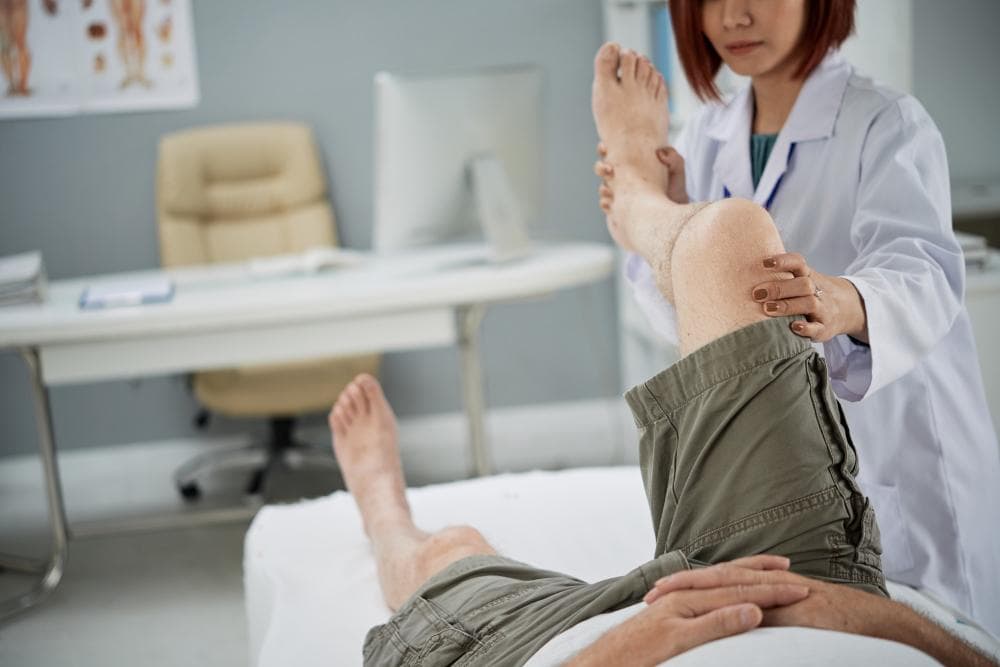
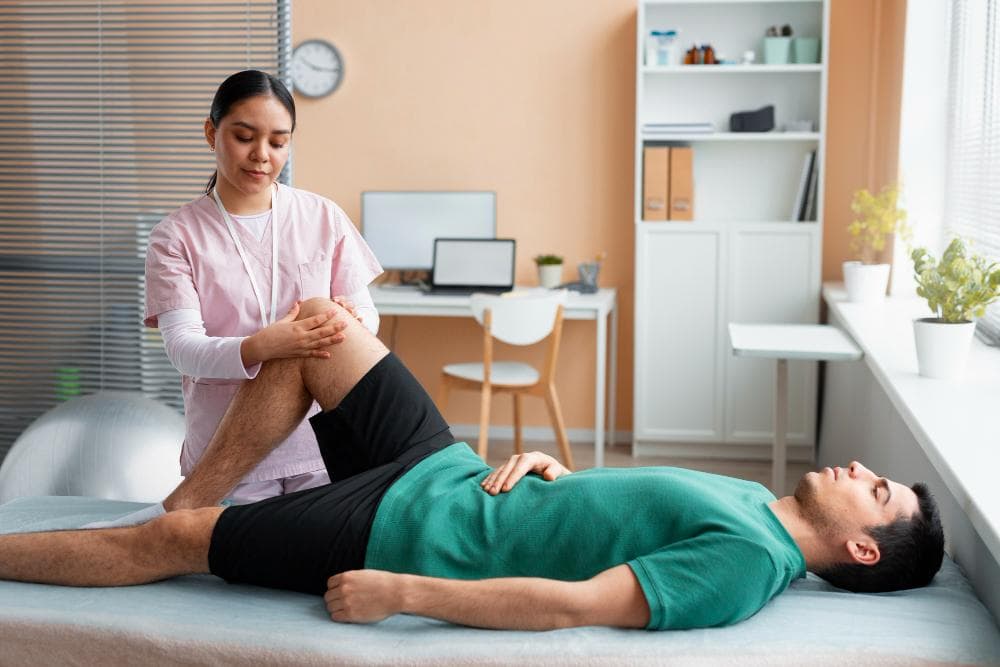
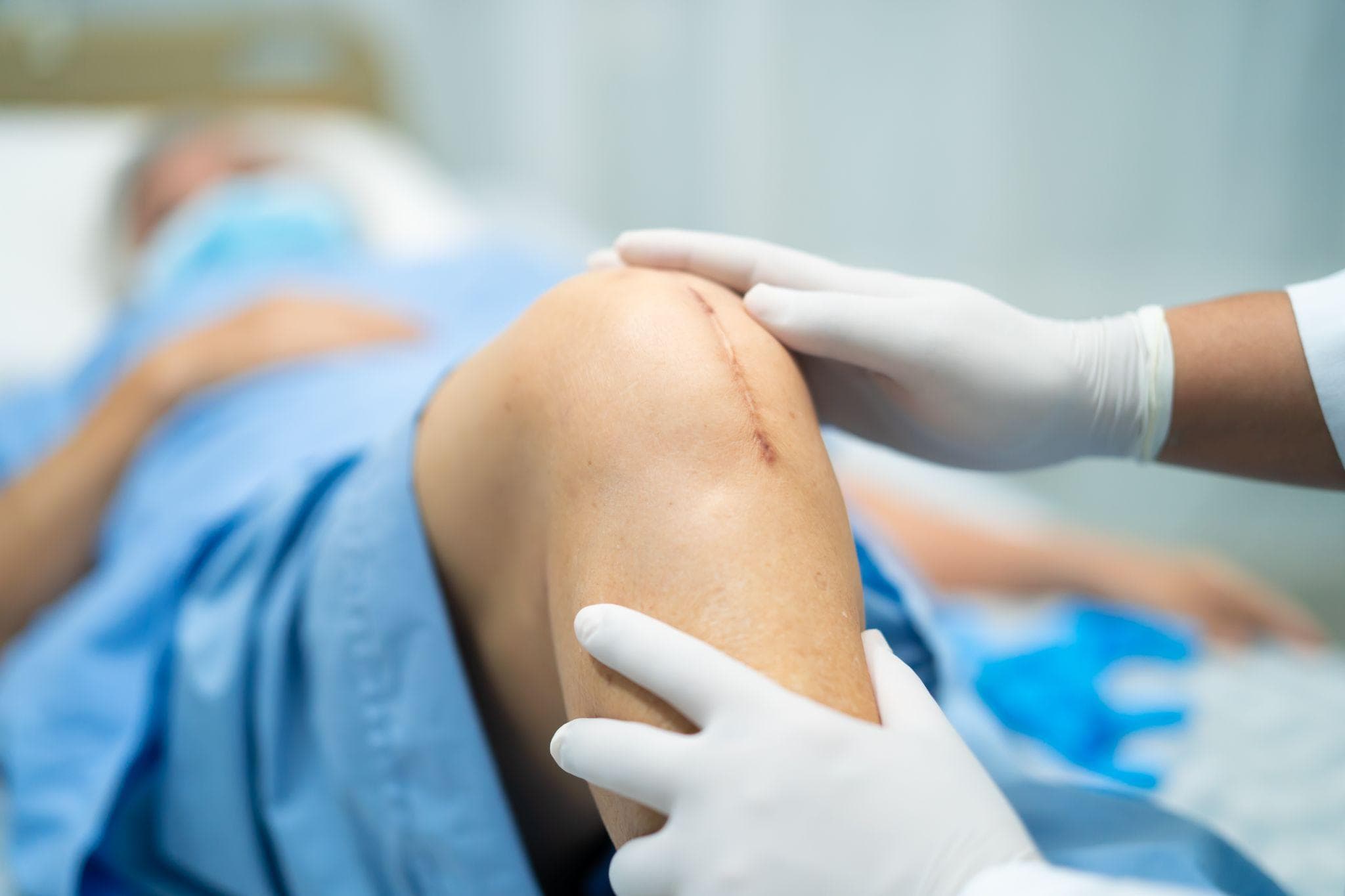
A doctor physically taking part in assessing a patient's knee pain by grasping their leg and manipulating the movement in a doctor's office.
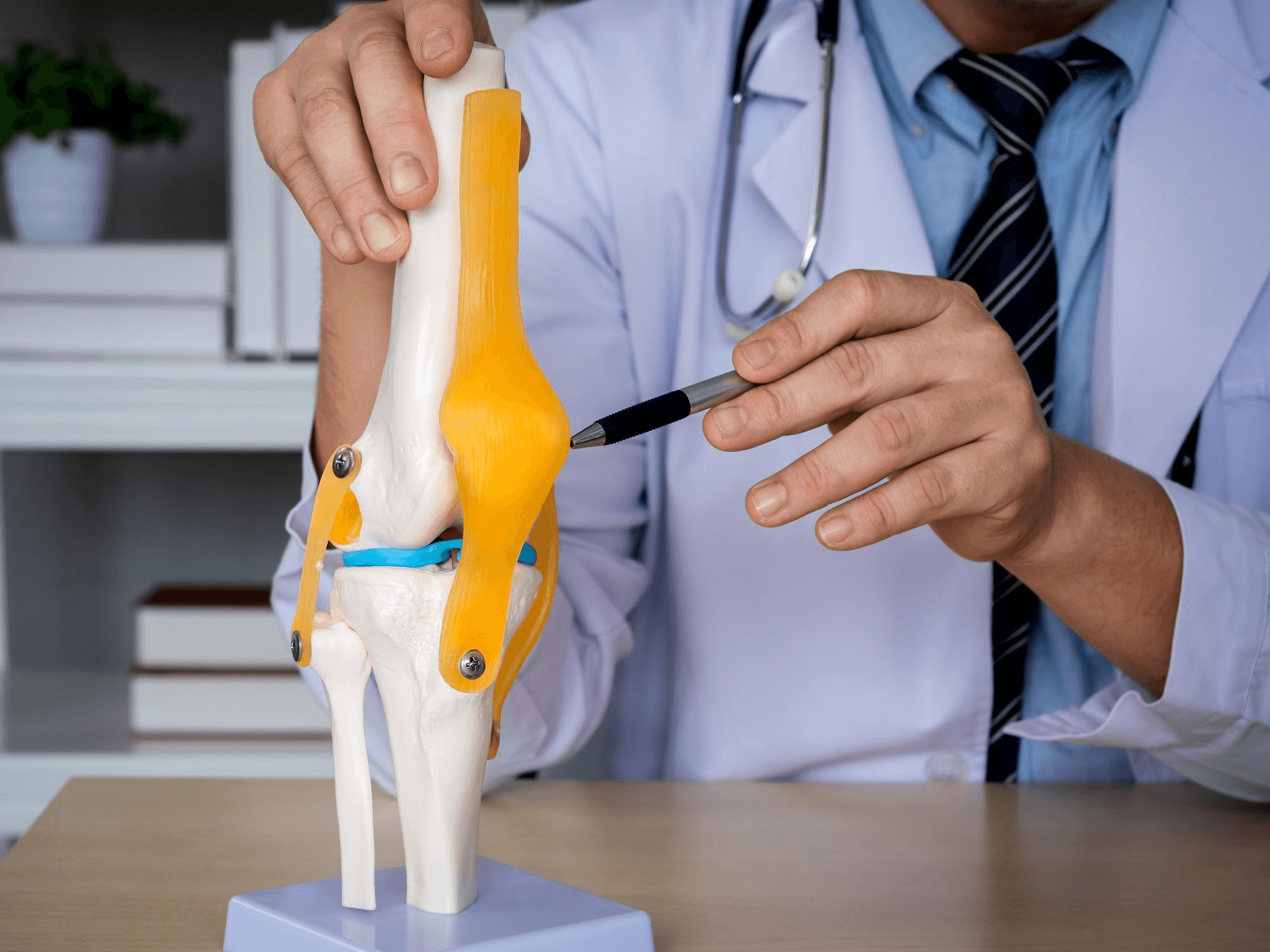
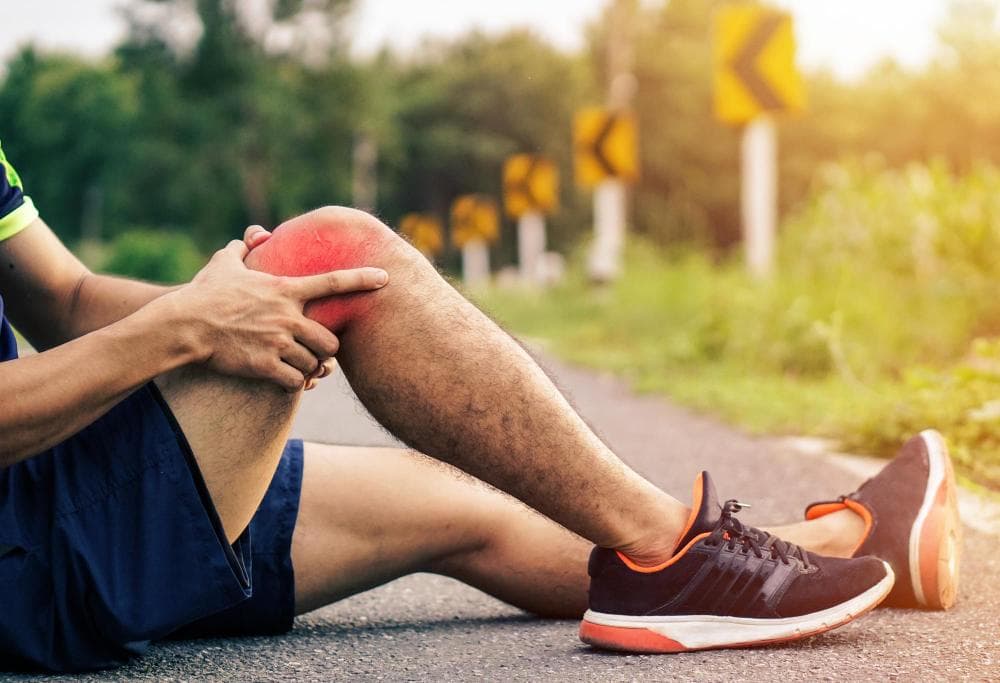
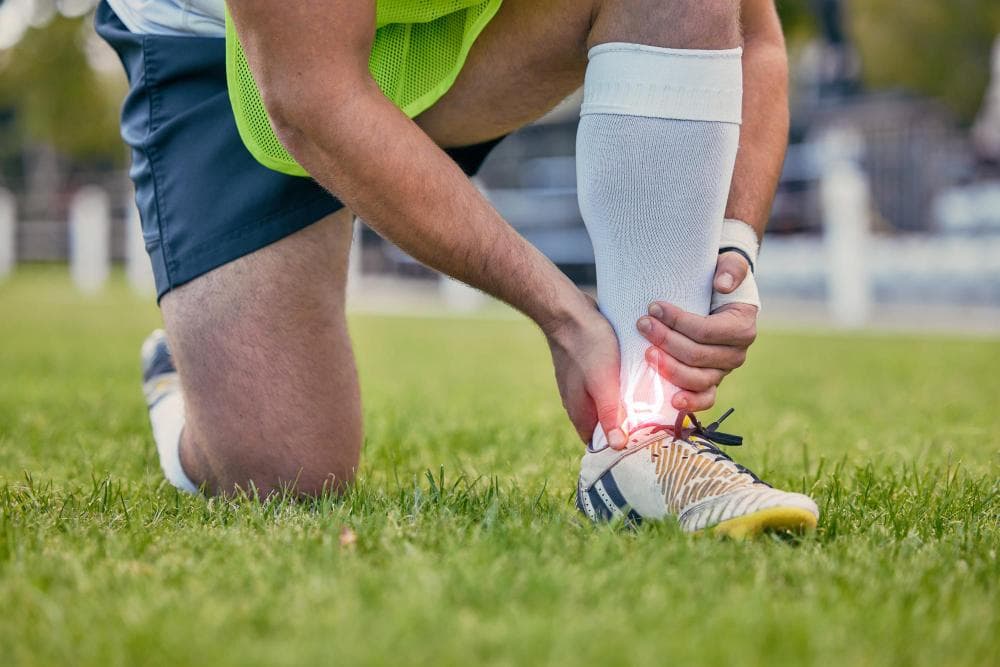
Knee pain is not one problem. It's a symptom that can originate from a dozen different structures — cartilage, ligaments, tendons, bursae, bones, and the joint surface itself. The right treatment for a 28-year-old with a sports injury is completely different from what a 60-year-old with bone-on-bone arthritis needs.
What connects patients across Greater Noida, Noida Extension (Gaur City), Pari Chowk, and the Yamuna Expressway corridor is a consistent challenge: finding an orthopedic specialist who will examine the knee properly, interpret imaging accurately, and give advice that is genuinely tailored to that specific patient rather than a generic plan.
This guide explains what a proper knee evaluation involves, what the most common causes of knee pain are, and what you should expect from an orthopedic consultation.
Why Knee Pain Needs Proper Assessment — Not Guessing
Knee pain is frequently self-managed or managed empirically — painkillers, rest, some physiotherapy, occasionally a cortisone injection. Sometimes this works because the underlying problem is minor and self-limiting.
When it doesn't work — when the pain persists, worsens, or returns — it's because the cause hasn't been correctly identified. Treating "knee pain" without diagnosing its source is like treating "chest pain" without working out why it hurts.
A correct diagnosis requires:
- A careful history of when the pain started, what makes it better or worse, and what specific activities are affected
- A physical examination of the knee — checking alignment, stability, range of motion, tenderness pattern, and the specific signs of individual conditions
- Appropriate imaging — X-ray for bone assessment, MRI for soft tissue
This sequence — history, examination, then imaging — is not bureaucratic. Each step narrows the differential diagnosis so that imaging is targeted at answering specific questions, not ordered blindly.
The Most Common Causes of Knee Pain by Age Group
1. Young Adults (20–40 years)
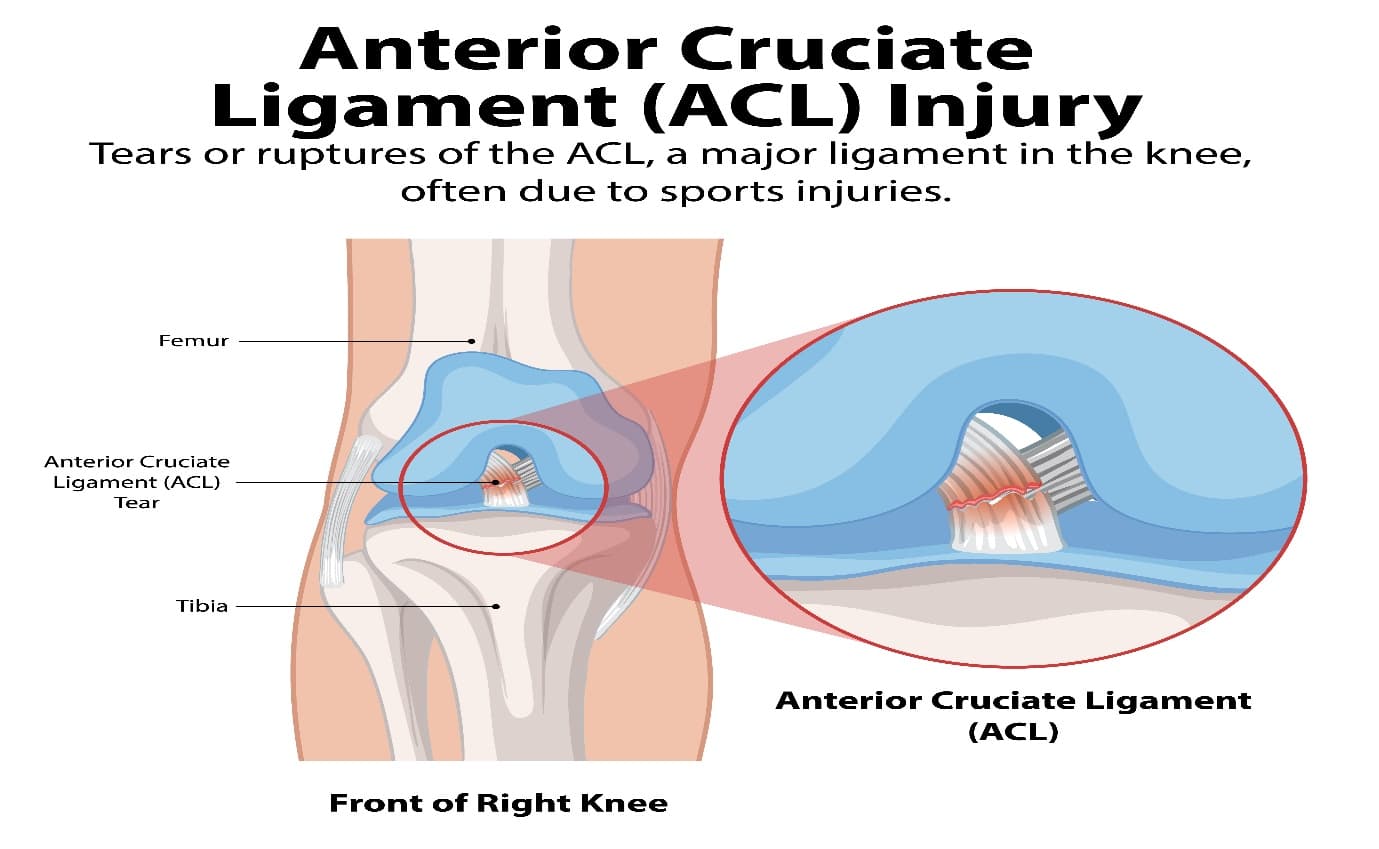
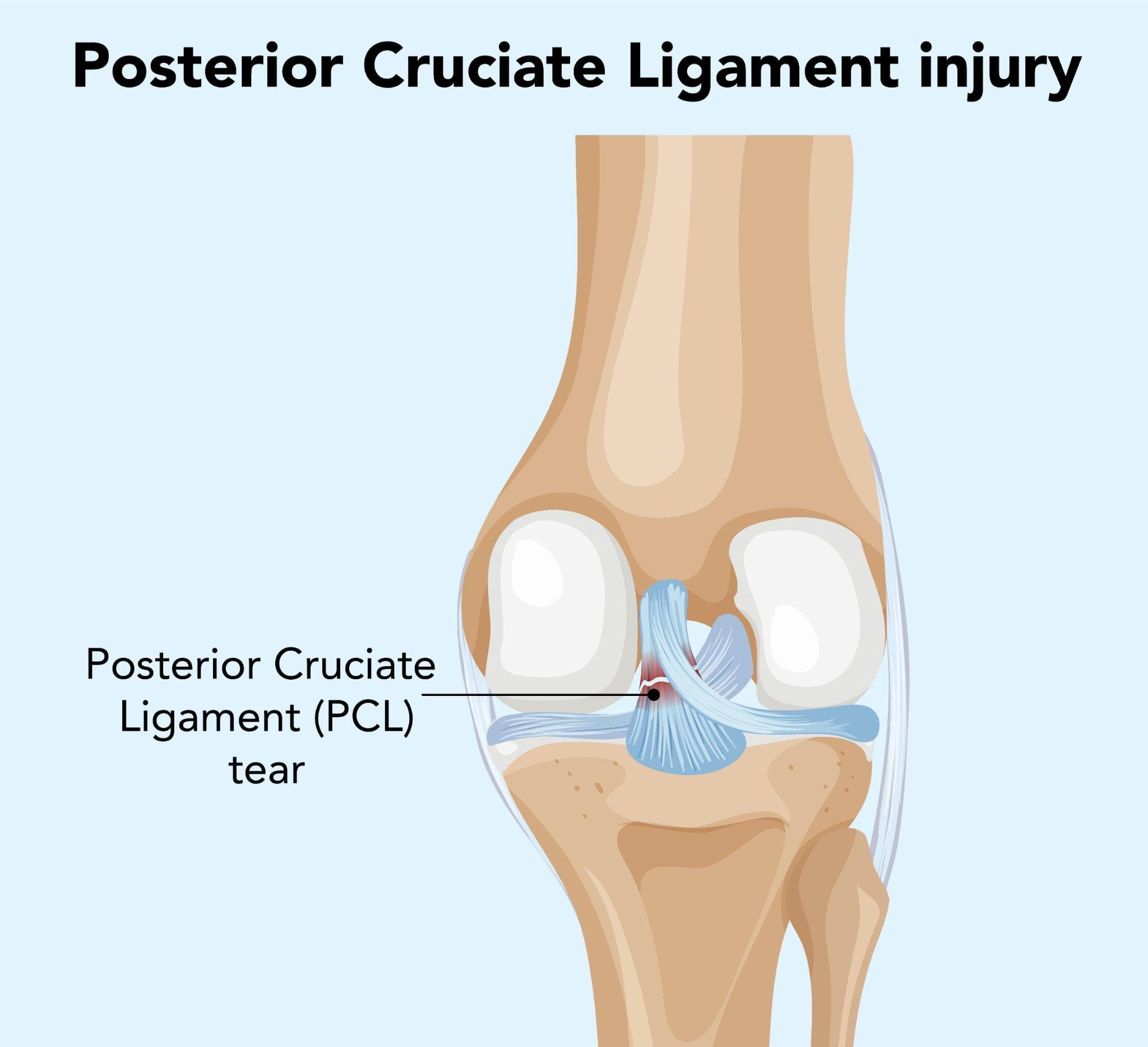
ACL tear: The most feared sports knee injury. Sudden pivot, pop, and giving way. Rapid swelling. Usually requires surgical reconstruction for active patients. Common in cricket, football, kabaddi, basketball.
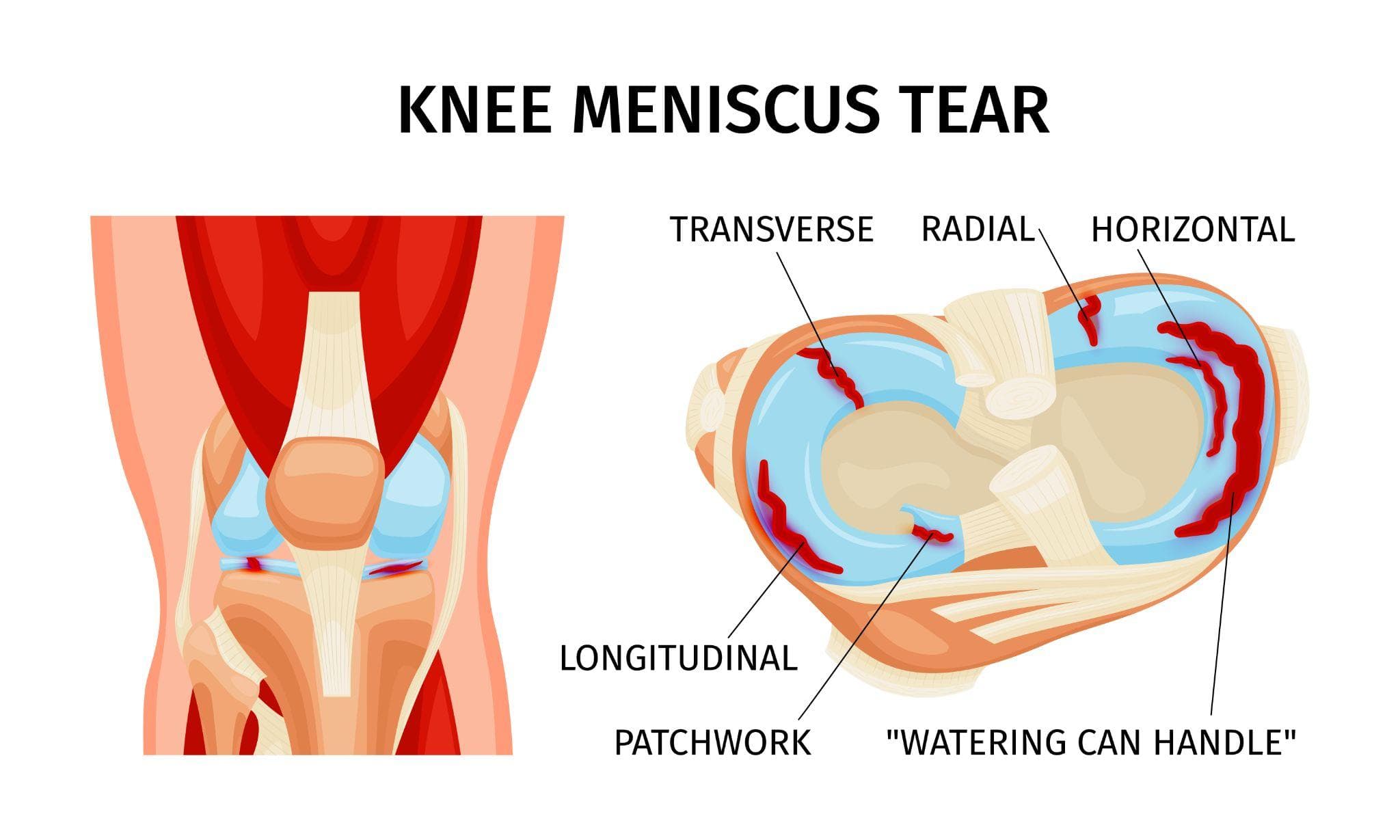
Meniscal tear: Twisting injury or degenerative tear. Medial or lateral knee pain with squatting. Possible locking or giving way. Managed conservatively or with arthroscopy depending on tear type and age.
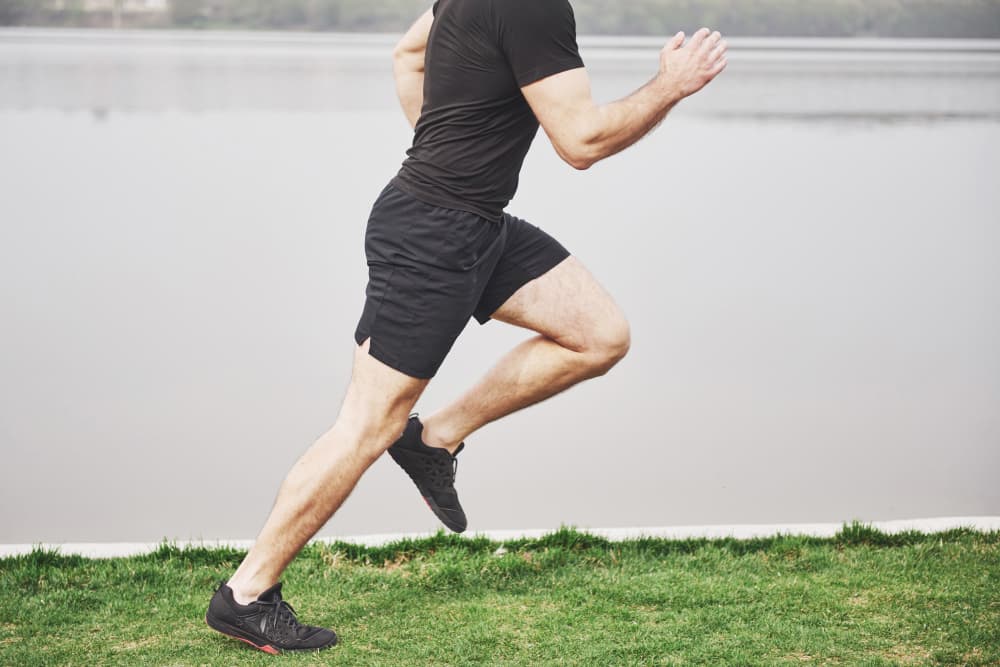
Patellofemoral pain syndrome (runner's knee): Anterior knee pain (behind the kneecap) with running, stair climbing, and sitting with knees bent for long periods. Usually responds to quadriceps strengthening and physiotherapy.
Patellar tendinopathy (jumper's knee): Pain at the bottom of the kneecap in athletes who jump or sprint frequently. Responds to eccentric loading exercises.
IT band syndrome: Lateral knee pain in runners. A friction syndrome at the outer knee. Responds to stretching and biomechanical correction.
2. Middle-Aged Adults (40–60 years)
Early-to-moderate osteoarthritis: Gradual onset of medial (inner) knee pain with activity, stiffness after rest, crepitus. X-ray shows early joint space narrowing. Managed with physiotherapy, weight management, injections, and when advanced, surgery.
Meniscal degeneration: The menisci thin and tear more readily with age. May occur without a specific traumatic incident. Medial or lateral joint line tenderness.
Pes anserine bursitis: Inner-side knee pain, often in overweight patients with osteoarthritis. A bursa just below and inside the joint becomes inflamed.
Ligament injuries: Medial collateral ligament (MCL) sprains from valgus force are common in this age group. Usually managed conservatively.
3. Older Adults (60+ years)
Moderate-to-severe osteoarthritis: The most common cause of knee pain in this age group. Bone-on-bone contact, significant joint space loss on X-ray. Pain with all activity and often at rest. When non-surgical management fails, total or partial knee replacement is the appropriate intervention.
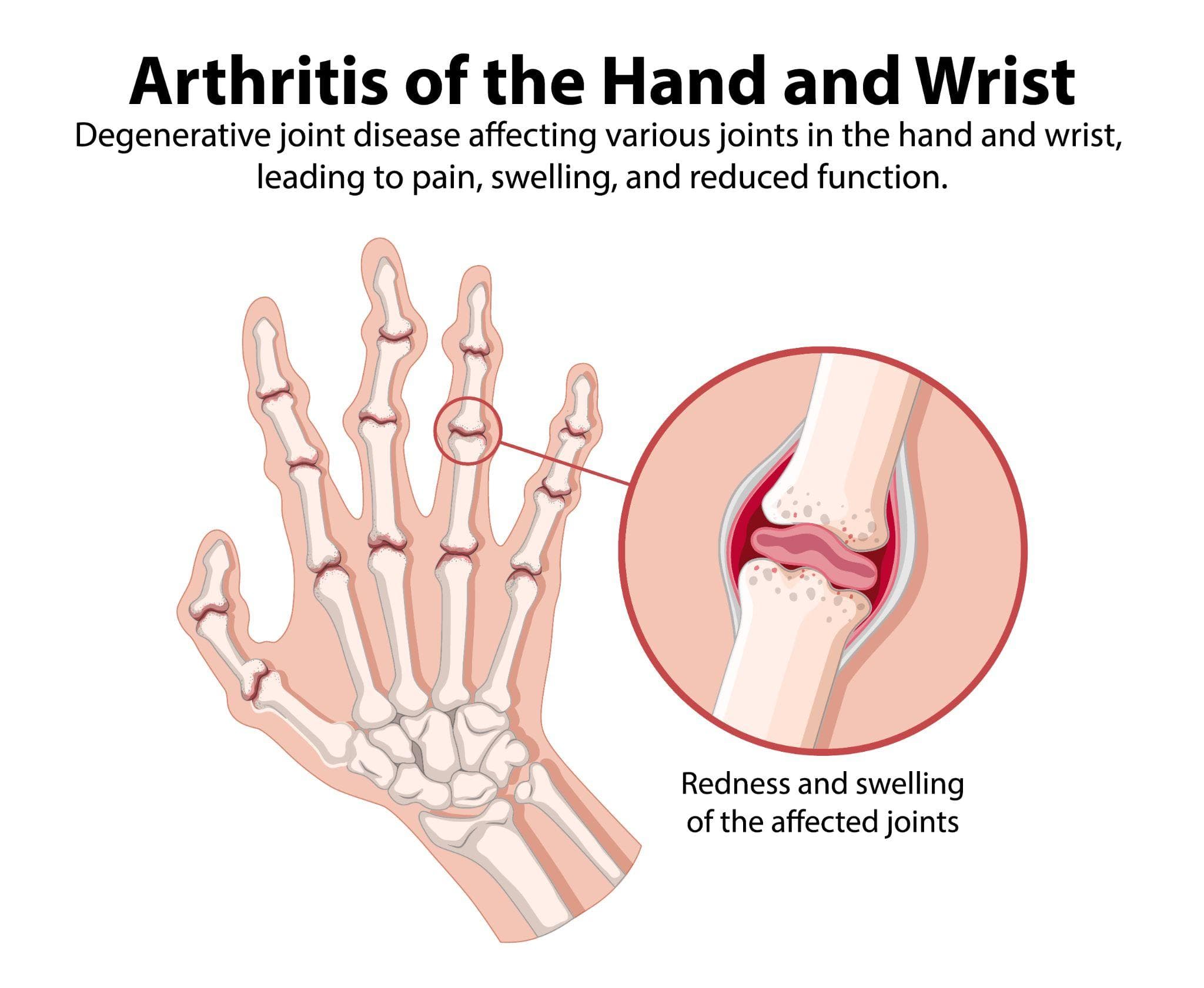
Rheumatoid arthritis: Symmetric joint involvement, morning stiffness lasting more than an hour, systemic features. Managed medically first; joint replacement for end-stage disease.
Gout and pseudogout: Crystalline arthritis causing acute episodes of severe inflammation. Important to diagnose because management is very specific (anti-gout medication, not steroid injections).
When Is Surgery the Answer?
Surgery is not the first answer for most knee problems. But it is the right answer when specific conditions are present:
Knee replacement is appropriate when:
- Osteoarthritis is severe (bone-on-bone on X-ray)
- Pain significantly limits daily activities
- Non-surgical treatment — physiotherapy, injections, weight management — has been genuinely tried and failed
- The patient's overall health permits surgery
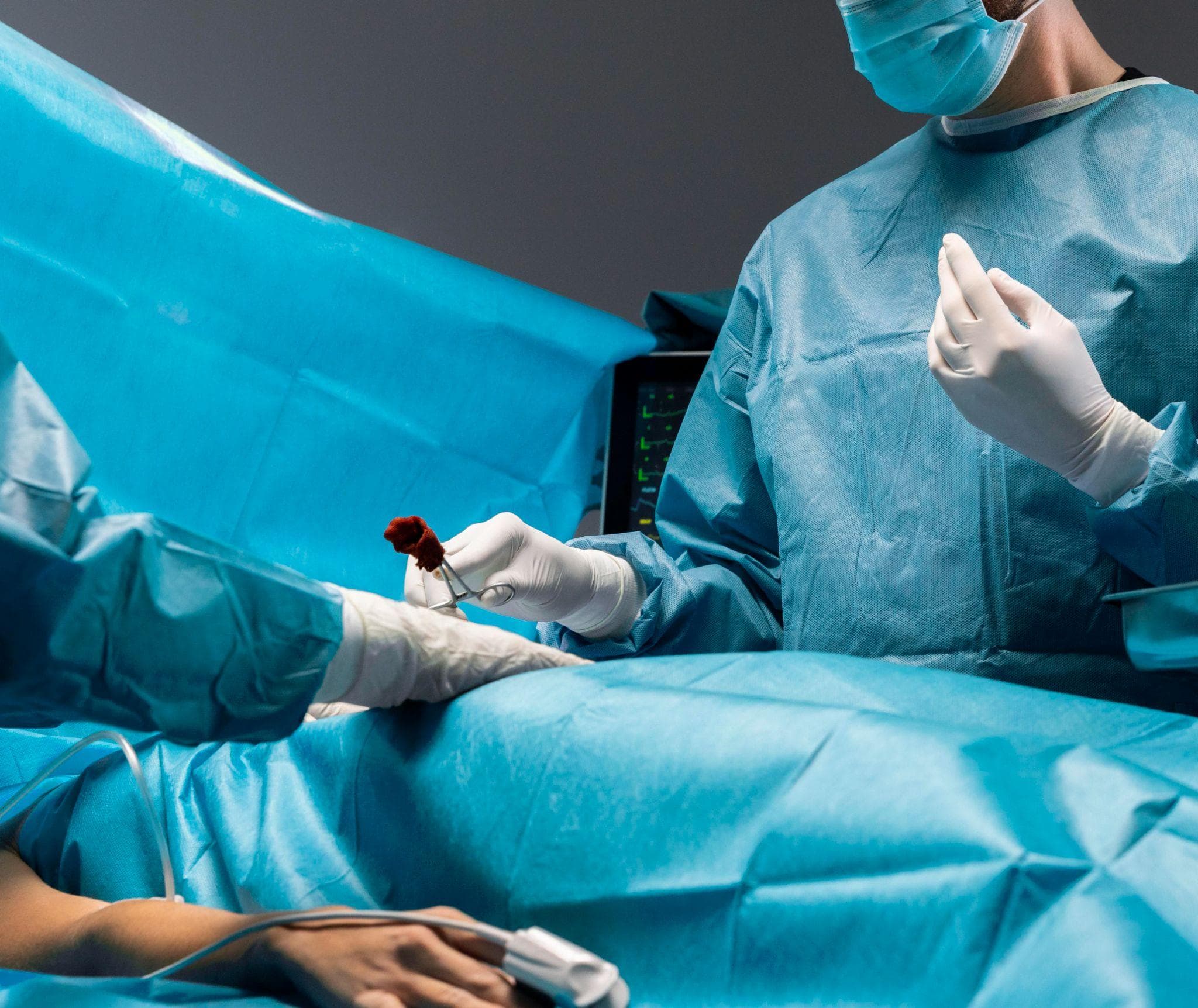
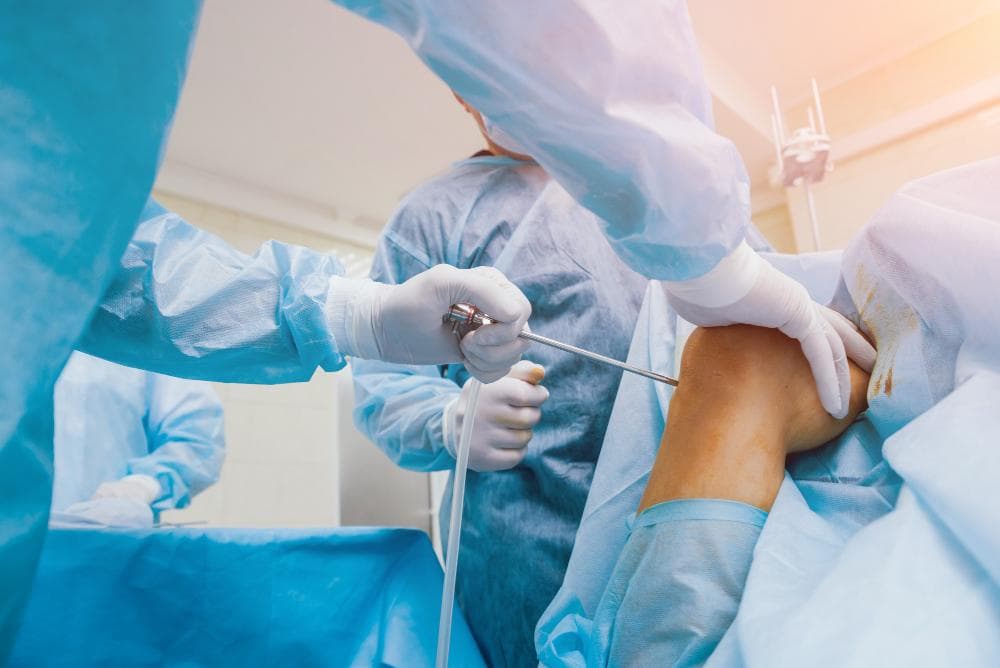
Knee arthroscopy is appropriate for:
- Meniscal tears causing mechanical symptoms (locking, giving way)
- Loose bodies causing pain and catching
- Cartilage procedures in younger patients
- ACL reconstruction
Injections (cortisone or hyaluronic acid) are appropriate for:
- Moderate arthritis where surgery is not yet warranted
- Providing a window for physiotherapy
- Reducing inflammation in the short-to-medium term
The correct sequence: try appropriate non-surgical management first. If it fails, reassess whether surgery is now indicated.
What a Good Knee Consultation Includes
A proper orthopedic knee consultation should cover:
History: Duration of pain, mechanism of onset (trauma vs gradual), pain pattern (medial/lateral/anterior/posterior), activity limitations, what helps and what worsens, prior treatments.
Examination: Inspection (alignment, swelling, muscle wasting), palpation (specific tenderness over joint line, bony landmarks, tendon insertions), range of motion (both active and passive), stability tests (Lachman, varus/valgus stress, posterior drawer), meniscal tests (McMurray, Thessaly), patellofemoral assessment.
Imaging review: Plain X-rays in weight-bearing positions are essential for arthritis assessment. MRI for soft tissue pathology when the clinical picture suggests ligament, meniscal, or cartilage involvement.
Discussion of options: Conservative management options with realistic outcomes, injection options, and surgical options where relevant — with honest discussion of what each can and cannot achieve for this specific patient's presentation.
Serving Greater Noida and NCR Patients at Prakash Hospital
Dr. Mayank Chauhan is a Senior Orthopedic and Joint Replacement Surgeon at Prakash Hospital, which has two campuses serving the Greater Noida–Noida region:
Sector 33 Noida (Main Campus): D-12A, 12B, Sector-33, Noida — adjacent to the ISKCON Temple. Easily accessible from Noida, Ghaziabad, Indirapuram, and Vasundhara by road or Metro.
Greater Noida Campus: Sector Omega-1, Greater Noida — serving patients from Greater Noida, Noida Extension (Gaur City, Amrapali, Supertech sectors), Pari Chowk, and the Yamuna Expressway corridor.
Dr. Mayank Chauhan's practice covers the full spectrum of knee conditions — from sports injuries and ACL tears in young patients to arthroscopic procedures, partial and total knee replacement for arthritis. He evaluates each patient individually before any surgical recommendation is made.
Hospital empanelment includes CGHS, ECHS, ESI, and all major private insurance companies, making care accessible for government employees, ex-servicemen, and insured patients.
Consultation hours at Prakash Hospital: Monday–Saturday, 10 AM–8 PM; Sunday, 10 AM–2 PM.
When to Book an Appointment
Consider coming in if:
- Knee pain has persisted for more than 4–6 weeks despite rest and basic treatment
- The knee has swollen significantly after an injury
- You have clicking, locking, or giving way with movement
- Stairs, squatting, or getting up from sitting have become difficult
- You've been told you need knee replacement but want a proper evaluation before deciding
- You're a sportsperson who has sustained a significant knee injury and want to understand your options
To book a consultation, call the number listed on the website. Walk-ins are welcome during OPD hours.