Reviewed by Dr. Mayank Chauhan
Orthopedic Doctor Near ISKCON Temple, Sector 33, Noida
The OPD at Prakash Hospital, next to the ISKCON Temple, is open every day, including Sunday mornings.
If you live in or around Sector 33, or you are searching on your phone for "orthopedic doctor near me," a nearby specialist can save a lot of effort. When your knee is swollen or your back has locked up, a short trip matters. So does knowing exactly where to go, which doctor you will see, what to carry, and what the visit involves.
This page is a practical guide to orthopedic care at Prakash Hospital in Sector 33, Noida, next to the ISKCON Temple, where Dr. Mayank Chauhan consults. It covers where to find the hospital, what conditions are seen, how a visit works, and what to do in an emergency.
Where to find us
Address: Prakash Hospital, D-12A/12B, Sector 33, Noida, next to the ISKCON Temple.
The ISKCON Temple is a well-known local landmark, which makes the hospital easy to locate. When you travel by cab, auto or your own vehicle, you can search for "Prakash Hospital, Sector 33, Noida" on a map application and follow the directions. If you are coming from Delhi, Ghaziabad, Greater Noida or other parts of NCR, check live traffic on a map app before you leave, since travel times vary a lot during peak hours.
OPD hours:
- Monday to Saturday: 10 AM to 8 PM
- Sunday: 10 AM to 2 PM
Emergency: The hospital has a 24 hour emergency department.
About the hospital
Prakash Hospital is a 100 bed hospital with:
- NABH accreditation, which reflects defined standards for patient safety and quality
- NABL accreditation for the laboratory
- 24 hour emergency care
- Empanelment with CGHS, ECHS and ESI, and major insurance companies
These matter for orthopedic care because many conditions need tests, imaging, procedures and, sometimes, surgery. Having them under one roof makes the process easier.
Your orthopedic surgeon: Dr. Mayank Chauhan
Dr. Mayank Chauhan is a senior orthopedic and joint replacement surgeon.
- MBBS from Maulana Azad Medical College, Delhi
- MS in Orthopaedics
- Arthroplasty fellowship at Hallym University Hospital, South Korea
- More than 15 years of experience
- 4.9 out of 5 rating on Google
His approach is to start with the least invasive treatment that is likely to work, explain the diagnosis clearly, and recommend surgery only when it is the right step.
Conditions we see
Joint problems
- Knee pain and arthritis, including advanced arthritis needing replacement (see our guide to knee replacement in Noida)
- Hip pain and arthritis, including hip replacement (see hip replacement in Noida)
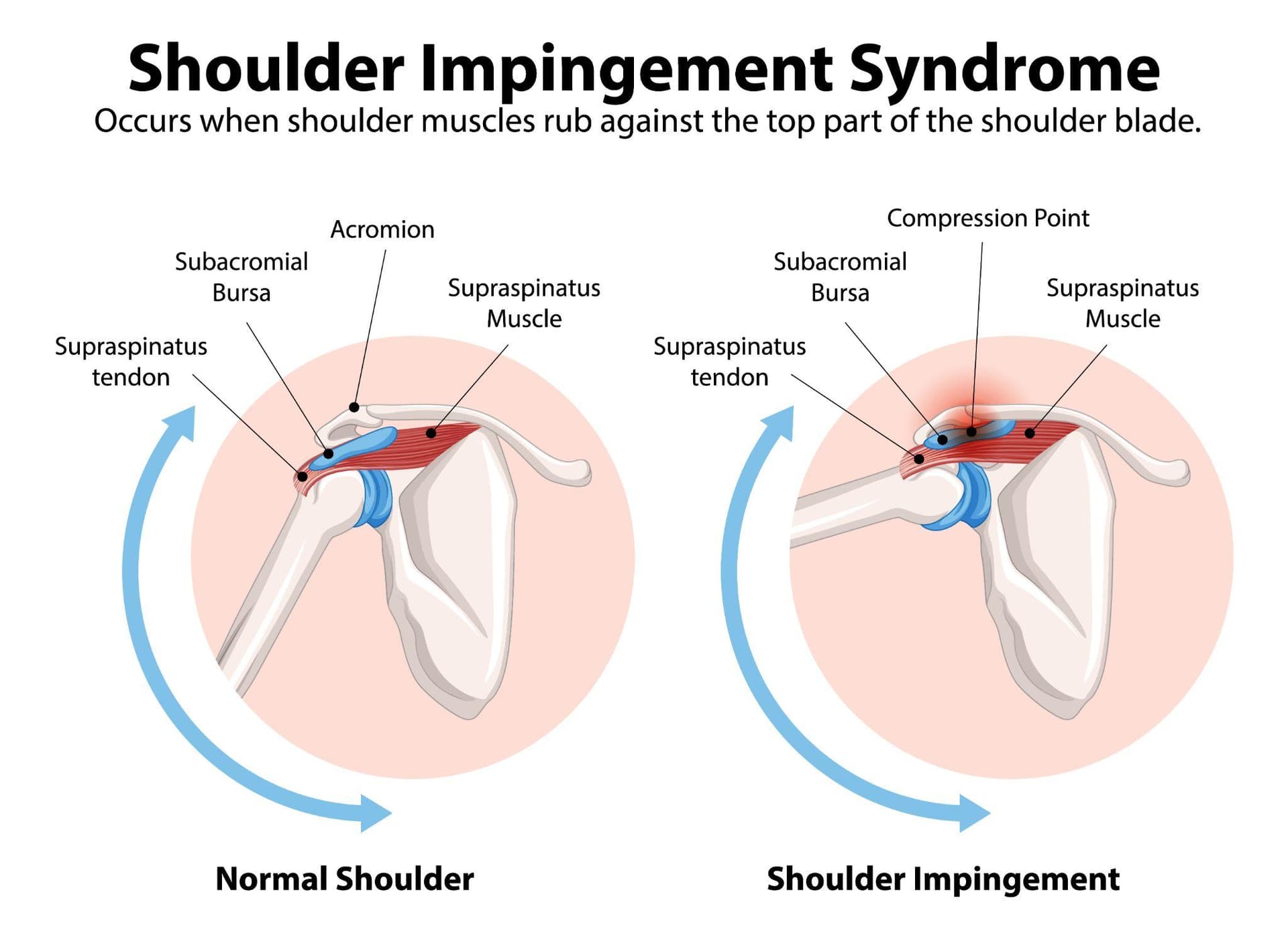
- Shoulder pain, frozen shoulder and rotator cuff problems
- Elbow pain, such as tennis elbow and golfer's elbow
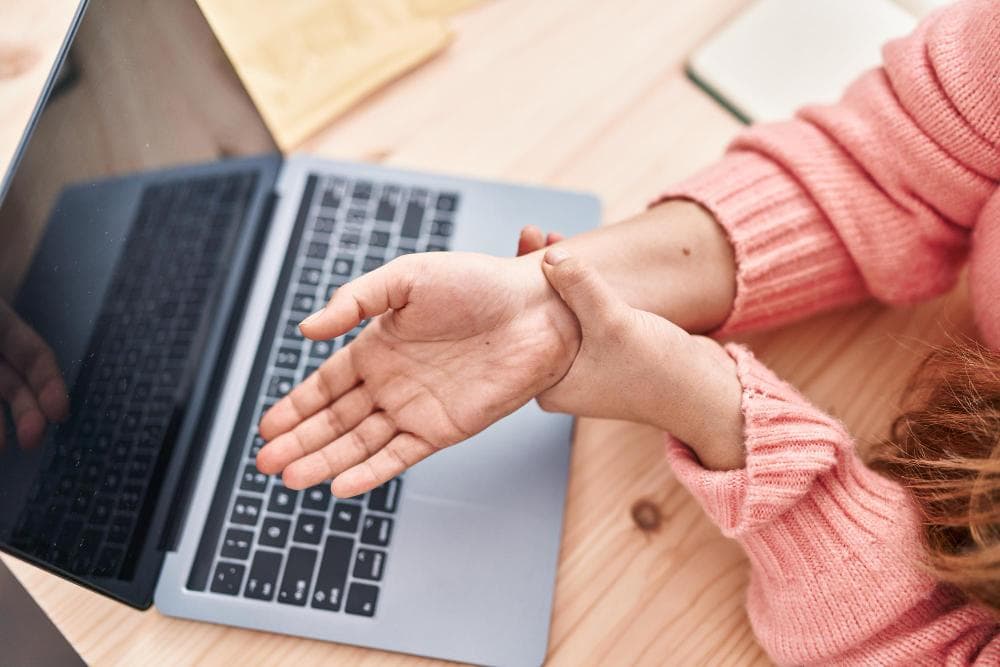
- Wrist, hand and finger problems, including carpal tunnel syndrome and trigger finger
- Foot and ankle problems, including heel pain and plantar fasciitis
Spine problems
- Neck pain and cervical spondylosis
- Lower back pain
- Slip disc and sciatica
- Spinal stenosis
Sports and injury care
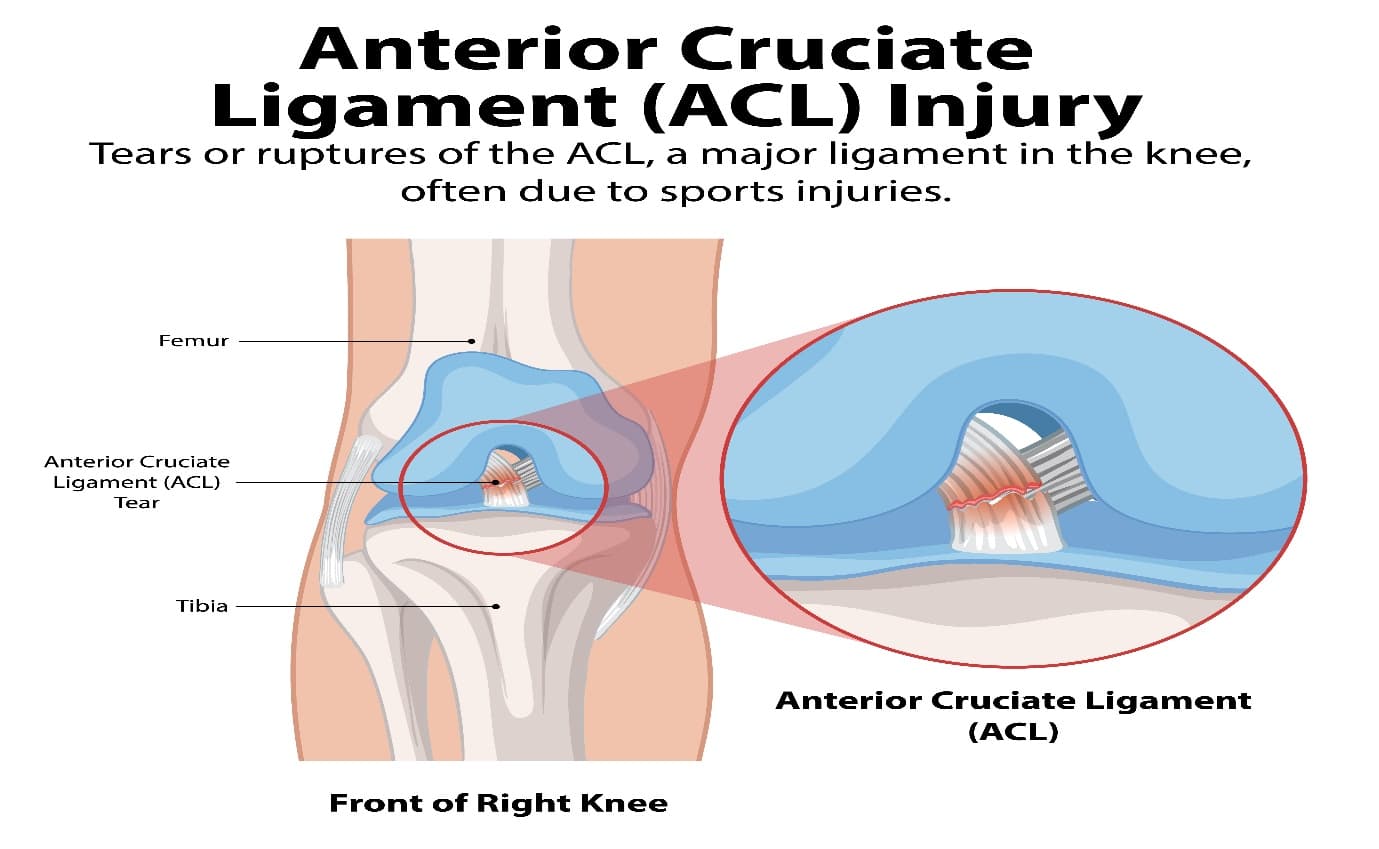
- ACL and meniscus tears
- Ligament sprains
- Tendon injuries
- Stress fractures
Fractures and trauma
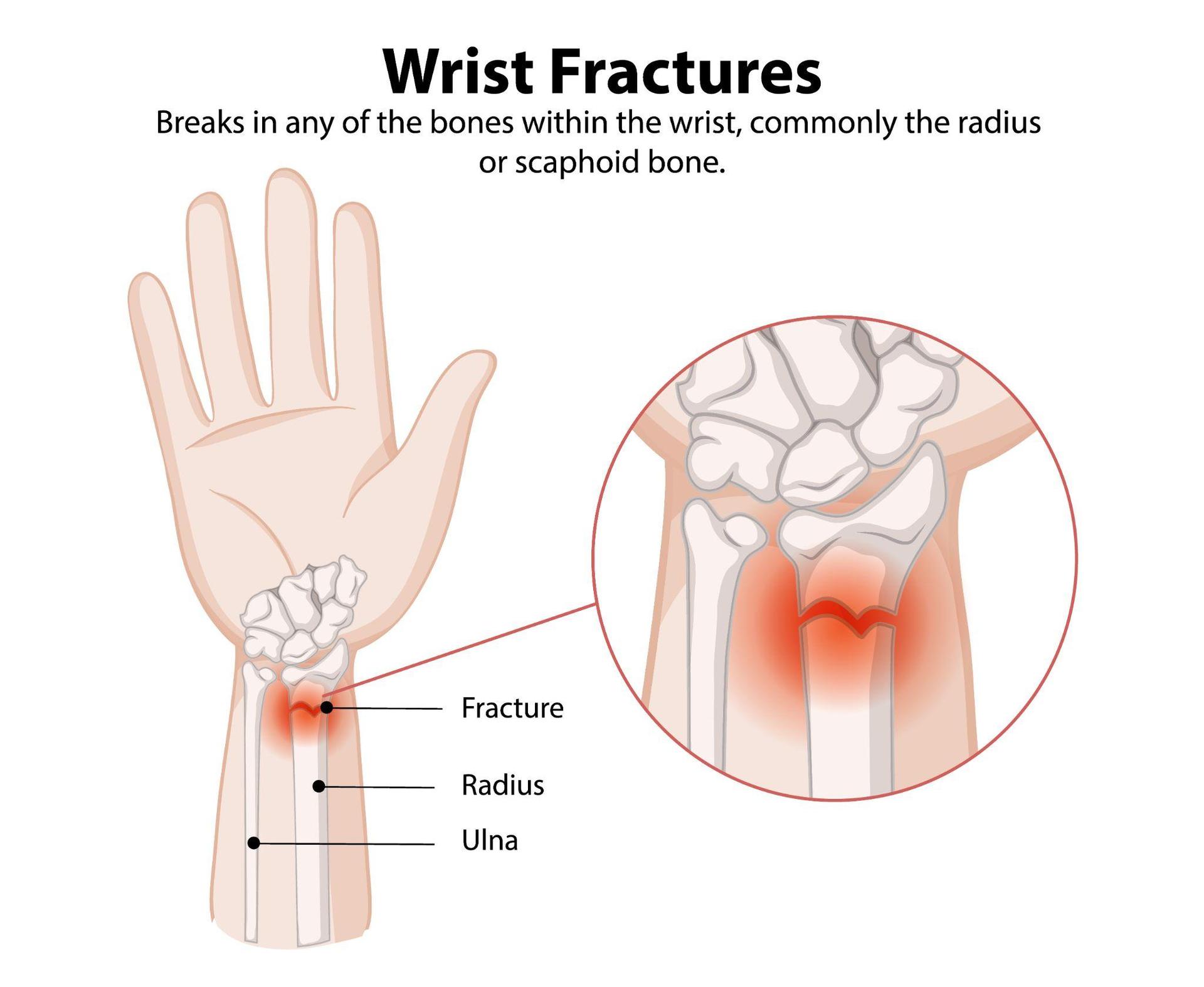
- Fractures from road accidents, falls and sport
- Fracture fixation with plates, screws and rods
- Follow-up and rehabilitation
Bone and metabolic conditions
- Osteoporosis and low bone density
- Vitamin D deficiency and bone pain
- Gout and uric acid related joint problems
- Rheumatoid and other inflammatory arthritis (with referral to a rheumatologist where needed)
What happens at your first visit
1. Registration
Bring a photo ID and any insurance, CGHS, ECHS or ESI details if you plan to use them.
2. Consultation
Dr. Mayank will ask about your symptoms: when they began, what makes them better or worse, previous injuries, other medical conditions and your medicines.
3. Examination
He will examine the affected area, check movement, strength, stability and walking, and may examine related areas, such as the spine for hip or leg pain.
4. Tests, when needed
X-rays are commonly done on the same day. MRI, ultrasound, CT scans or blood tests may be advised when the diagnosis needs more detail. Not everyone needs a scan.
5. Diagnosis and plan
You get an explanation in plain language, and a treatment plan: exercises, medicines, injections, bracing, physiotherapy or surgery if needed. Questions are welcome.
6. Follow-up
A plan for review is agreed, and you leave with clear instructions.
What to bring
- Previous X-rays, MRI films or CDs, and reports
- Prescriptions and a list of medicines, including supplements
- Blood test reports, if relevant (for example, uric acid, vitamin D, sugar)
- Discharge summaries from any past hospital stays or surgery
- Photo ID
- Insurance, CGHS, ECHS or ESI card and referral paperwork if you plan to use them
- A family member or friend, particularly if you are older or considering surgery
Wear loose, comfortable clothing so that the knee, hip, shoulder or back can be examined easily.
Who should come in promptly?
Book an appointment soon if you have:
- Joint or back pain lasting more than two to three weeks
- Pain that wakes you at night
- A swollen, stiff or locked joint
- Difficulty walking, climbing stairs or getting up from a chair
- Numbness, tingling or weakness in an arm or leg
- A sports injury that has not settled
- A past fracture that is not healing as expected
- A fall in an older person, even if there is no obvious fracture
When to go to the emergency department
Do not wait for an OPD slot if you have:
- A suspected fracture, a deformed limb or inability to bear weight
- Serious injury from a road accident or fall
- A hot, red, swollen joint with fever
- Back pain with loss of bladder or bowel control, or numbness around the groin
- Sudden weakness in an arm or leg
- Chest pain, sweating or breathlessness, even if the pain is felt in the arm or neck
Prakash Hospital has a 24 hour emergency department. Our article on first aid for a fracture explains what to do before reaching the hospital.
Tips for a smoother visit
- Describe the pain in your own words. Where it is, when it started, what it feels like (sharp, dull, burning), and what you can no longer do because of it. A short note on your phone helps.
- Mention every medicine. Blood thinners, steroids, diabetes tablets and pain gels all matter to the plan.
- Bring the old scans, even if they seem outdated. A comparison between an X-ray from two years ago and today's often answers the question of how fast a joint is changing.
- Tell the doctor what you want to get back to. Climbing to the temple steps, sitting on the floor for prayers, playing with grandchildren, going back to the gym. The goal shapes the treatment.
- Ask what to expect if you do nothing. Some problems settle by themselves. Others get worse, and it is better to know which kind you have.
- Write down the plan before you leave. Exercises, tablets, review date, and what should make you come back sooner.
Why see a specialist and not just a general physician?
Many people begin with a pharmacy painkiller or a general doctor, which is reasonable for a short-lived ache. The trouble starts when pain lasts for weeks and the same tablets keep being repeated without a diagnosis. Long courses of painkillers can irritate the stomach and strain the kidneys, particularly in older adults, and they do nothing about the cause.
An orthopedic surgeon looks at bones, joints, tendons, ligaments and the spine together. That matters because pain is rarely where it seems to be. A "knee problem" may start in the hip. An "arm problem" may come from a pinched nerve in the neck. A careful examination, with the right scan only when needed, sorts this out early and often saves months of trial and error.
Frequently asked questions
Do I need an appointment? Calling ahead helps reduce waiting time, and the front desk can tell you which documents to bring.
Will I need surgery? Most orthopedic problems are treated without surgery. If surgery is recommended, you will be told why, what the alternatives are and what to expect.
Can I use my insurance or government scheme? The hospital is empanelled with CGHS, ECHS, ESI and major insurers. Details depend on your policy or scheme, so confirm with the hospital helpdesk. Our guide on joint replacement under CGHS, ECHS and ESI explains the general process.
I live in Greater Noida, Ghaziabad or Delhi. Is it worth travelling? Many patients travel in for a specialist opinion, especially for joint replacement. First consultations and follow-ups can often be planned efficiently. See our articles on orthopedic care in Ghaziabad and Indirapuram.
Can I come on Sunday? Yes, the OPD is open on Sundays from 10 AM to 2 PM.
What if I am not sure which specialist I need? Come as you are. If the problem turns out to be outside orthopedics, you will be told so and pointed in the right direction.
Can I bring my elderly parent? Of course. Bring someone to help with documents and to hear the advice. Tell the staff if mobility is an issue.
Take the first step
Pain that hangs around for weeks does not usually get better by ignoring it. A clear diagnosis often brings relief on its own, even before treatment begins.
To book a consultation, call the number listed on the website.
This article is for general information and does not replace a medical examination.