Reviewed by Dr. Mayank Chauhan
Gout Symptoms: Early Signs in the Big Toe and Beyond

The first gout attack most often strikes the joint at the base of the big toe, a pattern called podagra.
Gout has a reputation for arriving at 3 AM. You go to bed with a perfectly normal foot and wake up with a big toe that feels like it is on fire. The weight of the bedsheet is unbearable. Putting a foot on the floor is out of the question.
Many people assume it is a sprain, an insect bite or a bad shoe. Some wait days before getting it checked. That delay is understandable, but it costs you, because gout is one of the more treatable forms of arthritis when it is recognised early.
What gout is
Gout is a form of inflammatory arthritis caused by too much uric acid in the blood. Uric acid is a normal waste product that forms when the body breaks down purines, which are substances found in many foods and made inside the body. Normally the kidneys filter uric acid out. When too much builds up, or the kidneys cannot remove enough, needle-shaped crystals can form in and around the joints.
The immune system treats these crystals as invaders and mounts a fierce inflammatory response. That is the attack: sudden pain, heat, redness and swelling.
Two quick points before the symptoms. First, a high uric acid level does not always cause gout. Many people have raised levels and never have an attack. Second, you can have gout with a normal blood level on the day of the attack, because levels can dip during a flare. A single number does not settle the question.
Early signs to watch for
A sudden, severe attack in one joint
The classic picture is rapid onset, often overnight, with pain building to a peak within hours. The first attack most often hits the big toe joint, the knuckle at the base of the toe. That pattern is common enough to have its own name, podagra.
The affected joint typically becomes:
- Intensely painful, even to light touch
- Swollen, with a tight, shiny look to the skin
- Red or purplish
- Hot to the touch
- Very stiff
Some people also feel unwell, with a mild fever or chills.
Other joints that can be involved
Gout is not limited to the big toe. Attacks can occur in:
- The ankle and the top of the foot
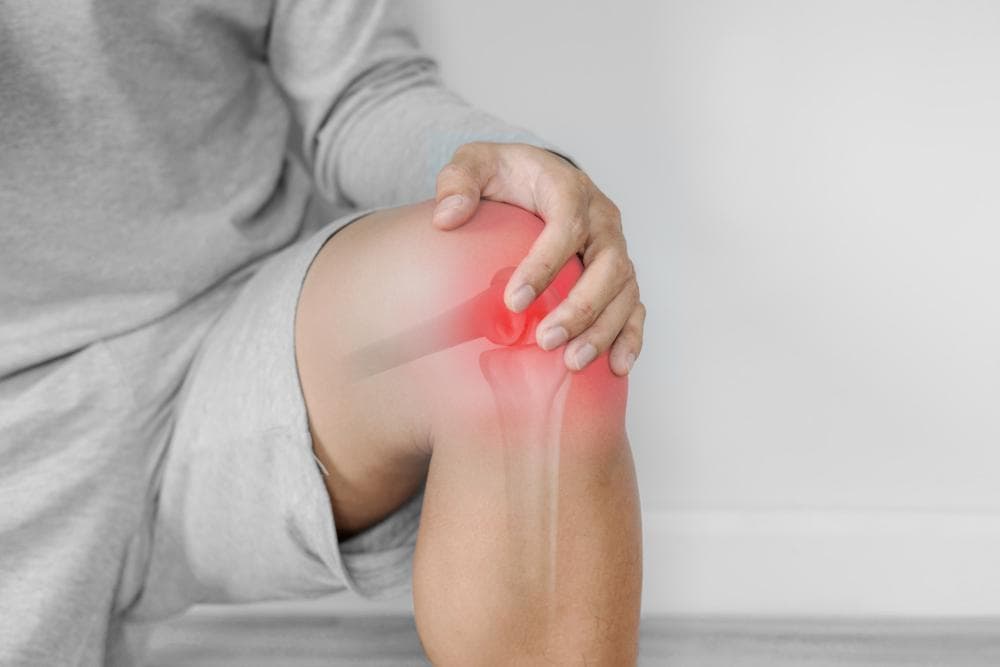
- The knee
- The heel and Achilles tendon area
- The wrist, fingers and elbow
Early attacks tend to settle in one joint at a time. Later in the disease, several joints can flare together.
How long an attack lasts
Without treatment, a gout flare usually reaches its worst in the first 12 to 24 hours and then gradually eases over several days to a couple of weeks. The pain goes away, the skin sometimes peels as the swelling goes down, and you feel normal again. That recovery is what fools people into thinking the problem has gone. It has not. The crystals are still there, and further attacks are likely.
Signs between attacks
After the first attack, many people go months or even a year with no symptoms. Without treatment, though, attacks usually return, come more often, last longer and involve more joints.
Signs that gout has been building for years
If uric acid stays high for a long time, deposits can form under the skin and around joints.
- Tophi. Firm, chalky lumps, often on the fingers, toes, elbows, ears or the Achilles tendon. They are collections of urate crystals. They are usually painless but can become inflamed or break open.
- Persistent joint pain and stiffness between attacks.
- Joint damage. Over time, crystals can erode bone and cartilage, leaving joints deformed and permanently stiff.
- Kidney stones. Uric acid can also crystallise in the kidneys, causing sharp pain in the side and back.
Tophi are a sign that the condition has been under-treated for a long time, and they are one of the reasons doctors recommend starting long term treatment.
What triggers an attack?
Some attacks come out of nowhere, but many have a trigger.
Food and drink
- Alcohol, especially beer. Beer is a particularly strong trigger, and spirits are close behind. Alcohol both raises uric acid and slows its removal.
- Red meat and organ meats. Mutton, liver and kidney are high in purines.
- Some seafood. Shellfish, sardines, anchovies and mackerel are common triggers.
- Sugary drinks. Fructose in soft drinks and packaged fruit juices raises uric acid.
- Large feasts. A heavy weekend of rich food, such as a wedding or festival, is a classic setup for a flare.
Plant foods that contain purines, such as dals, beans and spinach, have not been shown to carry the same risk as meat and seafood. So many people avoid dal unnecessarily. If you are unsure, discuss your diet with your doctor. Our guide on how to lower uric acid naturally goes through food choices in more detail.
Other triggers
- Dehydration. Not drinking enough water, especially in a hot Indian summer, concentrates the blood.
- Crash dieting or fasting. Rapid weight loss and long fasts can bring on an attack.
- Injury or surgery. A sudden stress to a joint can set off a flare.
- Illness or infection.
- Starting or stopping uric acid lowering medicine. Changes in uric acid levels can sometimes cause a flare, which your doctor can plan for.
- Certain medicines. Water tablets (diuretics), low dose aspirin and some others raise uric acid. Never stop a prescribed medicine without asking your doctor.
Who is at risk?
- Men. Gout is more common in men, usually starting in their 30s to 50s.
- Women after menopause. Oestrogen helps the body clear uric acid, so women's risk rises after menopause.
- People who are overweight. Excess weight raises uric acid.
- Those with diabetes, high blood pressure, high cholesterol or kidney disease. These conditions cluster with gout.
- People with a family history. Genetics play a significant role.
- Heavy drinkers and people with a diet rich in meat and sugary drinks.
Gout is increasingly being seen at younger ages in India, in step with changes in diet, weight and activity.
Is it gout, or something else?
Several conditions look like gout in the first hours, and getting the right diagnosis matters.
- Septic arthritis. A joint infection can also be hot, red and swollen, and it is an emergency. Fever, feeling very unwell and inability to move the joint call for urgent care.
- Pseudogout. Caused by a different type of crystal (calcium pyrophosphate), it often affects the knee or wrist in older people.
- Cellulitis. A skin infection can mimic the redness and swelling.
- Rheumatoid arthritis. Usually affects small joints symmetrically and builds more slowly. See our guide on early signs of rheumatoid arthritis.
- Osteoarthritis flare. Wear and tear arthritis can flare, but it develops more slowly. See osteoarthritis versus rheumatoid arthritis.
- Injury. A sprain or fracture after a knock.
Because of this overlap, a doctor may check blood tests (uric acid, kidney function, inflammation markers), take an X-ray, or in some cases draw fluid from the joint to look for crystals under a microscope. Finding the crystals is the most reliable way to confirm gout.
What to do during an attack
If you suspect gout, these steps can help while you arrange to be seen:
- Rest the joint and raise it if you can.
- Apply a cold pack wrapped in cloth for 15 to 20 minutes at a time.
- Drink water steadily through the day.
- Avoid alcohol until you have been seen.
- Do not take aspirin for the pain, as it can alter uric acid levels. Ask a doctor before taking any anti-inflammatory medicine, particularly if you have kidney, stomach or heart problems.
- Get seen early. Treatment started in the first day or two works far better than treatment started after several days.
Doctors commonly treat a flare with anti-inflammatory medicines, colchicine, or a short course of steroids, chosen according to your other health conditions. These are prescription decisions, so avoid copying what a friend took.
Do not start or stop uric acid medicine on your own
A common mistake is to begin a long term uric acid lowering medicine in the middle of a painful attack, or to stop it as soon as the pain goes. Starting at the wrong time can worsen the flare, and stopping lets the level climb again. These medicines need a plan, regular blood tests and follow up.
What happens if gout is left untreated?
Repeated attacks are not just painful. Over the years, untreated gout can lead to:
- Permanent joint damage and deformity
- Tophi that grow and sometimes ulcerate
- Kidney stones
- Reduced kidney function
- A higher risk of heart disease, which is closely linked to the same metabolic problems
Current guidelines favour a treat to target approach for people with ongoing gout. In plain terms, the doctor aims to bring the blood uric acid level below about 6 mg/dL and keep it there, because at that level crystals can slowly dissolve. Long term treatment is generally recommended for people with two or more attacks a year, tophi, kidney stones, or chronic kidney disease. A single attack does not always mean lifelong medicine, so this is a conversation to have with your doctor.
Everyday steps that lower the risk of more attacks
- Maintain a healthy weight, losing it gradually rather than by crash dieting.
- Drink plenty of water, especially in summer.
- Cut back on beer and spirits.
- Limit red meat, organ meats and shellfish.
- Skip sugary soft drinks and packaged juices.
- Stay active. Regular moderate exercise helps weight and metabolic health.
- Have your blood pressure, cholesterol, sugar and kidney function checked regularly.
When to see an orthopedic doctor
Get seen quickly if:
- A joint becomes suddenly red, hot, swollen and very painful
- You have a fever with a swollen joint (this needs urgent care)
- You have had more than one episode of joint pain with high uric acid
- You notice firm lumps near your joints
- You already take uric acid medicine and still have attacks
- Joint pain is limiting your work or sleep
Long standing gout can wear out joints, and in the most severe cases, joint replacement is needed. Our guide to rheumatoid arthritis and joint replacement covers how surgeons approach joint damage from inflammatory arthritis.
Gout and joint care in Noida
If you have had sudden joint pain and swelling, or you have been told your uric acid is high and want to understand what it means for your joints, an early evaluation helps. Dr. Mayank Chauhan is a senior orthopedic surgeon at Prakash Hospital, D-12A/12B, Sector 33, Noida, next to the ISKCON Temple. He has more than 15 years of experience and trained at Maulana Azad Medical College, Delhi, with an arthroplasty fellowship at Hallym University Hospital, South Korea.
Prakash Hospital is NABH and NABL accredited, with a 24 hour emergency department, and works with CGHS, ECHS, ESI and major insurers. OPD hours are Monday to Saturday, 10 AM to 8 PM, and Sunday, 10 AM to 2 PM.
To book a consultation, call the number listed on the website.
This article is for general information. It does not replace a medical examination, and medicines should only be started or stopped on a doctor's advice.