Reviewed by Dr. Mayank Chauhan
Carpal Tunnel Release Surgery: Procedure, Recovery and Results
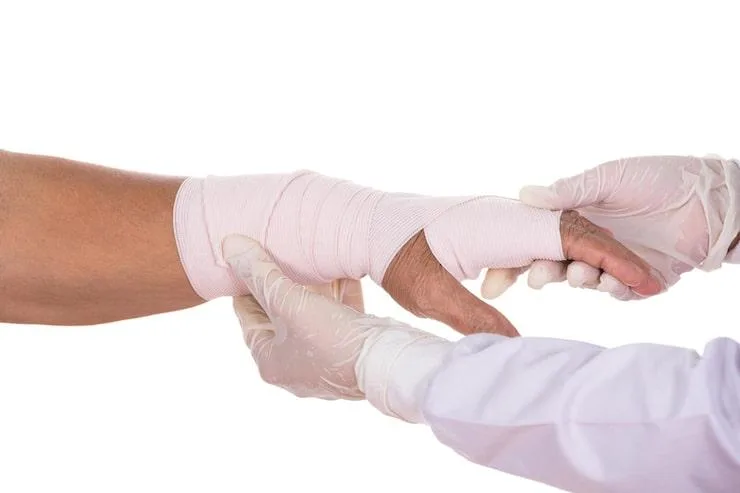
Stitches usually come out after 10 to 14 days, and night-time numbness is often the first symptom to ease.
The night waking is usually what finally sends people in. Numb fingers at 3 AM, a hand that needs shaking out like a wet towel, a coffee cup that slips for no reason. You tried a wrist splint, you changed your keyboard, and the symptoms keep coming back. Eventually someone says the words "carpal tunnel release."
For many people the operation sounds more dramatic than it is. It is one of the most common hand procedures in the world, usually done as a day case under local anaesthesia, and for the right patient it works well. But "right patient" and "right timing" are the important phrases, and recovery is not as instant as some people expect.
A quick recap of carpal tunnel syndrome
The carpal tunnel is a narrow passage in the wrist formed by the wrist bones and a tough band of tissue across the palm side called the transverse carpal ligament. The median nerve and nine tendons pass through it. When pressure rises inside the tunnel, the nerve is squeezed, causing:
- Numbness and tingling in the thumb, index, middle and half of the ring finger
- Night-time symptoms that wake you
- Hand clumsiness and dropping things
- Pain in the wrist or forearm
- In advanced cases, wasting of the muscle at the base of the thumb
It is more common in women, in people with diabetes, thyroid disease or pregnancy, and in those who do repetitive hand work. Many people never need surgery, and early cases often settle with splinting, activity changes and sometimes an injection.
When is surgery recommended?
Surgery is usually discussed when:
- Symptoms persist despite several weeks to months of non-surgical treatment, such as night splints, activity modification and, if appropriate, a steroid injection
- Symptoms are severe, with constant numbness
- There is weakness of the thumb or muscle wasting
- Nerve tests (nerve conduction studies) show significant compression
- A clear cause such as a tumour, fracture deformity or swelling is pressing on the nerve
- The problem is recurring after earlier treatment
Waiting too long with severe compression is risky. If the nerve is damaged for a long time, numbness and weakness may not fully recover even after the pressure is relieved. This is the main reason to take persistent numbness seriously.
What happens before surgery?
Assessment
A hand specialist or orthopedic surgeon examines the hand, tests sensation and strength, and looks at the neck and shoulder, because nerve problems elsewhere can mimic carpal tunnel syndrome.
Tests
- Nerve conduction studies and EMG. These measure how well the median nerve conducts signals and show severity. They also help rule out other nerve problems.
- Blood tests if diabetes, thyroid disease or other causes are suspected.
- Ultrasound is sometimes used to look at the nerve and surrounding tissues.
Preparing
You will be told which medicines to continue or stop (blood thinners in particular). Tell your surgeon about diabetes, allergies and any other health conditions.
The operation: what actually happens
The goal is simple. The surgeon cuts the transverse carpal ligament, which enlarges the tunnel and takes pressure off the nerve. The ligament is not stitched back; the gap fills with scar tissue over time.
The procedure is usually done:
- Under local anaesthesia (numbing the hand), sometimes with sedation
- As a day case, so you go home the same day
- In about 15 to 30 minutes
- Often with a tourniquet on the upper arm to keep the area bloodless
Open carpal tunnel release
A small incision, typically in the palm in line with the ring finger, lets the surgeon see and divide the ligament directly. This is the traditional and most widely used technique. The scar is usually a few centimetres long and tends to fade.
Endoscopic carpal tunnel release
The surgeon uses a small camera through one or two tiny cuts at the wrist or palm to divide the ligament from the inside. The incisions are smaller.
Which is better?
The honest answer is that both work. A large systematic review and meta-analysis published in 2025, covering 49 studies and more than 4,500 patients, compared patient-reported recovery after open and endoscopic release. It found that endoscopic release was associated with fewer symptoms in the first two weeks. From around week three onward, both groups improved steadily, and open release may have produced comparable or even slightly greater improvement, though the evidence was not certain. Scores kept improving for as long as two years. The authors also noted that many included studies had a high risk of bias, and raised concerns about complication and reoperation rates with endoscopic techniques that need better data.
Practical points:
- Endoscopic: smaller scar, possibly less early discomfort and faster early recovery, but it requires specific skills and equipment, and there is a small risk of incomplete release.
- Open: direct view, widely available, long track record, a slightly larger scar and some tenderness in the palm for longer.
- The surgeon's experience with a technique matters more than the technique itself.
Recovery: what to expect
Recovery varies, so treat these as typical guides, not promises.
First 24 to 48 hours
- A bulky dressing is placed over the hand.
- Keep your hand raised above heart level as much as possible to limit swelling.
- Move your fingers gently and often. This prevents stiffness.
- Take pain relief as advised. Most people find pain manageable.
- Many people notice that the night-time numbness is better, sometimes the very first night.
First two weeks
- The dressing is reduced, and stitches are usually removed after about 10 to 14 days.
- Keep the wound clean and dry until your surgeon says otherwise.
- Light daily activities such as eating, dressing and using a phone are usually possible quickly, but avoid heavy gripping and lifting.
- Wrist soreness, tenderness in the palm and some swelling are common.
Two to six weeks
- Gradually return to normal activity.
- Desk work and light tasks may resume early in this period, depending on comfort and the type of job.
- Scar massage, as advised, can help soften the scar.
- Driving is generally possible once you can grip the wheel and react safely, usually after a week or two. Ask your surgeon.
Six weeks to three months
- Grip strength and hand function steadily improve.
- Heavier manual work is typically resumed in this window.
- Tenderness around the scar fades, though a firm area can persist longer.
Long term
- Numbness often improves first, then tingling. Strength recovers more slowly.
- People with severe, long standing compression may take many months, and a small number have some permanent numbness.
- Improvement can continue for a year or longer.
Tips for a smoother recovery
- Keep your hand raised in the early days.
- Move your fingers, elbow and shoulder to avoid stiffness.
- Do not lift heavy objects until your surgeon approves.
- Take care with the wound, and keep it dry.
- Control diabetes, which affects healing.
- Avoid smoking.
- Follow any hand therapy exercises given.
Possible risks and complications
Carpal tunnel release is generally safe, but like any operation it has risks.
- Infection or delayed wound healing
- Scar tenderness or "pillar pain" in the palm, which usually settles
- Stiffness of the fingers or wrist
- Persistent symptoms if the nerve was badly damaged or if the diagnosis was not carpal tunnel
- Incomplete release, which may need a second operation
- Nerve injury, which is rare
- Complex regional pain syndrome, a rare pain condition
- Recurrence over time
Your surgeon will go through these with you before the day of surgery.
What if symptoms do not improve?
Some reasons for ongoing symptoms include:
- Advanced nerve damage that cannot fully recover
- A different cause, such as a pinched nerve in the neck, a problem at the elbow, or diabetic neuropathy
- Incomplete release
- Scar tissue irritating the nerve
- Another condition occurring together with carpal tunnel syndrome
A repeat assessment, sometimes with repeat nerve tests, helps to find out why.
Can you avoid surgery?
In mild to moderate cases, often yes, at least for a time. Options include:
- Night wrist splints that keep the wrist neutral
- Changing work habits, with better wrist position, breaks and ergonomic tools
- Steroid injection into the carpal tunnel for temporary relief
- Treating underlying conditions, such as diabetes or an underactive thyroid
- Exercises, such as nerve gliding, as advised by a therapist
These work best when symptoms are intermittent and nerve function is intact. If numbness is constant or weakness appears, surgery is more likely to be needed.
When to see a doctor
Make an appointment if:
- Numbness and tingling wake you most nights
- Symptoms continue for more than a few weeks
- You drop objects or have trouble with buttons or writing
- You notice weakness or thinning at the base of the thumb
- Splints and simple measures have not helped
Seek urgent care for sudden severe numbness, weakness in the hand with neck pain or after injury, or a hot, red swollen wrist with fever.
Hand and wrist care in Noida with Dr. Mayank Chauhan
If numb hands are interrupting your nights or your work, an examination and, where needed, nerve tests will show what is happening and whether surgery is worth considering. Dr. Mayank Chauhan is a senior orthopedic surgeon at Prakash Hospital, D-12A/12B, Sector 33, Noida, next to the ISKCON Temple. He has more than 15 years of experience, trained at Maulana Azad Medical College, Delhi, and completed an arthroplasty fellowship at Hallym University Hospital, South Korea. His patients rate him 4.9 out of 5 on Google.
Prakash Hospital is NABH and NABL accredited and works with CGHS, ECHS, ESI and major insurers. OPD hours are Monday to Saturday, 10 AM to 8 PM, and Sunday, 10 AM to 2 PM.
To book a consultation, call the number listed on the website.
This article is for general information and does not replace a medical examination. Research findings mentioned reflect published studies at the time of writing.