Lumbar Spondylosis: Causes, Symptoms, And Treatment Options
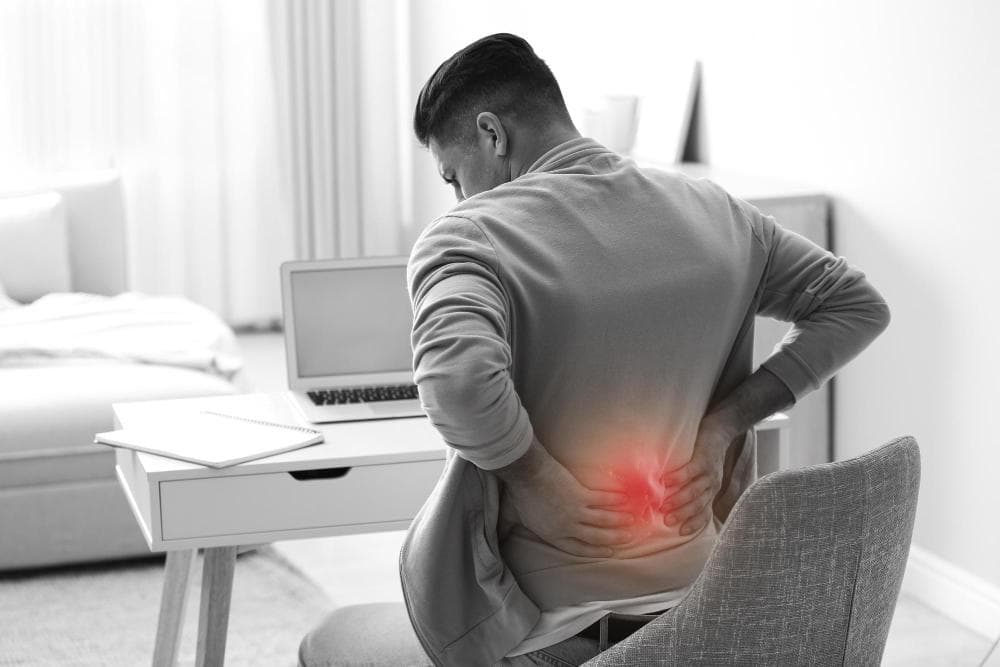
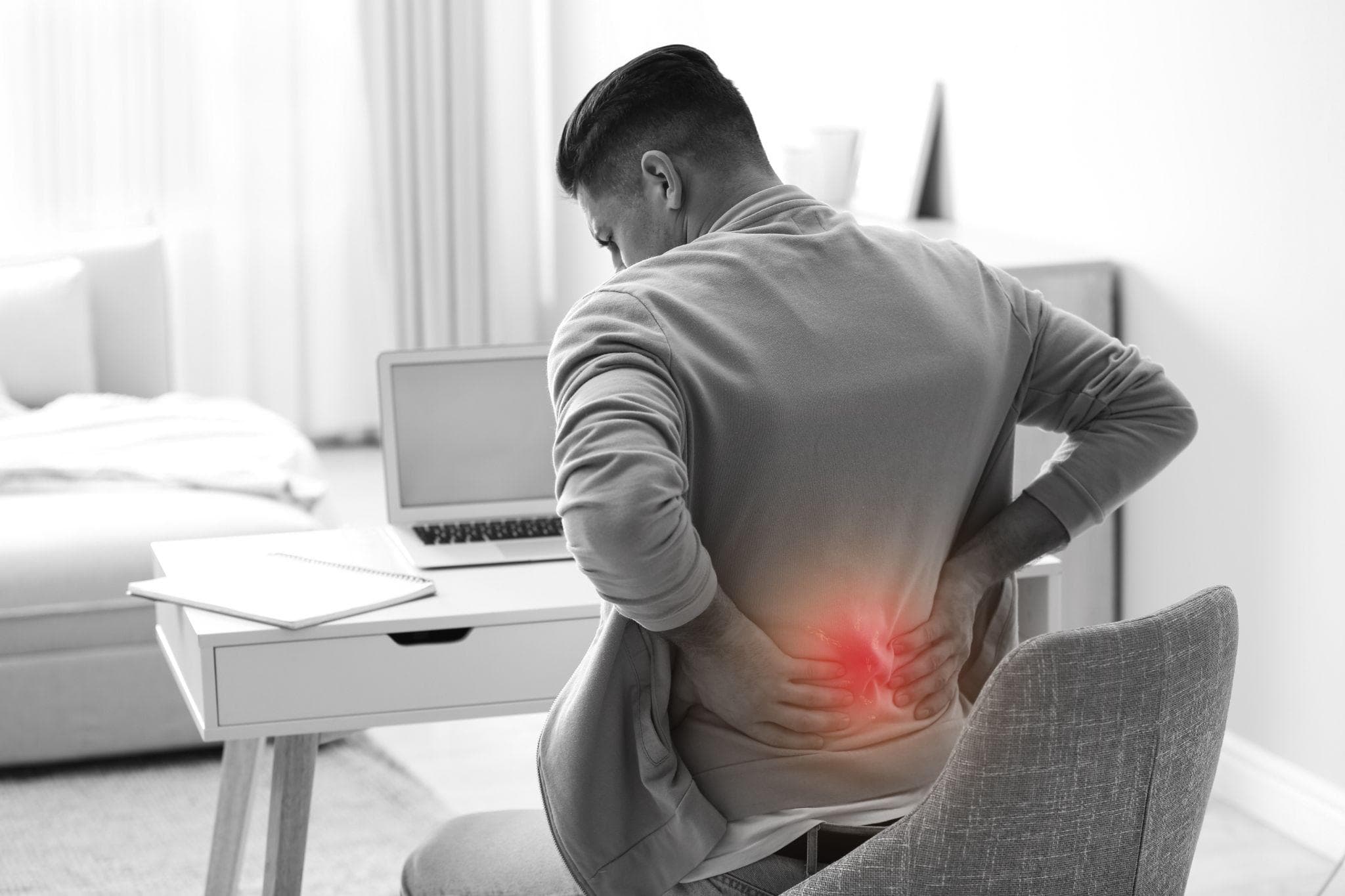
A man is holding his lower back in pain.
Most of us will suffer from some lower back pain during our lives. But once it becomes chronic and begins to impact the way we move, we should seriously consider something much bigger, like lumbar spondylosis. This common spinal problem affects the lower part of the spine. It is often seen in elderly individuals, but can also manifest earlier as a result of the choices we make in our lives.
Basically, lumbar spondylosis is 'wear and tear' in the lower spine. With aging, the discs and joints within our spine naturally begin to degrade. This degeneration then results in pain, stiff movement, and, in some cases, nerve irritation.
Aging isn't always the cause, though. Staying in the same position for too long, poor posture, a lack of exercise, and the wear and tear involved with activities involving repetitive strain all contribute to these issues more quickly than they ought to. On the plus side, once you recognise that you might have a condition like this, you can treat it very successfully with good medical care.
In this guide, we will explain what is really happening when you suffer from lumbar spondylosis, as well as looking at why you have a problem and what to look out for, along with a comprehensive overview of treatments that really work.
What Is Lumbar Spondylosis?
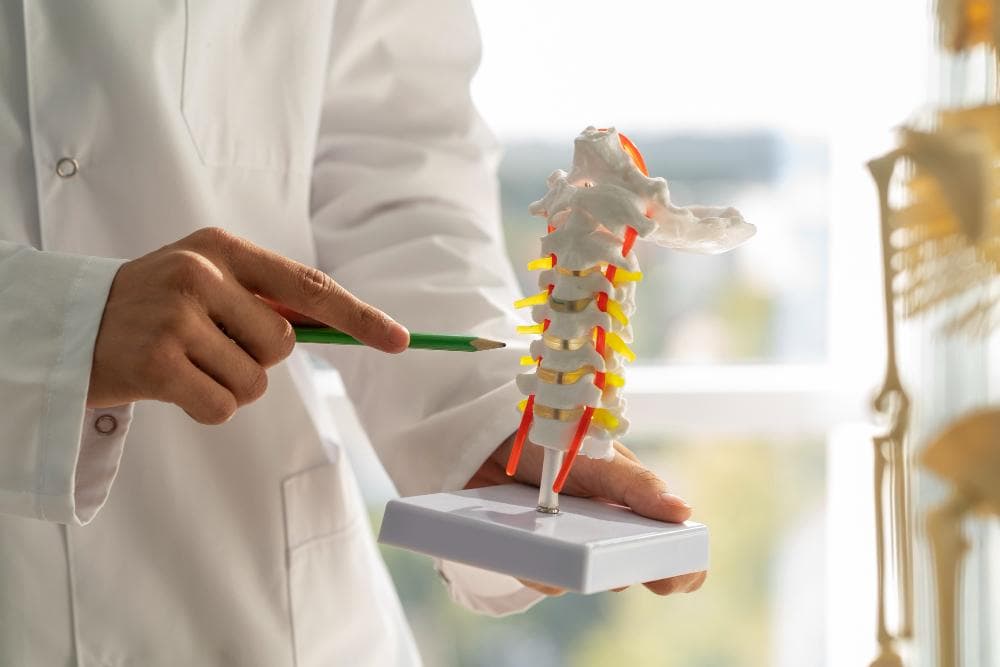
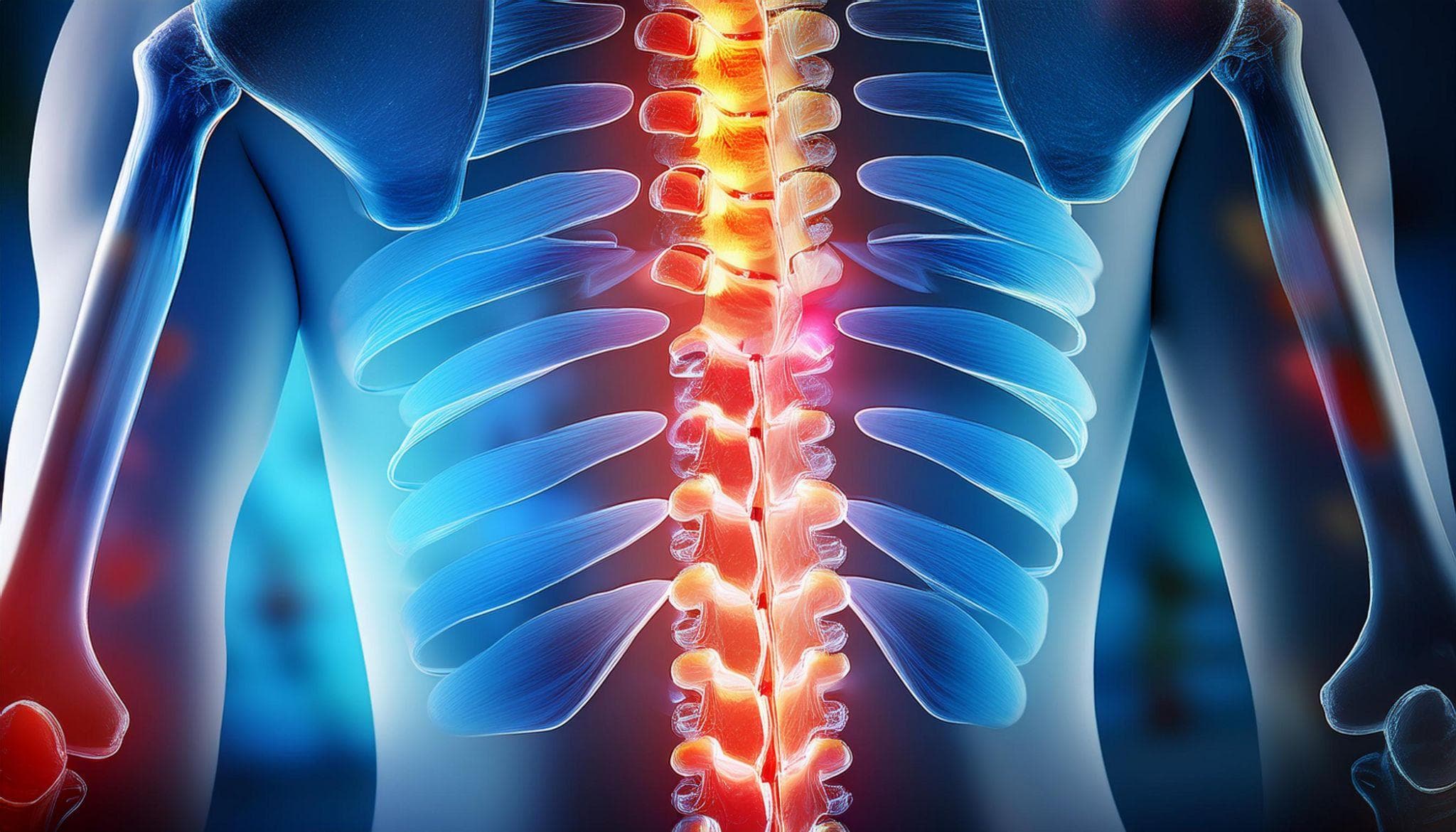
Lumbar spondylosis involves progressive changes within the lumbar region of the spine. These changes predominantly involve the discs, vertebrae, and joints. When the discs degenerate, they become less pliable and elastic. They are also less adept at absorbing shocks, which can result in more friction occurring in the joints, the creation of bone spurs, or pressure on local nerves. This typically causes stiffness, pain, and limited mobility of the lower back.
Causes Of Lumbar Spondylosis
Lumbar spondylosis doesn't have one sole cause. Instead, it is commonly caused by the combination of numerous factors that influence the spine over the years, and both degenerative factors and lifestyle patterns are included.
1. Aging Process
Natural wear and tear are considered the primary causes. The water content of the spinal disks decrease and the disk becomes thinner with age; thus, it can't tolerate shock impacts appropriately anymore. These would lead to vertebrae rubbing on each other and pain and stiffness arising from that.
2. Poor Posture
Long hour posture in sitting/slouching puts the lower back at a high stress level continuously. The uneven pressure on the lower spine increases the degenerative process of the disk and causes long-term back problems.
3. Sedentary Lifestyle
Physical inactivity would weaken muscles around the core region and the back to support the spine. Therefore, more weight would press on the spine structures and thus increase degenerative risk.
4. Repetitive Strain Or Heavy Lifting
Occupation/activity, like bending, lifting, or twisting at the lower back, can impose stress on the lower back. Repetitive loading could damage disks and joints at the micro level and thus speed up natural wear and tear.
5. Obesity
Over weight, especially with accumulation in the abdominal area, would lead to a significant loading of the lower spine. It can increase the degenerative speed of disks and aggravate the symptoms.
6. Past Injuries
Prior back injuries could accelerate the onset of spondylosis. The damaged tissues may not be able to recover fully, leading to an increase in the degenerative process of the disk and joint over time.
Symptoms Of Lumbar Spondylosis
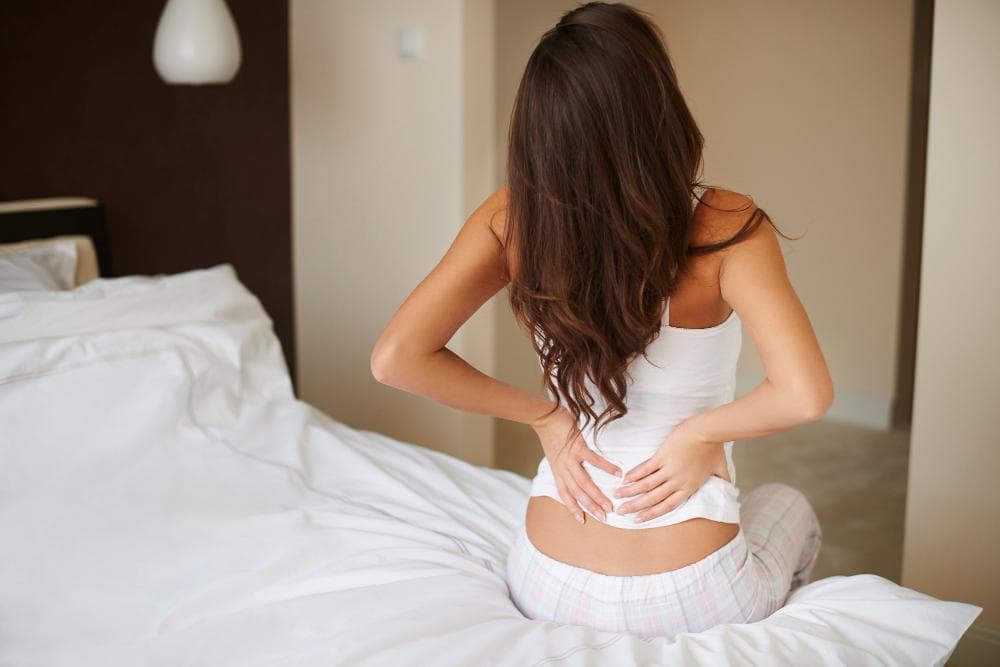
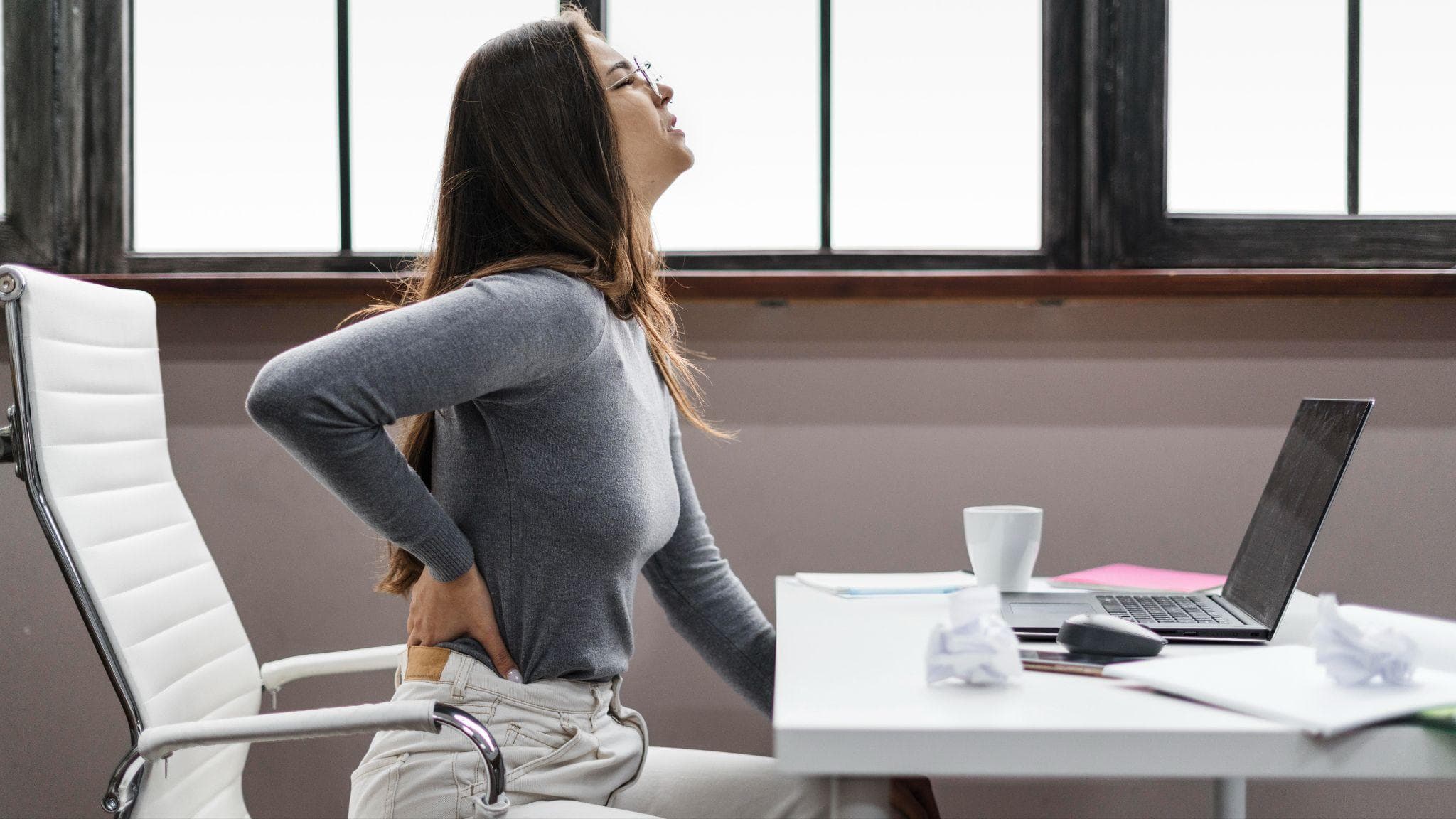
A woman is holding her lower back in pain.
Symptoms can range from slight irritation to severe pain, depending on the progression of the spondylosis.
- Constant ache in the lower back - Often a dull, throbbing pain that is exacerbated with movement or extended sitting postures.
- Stiffness of the back - Particularly noticeable in the morning or when you have been stationary in one position for extended periods.
- Pain that radiates to the legs - If a nerve is compressed, pain may be perceived down the hip, thigh, and leg.
- Tingling or numbness - A sensory component due to compression of a nerve will feel like prickling or tingling, and/or numbness down the legs.
- Muscle weakness - Weakness in the legs in severe or chronic conditions.
- Reduced flexibility - An individual may find bending, twisting, or other movements uncomfortable.
If this condition is long-lasting or affecting day-to-day life, one should seek medical advice. Timely treatment can also arrest the severity and improve the chances of recovery to normal.
The patients with the above-described issues can visit Dr. Mayank Chauhan in Noida to undergo proper assessment and get proper treatment for relief from pain and restore mobility in the body.
Treatment Options For Lumbar Spondylosis
The treatment strategy for lumbar spondylosis varies depending on the severity and impact of the condition on the patient's daily life. However, it usually aims to alleviate pain, improve mobility, and inhibit further progression of the disease.
1. Non-Surgical Treatments
The majority of patients suffering from lumbar spondylosis, if diagnosed at an early stage, can benefit from non-surgical treatments. The core principle of these treatments is to reduce symptoms and help strengthen the spine in order to prevent further damage.
2. Physiotherapy
Physiotherapy is one of the most important aspects of the treatment strategy for lumbar spondylosis. A physiotherapy plan generally consists of back and core strengthening exercises, as well as stretches designed to improve flexibility. These treatments help decrease the compression on the spine and improve movement patterns, along with overall posture.
3. Medications
Medications like pain relievers and anti-inflammatory agents can help control pain and reduce inflammation of the surrounding muscles and soft tissues. Muscle relaxants can be useful for some patients if there is any muscle stiffness and spasms that make their everyday life painful.
4. Lifestyle Modifications
Several daily life adjustments can significantly impact the condition. Adopting and maintaining a correct posture while standing or sitting, staying physically active, and maintaining an optimum weight can reduce stress to the lower spine and potentially slow the degeneration.
5. Heat And Cold Therapy
Heat helps relax tense muscles and increase blood circulation. On the other hand, cold therapy is known to numb the sharp pain and reduce inflammation of affected tissues. Alternating between the two therapies is usually beneficial.
Surgical Treatment
Surgery is generally the last resort. It may be recommended if treatment other than surgery does not result in the resolution of pain or if the symptoms have become severe enough to impinge on nerve function or everyday life.
If pain is severe and intractable, has not been responsive to medication and physiotherapy, or has become severe enough to compress the spinal cord, causing symptoms of numbness, weakness, and an impaired gait, and in the extremely rare instance of bladder or bowel impairment.
- Decompression surgery - This will involve removing any tissues, such as disc material or bony spurs that may be pressing on nerve roots in the spinal cord, thereby reducing the amount of pain felt as a result of referred pain, numbness, or pins and needles in the leg.
- Spinal fusion - Where two or more vertebrae are fused to form one stable bone, usually done where there is significant spinal instability or significant wear and tear in the spine.
- Minimally invasive surgery - Where fewer stitches are needed to close smaller incisions; these procedures tend to promote faster recovery rates than open operations.
Recovery time will depend on which surgery is performed, but will almost always be a balance between rest, physiotherapy, and a phased return to day-to-day activity.
Prevention Tips For Lumbar Spondylosis

A woman is performing a glute bridge.
While not always completely preventable, some practices can lower your risk of developing the condition.
- Posture helps prevent stress on your spinal column.
- Exercise helps keep the spine both strong and supple.
- Get up from sitting and move around frequently.
- Ensure you use proper techniques to avoid straining your back.
- Excess weight puts a great deal of pressure on your spine.
When To See An Orthopedic Specialist
Certain symptoms are red flags indicating that you should visit a specialist.
- Lingering pain signals that the underlying condition requires professional attention.
- If simple actions of daily life begin to be a struggle.
- Numbness or weakness in the legs.
- If there is no relief after using home remedies and over-the-counter medicine, you must see an orthopedic specialist.
Final Thoughts
Lumbar spondylosis is a fairly common affliction, but it doesn't have to run your life. If diagnosed early, you can help your body manage symptoms and prevent its progression. Early intervention helps to restore a better quality of life.
Consult with Dr. Mayank Chauhan in Noida for a precise diagnosis and individualized treatment of your lumbar spondylosis. With a commitment to accuracy and advanced orthopedic care and patient-focused treatment, the goal is to alleviate pain, enhance mobility, and help patients reclaim their comfort and functionality.
Frequently Asked Questions
1. What is the main reason for lumbar spondylosis?
The main reason is a gradual wear and tear of the spine as a result of aging, compounded by a poor lifestyle or bad posture.
2. Can lumbar spondylosis be cured completely?
No, however, it is possible to effectively control symptoms associated with the condition with proper care and attention.
3. Is walking beneficial for a lumbar spondylosis condition?
Yes, walking is an activity that helps the joints to gain more flexibility while strengthening the core muscles around your lower spine.
4. In what circumstances should a person consult a doctor?
A person should consult a doctor if the pain continues for weeks, gets worse, or radiates down the leg and is accompanied by weakness or numbness.