Vitamin D and Bone Health — Why India Has a Silent Deficiency Crisis

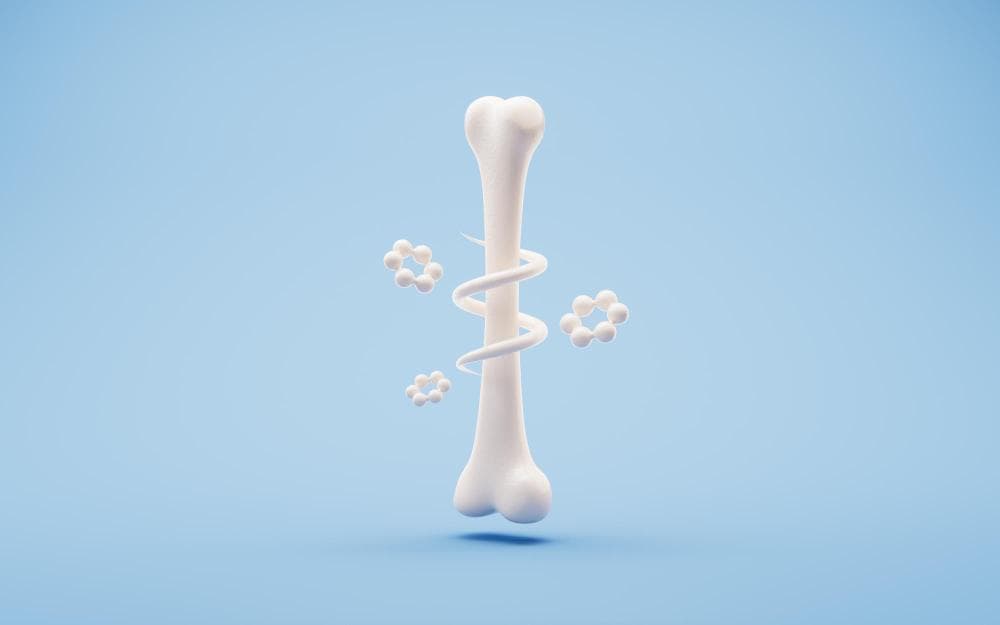
Natural Vitamin D from sun exposure along with supplement support for better bone and immune health.
Here is a fact that genuinely surprises people when they first hear it: India is one of the sunniest countries on earth, and yet a majority of Indians are vitamin D deficient.
A nationwide study by Metropolis Healthcare, analysing over 22 lakh test results collected between 2019 and 2025, found that 46.5% of Indians tested showed frankly deficient vitamin D levels. Another 26% had insufficient levels. That's nearly three in four people walking around without the vitamin D their bones require.
This is not a diet problem. India's traditional food has never been rich in vitamin D. It has always been a sunshine problem — specifically, the fact that most Indians are no longer getting adequate sun exposure, for reasons that have everything to do with how modern Indian life works.
The consequences for bone health are real and serious. Vitamin D is the primary driver of calcium absorption. Without it, a calcium-rich diet fails to adequately mineralise bone. You can eat ragi and drink milk every day, and your bones will still thin if vitamin D is chronically inadequate.
What Vitamin D Does in the Body
Vitamin D is less a vitamin and more a hormone. It is produced in the skin when ultraviolet B (UVB) rays from sunlight hit cholesterol molecules in the skin cells and convert them into the precursor of vitamin D. This precursor then travels to the liver (first conversion) and kidneys (second conversion) to become the active hormone — calcitriol.
Calcitriol does several things that are critical for bone health
Calcium absorption from the gut: This is the most important one. Calcitriol signals the cells lining the small intestine to produce the protein that transports calcium from food into the bloodstream. Without adequate calcitriol, only about 10–15% of dietary calcium is absorbed. With adequate vitamin D, absorption rises to 30–40%.
Calcium reabsorption in the kidney: Vitamin D also helps the kidneys recapture calcium from urine rather than excreting it.
Bone mineralisation: Calcitriol directly regulates the cells responsible for depositing calcium phosphate crystals into the bone matrix.
The downstream consequence of vitamin D deficiency is that the body cannot get enough calcium from diet alone. To maintain blood calcium levels (which is essential — the heart and nervous system require stable calcium), the parathyroid glands increase their hormone output (PTH), which pulls calcium out of bone. Over time, this is how chronic vitamin D deficiency leads to reduced bone density and increased fracture risk.
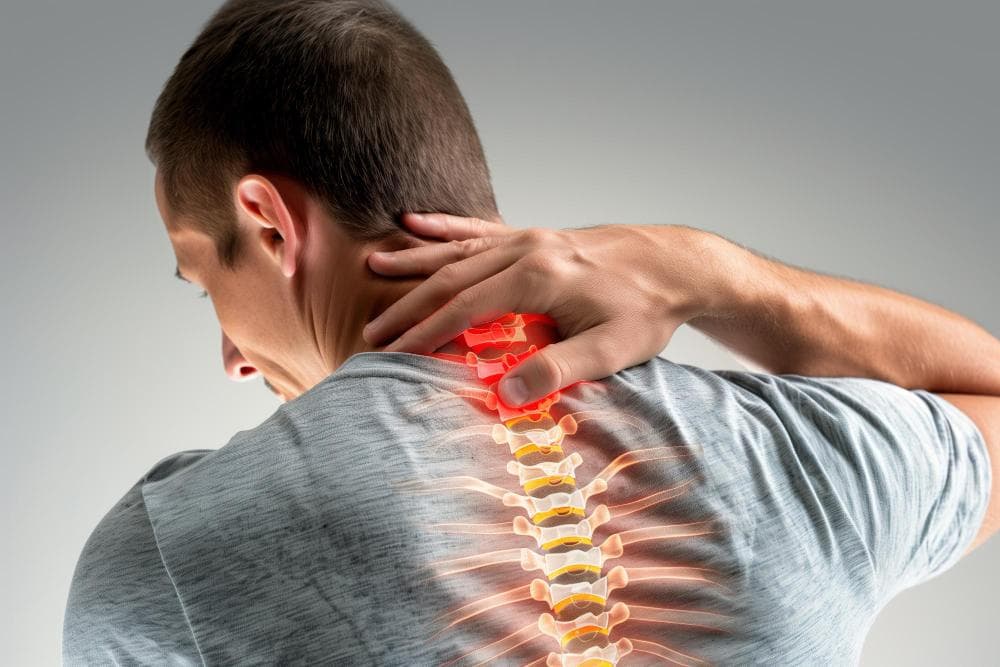
In severe deficiency, especially in children, the result is rickets — soft, deformed bones. In adults, it is osteomalacia: bones that are technically present but unmineralised, soft, and painful.
Why India Has Such High Deficiency Rates
The obvious question is: how? India gets plenty of sun.
Several factors converge to produce this situation:
Skin pigmentation: Melanin, which gives darker skin its colour, absorbs UVB radiation — the same radiation needed to make vitamin D. This is a natural protection against UV damage, but it means darker-skinned individuals need significantly longer sun exposure to produce the same amount of vitamin D as those with lighter skin. India's population has predominantly darker skin.
Indoor lifestyles: Most urban Indians spend the bulk of their working hours indoors. Office workers, IT professionals, students, doctors, shopkeepers — the working day happens inside. Meaningful UVB exposure requires bare skin in direct sun, not sun through glass (glass blocks UVB). Windows don't help.
Clothing coverage: Traditional Indian clothing, particularly for women, covers most of the skin. The skin area available for sunlight exposure is limited.
Pollution: Smog and air pollution in India's major cities — Delhi, Noida, Mumbai, Kolkata — scatter and absorb UVB radiation before it reaches the ground. During high-pollution periods, vitamin D production from sun exposure is substantially reduced even for those who are outdoors.
Time of day: UVB is only effective for vitamin D production when the sun is high in the sky (generally 10 AM to 3 PM). Early morning walks — which most Indians think of as healthy sun exposure — actually deliver very little UVB.
Diet: Unlike in Western countries, India does not fortify common foods like milk, bread, and cereal with vitamin D. The traditional Indian diet has few natural vitamin D sources. Fatty fish (salmon, mackerel, sardines) are the richest food sources, followed by egg yolks and limited dairy — none of which are daily staples for most of India's population.
How Much Is Enough?
The 2025 Indian consensus on vitamin D (from a panel of 41 endocrinologists published in the Indian Journal of Endocrinology and Metabolism) recommends targeting serum 25-hydroxyvitamin D (25-OH D) levels of 40–60 ng/mL as optimal for bone and overall health in India.
The standard definitions:
- Deficiency: below 20 ng/mL
- Insufficiency: 20–29 ng/mL
- Sufficiency: 30–40 ng/mL
- Optimal (Indian consensus): 40–60 ng/mL
By these definitions, a majority of Indians are either deficient or insufficient.
The Sun Exposure Solution — and Its Limits
The most natural way to correct vitamin D levels is sunlight. For most Indians, the practical recommendation is 15–20 minutes of direct midday sun (arms and legs exposed, no sunscreen, not through glass), several days per week.
However, this is genuinely difficult for many people to achieve:
- Urban office workers in Delhi NCR may not have 15 minutes of midday outdoor access with bare skin
- Smog in winter months reduces UVB even when outdoors
- Darker skin increases the required exposure time
- Older skin converts UVB to vitamin D less efficiently
Sun exposure helps, but for most urban Indians, it is unlikely to be sufficient on its own to correct deficiency or maintain optimal levels.
When Supplementation Is Needed
Supplementation is appropriate when sun exposure is consistently inadequate, when blood levels are confirmed deficient, or when a patient has significant risk factors for vitamin D-related bone disease.
Getting a 25-OH D blood test before supplementing is the right approach — not because supplementation is dangerous (vitamin D toxicity is rare and requires sustained very high doses), but because knowing your actual level tells you how much correction is needed.
For deficiency (below 20 ng/mL): A loading regimen followed by maintenance supplementation. Common approaches used in India include high-dose weekly or monthly vitamin D3 (cholecalciferol), prescribed by a physician, followed by a lower maintenance dose.
For insufficiency (20–29 ng/mL): A moderate daily supplement of 1,000–2,000 IU of vitamin D3 combined with adequate sun exposure is usually sufficient.
For maintenance once levels are adequate: 1,000–2,000 IU of vitamin D3 daily is a common recommendation, particularly for urban Indians who do not have regular midday sun access.
Vitamin D3 (cholecalciferol) is the preferred form over vitamin D2 (ergocalciferol) — it's more effective at raising and sustaining blood levels.
One important point: vitamin D is fat-soluble. It is better absorbed when taken with a meal that contains some fat (ghee, nuts, full-fat dairy, avocado). Taking it on an empty stomach or with a fat-free meal reduces absorption.
Vitamin D and Fracture Risk: What the Research Shows
Vitamin D insufficiency is directly associated with increased fracture risk, reduced muscle strength, and reduced bone mineral density — all well-established across multiple large studies.
Correcting vitamin D deficiency, particularly combined with adequate calcium intake, reduces hip fracture risk in older adults. The effect is most pronounced in those who were genuinely deficient at baseline — supplementing in already-replete individuals produces less additional benefit for fracture prevention.
In patients undergoing joint replacement surgery, vitamin D deficiency is associated with worse surgical outcomes, slower healing, and increased complication risk. It is one reason bone health assessment — including vitamin D status — is part of good pre-operative evaluation.
Who Should Definitely Get Tested?
Not everyone needs to rush for a blood test. But some groups have high likelihood of deficiency and significant consequences from it:
- Postmenopausal women (deficiency accelerates bone loss already occurring from oestrogen decline)
- Anyone who works indoors all day with limited outdoor exposure
- Patients with osteoporosis or osteopenia
- Anyone who has had a fragility fracture
- Those on long-term corticosteroids
- People with obesity (vitamin D is sequestered in fat tissue and becomes less bioavailable)
- Those with chronic kidney or liver disease (impaired conversion of vitamin D to its active form)
- Anyone with unexplained bone pain or muscle weakness
For the general population in Noida and Delhi NCR, given the combination of pollution, indoor work culture, and high deficiency prevalence in national data, having vitamin D levels checked at least once every few years is reasonable preventive healthcare.
What Dr. Mayank Chauhan Recommends
At Prakash Hospital, Sector 33, Noida, vitamin D status is routinely assessed as part of bone health evaluation, pre-operative workup for joint replacement patients, and fracture management. Deficiency, when identified, is corrected before elective surgery where possible.
If you have unexplained bone pain, a history of fractures, or risk factors for osteoporosis, a comprehensive bone health evaluation — including vitamin D and calcium assessment — is the appropriate starting point.
To book a consultation, call the number listed on the website.