Osteoporosis Treatment — Medications, Lifestyle, and When Surgery Is Needed
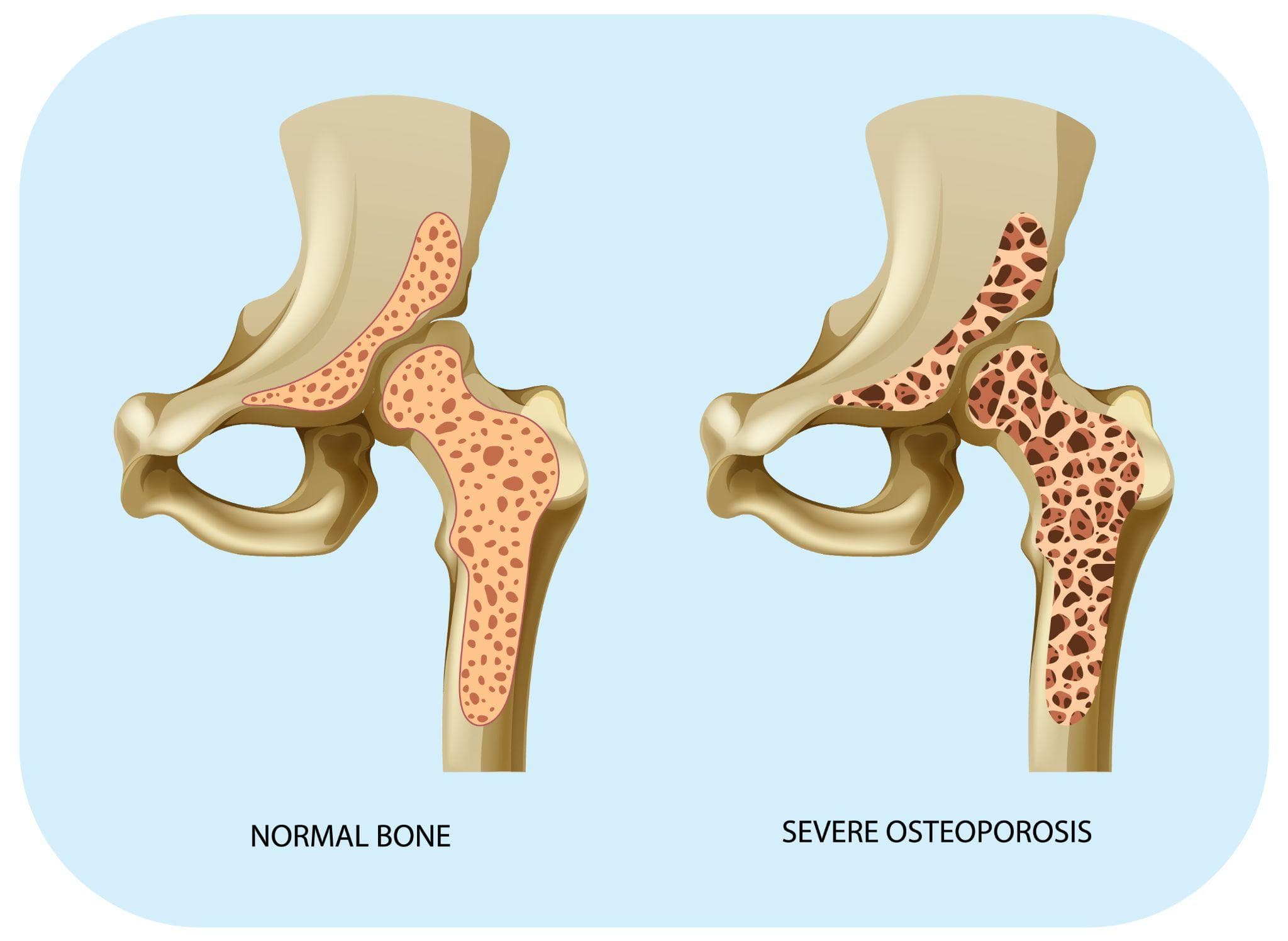
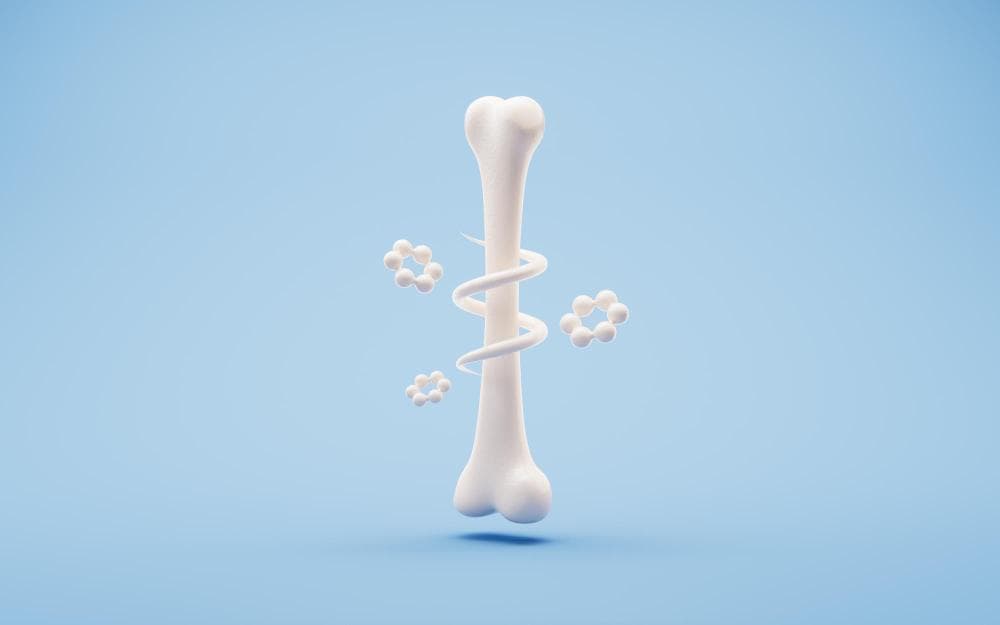
A diagram of two bones is presented, where one is shown as a normal bone and the other with severe Osteoporosis.
Osteoporosis is not a condition you live with passively. Left untreated in a patient with confirmed bone density loss and fracture risk, the outcome is predictable: a fracture that might not have happened for years arrives years early, often with severe consequences for independence and mobility.
The good news is that osteoporosis is genuinely treatable. The medications available today are among the most rigorously studied in all of medicine, with decades of data demonstrating significant reductions in fracture risk. Combined with lifestyle interventions and appropriate monitoring, most patients with osteoporosis can substantially reduce their risk of fracture and maintain active, functional lives.
Understanding what treatment involves — and when each option is appropriate — takes some of the uncertainty out of the conversation.
Who Actually Needs Treatment?
Not everyone with low bone density needs medication. The decision involves more than just a T-score from a DEXA scan.
The standard approach is to estimate absolute fracture risk — the likelihood of a major osteoporotic fracture (hip, spine, wrist, shoulder) over the next 10 years — using tools that combine bone density, age, sex, prior fracture history, and other risk factors (like steroid use, smoking, parental hip fracture, and rheumatoid arthritis).
Who generally needs pharmacological treatment:
- Anyone who has had a fragility fracture (fracture from a fall from standing height or minor trauma)
- DEXA T-score of -2.5 or below (osteoporosis) with other risk factors
- High calculated 10-year fracture risk even with borderline bone density
- Long-term corticosteroid users (3 months or more at clinically significant doses)
- Postmenopausal women over 65 with additional risk factors
Who may not need medication immediately:
- Young adults with osteopenia but no additional risk factors and no prior fracture
- Individuals where lifestyle modification, calcium, and vitamin D adequately address risk
If the bone density picture is borderline or uncertain, a repeat DEXA in 1–2 years after lifestyle optimization can inform whether medication is warranted.
The Foundation: Lifestyle, Calcium, and Vitamin D
These are not optional supplements to medication — they are the baseline without which medication works less effectively.
Calcium: 1,000 mg/day for adults under 50; 1,200 mg/day for those over 50. Food first (ragi, dairy, sesame, moringa, pulses). Supplements when diet consistently falls short.
Vitamin D: Deficiency is extremely common in India (affecting approximately 85% of the population). All patients with osteoporosis should have vitamin D levels measured and genuinely deficient levels corrected through supplementation. Without adequate vitamin D, calcium absorption is impaired regardless of intake.
Exercise: Weight-bearing aerobic exercise (walking, jogging, stair climbing) and resistance training are both beneficial. Resistance training — squats, lunges, rows — stimulates bone formation at the spine and hip. At least 30 minutes of weight-bearing exercise most days is the goal.
Smoking cessation: Smoking directly suppresses bone formation and should be stopped.
Alcohol moderation: Regular heavy alcohol consumption accelerates bone loss and must be reduced.
Fall prevention: For osteoporotic individuals, a hip fracture from a fall is the feared outcome. Balance exercises, home modifications (grab rails, adequate lighting, non-slip mats), appropriate footwear, and vision correction all reduce fall risk independent of bone density.
Pharmacological Treatment: The Main Options
1. Bisphosphonates — First Line
Bisphosphonates are the most widely used and most studied osteoporosis medications worldwide, and they remain the first-line choice for most patients.
How they work: Bisphosphonates inhibit osteoclasts — the cells that resorb (break down) bone. By slowing bone resorption without affecting bone formation, they shift the remodelling balance toward net bone gain. Over 3–5 years of treatment, they produce measurable increases in bone mineral density and significant reductions in fracture risk.
Alendronate (weekly oral tablet, 70 mg): The most commonly prescribed bisphosphonate in India. Reduces spine fracture risk by approximately 50% and hip fracture risk by approximately 40% compared to placebo. Must be taken on an empty stomach, sitting upright, with a full glass of water — 30 minutes before any food, drink, or other medication. Lying down after taking it can cause oesophageal irritation.
Risedronate (weekly or monthly oral tablet): Similar efficacy to alendronate, sometimes better tolerated. Available weekly or monthly.
Ibandronate (monthly oral tablet or quarterly intravenous infusion): The quarterly IV infusion is an excellent option for patients who cannot tolerate or reliably take oral tablets.
Zoledronic acid (annual intravenous infusion): A single annual infusion. Maximum convenience — no daily or weekly tablet to remember. Evidence supports significant reductions in vertebral, hip, and non-vertebral fractures. An important option for patients who have experienced oesophageal intolerance with oral bisphosphonates.
Duration: Most guidelines recommend 3–5 years for oral bisphosphonates and 3 years for zoledronic acid, followed by re-evaluation. Patients at high fracture risk may continue longer. A "drug holiday" (planned break) after 5 years allows bisphosphonate that has accumulated in bone to continue providing some protection while reducing the small risk of rare complications associated with very long-term use.
Side effects: Gastrointestinal side effects (heartburn, nausea) are the most common with oral tablets — usually manageable with correct administration technique. The risk of osteonecrosis of the jaw (ONJ) and atypical femoral fracture with long-term use is real but rare — occurring in fewer than 1 in 10,000 patients treated for standard durations.
2. Denosumab
Denosumab (Prolia) is an injectable medication given every 6 months. It works differently from bisphosphonates — it's a monoclonal antibody that blocks a protein (RANKL) involved in activating osteoclasts. The result is similar: reduced bone resorption, increased density, and reduced fracture risk.
Denosumab is used when:
- A patient cannot tolerate oral bisphosphonates
- Kidney function is reduced (bisphosphonates require adequate renal function at standard doses)
- A 6-monthly injection is more manageable than a weekly tablet
- The patient requires more potent suppression of bone resorption
An important difference from bisphosphonates: denosumab must not be simply stopped. Doing so causes a rebound increase in bone resorption that can result in multiple vertebral fractures. Transition to a bisphosphonate is needed when denosumab is discontinued.
3. Anabolic (Bone-Building) Agents
While bisphosphonates and denosumab work by slowing bone breakdown, anabolic agents actually stimulate new bone formation.
Teriparatide (daily subcutaneous injection for up to 24 months): A synthetic version of parathyroid hormone. Stimulates osteoblasts (bone-building cells) directly. Produces larger increases in bone density and greater reduction in vertebral fractures than bisphosphonates in head-to-head comparisons. Used in high-risk patients — those who have had multiple fractures, or those who have failed or cannot use other treatments. Must be followed by an anti-resorptive agent (bisphosphonate or denosumab) when the course is complete.
Romosozumab (monthly subcutaneous injection for 12 months): A newer agent that both builds bone (anabolic) and slows resorption (anti-resorptive) simultaneously. Produces rapid, substantial increases in bone density. Currently approved in India for high-risk postmenopausal women. Has a caution regarding cardiovascular events (not recommended in patients with recent stroke or heart attack).
4. Selective Estrogen Receptor Modulators (SERMs)
Raloxifene acts like oestrogen in bone and unlike oestrogen in breast tissue. It reduces vertebral fracture risk significantly but not hip fracture risk. Used primarily in postmenopausal women who cannot tolerate bisphosphonates and have high spine fracture risk. Slightly increases the risk of blood clots (DVT/PE) and should not be used in patients with prior clot history.
5. Hormone Replacement Therapy
In early postmenopausal women, particularly those with significant menopausal symptoms alongside bone loss, oestrogen-containing hormone replacement therapy (HRT) effectively prevents bone loss. Its use for bone health specifically requires careful discussion of cardiovascular and breast cancer risks, and is generally continued only for as long as symptoms require it.
Monitoring Treatment
Response to treatment is assessed by repeating a DEXA scan typically every 1–2 years. In most patients on bisphosphonates, bone density stabilises or increases slightly at the spine and hip. If bone density continues to decline significantly despite treatment, the diagnosis, adherence, and choice of medication should all be reviewed.
Bone turnover markers (blood tests measuring the rate of bone resorption and formation) can provide an earlier indication of treatment response, before density changes are visible on DEXA.
When Surgery Is Needed for Osteoporosis-Related Fractures
Osteoporosis becomes a surgical problem when fractures occur.
Vertebral compression fractures: The most common osteoporotic fracture. The vertebral body collapses under normal loading forces. Most are treated conservatively (pain relief, bracing, mobilisation). For fractures causing significant pain that doesn't respond to conservative management, vertebroplasty or kyphoplasty — cement injection procedures — provide rapid, reliable pain relief with minimal invasion.
Hip fractures: Almost always require surgery. In patients fit for operation, surgical fixation or hip replacement (depending on fracture type) is the standard. Conservative management of hip fractures has very poor outcomes in elderly patients. Preventing hip fractures through osteoporosis treatment and fall prevention is far better than treating them after they occur.
Wrist fractures: Most are managed conservatively (casting) or with minor surgical fixation. They serve as an important warning that bone density is insufficient — a wrist fracture is a strong indication to screen for osteoporosis if this hasn't already been done.
A Note on Steroid-Induced Osteoporosis
Corticosteroids are a particularly important cause of osteoporosis in India. They are used extensively for rheumatoid arthritis, lupus, asthma, kidney disease, inflammatory bowel disease, and — significantly — post-COVID complications.
Bone loss from corticosteroids is rapid and occurs at doses and durations well below what most patients or doctors consider "high dose." Any patient expected to take systemic steroids for more than 3 months should be on calcium, vitamin D, and typically a bisphosphonate from the start — not after the bone damage has already accumulated.
If you have been on long-term steroids and have not had your bone density assessed, this is worth raising with your doctor.
Consult Dr. Mayank Chauhan
Dr. Mayank Chauhan at Prakash Hospital, Sector 33, Noida, manages the full spectrum of orthopedic consequences of osteoporosis — from fracture fixation and hip replacement to guidance on bone health monitoring for high-risk patients.
If you have been diagnosed with osteoporosis or osteopenia, have a family history of hip fracture, or have experienced a fracture that raises concerns about bone health, an orthopedic evaluation is the appropriate first step.
To book a consultation, call the number listed on the website.