Reviewed by Dr. Mayank Chauhan
Fracture Recovery Time: How Long Each Bone Takes to Heal
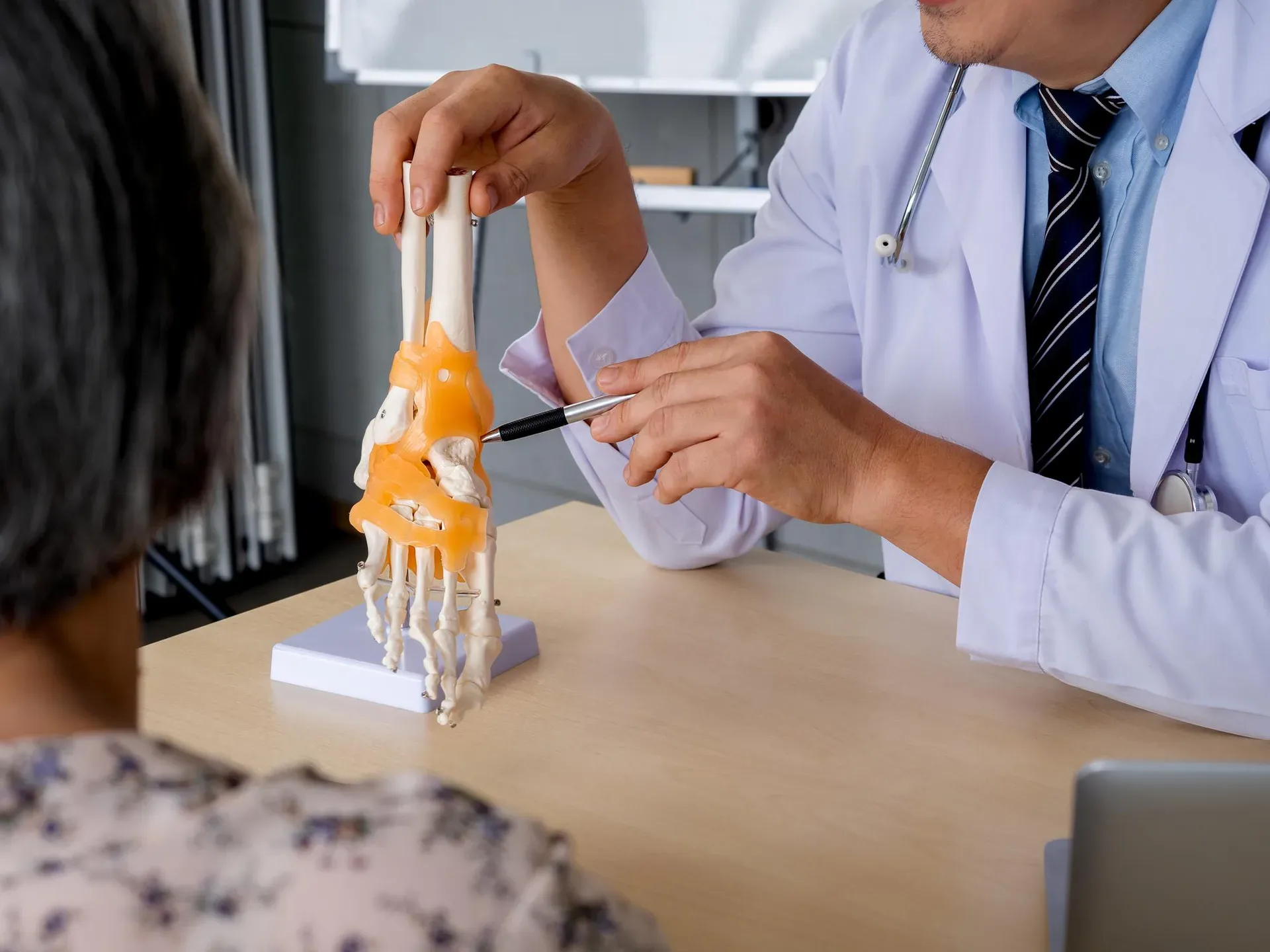
A broken bone heals in overlapping stages, from a soft callus in the first weeks to remodelling that can take a year or more.
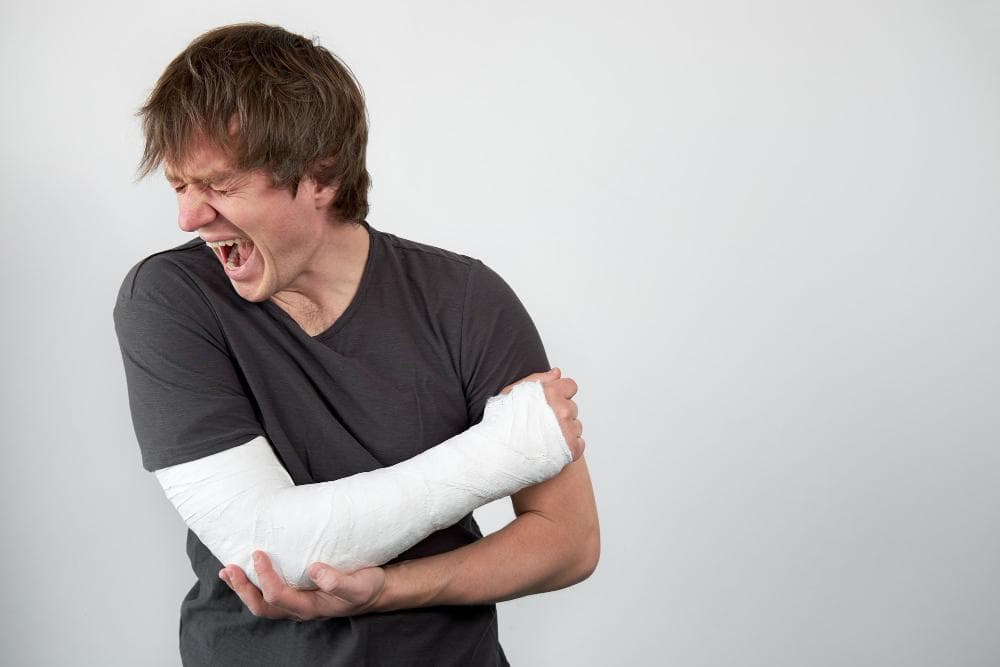
The cast goes on and the questions begin. When will it come off? When can I walk on it? When can I drive, go back to work, play cricket? The answer you hear most often is "six weeks," and it is sometimes correct and sometimes badly misleading.
Bone healing time depends on which bone is broken, how it broke, how it was treated, how old you are and how healthy you are. A fingertip fracture, a broken wrist and a fractured thigh bone follow very different timelines. And "healed" means different things: the bone may be strong enough for a cast to come off long before it is strong enough for sport.
Typical ranges for common fractures are below, along with the stages of healing and the factors that speed or slow the process. Treat them as rough guides. Your own surgeon's advice for your specific fracture always comes first.
How a bone heals
Bone is one of the few tissues in the body that heals by regenerating itself, instead of forming a scar. Healing happens in overlapping phases.
- Inflammation (first days). Bleeding at the fracture forms a clot. Cells arrive to clean up debris and start the repair. Pain and swelling are at their peak.
- Soft callus (about weeks 1 to 3). A soft bridge of cartilage and collagen forms around the break. The fracture is still not strong.
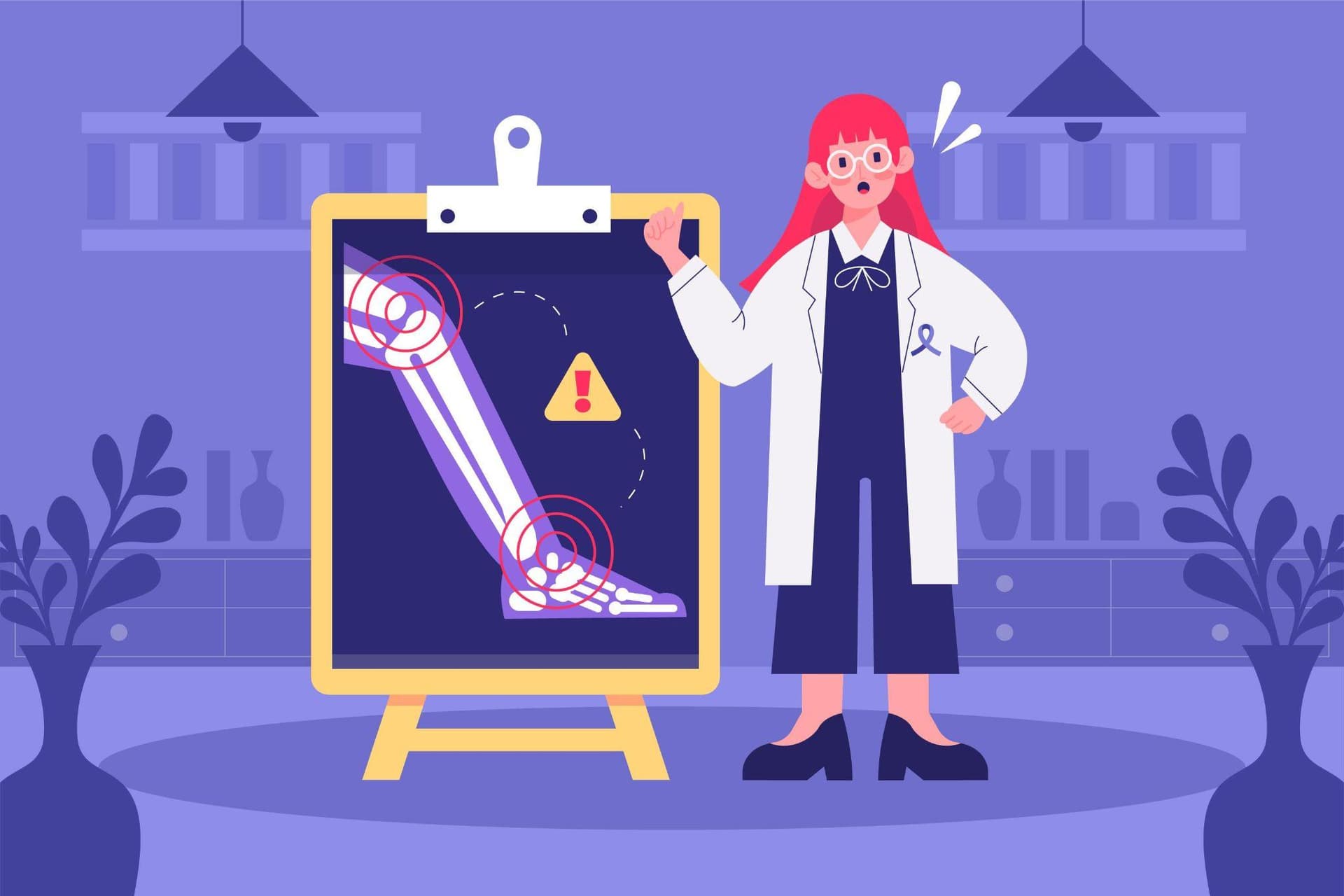
- Hard callus (about weeks 3 to 12). The soft callus gradually turns into woven bone. On X-rays, a fluffy shadow appears around the break. This is when the bone starts to become stable.
- Remodelling (months to years). The bone is reshaped and strengthened to resemble its original form. This continues long after you feel better.
Because a fracture heals through these stages, "clinical union" (when the fracture is stable and pain is minimal) comes earlier than "radiological union" (when X-rays show complete bridging) and much earlier than full remodelling.
Typical healing times by bone
The following ranges are for uncomplicated fractures in healthy adults. Children usually heal faster, and older adults, smokers and people with diabetes or osteoporosis often heal more slowly. Complex, displaced or open fractures take longer.
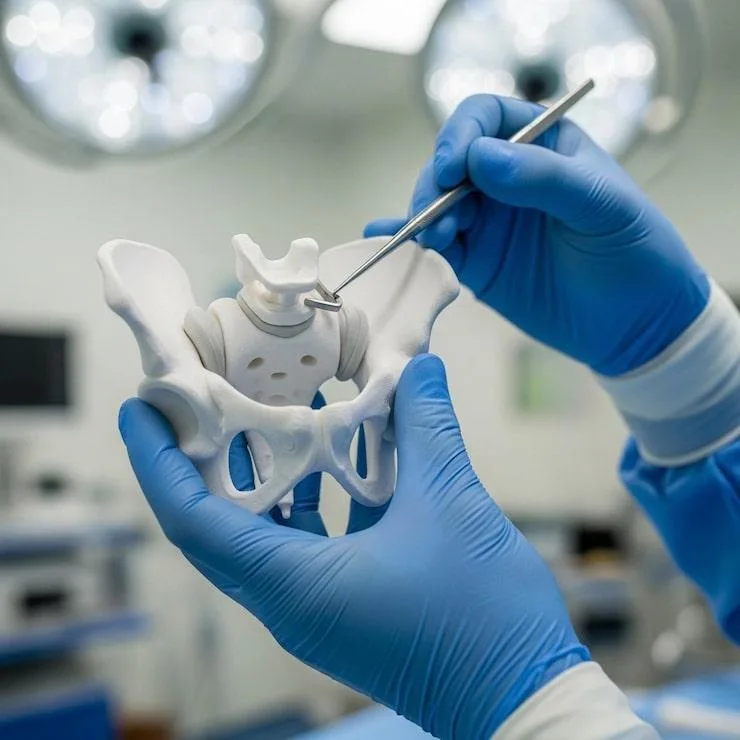
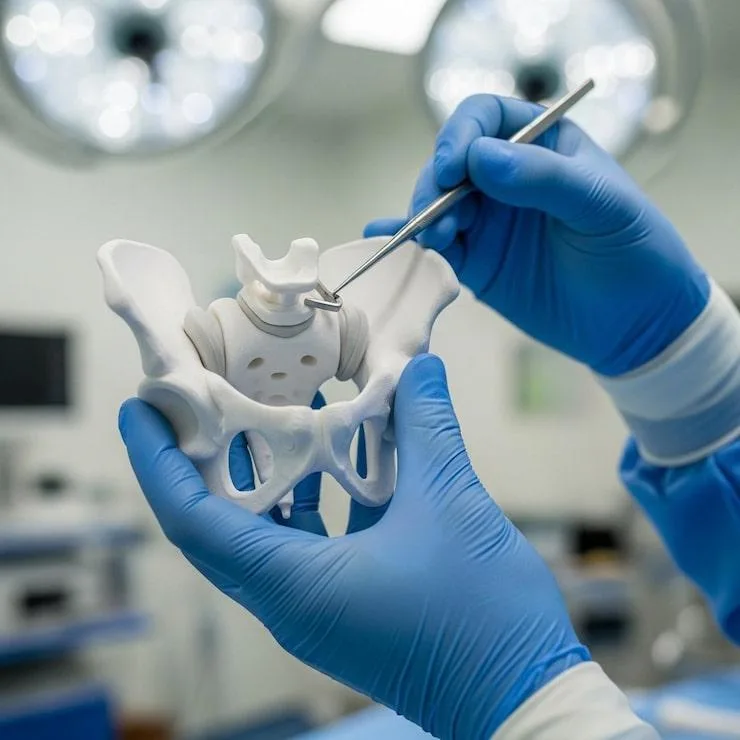
| Fracture | Typical time to bone healing | Notes | |---|---|---| | Finger or toe | 3 to 6 weeks | Often buddy-taped or splinted | | Metacarpal (hand bone) | 4 to 8 weeks | Boxer's fracture often heals in about 4 to 6 weeks | | Wrist (distal radius) | 6 to 8 weeks in a cast | Grip strength takes 3 to 6 months or longer | | Forearm (radius and ulna shafts) | 8 to 12 weeks | Usually plated in adults | | Scaphoid (wrist bone) | 8 to 12 weeks, sometimes longer | Poor blood supply; may be slow or fail to heal | | Elbow (olecranon, radial head) | 6 to 12 weeks | Stiffness is a common problem | | Upper arm (humeral shaft) | 8 to 16 weeks | | | Shoulder (proximal humerus) | 8 to 12 weeks | Physiotherapy is essential | | Collarbone (clavicle) | 6 to 12 weeks | Full strength takes longer | | Rib | 4 to 8 weeks | Pain with breathing eases gradually | | Ankle | 6 to 12 weeks | Surgery for unstable breaks | | Foot (metatarsal) | 6 to 8 weeks | Fifth metatarsal base can be slow | | Heel bone (calcaneus) | 3 to 4 months or more | Often prolonged recovery | | Tibia (shin bone) | 12 to 24 weeks | Often fixed with a rod; slower for open fractures | | Fibula | 6 to 8 weeks | Often heals without surgery if isolated | | Femur (thigh bone) | 3 to 6 months | Often fixed with a rod | | Hip (femoral neck / intertrochanteric) | 3 to 4 months for bone healing | Early surgery and mobilisation are advised | | Pelvis | 8 to 12 weeks | Depends on stability | | Vertebral compression fracture | 6 to 12 weeks for pain; longer for bone | Depends on cause, including osteoporosis | | Stress fracture | 6 to 12 weeks for low-risk sites | High-risk sites take longer |
These timeframes give an idea of when the bone usually becomes stable. They are not the time to return to full activity. For stress fractures, see our article on stress fracture symptoms and recovery.
"Healed" versus "ready for activity"
Different milestones arrive at different times.
- Cast or splint off: the bone is stable enough for protection to be reduced. It may still be weaker than normal.
- Walking or using the limb for light tasks: often starts earlier than full bone healing, as guided by your surgeon.
- Driving: when you can control the vehicle safely, off strong painkillers and with your surgeon's agreement.
- Return to work: depends on the job. Desk work is often earlier than manual labour.
- Return to sport: usually later, once strength, movement and coordination are restored.
- Full remodelling: can take a year or more.
Joint stiffness, muscle weakness and swelling often persist after a fracture has united, and need physiotherapy to resolve.
Factors that speed up healing
- Young age. Children heal quickly.
- Good blood supply to the bone. Some bones, like the tibia's front surface or the scaphoid, are at risk.
- Stable fixation and good alignment
- Adequate nutrition, including protein, calcium, vitamin D and enough calories. Our guide on an Indian diet plan for healing bones gives practical ideas.
- Not smoking
- Controlled blood sugar
- Following weight-bearing instructions
- Attending physiotherapy and follow-up appointments
- Healthy general condition
Factors that slow healing or cause problems
- Smoking and tobacco use. Among the best-documented causes of delayed union and non-union.
- Diabetes, especially when poorly controlled
- Older age and osteoporosis
- Vitamin D deficiency and poor nutrition
- Open fractures and severe soft tissue damage
- Infection
- Poor blood supply to the bone
- Too much movement at the fracture site, from inadequate immobilisation
- Excessive early weight bearing
- Certain medicines, such as long-term steroids and some others
- Heavy alcohol use
- Large gaps between bone ends or multiple fragments
- Medical conditions such as kidney disease, anaemia or thyroid disorders
Delayed union and non-union
- Delayed union: healing is taking longer than expected, but still progressing.
- Non-union: the fracture has stopped healing. It is generally considered when there is no progress over several months. Pain, movement at the fracture site and a persistent gap on X-ray are common signs.
Treatment depends on the cause. Options include improving stability with fixation, bone grafting, treating infection or underlying conditions, and stopping smoking. Early recognition is important, which is why follow-up X-rays matter.
Why X-rays follow-ups matter
Your surgeon will repeat X-rays at intervals to check:
- Whether the fracture is staying aligned
- Whether callus is forming
- When it is safe to increase weight bearing
- Whether any implants are loosening
Skipping follow-up because you feel better can hide problems.
Supporting your recovery
- Follow your surgeon's instructions about cast care, weight bearing and exercises.
- Eat well. Include dal, milk or curd, eggs or fish if you eat them, nuts and plenty of vegetables and fruit.
- Check your vitamin D and calcium and correct deficiency under medical advice.
- Do not smoke.
- Keep moving the joints that are not immobilised, to prevent stiffness.
- Elevate the limb to control swelling.
- Do not put things inside a cast to scratch, and keep the cast dry.
- Start physiotherapy when advised.
- Be patient. Rushing back is a common reason for setbacks.
- Think about prevention. If the fracture followed a minor fall, ask about osteoporosis testing and fall prevention.
Warning signs after a fracture
Contact your doctor or go to the emergency department if you notice:
- Pain that is getting worse instead of better
- Numbness, tingling, coldness or colour change in fingers or toes
- A cast that feels too tight, or a foul smell from the cast
- Fever, redness, discharge or increasing swelling around a wound or surgical site
- Calf pain or swelling, or sudden breathlessness (possible clot, which is an emergency)
- A sudden change in the shape of the limb
- Pain after a fall on a healing fracture
Prakash Hospital in Noida has a 24 hour emergency department.
Fracture care in Noida with Dr. Mayank Chauhan
Whether you need a cast, surgery or help getting a stubborn fracture to heal, a clear plan and regular follow-up make the difference. Dr. Mayank Chauhan is a senior orthopedic surgeon at Prakash Hospital, D-12A/12B, Sector 33, Noida, next to the ISKCON Temple. He has more than 15 years of experience, trained at Maulana Azad Medical College, Delhi, and completed an arthroplasty fellowship at Hallym University Hospital, South Korea. His patients rate him 4.9 out of 5 on Google.
Prakash Hospital is a 100 bed, NABH and NABL accredited hospital with 24 hour emergency care, and works with CGHS, ECHS, ESI and major insurers. OPD hours are Monday to Saturday, 10 AM to 8 PM, and Sunday, 10 AM to 2 PM.
To book a consultation, call the number listed on the website.
This article is for general information and does not replace a medical examination. Healing times are typical ranges and vary widely between individuals; follow your surgeon's advice for your specific fracture.