Reviewed by Dr. Mayank Chauhan
Best Orthopedic Surgeon in Noida: What to Look For Before You Book

doctor examining a patient’s back.
Type "best orthopedic surgeon in Noida" into a search engine and you will get a long list. Hospital pages, directory sites, rankings, star ratings, paid listings. Every doctor on those lists appears to be "top rated", and it is hard to tell the real differences between them.
The truth is that no ranking can tell you who is best for your problem. An orthopedic surgeon who is brilliant at spine surgery may do very little knee work. One who spends his days on sports injuries may not be the best choice for a frail 80 year old with a broken hip. The right match depends on what is wrong with you.
What an orthopedic surgeon does
Orthopedics deals with the musculoskeletal system: bones, joints, ligaments, tendons, muscles and the spine. An orthopedic surgeon diagnoses and treats problems of these structures, often without surgery. Most of what an orthopedic doctor does is non-surgical: examination, imaging, exercises, medicines, injections, braces and advice. Surgery is one tool among many, used when other approaches have not worked or when the problem demands it.
Common conditions include:
- Knee, hip and shoulder arthritis
- Joint replacement for worn joints
- Fractures and trauma
- Ligament and cartilage injuries, including ACL and meniscus tears
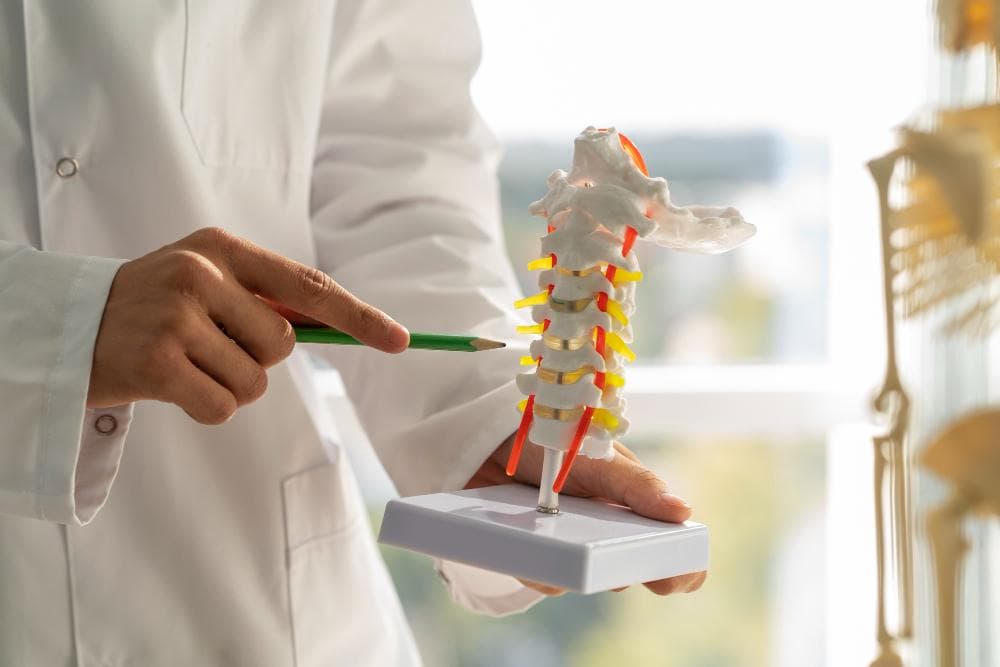
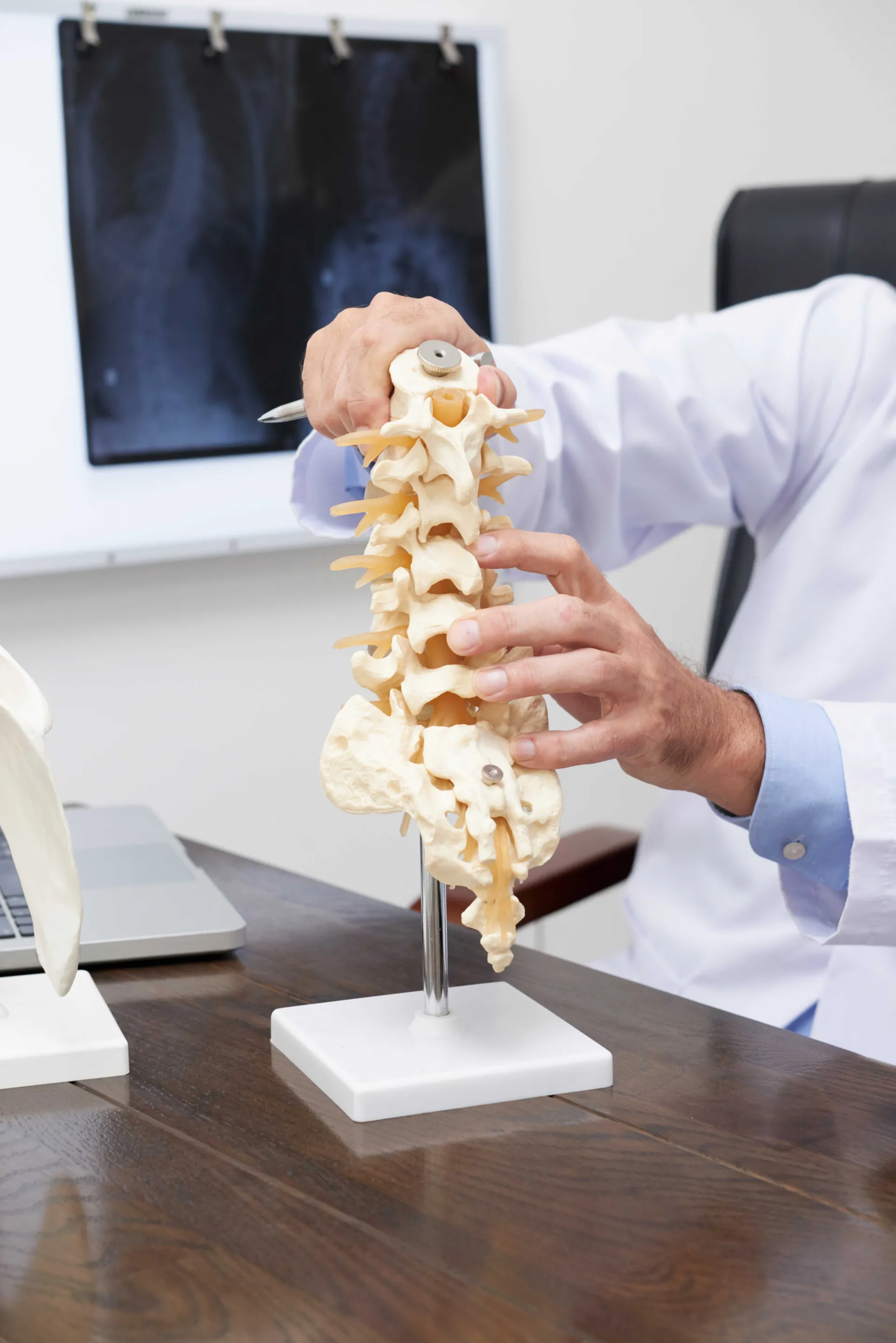
- Back and neck problems such as slip disc and sciatica
- Sports injuries
- Osteoporosis and bone health
- Foot and ankle problems
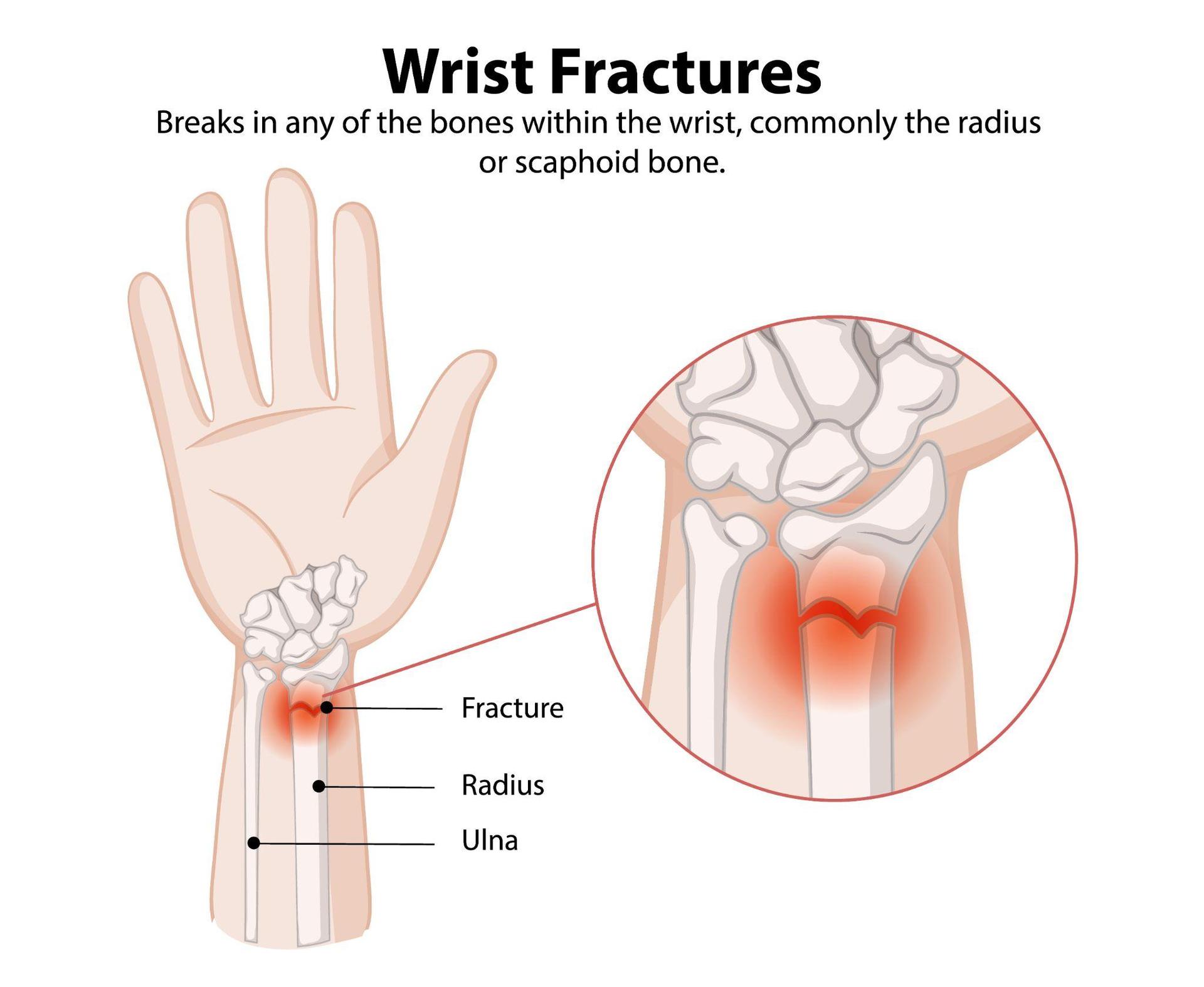
- Hand and wrist conditions
- Children's bone and joint problems
Qualifications that matter
Basic training
Look for a postgraduate degree in orthopedics: MS Orthopaedics or DNB Orthopaedics, built on an MBBS. This means the doctor completed several years of specialist surgical training. You can ask which institution they trained at, and check their registration with the relevant medical council.
Additional training
Many surgeons pursue fellowships in a subspecialty, such as joint replacement, sports medicine, spine or trauma. Fellowship training gives deeper experience in a particular area. For example, an arthroplasty fellowship focuses on joint replacement.
Experience
Years in practice matter, but the more useful number is how often a surgeon performs the procedure you need. For surgeries like joint replacement, research shows that higher volume surgeons and hospitals tend to have fewer complications. It is entirely reasonable to ask, "How many of these do you perform each year?"
Match the surgeon to your problem
"Orthopedic surgeon" is a broad title, and many surgeons concentrate on certain areas. A rough guide follows.
| Your problem | What to look for | |---|---| | Knee or hip arthritis, replacement | A joint replacement surgeon with arthroplasty experience | | Fracture or accident | A trauma surgeon at a hospital with 24 hour emergency care | | ACL, meniscus, shoulder instability | A sports injury and arthroscopy specialist | | Slip disc, sciatica, spinal stenosis | A spine specialist or a surgeon with spine experience | | Back pain without nerve symptoms | A general orthopedic doctor, often with physiotherapy | | Frozen shoulder, tennis elbow, heel pain | A general orthopedic doctor | | Osteoporosis, low bone density | An orthopedic doctor with bone health focus, possibly with an endocrinologist | | Child with a bone or joint problem | A pediatric orthopedic specialist | | Bone tumour | A specialist in orthopedic oncology |
Many general orthopedic surgeons treat the common conditions across the board and refer you when a problem needs a specialist. A good doctor will say so, without ego.
The hospital matters as much as the surgeon
Surgery does not happen in a vacuum. Even the most skilled surgeon depends on the hospital team and systems around them. When choosing, look for:
- NABH accreditation. It indicates adherence to quality and safety standards.
- Operating theatres designed for implant surgery, with strict infection control
- 24 hour emergency care and ICU access, in case something unexpected happens
- Experienced anesthesiologists and nurses
- In-house diagnostics, including X-ray, MRI and laboratory services
- A physiotherapy and rehabilitation team that starts early and works with the surgeon
- Clear handling of insurance, CGHS, ECHS and ESI, if you use them
Noida has a number of hospitals of different sizes. Visit if you can. Notice cleanliness, how staff speak to patients, and how organised the process feels.
What a good consultation looks like
The quality of the first visit tells you a lot.
- The doctor listens. You get time to describe your pain, your daily limits and your goals.
- A proper examination. Your joints, spine, strength, reflexes and walking are checked.
- Imaging is used sensibly. X-rays and scans are requested when needed, not automatically for everyone.
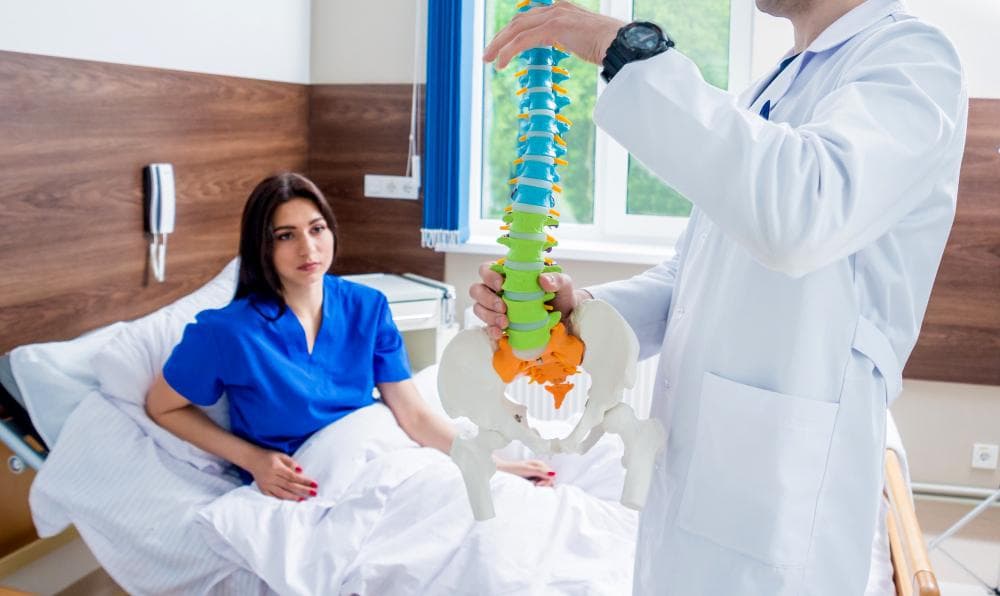
- You understand the diagnosis. The doctor explains it in plain words, often showing you your X-ray.
- Non-surgical options come first. Unless it is urgent, you should hear about exercise, medicines, injections and lifestyle changes before surgery.
- If surgery is advised, the reasons are clear. You hear the alternatives, benefits, risks and what recovery looks like.
- No pressure. You are given time to think and encouraged to ask questions or seek a second opinion.
Questions worth asking
- What is my diagnosis, in simple terms?
- What are my options, including non-surgical ones?
- What happens if I wait?
- If surgery is advised, why this procedure for me?
- How many of these procedures do you perform each year?
- What are the main risks in my case?
- What does recovery involve, and how long will it take?
- Who do I contact after discharge if something worries me?
- What does the hospital estimate include and exclude?
- Would a second opinion be reasonable here?
A confident, caring surgeon welcomes these questions.
Warning signs
- Guarantees. No surgeon can promise a perfect outcome.
- Rushing to surgery at the first visit, without exploring alternatives
- No examination, or a decision based only on a scan
- Reluctance to explain risks, alternatives or costs
- Vague answers about experience, implants or the hospital
- Pressure tactics, such as limited time offers on surgery
- Claims of being "the best" or "number one" with nothing behind them
- Discouraging second opinions
Surgery is not something to be sold with offers. A doctor who respects you will respect your right to take your time.
Reading online reviews and rankings
Reviews can help, but they need to be read carefully.
- Look at patterns across many reviews rather than a single glowing or angry one.
- Notice comments about listening, explanation, waiting time, follow up and how problems were handled.
- Reviews capture the patient's experience, not necessarily the technical quality of the operation.
- Be cautious with "top doctor" lists, some of which are paid placements.
- Check whether the doctor and hospital respond professionally to criticism.
A consistently high rating across many reviews is a good sign. Dr. Mayank Chauhan, for example, has a 4.9 out of 5 rating on Google. Still, the best test is how you feel after meeting the doctor yourself.
A word on second opinions
A second opinion is a normal part of medical care, and good doctors expect it. It is particularly useful if:
- You have been advised surgery and are unsure
- Two doctors have given conflicting advice
- Your case is complicated, such as previous surgery or multiple conditions
- The proposed operation is major and elective, such as joint replacement or spine surgery
Bring your reports and images to each appointment. If both opinions agree, you can proceed with more confidence. If they differ, ask each doctor to explain the reasoning.
Getting care in Noida and Greater Noida
A few practical points make the process smoother for residents of Noida, Greater Noida, Noida Extension and neighbouring areas.
Location and access. Recovery after surgery involves repeated follow up visits and physiotherapy. A hospital that is hours away in traffic is tiring. Noida patients usually save time by choosing a Noida hospital over travelling into Delhi, and patients from Greater Noida, Ghaziabad and Indirapuram find Noida reachable for follow ups.
Emergency access. For fractures and accidents, the nearest hospital with 24 hour orthopedic cover is what matters. Know where it is before you need it. Our guide on emergency orthopedic care in Noida explains what to do after an accident.
Insurance and schemes. Check that the hospital is empanelled with your insurer, or with CGHS, ECHS or ESI if you are eligible.
Family support. Choose a place that makes it realistic for relatives to be with you in hospital.
Continuity. Seeing the same surgeon from first consultation to follow up avoids confusion.
Meet Dr. Mayank Chauhan
Rather than ask you to accept a claim on trust, here is the background so you can check it yourself.
Dr. Mayank Chauhan is a senior orthopedic and joint replacement surgeon at Prakash Hospital, D-12A/12B, Sector 33, Noida, next to the ISKCON Temple.
- Education: MBBS from Maulana Azad Medical College, Delhi, and MS in Orthopaedics
- Fellowship: Arthroplasty fellowship at Hallym University Hospital, South Korea
- Experience: More than 15 years in orthopedic and joint replacement surgery
- Patient rating: 4.9 out of 5 on Google
- Areas of care: Knee and hip replacement (total, partial and revision), arthroscopy, fracture care, sports injuries and bone health
Prakash Hospital is a 100 bed, NABH and NABL accredited hospital with 24 hour emergency care, empanelled with CGHS, ECHS, ESI and major insurers.
OPD hours are Monday to Saturday, 10 AM to 8 PM, and Sunday, 10 AM to 2 PM.
Our guides on choosing a joint replacement hospital in Noida and on knee pain care in Greater Noida add more detail for those specific needs.
To book a consultation, call the number listed on the website.
Summary
The best orthopedic surgeon in Noida for you is one who examines you carefully, explains things clearly, offers the right treatment for your problem, works in a hospital with solid safety systems and stays available afterwards. Use the checklists above, trust substance over advertising, and take your time.
This article is general information. It does not rank or compare specific doctors, and decisions about treatment should be made after a personal examination.