Emergency Orthopedic Care in Noida — When to Go, What to Expect
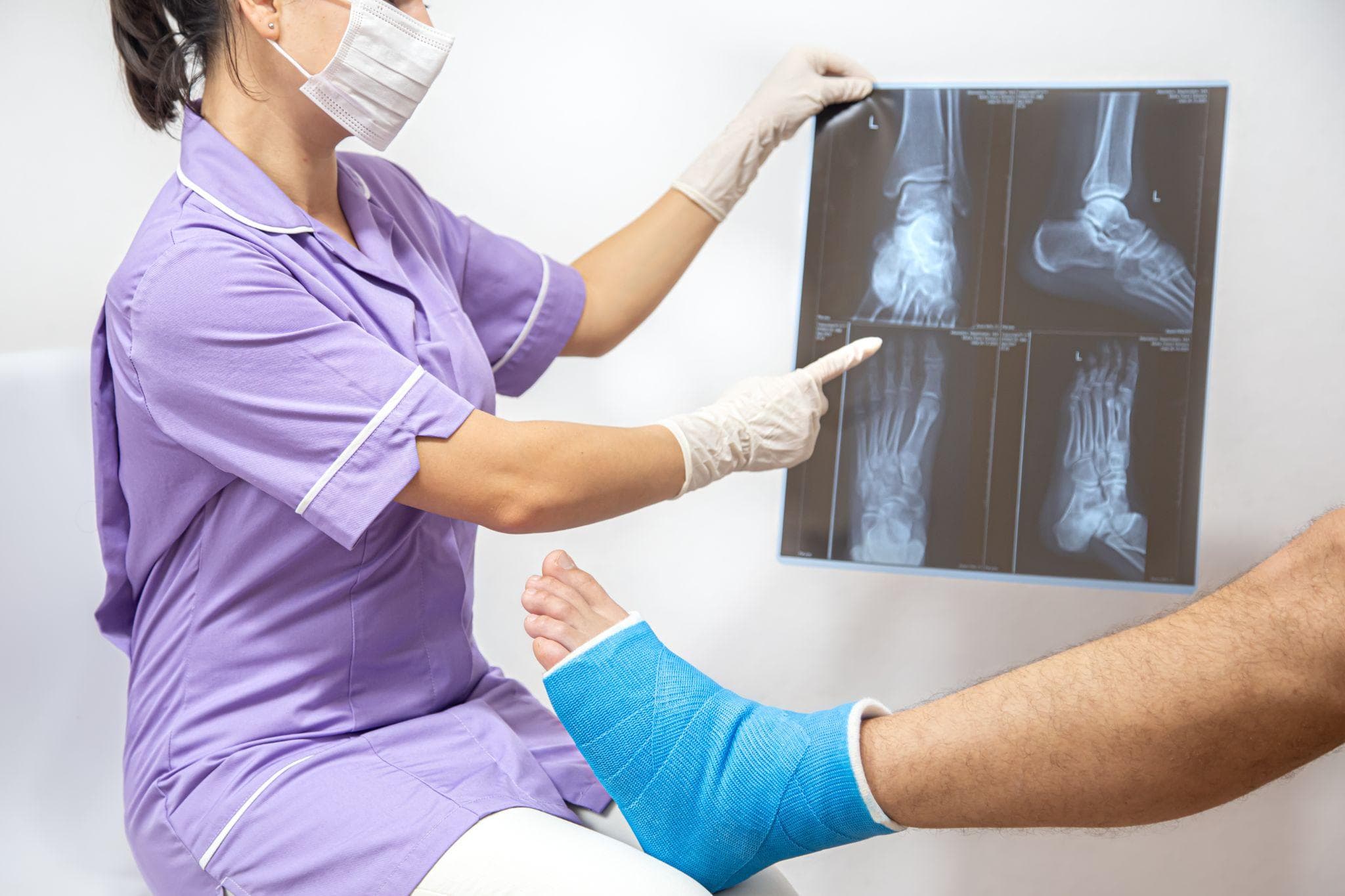
An orthopedic doctor examining X-ray images of a foot fracture in a hospital setting. X-rays help assess fracture severity and guide appropriate treatment planning.
Orthopedic emergencies don't schedule themselves. They happen on a Sunday evening when the family is visiting. At 2am after a fall in the bathroom. On a holiday when most clinics are closed and everyone is trying to figure out what to do.
Knowing where to go, what to do immediately, and what to expect when you arrive makes a real difference — not only in terms of outcome, but in terms of how much unnecessary distress occurs in the critical minutes and hours after a significant injury.
What Counts as an Orthopedic Emergency?
Not every bone or joint problem is an emergency. Many orthopedic conditions — chronic knee pain, a slowly developing backache, a stiff shoulder — can wait for a scheduled outpatient appointment.
The following situations require immediate emergency care:
Fractures
Any suspected fracture should be evaluated urgently. The arm or leg is typically:
- Visibly deformed (the limb looks wrong — abnormal angle, abnormal length)
- Severely painful, particularly with any movement or pressure
- Swollen and bruising rapidly
- Difficult or impossible to weight-bear (for leg fractures)
Open fractures — where the bone has broken through the skin — are particularly urgent. The wound is contaminated, the risk of infection is high, and time to surgery matters. Cover the wound with a clean cloth and do not attempt to push the bone back in.
Hip fractures in elderly patients: A fall followed by severe hip or groin pain and the inability to walk or bear any weight on the leg is a hip fracture until proven otherwise. This is one of the most common and serious orthopedic emergencies in older Indians. Time to surgical fixation matters for outcomes.
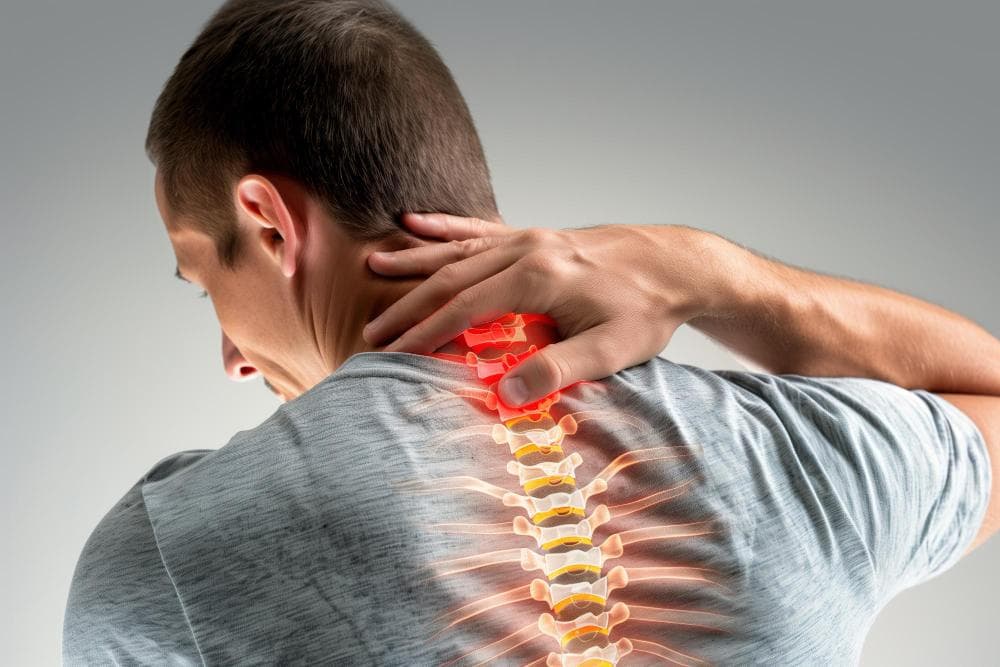
Spinal fractures after significant trauma: Following a fall from height, road traffic accident, or significant impact, any back or neck pain with weakness, numbness, or tingling in the arms or legs must be treated as a potential spinal fracture with nerve involvement. Do not move the patient without proper spinal precautions. Call an ambulance.
Joint Dislocations
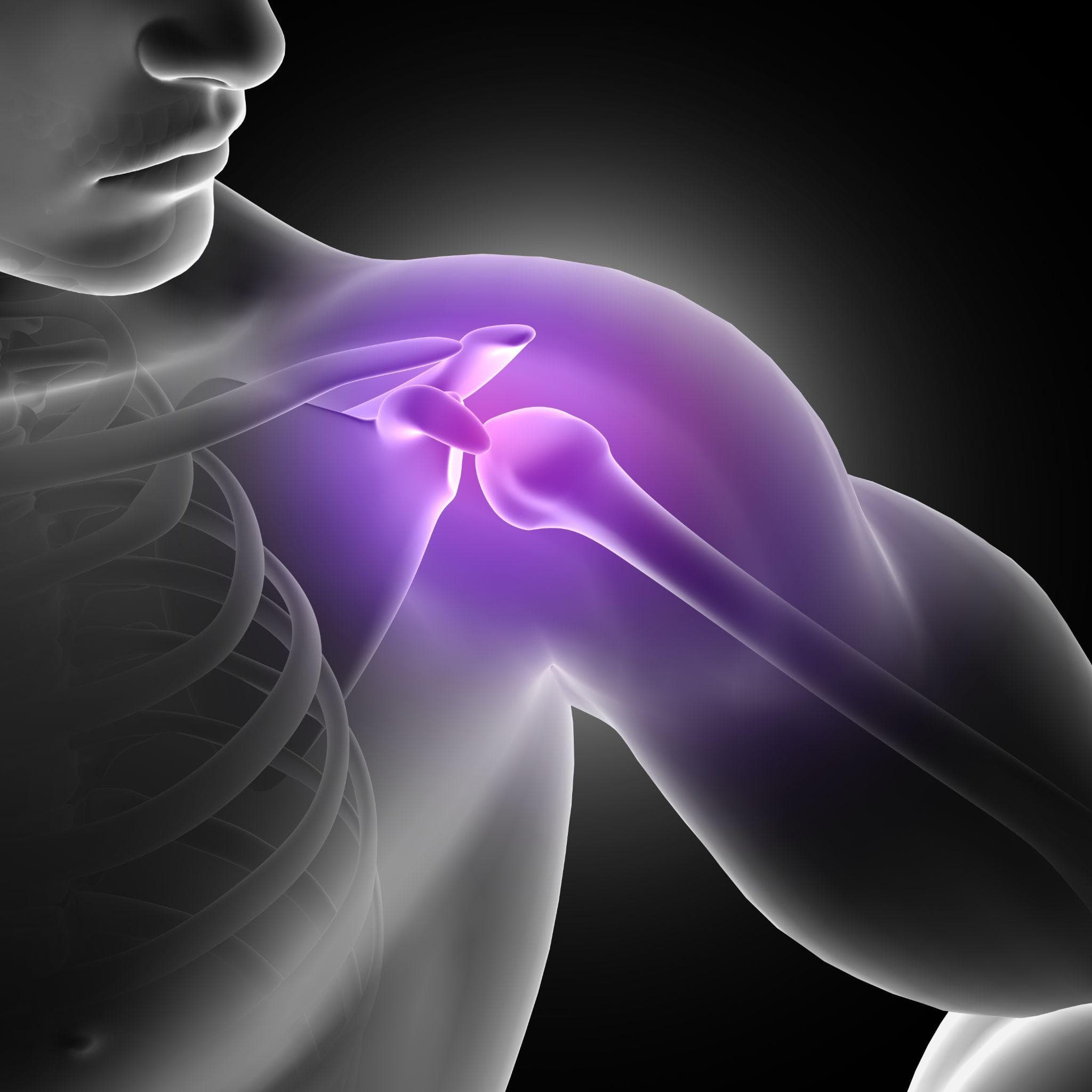
A dislocated shoulder, hip, or knee is immediately apparent and extremely painful. The joint is visually deformed, the limb cannot be moved normally, and any movement causes severe pain.
Never attempt to relocate a dislocated joint at home. This risks fracturing the bone, damaging nerves, and tearing blood vessels. Immobilise in the most comfortable position and go to the emergency department.
Knee dislocation (as distinct from kneecap dislocation) is a particularly serious injury that can damage the arteries behind the knee. Any suspected knee dislocation requires immediate vascular assessment in the emergency department.
Acute Compartment Syndrome
This is a true orthopedic emergency — a limb-threatening condition.
After a fracture or crush injury, bleeding and swelling within the rigid fascial compartments of the forearm or leg can build up pressure that cuts off blood supply to the muscles. If the pressure is not relieved surgically within hours, permanent muscle death (leading to disability) or loss of the limb results.
Warning signs:
- Pain out of proportion to the injury — severe, increasing, not responding to normal pain medication
- Pain that worsens dramatically when the muscle is passively stretched
- Pressure or tightness in the limb
- Tingling or numbness in the fingers or toes
- Pale, cool skin
If these signs are present after any significant limb injury — call emergency services and go to the hospital immediately.
Cauda Equina Syndrome
Not a bone or joint injury — but an orthopedic/spinal emergency. Back pain combined with:
- Loss of bladder or bowel control (inability to urinate, or urinary/faecal incontinence)
- Numbness in the saddle area (inner thighs, perineum)
- Rapidly progressive weakness in both legs
This is surgical compression of the nerve roots at the bottom of the spinal cord. Surgery within 24–48 hours is required to prevent permanent nerve damage.
Septic Arthritis
A joint that becomes acutely swollen, hot, red, and exquisitely painful — particularly with any movement — with systemic fever is infected until proven otherwise. Septic arthritis is a joint-destroying emergency that requires urgent aspiration, diagnosis, and surgical washout. Delay causes irreversible joint damage.
First Aid While Getting to the Hospital
For Fractures
RICE for the first minutes:
- Rest: Stop using the injured limb
- Ice: Apply ice wrapped in a cloth (never directly on skin) to reduce swelling
- Compression: A light bandage if available, not too tight
- Elevation: Raise the limb above the level of the heart if possible
Immobilise: If a fracture is suspected in the arm, use a sling or support. For leg fractures, do not attempt to walk if the leg is deformed. Keep the limb as still as possible during transfer.
Do not give food or water if surgery is anticipated — fasting is required for anaesthesia.
For Dislocated Joints
Immobilise in the most comfortable position. Support the injured limb with pillows or folded clothing. Do not attempt reduction. Go directly to the emergency department.
For Spinal Injuries
Do not move the patient. Log-roll technique only if movement is absolutely necessary. Call an ambulance with spinal precautions.
What Happens at the Emergency Department
At a 24/7 orthopedic-equipped emergency department:
1.Initial assessment: The patient is triaged based on severity. Life-threatening injuries (vascular compromise, open fractures, compartment syndrome) go first.
2.Pain management: IV or intramuscular pain relief is initiated early. The wait for investigations should not mean the patient is in uncontrolled pain.
3.Imaging: X-rays are the starting point for most orthopedic injuries. CT scans are used for complex fractures, spinal injuries, and joint pathology requiring detailed bony assessment.
4.Orthopaedic assessment: The on-call orthopedic team reviews imaging and examines the patient. Treatment decisions are made: splinting and discharge, admission for observation, or emergency surgery.
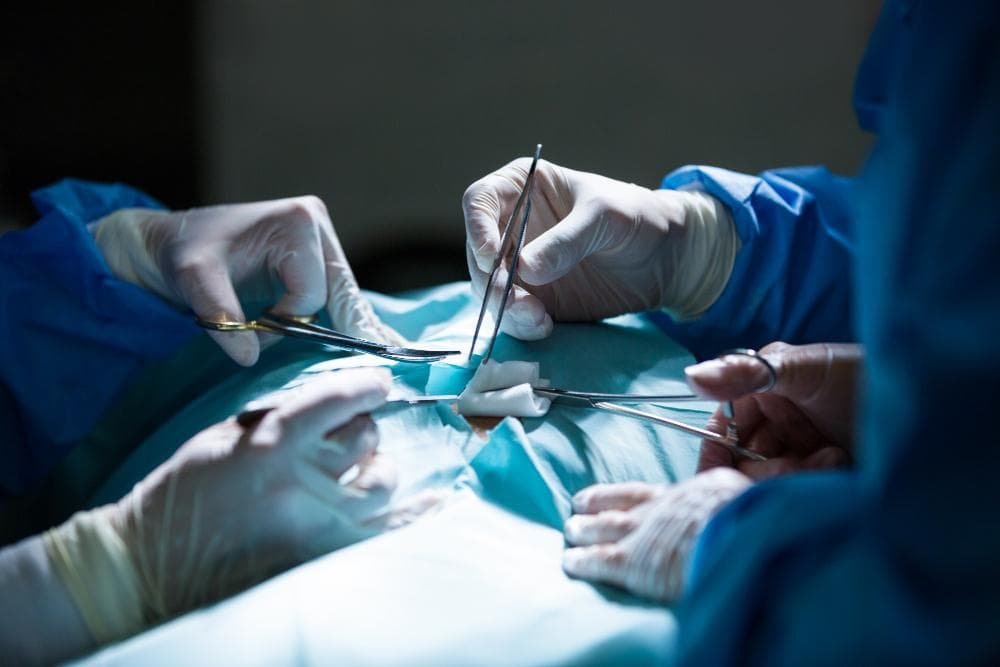
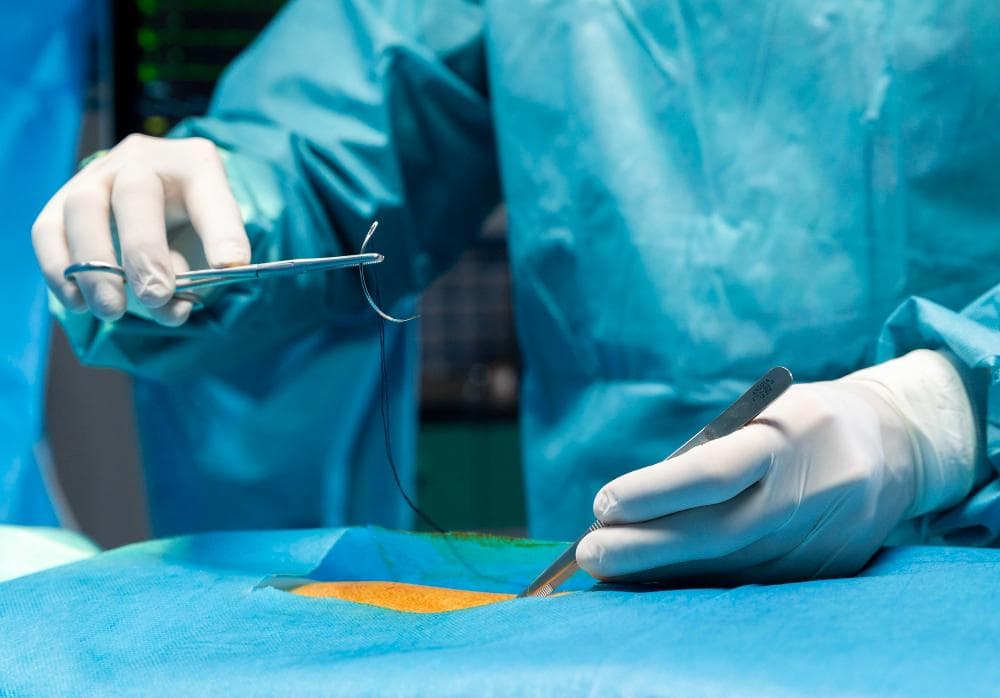
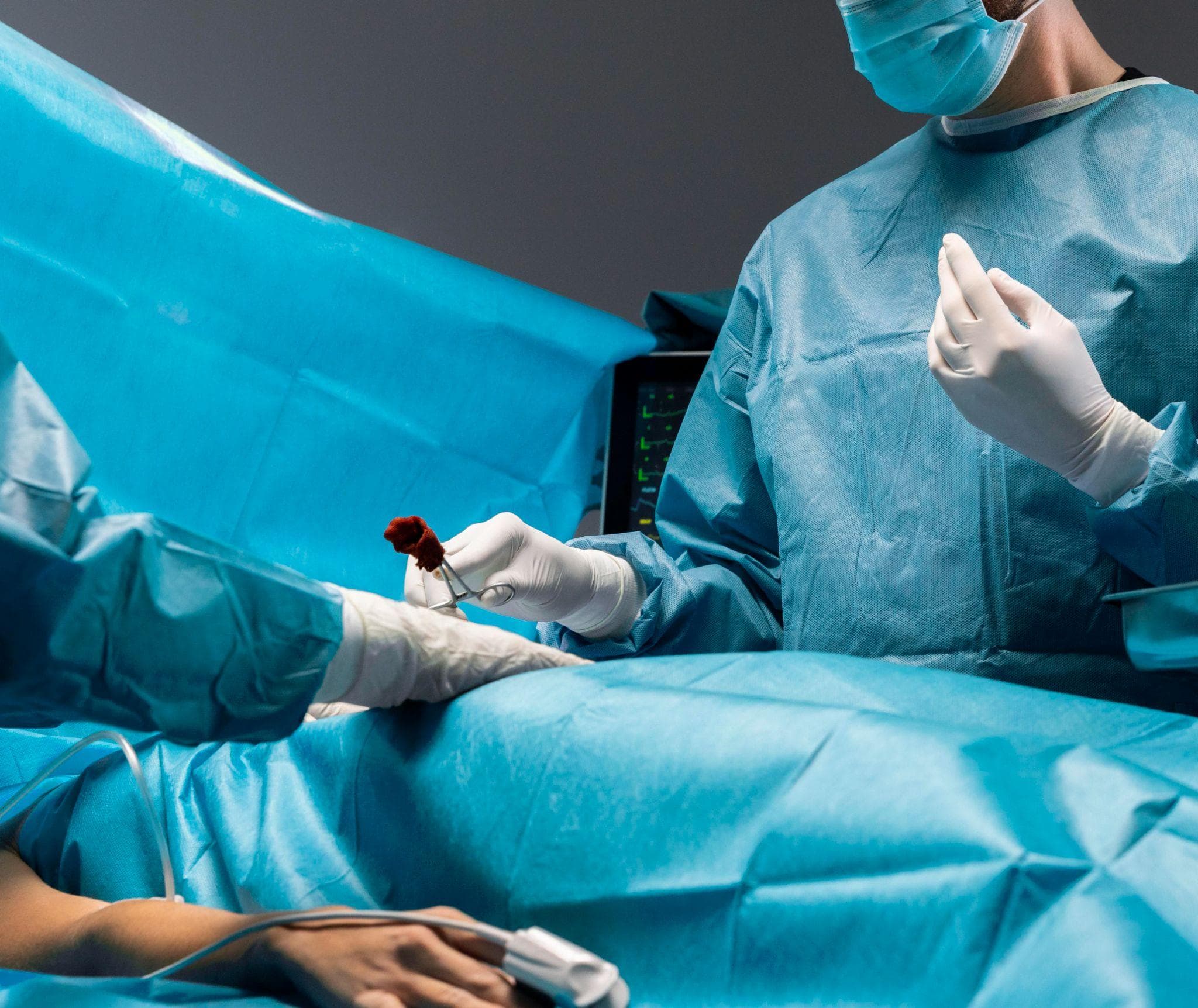
5.Surgery when needed: For fractures requiring fixation, open injuries, compartment syndrome, septic arthritis, and certain dislocations, the operating theatre is prepared.
The Most Common Orthopedic Emergencies Seen in Noida
Noida and the NCR region present a particular profile of orthopedic emergencies:
Road traffic accidents: The NCR has high two-wheeler and vehicle density. High-speed accidents produce complex fractures, dislocations, and polytrauma. Long bone fractures (femur, tibia, forearm) are the most common.
Elderly falls: Hip fractures in patients over 65 are among the most frequent emergency admissions. Often occurring at home — in bathrooms, on stairs, getting up at night. Outcomes are significantly better with early surgery (within 24–48 hours of admission).
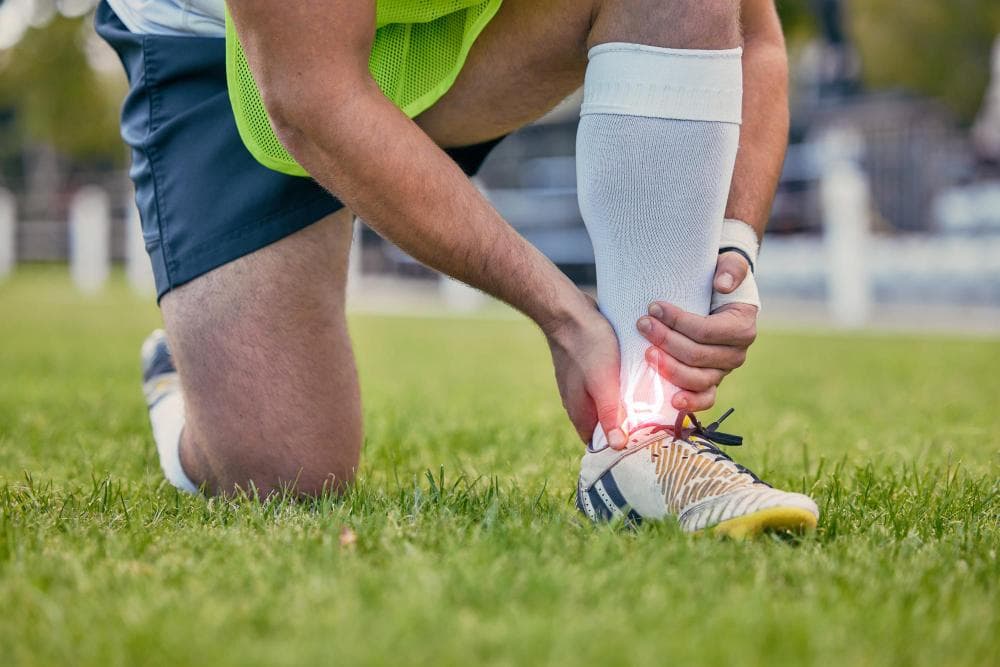
Sports injuries: Cricket, football, kabaddi, gym injuries. ACL tears, shoulder dislocations, ankle fractures, hand fractures.
Workplace injuries: Construction site falls and industrial injuries produce severe fractures and open wounds.
Domestic falls: Particularly common in children (forearm fractures, clavicle fractures) and elderly patients (wrist fractures, hip fractures).
Prakash Hospital's Emergency Orthopedic Care
Prakash Hospital at Sector 33, Noida, has a 24/7 emergency department with on-call orthopedic coverage including Dr. Mayank Chauhan's team. The hospital is fully equipped for emergency fracture management, joint dislocation reduction, and emergency joint washout.
The hospital is located in Sector 33, Noida — adjacent to the ISKCON Temple — and serves patients from across Noida, Greater Noida, Ghaziabad, Indirapuram, and the wider NCR region.
Key capabilities:
- 24/7 emergency care with orthopedic on-call
- Emergency X-ray and CT imaging available round the clock
- Fully equipped operating theatres for emergency surgery
- 100-bed inpatient facility including ICU support
- NABH and NABL accreditation
- Empanelled with CGHS, ECHS, ESI, and all major private insurers
For emergencies, go directly to the emergency department. For non-urgent consultations, call the number listed on the website to book an appointment with Dr. Mayank Chauhan.