Reviewed by Dr. Mayank Chauhan
Cervical Spondylosis Exercises You Can Do at Home
Two or three short, slow sessions a day ease neck stiffness better than one long workout.
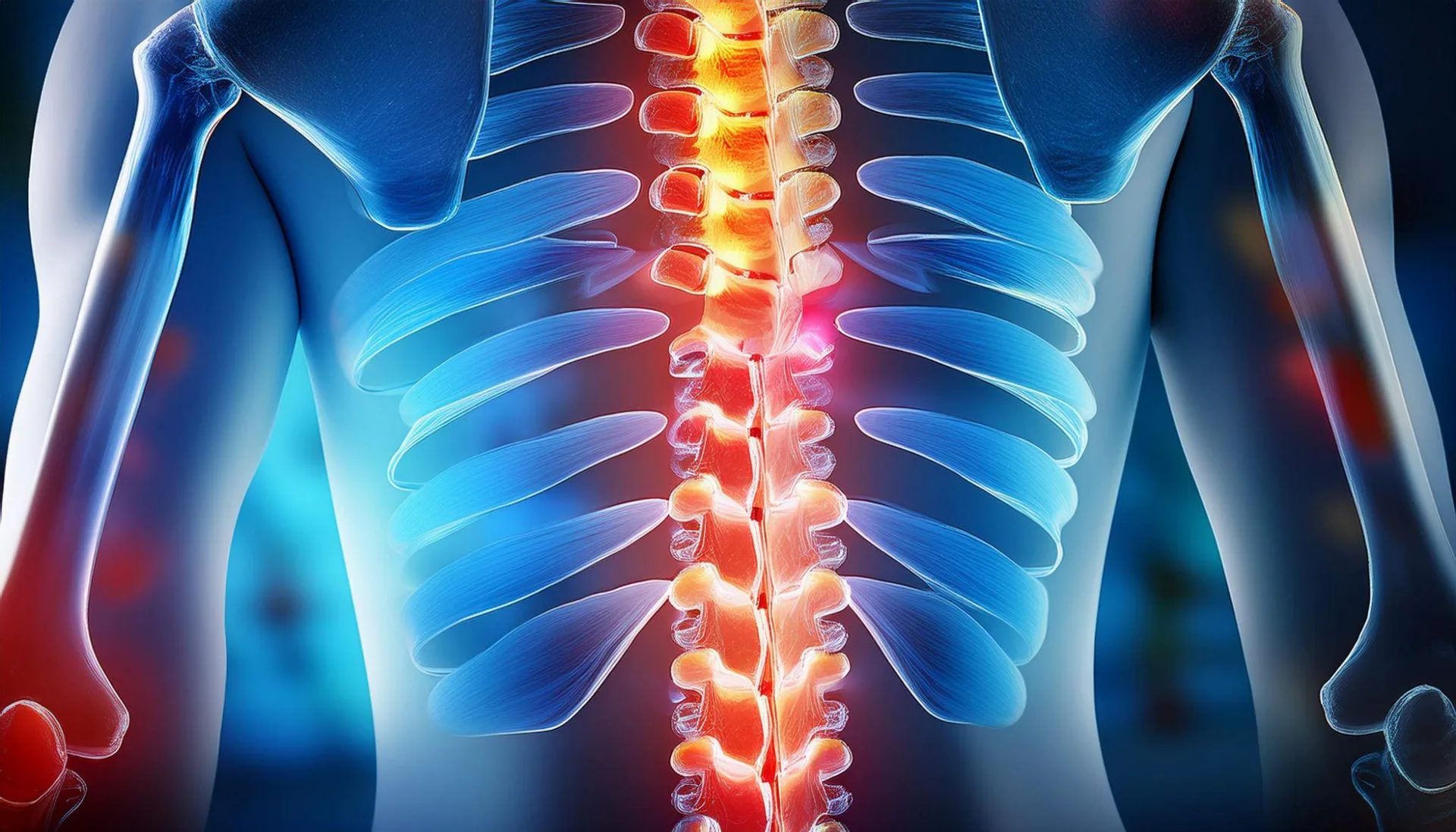
"Cervical spondylosis" is a heavy sounding phrase for something very common. It means age related wear in the neck: discs that dry out and lose height, small joints that grow bony edges, and ligaments that thicken. By the age of 50 most adults have some degree of it on an X-ray, and a large number never feel a thing.
When it does cause trouble, the symptoms are familiar: a stiff neck, pain at the base of the skull, an ache across the shoulders, sometimes tingling down an arm. The usual first piece of advice is "do neck exercises". That is good advice, but it needs a few cautions. Exercise that suits a desk worker with a tight neck is not always right for a person whose nerve is being pinched or whose spinal cord is under pressure.
What cervical spondylosis is
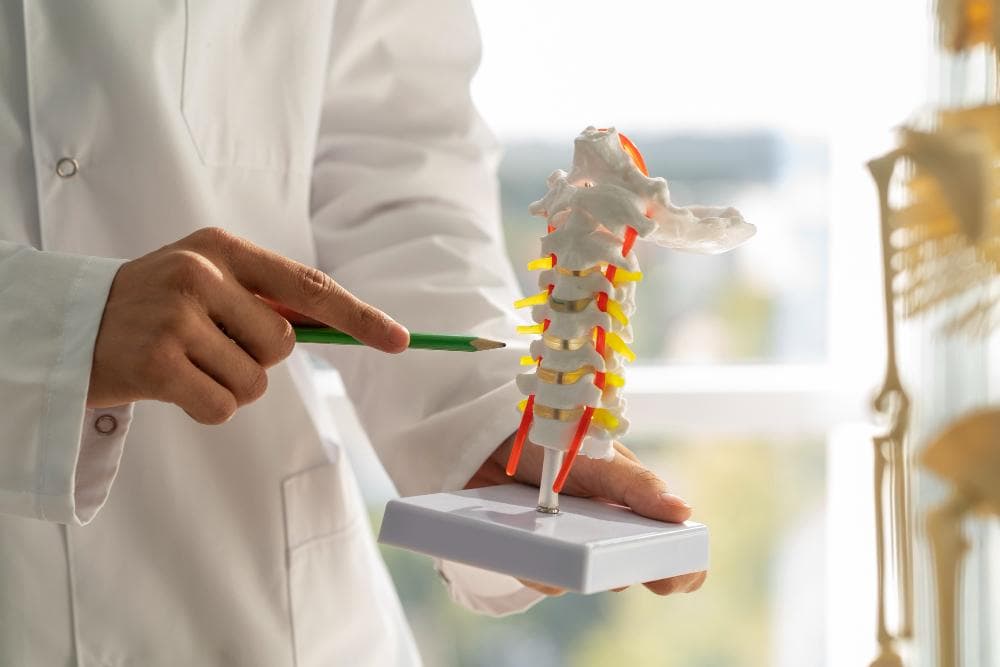
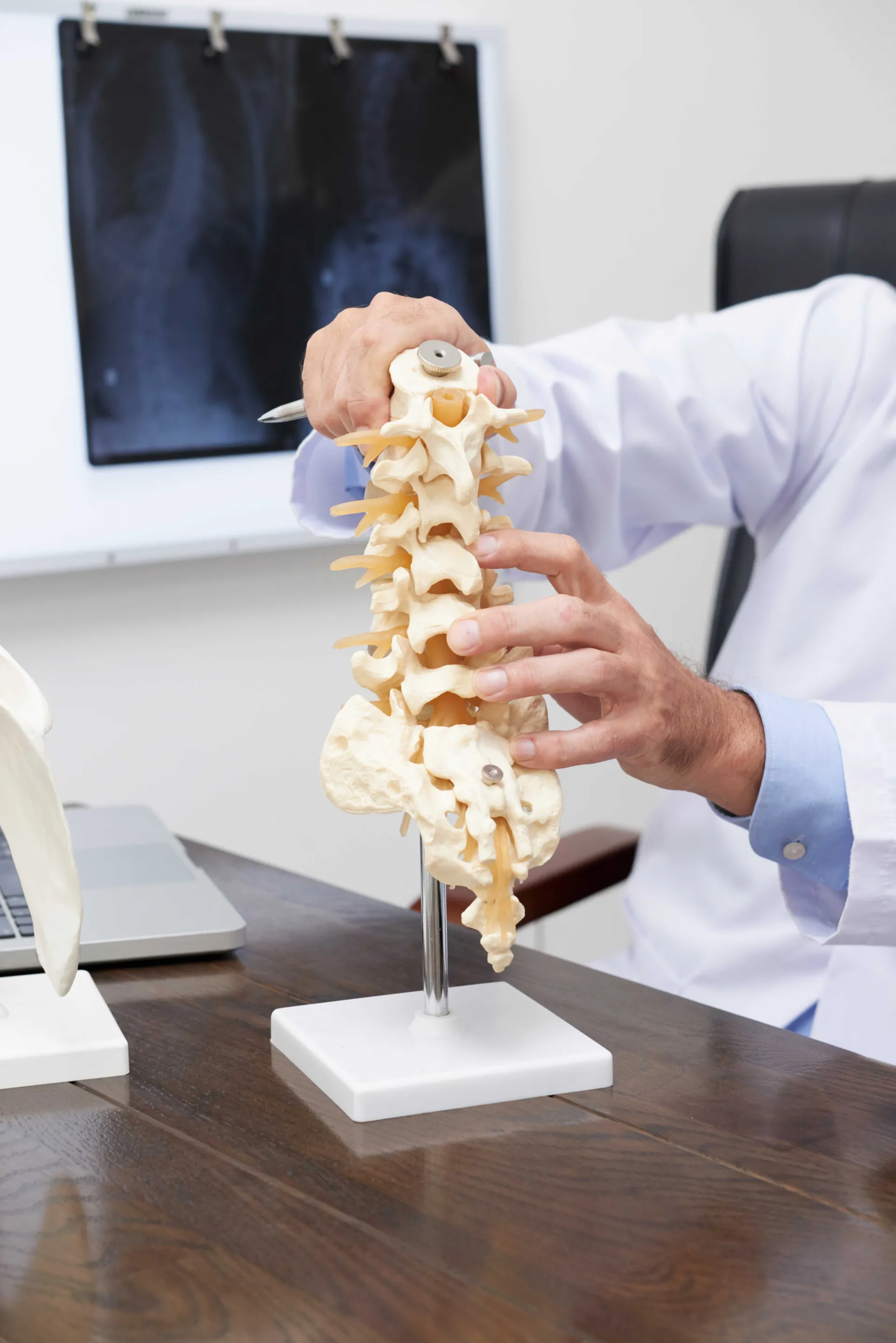
The neck, or cervical spine, has seven small vertebrae stacked on each other with discs in between and paired joints at the back. Over the years:
- The discs dry out, flatten and may bulge.
- The facet joints wear and grow bony spurs (osteophytes).
- The ligaments thicken and stiffen.
- The spinal canal and nerve exit holes can narrow.
Many people have these changes without symptoms. Symptoms usually arise from one of three mechanisms:
- Mechanical neck pain. Irritated joints, discs and muscles cause stiffness and aching.
- Radiculopathy. A nerve root is pinched, causing pain, tingling or weakness in the arm and hand.
- Myelopathy. The spinal cord itself is compressed, which is less common but more serious.
Which one you have changes how cautious you need to be.
Who can start a home exercise routine?
Gentle neck exercises are generally suitable for people with mechanical neck pain: stiffness and aching without arm weakness or other neurological signs. They can also help many people with mild radiculopathy, once a doctor has examined them.
Do not begin an exercise programme on your own, and see a doctor first, if you have any of the following:
- Weakness in an arm or hand, such as dropping objects or difficulty gripping
- Numbness spreading down the arm or fingers
- Clumsy hands, difficulty with buttons or handwriting
- Unsteady walking, stiff or heavy legs
- Loss of bladder or bowel control
- Neck pain after a fall, accident or injury
- Fever or unexplained weight loss with neck pain
These can indicate pressure on the spinal cord or a serious cause, and they need examination, and often an MRI, before exercise.
Ground rules for safe practice
- Warm up first. A warm shower or a heat pack for 10 minutes loosens the muscles.
- Move slowly. Never jerk or bounce.
- Aim for a gentle stretch, not pain. A mild pull is fine. Sharp pain is not.
- Stop if symptoms spread into the arm, or if you feel dizzy, nauseous, or have visual changes.
- Breathe normally throughout.
- Do little and often. Two or three short sessions a day beat one long session.
- Be consistent. Benefits come over weeks, not days.
The exercises
1. Chin tucks
Sit or stand tall with your eyes level. Without tilting your head up or down, glide your chin straight back, making a gentle double chin. Hold for 5 seconds, then relax. Repeat 10 times.
This strengthens the deep muscles at the front of the neck and reduces the forward head posture that loads the cervical spine. It is the single most useful exercise in the list for most people.
2. Neck rotation
Turn your head slowly to the right, as far as is comfortable, hold for 5 seconds and return to centre. Repeat to the left. Do 5 to 8 repeats each way. Keep your shoulders relaxed.
3. Side bending
Tilt your ear toward your shoulder without lifting the shoulder. Hold for 10 to 15 seconds. Return to centre and repeat on the other side. Do 3 to 5 repeats each side.
For a deeper stretch, rest your hand lightly on the side of your head, but do not pull.
4. Neck flexion
Lower your chin slowly toward your chest until you feel a gentle stretch at the back of the neck. Hold for 15 to 20 seconds and return. Repeat 3 times.
If you have nerve symptoms that worsen when your chin goes down, skip this exercise.
5. Shoulder blade squeezes
Sit tall and draw your shoulder blades back and slightly down, as if gently squeezing a pencil between them. Hold for 5 seconds. Repeat 10 times. Strong muscles between the shoulder blades support the neck.
6. Shoulder rolls
Roll the shoulders backward in slow, large circles. Do 10 repeats. This eases tension in the upper shoulder muscles.
7. Isometric neck holds
Place your palm against your forehead, and press your head gently into your hand without letting it move. Hold for 5 seconds. Repeat against the side of the head on each side. These strengthen the neck without moving the joints, which is useful when movement is uncomfortable. Use only mild effort.
8. Upper back extension
Sit in a firm backed chair, clasp your hands behind your head and gently arch your upper back over the chair back. Keep your neck neutral and do not let your head drop backward. Repeat 5 times. A stiff upper back forces the neck to do extra work.
9. Doorway chest stretch
Stand in a doorway with your forearms against the frame, elbows at shoulder height. Step forward gently until you feel a stretch across the chest. Hold for 20 to 30 seconds. Repeat 3 times. Tight chest muscles pull the shoulders forward and the head with them.
10. Gentle walking and general activity
Regular walking, light swimming or cycling improve circulation, mood and overall posture. General fitness helps neck pain more than most people expect.
A sample routine is two sessions a day with chin tucks, rotations, side bends, shoulder blade squeezes and a chest stretch. It should take about ten minutes.
What to avoid
Some popular habits and exercises do more harm than good, especially if you have spondylosis.
- Full head circles, particularly rolling backward. They compress the joints at the back of the neck.
- Forcing the neck backward into extension. This narrows the exit holes of the nerves and the spinal canal, and can reproduce arm symptoms.
- Self cracking or forceful manipulation. Repeated or rough manipulation, especially by untrained people, can injure the joints, blood vessels or nerves.
- Heavy overhead lifting and strenuous shoulder workouts during a flare.
- Hanging or aggressive traction without medical advice.
- Deep yoga neck poses. Headstand, shoulder stand and plough pose put the neck under load and are generally unsuitable for cervical spondylosis.
- Sleeping with several thick pillows or on your stomach.
- Long periods with your head bent forward over a phone.
About yoga
Gentle yoga can help flexibility, posture and stress. Choose classes and poses that keep the neck neutral. Tell your instructor about your neck problem and avoid inversions and strong neck extension. Stop any pose that sends tingling or pain into the arm.
Daily habits that matter as much as exercise
Screen height. Place the top of your monitor at or just below eye level. Put your laptop on a stand with a separate keyboard.
Phone use. Bring the phone up toward eye level rather than bending your neck to it. Use voice features where you can.
Sitting. Support your lower back, keep your feet on the floor and avoid slouching.
Breaks. Stand and move every 30 to 40 minutes.
Pillow. Choose one that keeps your head level with your spine. Too high or too low can strain the neck. A small rolled towel under the neck can help back sleepers.
Phone on shoulder. Avoid cradling the phone between ear and shoulder.
Bags. Carry heavy bags on both shoulders or use a backpack. Heavy one sided loads pull the neck sideways.
Driving. Adjust your headrest and mirrors so you do not crane forward.
Stress and sleep. Muscle tension from stress and poor sleep amplifies neck pain.
Bone health. Look after your vitamin D and calcium levels. Both are commonly low in India.
Heat, cold and medicines
Heat, such as a hot water bag or a warm shower, relaxes tight muscles and helps stiffness. Cold packs can help sharp or flared pain for short periods. Use a cloth barrier and limit to 15 minutes.
Painkillers and muscle relaxants may be prescribed for short periods. Please take them only as advised by a doctor, as they have side effects and are not suitable for everyone. A cervical collar is sometimes used for a few days in a severe flare, but long term use weakens the neck muscles and is generally discouraged.
When to see a doctor
Arrange an examination if:
- Neck pain lasts more than four to six weeks despite exercise
- Pain radiates into the arm or hand, or you have tingling or numbness
- You notice weakness or clumsiness in the hand
- Pain wakes you at night or does not ease with rest
- You have frequent headaches that begin in the neck
- You experience dizziness linked to neck movements
- You are unsure whether your exercises are safe
Seek urgent care for:
- Neck pain after an accident or fall
- Neck pain with fever and a stiff neck, particularly with headache or confusion
- Sudden weakness in an arm or leg
- Difficulty walking, or loss of bladder or bowel control
- Chest pain, sweating or breathlessness along with neck or left arm pain (this can be a heart problem)
Prakash Hospital in Noida has a 24 hour emergency department.
What the doctor looks at
The examination checks your neck movement, posture, shoulder movement, arm strength, reflexes, sensation and walking. X-rays show disc space narrowing and bone spurs. An MRI shows the discs, nerves and spinal cord and is used when there are nerve symptoms, severe or persistent pain, or signs of cord compression. Findings on imaging are matched to your symptoms, because many people without any pain also show degenerative changes.
When surgery is considered
Most people with cervical spondylosis never need surgery. It is considered for:
- Spinal cord compression with symptoms of myelopathy
- Progressive weakness from nerve root compression
- Severe arm pain that fails to respond to a proper trial of non-surgical treatment
Procedures such as anterior cervical discectomy and fusion relieve pressure on the nerves or cord. See our guide on cervical disc disease for more detail on how doctors approach these decisions, and on spinal decompression surgery for what the operations involve.
Cervical spondylosis care in Noida with Dr. Mayank Chauhan
If your neck problem is persistent or comes with arm symptoms, a proper examination tells you which exercises are safe and whether imaging is needed. Dr. Mayank Chauhan is a senior orthopedic surgeon at Prakash Hospital, D-12A/12B, Sector 33, Noida, next to the ISKCON Temple. He has more than 15 years of experience, trained at Maulana Azad Medical College, Delhi, and completed an arthroplasty fellowship at Hallym University Hospital, South Korea. His patients rate him 4.9 out of 5 on Google.
Prakash Hospital is NABH and NABL accredited and works with CGHS, ECHS, ESI and major insurers. OPD hours are Monday to Saturday, 10 AM to 8 PM, and Sunday, 10 AM to 2 PM.
To book a consultation, call the number listed on the website.
This article is for general information and does not replace a medical examination.