Reviewed by Dr. Mayank Chauhan
Can Orthopedic Surgery Be Avoided? Honest Answers About When It Can and Can't
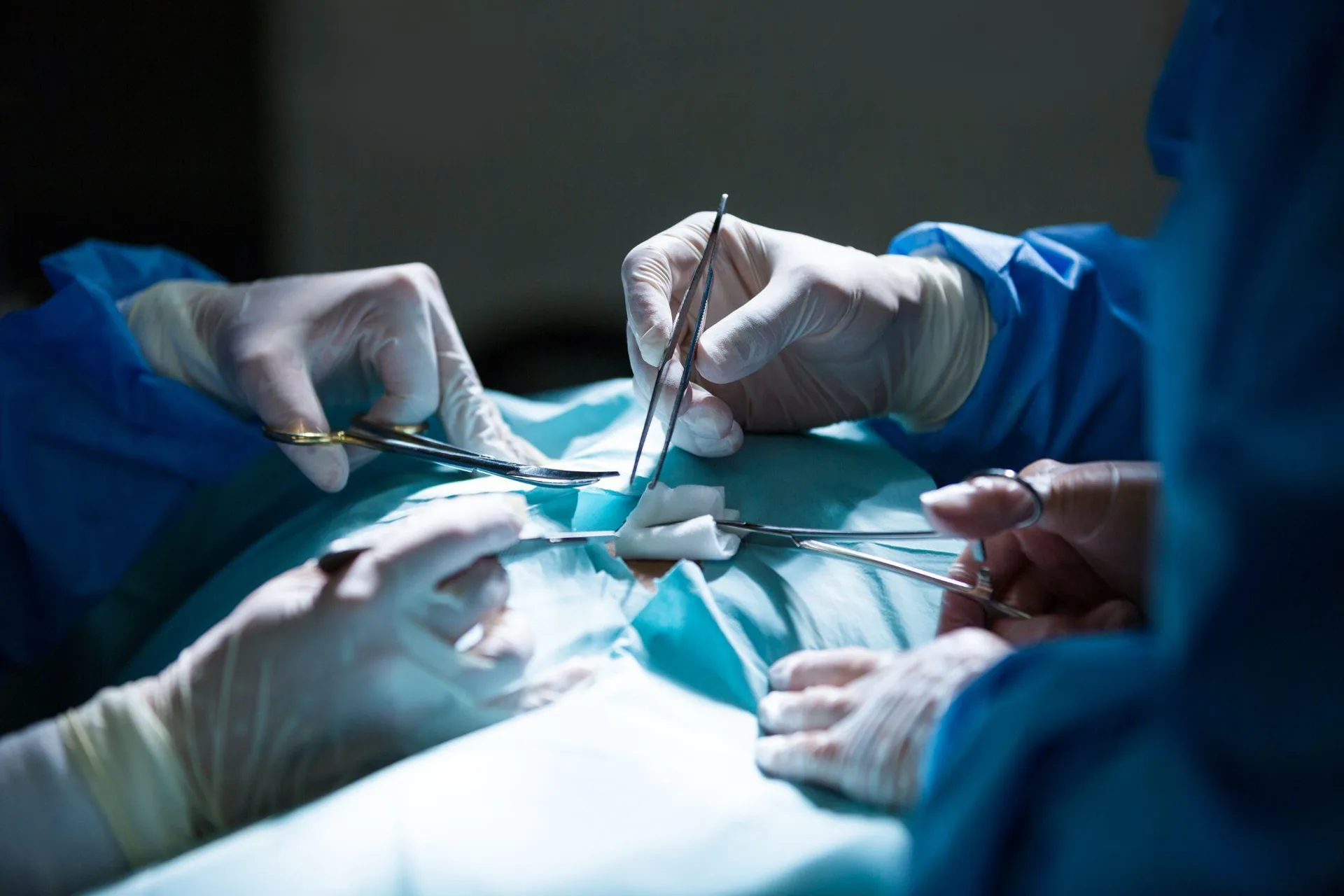
Orthopedic surgeons performing advanced shoulder arthroscopy surgery in a sterile operation theatre.
The fear of surgery drives many patients to delay or avoid necessary procedures for longer than they should. Equally, the assumption that surgery is inevitable sometimes prevents people from genuinely trying treatments that would actually help — saving them an operation, or at least delaying it by years.
The honest answer to "can surgery be avoided?" depends entirely on what the diagnosis is, what stage the condition has reached, and how the patient's daily function is being affected. This guide addresses that question across the most common orthopedic conditions.
The Overarching Principle
Surgery in orthopedics is almost never the first option. In nearly every condition — from knee arthritis to back pain to rotator cuff disease — conservative management is tried first. Surgery becomes appropriate when:
- Conservative management has genuinely been tried and has failed to provide adequate relief
- The condition is causing significant functional limitation
- The natural history of the condition worsens without intervention
- There is a risk of irreversible damage if left untreated (nerve compression, vascular compromise)
Understanding which of these applies — and with what urgency — determines the honest answer.
Conditions That Genuinely Respond Well to Conservative Management
Mechanical Back Pain (Muscle Strain, Facet Pain)
The vast majority — over 90% — of acute mechanical back pain resolves without surgery, within 4–12 weeks. The evidence strongly supports:
- Early return to normal activity (not bed rest)
- Physiotherapy with core strengthening and posture correction
- Short-term NSAIDs for pain management
- Heat therapy for muscle spasm
Surgery for purely mechanical back pain without nerve compression is rarely appropriate and rarely helpful.
Early-to-Moderate Knee Arthritis
Knee arthritis on a spectrum of Grade 1–3 (joint space present, no bone-on-bone) responds to:
- Quadriceps and hip strengthening physiotherapy — the most evidence-based intervention for reducing knee pain in early arthritis
- Weight loss — every kilogram lost reduces knee joint load by 3–4 kg per step; even modest weight reduction has a measurable impact on pain
- NSAIDs for inflammatory flares
- Intra-articular corticosteroid injection for acute inflammatory episodes
- Hyaluronic acid injection in selected cases
- Activity modification (low-impact exercise; reducing high-impact loading)
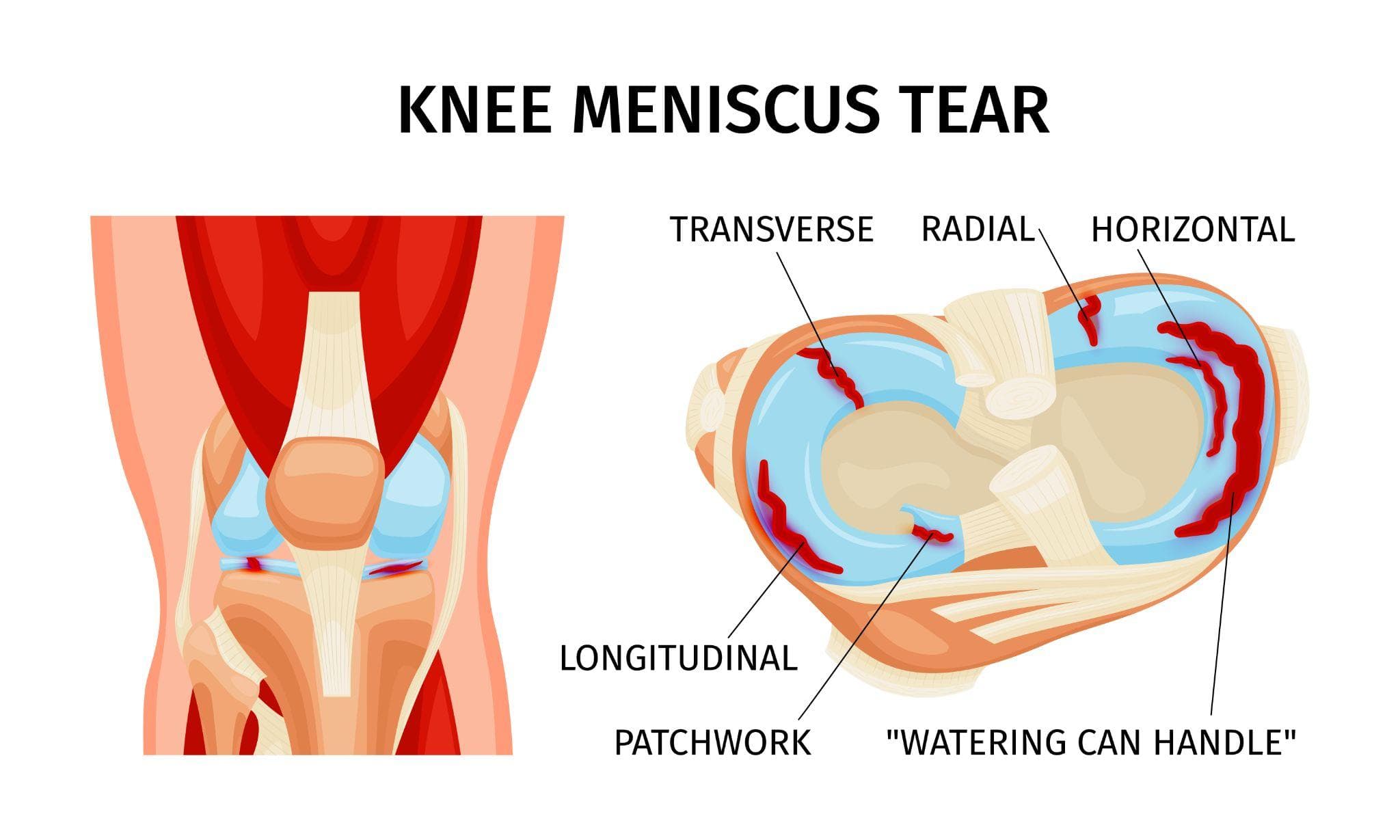
Landmark studies (including the METEOR trial for meniscal tears with arthritis) have confirmed that physiotherapy produces equivalent outcomes to surgery for degenerative meniscal tears without mechanical symptoms in middle-aged and older patients. Physiotherapy first is always justified.
However: Grade 4 (bone-on-bone) arthritis with severe daily pain and functional limitation that has genuinely not responded to 3–6 months of conservative management is unlikely to avoid surgery indefinitely. The joint surface is destroyed. No injection, medication, or exercise rebuilds cartilage from nothing.
Sciatica from Disc Herniation
As discussed in the sciatica blog, approximately 70–80% of sciatica from lumbar disc herniation improves without surgery within 3 months. The disc herniation resorbs naturally. Physiotherapy, nerve-specific exercises, and short-term medication support natural resolution.
Surgery is appropriate when: symptoms fail to improve after 6–12 weeks; progressive neurological weakness develops; or cauda equina syndrome is present (emergency).
Shoulder Impingement and Rotator Cuff Tendinopathy
Without a complete full-thickness rotator cuff tear, most impingement syndrome and rotator cuff tendinopathy responds to:
- Rotator cuff strengthening physiotherapy
- Posture and scapular stability work
- Subacromial corticosteroid injection when pain is limiting physiotherapy
- Activity modification
Surgery is appropriate for full-thickness tears causing significant pain and weakness that doesn't respond to conservative management.
Hip Bursitis and Tendinopathy
Trochanteric bursitis (outer hip pain) and hip tendinopathy respond to physiotherapy (gluteal strengthening), injection, and activity modification in the majority of cases. Surgery is rarely needed.
Achilles Tendinopathy (Not Rupture)
Chronic Achilles tendinopathy responds to eccentric loading exercises (Alfredson protocol) in most patients, with surgery genuinely reserved for cases failing all conservative options.
Conditions Where Surgery Is Usually the Right Answer
Complete Ligament Ruptures in Active Patients
ACL tears in young active patients who want to return to pivoting sport. The knee is unstable without an intact ACL, and this instability damages the menisci and cartilage over time. Physiotherapy can strengthen around the instability, but cannot restore the ligament.
Non-surgical management is appropriate for elderly sedentary patients or those with very low activity demands. Surgery is appropriate for active patients.
Complete Achilles Tendon Rupture (in Active Patients)
A complete Achilles rupture can heal with functional non-surgical management in carefully managed cases — but return to high-level sport is more reliable with surgery. The decision is individualised.
Meniscal Tears with Locking or Mechanical Symptoms
A bucket-handle meniscal tear that locks the knee in extension requires surgery — physiotherapy cannot unlock a knee blocked by displaced meniscal tissue.
Degenerative meniscal tears without locking often do not need surgery (physiotherapy produces equivalent outcomes in this specific group).
Bone-on-Bone Arthritis with Failed Conservative Management
When Grade 4 arthritis is confirmed on X-ray, pain limits walking to short distances, and 3–6 months of genuine physiotherapy, weight management, and appropriate injections have failed to restore adequate function — surgery is the right answer. Continuing to delay does not usually improve the situation and may worsen bone quality and muscle strength, making eventual surgery harder.
Spinal Cord Compression (Myelopathy)
Cervical or thoracic myelopathy — compression of the spinal cord itself — tends to deteriorate progressively without decompression. Unlike nerve root compression (where natural recovery is common), cord compression rarely improves on its own. This is a condition where non-surgical management is appropriate only for very mild cases, and surgical decompression is indicated when function is declining.
Cauda Equina Syndrome
Surgical emergency. Cannot be managed conservatively.
Hip Fracture in Elderly Patients
Surgery is almost always the right answer — the alternative (bedrest) carries extremely high mortality risk from complications.
The Role of Injections as a Middle Ground
Several injection options occupy the space between oral medication and surgery:
Corticosteroid injection: Effective for short-to-medium term pain relief in arthritis and bursitis. Does not alter the underlying disease. Most useful as a bridge — allowing physiotherapy to proceed while acute inflammation settles.
Hyaluronic acid injection: Synthetic joint fluid injected into the knee. Modest evidence for pain reduction in early-to-moderate arthritis, particularly in younger patients. Not effective for bone-on-bone disease.
PRP (Platelet-Rich Plasma) injection: Growing evidence for tendinopathy and early arthritis. Delivers growth factors directly to the affected tissue. Best combined with structured physiotherapy.
These injections delay surgery in many cases. They rarely eliminate the need permanently in severe disease — but delaying by 2–5 years is sometimes genuinely what the patient needs.
The Most Honest Answer
Surgery cannot be avoided indefinitely when structural damage is severe enough. No injection, supplement, or exercise rebuilds destroyed cartilage, heals a completely torn ligament, or decompresses a nerve that has been compressed long enough to damage it permanently.
But surgery can often be meaningfully delayed — and sometimes avoided entirely — with genuine, consistent, properly delivered conservative management. The key word is genuine. Physiotherapy done half-heartedly for two weeks, an injection given once, and a painkiller taken occasionally is not genuine conservative management.
For most orthopedic conditions, the question isn't "surgery or nothing" — it's "good conservative management first, then reassess."
Assessment at Prakash Hospital, Noida
Dr. Mayank Chauhan at Prakash Hospital, Sector 33, Noida, evaluates each patient's condition individually — recommending conservative management where it is genuinely appropriate and surgery only when the clinical picture genuinely calls for it.
To book a consultation, call the number listed on the website.