Anti-Inflammatory Diet For Arthritis - What To Eat, What To Avoid (India-Specific Guide)
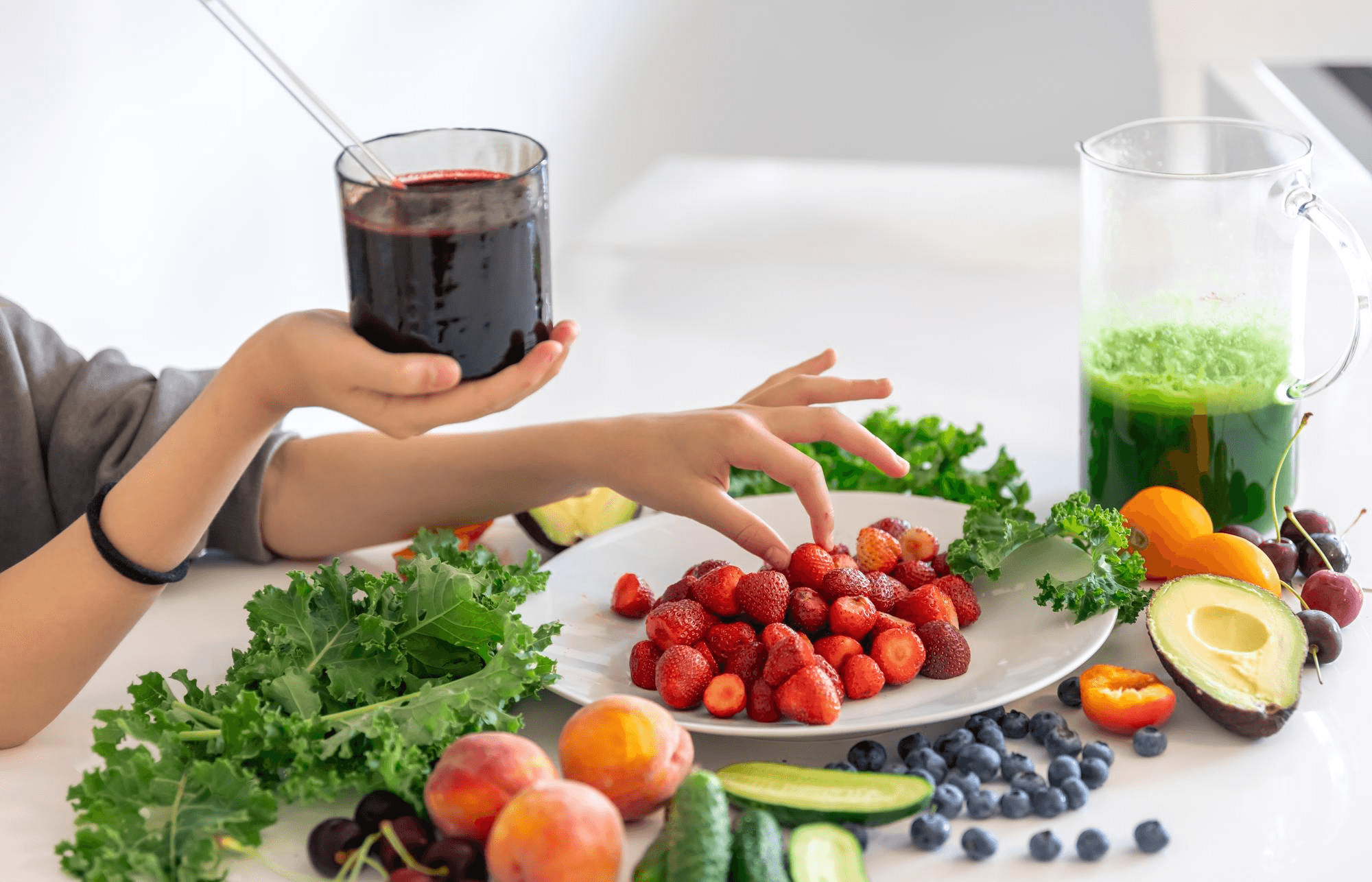
Green vegetables on table.
Food won't replace medication or physiotherapy for arthritis. But diet, specifically the pattern of foods you eat consistently over time, genuinely affects the level of inflammation in your body, and inflammation is central to arthritis pain.
This is not alternative medicine or folklore. Multiple well-designed clinical studies have demonstrated that dietary patterns, particularly the Mediterranean and DASH diets, reduce inflammatory markers, improve joint pain scores, and slow the progression of both osteoarthritis and rheumatoid arthritis.
The encouraging news for patients in Noida and across India: many of the most potently anti-inflammatory foods are already central to Indian cuisine. Turmeric, ginger, garlic, lentils, and green leafy vegetables make up an extraordinary anti-inflammatory toolkit in the Indian kitchen. The challenge is not finding these foods. The challenge is using them consistently while avoiding the other dietary patterns that drive inflammation, the refined carbohydrates, the fried foods, and the excessive sugar, which have become equally central to modern urban Indian eating.
This guide is a practical, evidence-based walkthrough of what the research says about diet and arthritis, adapted specifically for the eating patterns of patients in Noida and Delhi NCR.
How Food Affects Arthritis - The Mechanism
Inflammation is the body's response to injury and infection. In arthritis, both OA and RA chronic inflammation damages the joint lining, accelerates cartilage breakdown, and amplifies pain signals. The goal of anti-inflammatory eating is to reduce the systemic inflammatory load on the body.
Pro-inflammatory foods promote the production of inflammatory cytokines (TNF-alpha, IL-1, IL-6) and eicosanoids, the biological messengers that sustain joint inflammation and pain.
Anti-inflammatory foods inhibit these pathways, promote the production of anti-inflammatory mediators, and provide antioxidants that neutralise the free radicals generated by chronic inflammation.
This is not an immediate or dramatic effect; it is cumulative. A meal high in refined carbohydrates or fried food doesn't cause a flare on its own. But years of a consistently pro-inflammatory diet sustain a higher baseline level of systemic inflammation that worsens arthritis over time.
Foods That Worsen Arthritis - The Inflammatory Triggers
1. Refined Carbohydrates And Added Sugar
White rice, maida (refined wheat flour used in bread, biscuits, pakoras, samosas, puris), and white sugar, these foods cause rapid spikes in blood glucose and insulin. Elevated insulin drives the production of pro-inflammatory cytokines. Studies consistently link high glycaemic index diets to elevated CRP (C-reactive protein), a key inflammatory marker.
What this means in the Indian context:
- Maida-based foods are among the most consumed in urban India: bread, biscuits, noodles, pizza, pastries, and deep-fried street food.
- Excessive white rice portions (particularly polished rice with minimal fibre or vegetables).
- Sugar in tea and coffee, urban Indians often consume 4–6 cups a day, each with 2 teaspoons of sugar.
Practical reduction: Switch to whole wheat roti over maida. Use brown rice or millets (jowar, bajra, ragi) at some meals. Reduce but don't eliminate sugar, even moving from 2 teaspoons to 1 per cup, across 4 cups a day, makes a meaningful difference over time.
2. Processed And Fried Foods
Deep frying produces trans-fatty acids and advanced glycation end products (AGEs) that directly stimulate inflammatory pathways. Packed snacks (biscuits, chips, namkeen) and street food (vada, samosa, kachori) are high in both trans fats and refined carbohydrates.
Not all oil is the same: The type of oil matters. Oils rich in omega-6 fatty acids (refined sunflower, safflower, corn oil) promote inflammation when consumed in excess. Cold-pressed mustard oil, coconut oil, and olive oil are better choices.
3. Excess Red Meat
Red meat (particularly processed meat sausages, salami, red meat in curries with saturated fat) contains arachidonic acid, a precursor to pro-inflammatory prostaglandins. Large observational studies have linked high red meat consumption to elevated inflammatory markers.
Indian context: Mutton (goat meat) is the most commonly consumed red meat in India. Occasional consumption is not the concern. Daily or high-frequency consumption, particularly in large amounts, contributes to inflammatory load.
4. Omega-6 Heavy Cooking Oils
Most refined vegetable oils used in Indian cooking, sunflower, soyabean, cottonseed, and refined groundnut, are high in omega-6 fatty acids. While omega-6 is not inherently harmful, the modern Indian diet has a dramatically skewed omega-6 to omega-3 ratio (estimated 20:1 in urban diets, where 4:1 is ideal). This excess of omega-6 promotes the inflammatory pathway.
5. Alcohol
Alcohol consumption is directly associated with elevated inflammatory markers and worsens arthritis symptoms, particularly gout, where alcohol (especially beer and spirits) dramatically raises uric acid levels and can trigger acute attacks within hours.
6. Dairy Products In Certain Patients
Dairy is not universally inflammatory for most arthritis patients; moderate dairy consumption is neutral or even beneficial (calcium and Vitamin D from dairy support bone health). However, some patients with inflammatory arthritis (particularly RA) report that full-fat dairy products worsen their symptoms. This appears to be individual; if you notice a consistent worsening of joint symptoms with dairy, discuss an elimination trial with your doctor.
Foods That Help Arthritis - The Anti-Inflammatory Toolkit
1. Turmeric (Haldi)
The evidence for turmeric is genuinely impressive, and the Indian kitchen has been using it for centuries. The active compound, curcumin, has demonstrated anti-inflammatory effects comparable to NSAIDs in multiple small clinical trials, without the gastrointestinal side effects.
Important caveat: Curcumin has poor bioavailability; the body absorbs it poorly when consumed alone. Black pepper (piperine) dramatically increases curcumin absorption. This is why the combination of turmeric and black pepper, which has been a feature of Indian cooking for centuries, is clinically meaningful.
Practical use:
- Haldi in dal, sabzi, and curries, daily consumption at culinary doses is beneficial.
- Haldi doodh (golden milk) at night with a pinch of black pepper, a small amount of honey, and warm milk.
- Curcumin supplements (800–1000 mg with piperine) can provide more concentrated doses for patients who want a therapeutic effect beyond culinary amounts.
2. Ginger (Adrak)

A cup of ginger tea with fresh ginger slices.
Gingerols and shogaols, the bioactive compounds in ginger, inhibit inflammatory enzyme pathways (COX-1 and COX-2). Clinical studies have shown ginger to reduce pain and stiffness in both OA and RA patients compared to a placebo.
Practical use: Fresh ginger in tea (adrak chai, ideally without excessive sugar), in cooking, and in warm water daily consumption provides anti-inflammatory benefits. Ginger powder (sonth) is convenient and effective.
3. Omega-3 Fatty Acids
The most extensively studied anti-inflammatory dietary component for arthritis. Omega-3 fatty acids (EPA and DHA) reduce the production of pro-inflammatory cytokines. Studies in RA patients show reduced morning stiffness, reduced tender joint count, and reduced requirement for NSAIDs with regular omega-3 consumption.
Best sources:
- Fatty fish: Sardines (available in canned form), mackerel, salmon, rohu/katla/tuna in some preparations. The target is 2–3 servings of fatty fish per week.
- For vegetarians: Flaxseeds (alsi), chia seeds, walnuts. These provide ALA (alpha-linolenic acid), a precursor to EPA and DHA. The conversion in the body is partial, but regular consumption still contributes meaningfully.
- Fish oil supplements: For patients who don't consume fish regularly, a daily fish oil supplement (1–2 grams of EPA+DHA combined) is reasonable based on the evidence.
4. Garlic (Lahsun)
Contains sulfur compounds, particularly allicin, that inhibit inflammatory signalling pathways. Studies have linked regular garlic consumption to reduced inflammatory markers. Garlic is also associated with a reduced risk of hip OA in large observational studies.
Practical use: Garlic in dal, sabzi, and chutneys is already widely incorporated into the Indian diet. The key is using fresh or freshly minced garlic (the allicin is most active when garlic is crushed or chopped and allowed to rest for a few minutes before cooking).
5. Leafy Green Vegetables
Spinach (palak), methi (fenugreek leaves), drumstick leaves (moringa), and amaranth (cholai) provide Vitamin K, Vitamin C, antioxidants, and calcium. Vitamin C is specifically essential for collagen synthesis, which supports cartilage structure. Vitamin K has demonstrated a protective role against OA progression.
Practical use: Including a leafy green in at least one meal daily, such as palak dal, methi sabzi, or moringa added to curries or chutneys.
6. Lentils And Legumes (Dal)
Dal is among the best foods for arthritis patients. High in protein (supports muscle health around joints), high in fibre (reduces systemic inflammation through gut microbiome effects), and rich in zinc, magnesium, and folate. Studies consistently show that high legume consumption is associated with lower inflammatory markers.
Practical use: For the Indian patient, this is simply continuing what they already eat. The concern is not adding dal, it's making sure other meals are also anti-inflammatory.
7. Walnuts And Almonds
Walnuts are the only nut with significant omega-3 content (ALA). Almonds are rich in Vitamin E, magnesium, and monounsaturated fats. Studies link nut consumption (approximately one ounce daily, a small handful) to significant reductions in inflammatory markers.
Practical use: A small handful of walnuts or almonds as a daily snack, replacing a processed snack. Not high-calorie nut mixtures coated in sugar and salt.
8. Berries And Colourful Fruits
Anthocyanins, the pigments that give blueberries, strawberries, cherries, pomegranate, and amla their deep colour, are among the most potent anti-inflammatory antioxidants available. Amla (Indian gooseberry) deserves specific mention: it is extraordinarily rich in Vitamin C and has demonstrated anti-inflammatory effects in Indian studies.
For gout patients specifically: Cherries have clinical evidence for reducing gout attack frequency by reducing uric acid levels and inflammation. Tart cherry juice (or cherry extract) has been studied specifically for this purpose.
9. Green Tea
Rich in EGCG (epigallocatechin gallate), a catechin that blocks the production of molecules causing joint damage. Studies have shown green tea consumption reduces cartilage degradation markers in OA and reduces disease activity in RA. 2–3 cups per day provides a meaningful anti-inflammatory effect.
10. Whole Grains And Millets
Brown rice, oats, jowar, bajra, and ragi are rich in fibre and have a lower glycaemic index than refined carbohydrates. The fibre supports a healthy gut microbiome, increasingly recognised as a central regulator of systemic inflammation.
A Practical 7-Day Anti-Inflammatory Indian Eating Pattern
The goal is not perfection; it's a consistent shift toward more anti-inflammatory choices across the week.
Breakfast options:
- Oats with walnuts, almonds, and a small amount of fresh fruit.
- Whole wheat or jowar roti with palak paneer or egg.
- Poha with vegetables, oil light.
Dal/Protein at lunch and dinner:
- Moong dal, masoor dal, chana dal daily. With haldi and a small amount of good oil.
- Include palak, methi, or other leafy greens in at least one meal daily.
- 2–3 times a week: fish (sardine curry, rohu, or mackerel).
Snacks:
- A handful of walnuts or almonds
- Amla (fresh or dried)
- Green tea (replacing one sugary chai)
Spices - use generously:
- Turmeric + black pepper in cooking daily.
- Fresh ginger in tea and cooking daily.
- Garlic in all sabzis.
What to reduce progressively:
- Maida-based snacks → switch to whole grain
- Deep-fried snacks → reduce to 2–3 times a week max
- Sugar in tea → reduce by half
- Processed foods → fresh and home-cooked alternatives
Diet And Gout - Special Considerations
Gout deserves specific dietary mention because the dietary connection is very direct.
High-purine foods to strictly limit:
- Red meat (mutton, beef), particularly organ meats (kidneys, liver)
- Shellfish and certain fish (sardines, anchovies, mackerel, which are otherwise anti-inflammatory for OA/RA, but should be limited in gout)
- Alcohol, particularly beer and spirits
- Fructose-sweetened beverages (soft drinks, fruit juices with added sugar)
Protective for gout:
- Low-fat dairy (associated with lower uric acid levels)
- Coffee (moderate intake associated with lower uric acid)
- Cherries/tart cherry juice
- Adequate hydration: 2–3 litres of water daily
The Role Of Diet In The Overall Treatment Plan
Diet is a component of arthritis management, not a replacement for medical treatment. For patients on DMARDs (RA) or physiotherapy programmes (OA), anti-inflammatory eating complements and enhances those treatments. It does not replace them.
Dr. Mayank Chauhan, Senior Orthopedic Surgeon at Prakash Hospital, Sector 33, Noida, incorporates dietary guidance into arthritis consultations, recognising that what a patient eats daily has a genuine, cumulative effect on their joint inflammation levels and their response to other treatments.
To book a consultation for arthritis management, call the number listed on the website.
The Bottom Line
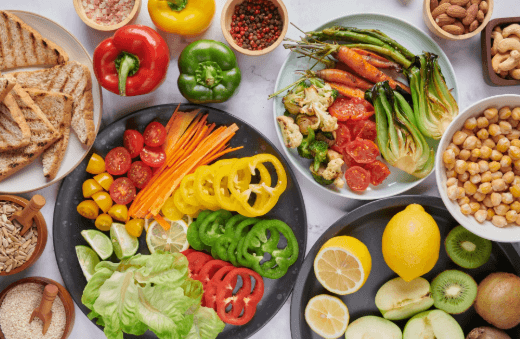
Assortment of healthy foods for patients.
The Indian kitchen is, in its traditional form, an anti-inflammatory kitchen. Turmeric, ginger, garlic, dal, leafy greens, and whole grains are the foundations of an anti-inflammatory diet, and they are already in most Indian homes.
The challenge is the drift from that traditional base toward the refined, fried, and processed foods that have flooded the urban diet. Walking that back, not dramatically, but consistently, reduces systemic inflammation, reduces arthritis pain, and improves the body's response to the medical treatments it is also receiving.
To consult Dr. Mayank Chauhan, Senior Orthopedic Surgeon in Noida, call the number listed on the website.